Ketogene Diät vor und nach Operationen: Eine vielversprechende Strategie?
Eine aktuelle Übersichtsarbeit beleuchtet das Potenzial der ketogenen Diät in der prä- und postoperativen Phase bei Bauchoperationen. Könnte diese Ernährungsweise die Erholung beschleunigen und Komplikationen reduzieren? Wir schauen uns an, was die Forschung dazu sagt – und was das für dich bedeuten könnte.
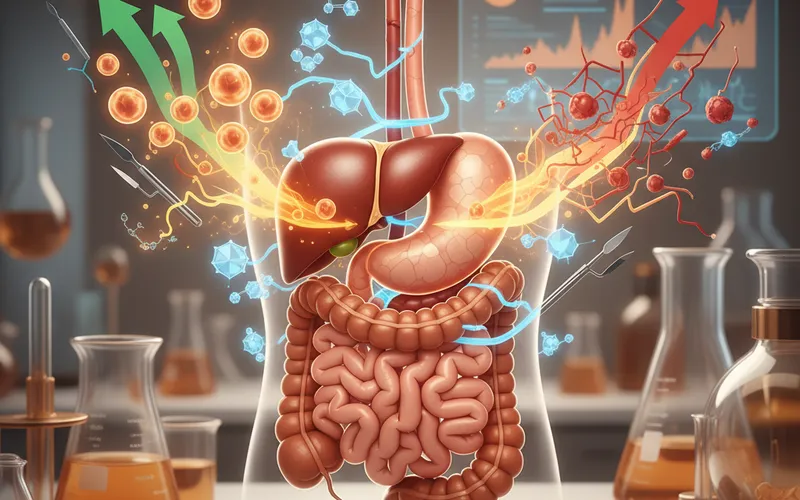
Die Studie – Was wurde untersucht und warum betrifft dich das?
Stell dir vor, du stehst vor einer grösseren Operation, zum Beispiel im Bauchraum. Dein Körper wird dabei massiv gefordert. Er muss den Stress des Eingriffs verkraften, Wunden heilen und sich von der Narkose erholen. Das ist eine enorme Belastung, und wie gut du diese Phase überstehst, hängt nicht zuletzt von deinem körperlichen Zustand ab. Genau hier setzt eine spannende Frage an, die sich viele Menschen stellen: Kann eine spezielle Ernährung vor und nach einem solchen Eingriff helfen, die Genesung zu beschleunigen und Komplikationen zu vermeiden?
Diese Frage haben sich auch Forschende aus China gestellt. In einer aktuellen Übersichtsarbeit, publiziert in Frontiers in Nutrition, haben Xu, Li und Cao das Potenzial der ketogenen Diät (KD) im Zusammenhang mit Bauchoperationen untersucht. Sie wollten herausfinden, ob und wie diese spezielle Ernährungsform, die durch einen sehr geringen Kohlenhydratanteil, moderate Proteine und viel Fett gekennzeichnet ist, den Körper in der kritischen perioperativen Phase unterstützen kann.
Gerade in der Zeit um eine Operation herum – auch perioperative Phase genannt – erlebt der Körper erheblichen metabolischen Stress. Das kann zu systemischen Entzündungsreaktionen führen und den Abbau von Glykogen, Fetten und Proteinen beschleunigen. Das wiederum wirkt sich negativ auf die Muskulatur aus und kann die funktionelle Erholung der Patienten verzögern. Eine umfassende Ernährungsunterstützung in dieser Zeit könnte den körperlichen Zustand vor der Operation verbessern und postoperative Komplikationen reduzieren. Die ketogene Diät, bekannt durch ihre Anwendung bei Übergewicht oder neurologischen Erkrankungen, rückt nun auch im Kontext der perioperativen Ernährung in den Fokus.
Die Autoren dieser Arbeit haben das Konzept der ketogenen Diät, ihre metabolischen Mechanismen und die potenziellen Vorteile während der perioperativen Phase bei Bauchoperationen diskutiert. Sie beleuchten aber auch die Risiken und Herausforderungen, die mit einer KD verbunden sind, und schlagen mögliche Lösungen vor. Ziel war es, ein umfassendes Verständnis der Wirkungsweisen der KD zu schaffen, um möglicherweise neue Ernährungsstrategien zur Verbesserung der Prognose von Patienten nach Bauchoperationen zu entwickeln.
Diese Studie ist eine Übersichtsarbeit, auch Review genannt. Das bedeutet, die Forschenden haben nicht selbst experimentiert, sondern bestehende Studien zu diesem Thema gesammelt, analysiert und zusammengefasst. Solche Reviews sind wertvoll, weil sie uns einen Überblick über den aktuellen Forschungsstand geben und Trends aufzeigen können.
Die zentralen Ergebnisse der Übersichtsarbeit legen nahe, dass die ketogene Diät durch die Förderung der Ketonkörperproduktion (Beta-Hydroxybutyrat) entzündungshemmende Wirkungen haben, die Energieversorgung des Gehirns verbessern und den oxidativen Stress reduzieren könnte. Diese Effekte könnten dazu beitragen, den Heilungsprozess zu unterstützen und die Erholung nach der Operation zu beschleunigen.
Quelle: Xu L, Li X, Cao C (2026). Nutritional strategies in abdominal surgery: the potential of ketogenic diet. Front Nutr, 12. PubMed-ID: 41624189
Was heisst das wirklich? – Die kritische Einordnung
Diese Übersichtsarbeit zeigt uns auf eindrückliche Weise, wie komplex die Ernährung im Kontext von Gesundheit und Krankheit ist. Wenn wir hier von «potenziellen Vorteilen» sprechen, ist es wichtig zu verstehen, was das genau bedeutet. Eine Übersichtsarbeit fasst existierende Forschung zusammen, sie liefert aber keine neuen Primärdaten. Das heisst, wir sehen hier eine Zusammenstellung von Hypothesen und Beobachtungen, die in einzelnen Studien gemacht wurden, aber noch nicht in grossen, randomisierten und kontrollierten Studien umfassend für die perioperative Phase getestet wurden.
Ein wichtiger Punkt ist, dass die meisten Vorteile der ketogenen Diät, die hier diskutiert werden – wie etwa die entzündungshemmende Wirkung der Ketonkörper oder die verbesserte Energieversorgung – aus Studien stammen, die nicht primär im Kontext von Operationen durchgeführt wurden. Sie basieren oft auf Forschungen zu neurologischen Erkrankungen, Stoffwechselstörungen oder Gewichtsverlust. Die Übertragung dieser Erkenntnisse auf die spezielle und hochstressige Situation einer Bauchoperation ist zwar logisch, aber nicht automatisch bewiesen.
Die Autoren weisen selbst auf die Risiken und Herausforderungen hin. Eine ketogene Diät ist nicht für jeden geeignet und kann Nebenwirkungen wie die sogenannte «Keto-Grippe» (Müdigkeit, Kopfschmerzen, Übelkeit) verursachen. Zudem erfordert sie eine genaue Planung und Überwachung, besonders in einem so sensiblen Zustand wie vor oder nach einer Operation. Die Einhaltung einer strikten ketogenen Diät kann für Patienten, die sich ohnehin in einer Ausnahmesituation befinden, eine zusätzliche Belastung darstellen.
Denkwerkzeug: Wenn du von einer potenziell vorteilhaften Ernährungsstrategie liest, frage dich immer: Wurde diese Strategie genau in meiner spezifischen Situation (z.B. vor einer Operation) und bei Menschen wie mir (Alter, Gesundheitszustand) umfassend untersucht? Oder stammen die Erkenntnisse aus anderen Kontexten und werden hier nur als potenzielle Möglichkeit diskutiert?
Diese Übersicht ist ein wichtiger Schritt, um das Forschungsfeld zu strukturieren und zukünftige Studien anzuregen. Sie ist aber noch keine Empfehlung für die breite Anwendung in der klinischen Praxis. Wir brauchen mehr spezifische Studien, um die tatsächliche Wirksamkeit und Sicherheit der ketogenen Diät in der perioperativen Phase zu belegen.
Der Geist im Körper – Die psychophysiologische Perspektive
Gerade in der Phase vor und nach einer Operation spielen psychische Faktoren eine immense Rolle, die in vielen medizinischen Studien oft zu kurz kommen. Das psychophysiologische Interaktionsmodell lehrt uns, dass Körper und Geist untrennbar miteinander verbunden sind. Und genau diese Verbindung könnte auch bei der Anwendung einer ketogenen Diät entscheidend sein.
Stell dir vor, du bereitest dich auf eine grosse Bauchoperation vor. Das allein ist schon eine enorme psychische Belastung. Angst, Ungewissheit und Stress sind ständige Begleiter. Wenn du nun zusätzlich eine strikte ketogene Diät befolgen sollst, die eine radikale Umstellung deiner Essgewohnheiten erfordert, kann das den psychischen Druck noch verstärken. Die «Keto-Grippe» mit ihren Symptomen wie Müdigkeit und Reizbarkeit kann die bereits angeschlagene Psyche zusätzlich belasten. Ein Patient, der sich unwohl fühlt und mental gestresst ist, wird sich wahrscheinlich schlechter erholen, selbst wenn die Diät auf physiologischer Ebene Vorteile hätte.
Andererseits könnte der Glaube an die Wirksamkeit der Diät, also eine positive Erwartungshaltung, einen starken Placebo-Effekt auslösen. Wenn du fest davon überzeugt bist, dass diese spezielle Ernährung deine Genesung fördert, kann das zu einer stärkeren Motivation, einer besseren Stressbewältigung und letztlich zu einer schnelleren und besseren Erholung führen. Dieser psychische Schub, der durch die Überzeugung entsteht, aktiv etwas für die eigene Gesundheit zu tun, ist ein mächtiger Faktor und beeinflusst die Physiologie messbar. Ein Mensch, der sich aktiv und selbstwirksam fühlt, wird auch den Heilungsprozess anders erleben und positiv beeinflussen.
Es ist gut denkbar, dass ein Teil der potenziellen Vorteile der ketogenen Diät in der perioperativen Phase nicht nur auf die biochemischen Effekte der Ketonkörper zurückzuführen ist, sondern auch auf diese psychologischen Komponenten: die verbesserte Selbstwirksamkeit, die Reduktion von Angst durch das Gefühl, die Kontrolle über den eigenen Genesungsprozess zu haben, und die positive Erwartungshaltung. Diese Aspekte werden in rein physiologisch orientierten Studien oft nicht erfasst, sind aber für das tatsächliche Ergebnis beim Patienten von grosser Bedeutung.
Der grössere Kontext – Einordnung und Abhängigkeiten
Diese Übersichtsarbeit stammt von Forschenden aus China und wurde in Frontiers in Nutrition publiziert. Die Autoren geben an, dass keine Interessenkonflikte vorliegen, was die Glaubwürdigkeit der Arbeit stärkt. Das ist wichtig, denn gerade bei populären Ernährungsformen wie der ketogenen Diät gibt es oft finanzielle Interessen, die Ergebnisse beeinflussen könnten.
Die Studie ordnet sich in einen breiteren Trend ein, der die Rolle der Ernährung in der Medizin immer stärker beleuchtet. Die Idee, dass «Nahrung als Medizin» dienen kann, gewinnt zunehmend an Bedeutung, auch in kritischen Phasen wie vor und nach Operationen. Die ketogene Diät ist dabei nur eine von vielen Ernährungsstrategien, die in den letzten Jahren an Popularität gewonnen haben. Sie steht im Kontext anderer Ansätze wie der präoperativen «Prehabilitation», bei der Patienten durch gezieltes Training und Ernährung vor einem Eingriff gestärkt werden sollen.
Diese Übersichtsarbeit bestätigt also nicht nur bestehende Erkenntnisse über die potenziellen Vorteile der ketogenen Diät im Allgemeinen, sondern erweitert den Blickwinkel auf einen sehr spezifischen und anspruchsvollen Bereich der Medizin. Es ist ein Puzzleteil in einem grösseren Bild und zeigt auf, welche Richtung die Forschung in den kommenden Jahren einschlagen könnte.
Was wurde nicht kontrolliert? Da es sich um ein Review handelt, wurden in dieser Arbeit selbst keine Faktoren kontrolliert. Die analysierten Primärstudien wiederum haben unterschiedliche Kontrollmechanismen. Ein Faktor, der in vielen Einzelstudien schwer zu kontrollieren ist, sind die individuellen Lebensstilfaktoren der Patienten. Wie ist ihr allgemeiner Gesundheitszustand, wie hoch ist ihr Stresslevel, wie ist ihre soziale Unterstützung? All diese Aspekte können die Ergebnisse einer Intervention wie einer Diät massgeblich beeinflussen, sind aber nur schwer zu standardisieren.
Denkwerkzeug: Wenn du eine Studie liest, die eine neue Therapie oder Ernährungsweise vorschlägt, frage dich: Wird hier eine einzelne Intervention isoliert betrachtet, oder werden auch die vielen anderen Faktoren berücksichtigt, die zu einem guten oder schlechten Ergebnis beitragen könnten, wie zum Beispiel Schlaf, Stressmanagement oder soziale Unterstützung?
Was heisst das für dich? – Fazit und Alltagsrelevanz
Was kannst du aus dieser Übersichtsarbeit für dich mitnehmen, auch wenn du gerade nicht vor einer Bauchoperation stehst? Erstens: Ernährung ist ein mächtiges Werkzeug, das einen grossen Einfluss auf deine Gesundheit und deine Fähigkeit zur Regeneration hat. Zweitens: Die ketogene Diät zeigt in der Forschung vielversprechende Ansätze für verschiedene Anwendungsbereiche, einschliesslich der Unterstützung in stressigen Phasen wie einer Operation.
- Ernährung als Vorbereitung: Wenn du vor einem grösseren medizinischen Eingriff stehst, lohnt es sich, proaktiv über deine Ernährung nachzudenken. Eine nährstoffreiche, entzündungshemmende Kost kann deinen Körper stärken. Ob eine ketogene Diät in deinem Fall sinnvoll ist, solltest du aber unbedingt mit deinem Arzt oder einem Ernährungsberater besprechen.
- Achte auf deinen Stoffwechsel: Die Idee, den Stoffwechsel durch Ernährung so zu beeinflussen, dass Ketonkörper als alternative Energiequelle genutzt werden, ist faszinierend. Dieses Prinzip kann auch im Alltag dazu beitragen, den Blutzuckerspiegel zu stabilisieren und Entzündungen zu reduzieren.
- Die Macht der Überzeugung: Erinnere dich an den psychophysiologischen Aspekt: Deine Einstellung und dein Glaube an die Wirksamkeit einer Massnahme können einen grossen Unterschied machen. Wenn du dich für eine Ernährungsweise entscheidest, tu es mit Überzeugung und positiver Erwartung.
Was solltest du NICHT daraus schliessen? Bitte interpretiere diese Übersichtsarbeit nicht als Freifahrtschein, eine ketogene Diät vor einer Operation ohne ärztliche Rücksprache zu beginnen. Es handelt sich um ein komplexes Thema, das eine individuelle Betrachtung erfordert. Eine Diät kann immer auch Risiken bergen, besonders in einer sensiblen Phase wie der Genesung.
Für wen ist das besonders relevant? Diese Erkenntnisse sind besonders relevant für Menschen, die vor einer grösseren Operation stehen und nach Wegen suchen, ihre Genesung zu optimieren. Sie sind aber auch für jeden interessant, der sich mit dem Zusammenspiel von Ernährung, Stoffwechsel und körperlicher Belastbarkeit auseinandersetzt. Für jemanden, der keine gesundheitlichen Herausforderungen hat, ist der direkte Handlungsbedarf geringer, aber das Verständnis für die komplexen Prozesse im Körper wird geschärft.
Dein Körper reagiert nicht nur auf das, was du isst oder wie du dich bewegst, sondern auch auf das, was du denkst und fühlst. Diese ganzheitliche Sichtweise ist der Schlüssel zu nachhaltiger Gesundheit. Welche Fragen bleiben offen? Es braucht weitere, gut konzipierte klinische Studien, um die tatsächlichen Auswirkungen der ketogenen Diät in der perioperativen Phase bei Bauchoperationen genauer zu untersuchen und konkrete Empfehlungen ableiten zu können.
Bleibe neugierig, höre auf deinen Körper und informiere dich stets kritisch. Deine Gesundheit ist ein Zusammenspiel vieler Faktoren – und du hast mehr Einfluss darauf, als du vielleicht denkst.