Fette effizienter nutzen: Wie spezielle Lipide das Training beeinflussen
Kann eine gezielte Lipid-Ergänzung die Fettverbrennung beim Training ankurbeln und die Ausdauer verbessern? Eine neue Studie aus China gibt spannende Einblicke in die Rolle von strukturierten Lipiden bei untrainierten Männern.
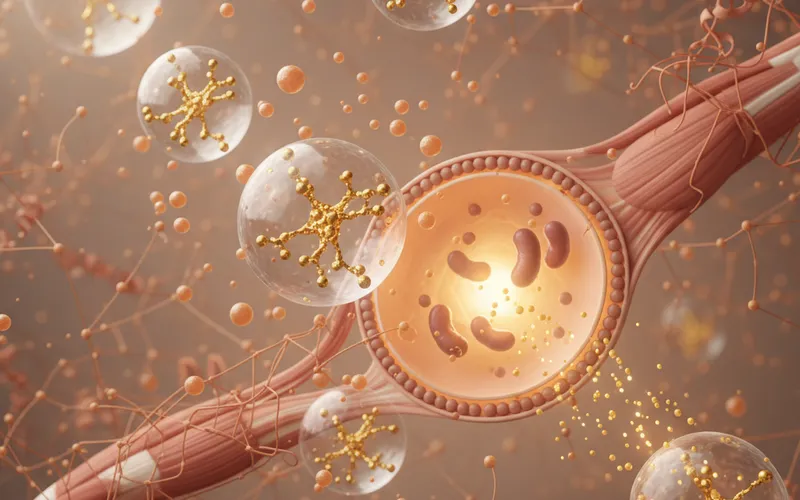
Die Studie – Was wurde untersucht und warum betrifft dich das?
Stell dir vor, du könntest deinen Körper trainieren, beim Sport effizienter Fett zu verbrennen und dadurch vielleicht sogar länger durchzuhalten. Wäre das nicht faszinierend? Genau diese Frage hat ein Forschungsteam aus China und Japan untersucht. Sie wollten herausfinden, ob spezielle Fette, sogenannte strukturierte Lipide, die Art und Weise beeinflussen können, wie dein Körper während des Trainings Energie gewinnt.
Die Forschenden um Wang C. von der School of Sports Medicine and Rehabilitation der Beijing Sport University haben in Zusammenarbeit mit Wissenschaftlern der Nippon Suisan Kaisha, Ltd. (Nissui Corporation) in Japan eine Studie durchgeführt. Ihre Arbeit erschien im Februar 2026 im renommierten Fachjournal Nutrients. Die zentrale Fragestellung war, ob eine achtwöchige Supplementierung mit strukturierten Lipiden die Substratverwertung (also die Nutzung von Kohlenhydraten und Fetten als Energiequelle), den Fettsäuregehalt in den roten Blutkörperchen und die Ausdauerleistung bei gesunden, untrainierten Männern verbessern kann.
Für diese doppelblinde, placebokontrollierte und randomisierte Studie wurden 36 männliche Probanden gewonnen, die in zwei gleich grosse Gruppen (jeweils 18 Teilnehmer) aufgeteilt wurden. Eine Gruppe erhielt über acht Wochen die strukturierten Lipide, die andere ein Placebo. Bei den strukturierten Lipiden handelte es sich um re-esterifizierte Triacylglycerole, die Eicosapentaensäure (EPA), Docosahexaensäure (DHA) und mittelkettige Fettsäuren enthielten – eine interessante Kombination, die potenziell den Stoffwechsel und die Ausdauer beeinflussen könnte. Vor und nach der achtwöchigen Phase wurden verschiedene Parameter gemessen: die maximale Sauerstoffaufnahme (VO2max), die Zeit bis zur Erschöpfung, die Substratoxidation während des Trainings bei 65% der VO2max (ein Mass für die Fett- und Kohlenhydratverbrennung) sowie der Fettsäuregehalt in den Erythrozytenmembranen (rote Blutkörperchen).
Die Ergebnisse waren auf den ersten Blick vielversprechend: Nach acht Wochen zeigte die Gruppe, die die strukturierten Lipide erhalten hatte, statistisch signifikante Veränderungen in der Substratverwertung. Der respiratorische Quotient (RER) war niedriger, was auf eine höhere relative Fettverbrennung hindeutet. Sowohl der prozentuale Anteil der Fettoxidation als auch die gesamte Fettoxidation und die durchschnittliche Fettoxidationsrate waren erhöht. Ebenso stieg der EPA+DHA-Gehalt in den roten Blutkörperchen signifikant an. Auch die Zeit bis zur Erschöpfung verbesserte sich in dieser Gruppe statistisch signifikant. Im Vergleich zur Placebogruppe waren diese positiven Effekte in der Lipid-Gruppe nach der Intervention ebenfalls statistisch signifikant.
Quelle: Wang C, Qi JY, Han L, Yokoi K, Yanagimoto K, Wang XT, Fang ZL, Hou SL (2026). Effects of Structured Lipid Supplementation for Eight Weeks on Substrate Utilization During Moderate Intensity Exercise in Healthy Untrained Men. Nutrients, 18(4):567. PubMed-ID: 41754084
Was heisst das wirklich? – Die kritische Einordnung
Die Ergebnisse klingen erst einmal sehr gut: Mehr Fettverbrennung, mehr Ausdauer. Doch wie immer lohnt es sich, genauer hinzuschauen und die Studienergebnisse kritisch zu hinterfragen. Denn «statistisch signifikant» ist nicht gleichbedeutend mit «klinisch bedeutsam» oder «für dich persönlich relevant».
Diese Studie hat einige methodische Stärken: Sie war doppelblind und placebokontrolliert, was Verzerrungen minimiert. Die Randomisierung sorgte für eine vergleichbare Ausgangssituation der Gruppen. Gemessen wurden physiologische Marker wie die Substratoxidation und der Fettsäuregehalt, die direkt mit den interessierenden Mechanismen zusammenhängen. Die Erhöhung von EPA und DHA in den Erythrozyten ist ein guter Beleg dafür, dass die Supplementierung tatsächlich im Körper ankam und sich in den Zellmembranen einlagerte.
Doch es gibt auch wichtige Grenzen. Die Teilnehmer waren gesunde, untrainierte Männer. Das bedeutet, die Ergebnisse lassen sich nicht ohne Weiteres auf Frauen, ältere Menschen, Leistungssportler oder Personen mit Vorerkrankungen übertragen. Für untrainierte Personen sind die Potenziale für Verbesserungen oft grösser und schneller sichtbar, als für bereits gut trainierte Individuen.
Ein entscheidender Punkt ist die Verbesserung der Ausdauerleistung, gemessen als «Zeit bis zur Erschöpfung». Die Autoren selbst schreiben im Abstract, dass diese Verbesserung «innerhalb der natürlichen Variabilität lag und erhebliche interindividuelle Unterschiede zeigte». Das ist ein wichtiger Hinweis: Auch wenn der Durchschnittswert statistisch signifikant war, bedeutet das nicht, dass jeder Einzelne eine spürbare Leistungssteigerung erfahren hat. Manche mögen einen deutlichen Effekt gespürt haben, andere kaum oder gar keinen. Für dich als Individuum ist es eben nicht der Durchschnitt, der zählt, sondern dein persönlicher Effekt.
Die Studie misst vor allem Surrogatparameter (Fettverbrennung, Erythrozyten-Fettsäuren) und einen weichen Endpunkt (Zeit bis zur Erschöpfung). Ein niedrigerer RER und eine höhere Fettverbrennung sind Indikatoren für eine metabolische Anpassung, aber sie sind kein direkter Beweis für eine massive Leistungssteigerung im Alltag oder eine bessere Gesundheit. Es ist ein Hinweis darauf, dass der Körper lernt, Fette als Energiequelle effizienter zu nutzen, was theoretisch vorteilhaft sein kann. Aber ob diese metabolische Anpassung zu einem spürbaren, funktionalen Vorteil im täglichen Leben oder beim Sport führt, bleibt eine offene Frage, die die Autoren selbst betonen.
Dein Denkwerkzeug: Wenn du eine Studie liest, die von einer Verbesserung eines Parameters spricht, frage dich immer: Wie gross war diese Verbesserung wirklich und was bedeutet sie für mein konkretes Leben? Ist es ein Unterschied, der mich im Alltag spürbar weiterbringt, oder eher eine kleine Verschiebung auf der Statistik-Ebene?
Der Geist im Körper – Die psychophysiologische Perspektive
Hier kommen wir zum Kern dessen, was auf der Hösli-Plattform wichtig ist: die untrennbare Verbindung von Psyche und Körper. Diese Studie konzentriert sich auf die biochemischen und physiologischen Effekte der Lipide, lässt aber die psychologische Dimension weitgehend aussen vor. Doch gerade bei Nahrungsergänzungsmitteln und Trainingsstudien spielen psychophysiologische Faktoren eine enorme Rolle.
Denke an den Placebo-Effekt: Allein die Überzeugung, etwas Wirksames einzunehmen, kann messbare physiologische Veränderungen hervorrufen. Wenn die Teilnehmer der Lipid-Gruppe wussten oder glaubten, dass sie das aktive Präparat erhielten (trotz Doppelblindheit kann es subtile Hinweise geben oder einfach die Erwartungshaltung nach der Aufklärung über die Studie), könnte dies ihre Motivation im Training beeinflusst haben. Die Erwartung, besser zu sein, kann dazu führen, dass man sich im Training mehr anstrengt, unbewusst die Schmerzgrenze weiter nach hinten verschiebt oder einfach eine positivere Einstellung zum Training entwickelt. Diese erhöhte Anstrengung wiederum könnte zu einer besseren Leistung und Anpassung führen, unabhängig oder zusätzlich zu den direkten Effekten der Lipide.
Auch der Hawthorne-Effekt ist hier relevant: Die Tatsache, dass die Teilnehmer wussten, dass sie Teil einer Studie waren und beobachtet wurden, könnte ihr Verhalten beeinflusst haben. Sie könnten motivierter gewesen sein, die Anweisungen zu befolgen und ihr Bestes zu geben, was die Ergebnisse ebenfalls positiv beeinflussen könnte, auch in der Placebogruppe.
Und was ist mit der individuellen Reaktion auf Fette? Unser Stoffwechsel ist nicht nur von dem abhängig, was wir essen, sondern auch von unserem Stresslevel, unserem Schlaf und unserer emotionalen Verfassung. Chronischer Stress beispielsweise verändert die Hormonbalance, was wiederum die Fettverbrennung und die Energiebereitstellung beeinflussen kann. Eine Person, die während der achtwöchigen Studiendauer viel Stress hatte oder schlecht schlief, könnte anders auf die Supplementierung reagiert haben als jemand, der entspannt und gut erholt war. Solche Faktoren werden in klassischen Ernährungsstudien oft nicht erfasst, können aber die individuelle Reaktion auf ein Supplement massgeblich prägen.
Es ist also gut denkbar, dass die beobachteten Verbesserungen nicht ausschliesslich auf die biochemische Wirkung der strukturierten Lipide zurückzuführen sind, sondern auch auf ein komplexes Zusammenspiel von physiologischen Effekten, Erwartungshaltung, Motivation und der allgemeinen psychischen Verfassung der Probanden. Eine umfassende Untersuchung hätte auch psychologische Parameter wie Motivation, Selbstwirksamkeit oder empfundenen Stress messen können, um diese Interaktionen besser zu verstehen.
Der grössere Kontext – Einordnung und Abhängigkeiten
Diese Studie ist ein Puzzleteil in der wachsenden Forschung zu den Auswirkungen spezifischer Fettsäuren auf den Stoffwechsel und die sportliche Leistung. Sie bestätigt im Wesentlichen, dass bestimmte Fettarten die Fettsäurezusammensetzung der Zellmembranen verändern und die Fettverbrennung während des Trainings steigern können. Das ist keine völlig neue Erkenntnis, aber die Kombination von EPA, DHA und mittelkettigen Fettsäuren in einem strukturierten Lipid ist interessant.
Ein wichtiger Aspekt, der hier zur Sprache kommen muss, ist die Finanzierung und die Interessenkonflikte. Drei der Autoren (Li Han, Kaori Yokoi und Kenichi Yanagimoto) sind bei der Firma Nissui Corporation angestellt. Nissui Corporation ist ein Grossunternehmen, das unter anderem Produkte im Bereich der Lebensmittel und funktionellen Inhaltsstoffe vertreibt – und somit ein direktes kommerzielles Interesse an positiven Ergebnissen für die von ihnen entwickelten Produkte haben könnte. Die anderen Autoren deklarierten keine kommerziellen Interessenkonflikte. Dies ist eine Information, die man bei der Einordnung der Ergebnisse immer im Hinterkopf behalten sollte. Es ist keine Anklage, aber Transparenz ist wichtig, um die Glaubwürdigkeit der Ergebnisse einschätzen zu können.
Was wurde nicht kontrolliert? Die Studie hat sich auf die Lipid-Supplementierung und das Training konzentriert. Andere Lebensstilfaktoren wie die sonstige Ernährung, der Schlaf oder das Stressmanagement der Teilnehmer wurden wahrscheinlich nicht detailliert erfasst oder kontrolliert, obwohl sie einen erheblichen Einfluss auf den Stoffwechsel und die Trainingsadaption haben können. Auch die genaue Trainingsintensität und -dauer im Alltag der untrainierten Männer ausserhalb der Tests wurde nicht explizit erwähnt, könnte aber ebenfalls eine Rolle spielen.
Dein Denkwerkzeug: Wenn du von einer Studie hörst, die ein Produkt oder eine Substanz bewirbt, frage dich immer: Wer hat diese Studie finanziert oder durchgeführt? Gibt es potenzielle Interessenkonflikte? Das heisst nicht, dass die Ergebnisse falsch sind, aber es ist ein wichtiger Kontext für deine eigene Bewertung.
Was heisst das für dich? – Fazit und Alltagsrelevanz
Was können wir also aus dieser Studie für deinen Alltag mitnehmen?
- Fettverbrennung kann optimiert werden: Die Studie deutet darauf hin, dass die Art der Fette, die du zu dir nimmst, die Fähigkeit deines Körpers beeinflussen kann, Fette als Energiequelle beim Training zu nutzen. Eine Ernährung, die reich an Omega-3-Fettsäuren (EPA, DHA) und möglicherweise mittelkettigen Fettsäuren ist, könnte deinen Stoffwechsel in diese Richtung lenken. Das bedeutet nicht, dass du sofort spezielle strukturierte Lipide kaufen musst, aber es unterstreicht die Bedeutung einer hochwertigen Fettzufuhr.
- Individuelle Reaktionen sind entscheidend: Auch wenn die Studienergebnisse im Durchschnitt positiv waren, zeigte sich eine grosse interindividuelle Variabilität bei der Ausdauerleistung. Was bei einem Probanden funktioniert, muss nicht zwangsläufig bei dir den gleichen Effekt haben. Dein Körper ist einzigartig, und deine Reaktion auf Ernährungsstrategien oder Supplemente kann stark variieren.
- Die Ganzheitlichkeit zählt: Diese Studie ist ein gutes Beispiel dafür, wie isolierte Betrachtungen von Supplementen oft die Komplexität des menschlichen Körpers unterschätzen. Dein Stoffwechsel ist ein hochkomplexes System, das nicht nur auf Fette reagiert, sondern auch auf Stress, Schlaf, deine psychische Verfassung und deine gesamte Lebensweise. Bevor du also zu einem Supplement greifst, überlege, wie du deine grundlegenden Lebensstilfaktoren optimieren kannst.
Was du daraus nicht schliessen solltest, ist, dass eine Supplementierung mit strukturierten Lipiden der Schlüssel zu sofortiger Top-Leistung ist. Die Autoren selbst betonen, dass weitere Studien nötig sind, um zu klären, ob diese metabolischen Anpassungen wirklich zu bedeutsamen funktionellen Vorteilen führen. Es ist ein Hinweis, kein Allheilmittel.
Für wen ist das besonders relevant? Vor allem für untrainierte Personen, die mit dem Sport beginnen und ihren Stoffwechsel unterstützen möchten, könnte die Optimierung der Fettzufuhr interessant sein. Aber auch hier gilt: Eine individuelle Diagnostik, die deinen aktuellen Stoffwechselzustand, deine Fettsäureprofile und deine Bedürfnisse berücksichtigt, ist immer der pauschalen Einnahme eines Supplements vorzuziehen.
Dein Körper ist ein Meisterwerk der Anpassung. Er reagiert nicht nur auf die biochemischen Signale von Fetten, sondern auch auf deine Gedanken, deine Gefühle und deine Überzeugungen. Die beste Strategie für mehr Energie und Ausdauer ist immer eine, die Körper und Geist gleichermassen berücksichtigt. Experimentiere, beobachte und höre auf die Signale deines Körpers – das ist der beste Weg zu deiner persönlichen optimalen Ernährungs- und Trainingsstrategie.
Die Forschung geht weiter, und es bleibt spannend zu sehen, welche weiteren Erkenntnisse die Wissenschaft in diesem Bereich noch liefern wird. Bis dahin gilt: Bleib neugierig, bleib kritisch und vertraue auf dein eigenes Körpergefühl.