Taurin in der Schwangerschaft: Wie die Mutter die Darmgesundheit des Kindes prägt
Eine aktuelle Studie zeigt, wie die Taurin-Zufuhr der Mutter während der Trächtigkeit die Darmgesundheit und das Wachstum ihrer Lämmer positiv beeinflusst. Erfahre, welche Rolle der Darm dabei spielt und was das für uns Menschen bedeuten könnte.
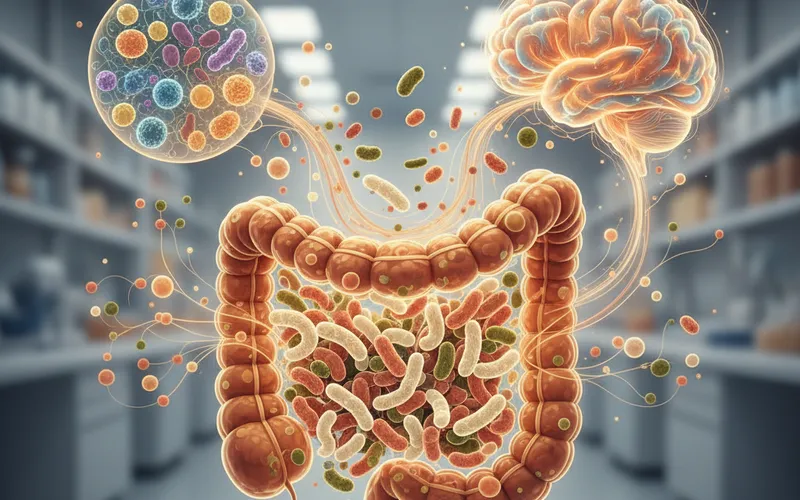
1. Die Studie – Was wurde untersucht und warum betrifft dich das?
Stell dir vor, du könntest als werdende Mutter durch eine einfache Anpassung deiner Ernährung die Darmgesundheit und das Wachstum deines Kindes positiv beeinflussen. Eine faszinierende Vorstellung, oder? Genau dieser Frage sind Forschende der Shanxi Agricultural University in China nachgegangen, wenn auch nicht direkt am Menschen, sondern an Schafen. Ihre aktuelle Studie beleuchtet, wie die Taurin-Zufuhr einer Mutter während der Trächtigkeit die Darmgesundheit ihrer Lämmer beeinflusst.
Die Forschenden um Huo G. und sein Team interessierten sich für Lämmer vor dem Absetzen, die häufig unter Durchfall leiden. Ein gesunder Darm ist für ihr Überleben und ihre Entwicklung entscheidend. Daher war die zentrale Fragestellung: Kann eine Taurin-Ergänzung in der mütterlichen Ernährung während der Trächtigkeit die Darmmikrobiota, die Barrierefunktion des Darms und damit die allgemeine Gesundheit der Lämmer verbessern?
Für ihre Untersuchung haben sie trächtige Mutterschafe in drei Gruppen eingeteilt. Eine Kontrollgruppe erhielt kein zusätzliches Taurin, während die anderen beiden Gruppen entweder 0.1% oder 0.2% Taurin über ihr Futter bekamen. Nach der Geburt wurden dann die Lämmer der verschiedenen Gruppen untersucht. Das Team analysierte die Zusammensetzung der Darmmikrobiota der Lämmer, die Integrität ihrer Darmbarriere, Entzündungsmarker und die Expressionsmuster bestimmter Gene, die für die Darmfunktion wichtig sind.
Die Ergebnisse waren vielversprechend: Bereits 15 Tage nach der Geburt zeigten die Lämmer von Müttern, die Taurin erhalten hatten, ein höheres Körpergewicht. Die mütterliche Taurin-Ergänzung führte zu einer Verschiebung der Darmmikrobiota hin zu vorteilhaften Bakteriengruppen wie
Darüber hinaus zeigte sich eine Verringerung von Entzündungsmarkern wie IL-1β, IL-6 und NF-κB sowie von Malondialdehyd (MDA), einem Marker für oxidativen Stress. Gleichzeitig stiegen die Werte von IL-10 (einem entzündungshemmenden Zytokin), Superoxid-Dismutase (SOD) und Glutathion (GSH) – beides wichtige Antioxidantien. Zusammenfassend lässt sich sagen, dass die mütterliche Taurin-Zufuhr die Darmbarriere der Lämmer vor dem Absetzen verbesserte, die Darmmikrobiota positiv beeinflusste und zu einem erhöhten Körpergewicht beitrug.
Die Forschenden räumen ein, dass die Stichprobengrösse relativ begrenzt war, betonen jedoch, dass die beobachteten Zusammenhänge über verschiedene Analyseebenen hinweg konsistent waren. Sie schlagen weitere Studien mit grösseren Kohorten vor, um diese Ergebnisse zu bestätigen und zu erweitern.
Quelle: Huo G, Liu X, Huo J, Feng J, Zhao X, Li Y, Wang B, Zhao J (2026). Maternal dietary taurine supplementation improves intestinal health of lambs via modulating gut microbiota and barrier function. Front Microbiol, 17. PubMed-ID: 41777538
2. Was heisst das wirklich? – Die kritische Einordnung
Diese Studie liefert spannende Hinweise darauf, wie Nährstoffe während der Schwangerschaft die Entwicklung des Nachwuchses beeinflussen können. Doch was bedeuten die Ergebnisse wirklich, wenn wir sie genauer unter die Lupe nehmen?
Zunächst einmal ist es wichtig zu verstehen, dass diese Studie an Lämmern durchgeführt wurde. Obwohl Tierstudien oft wertvolle Einblicke in biologische Prozesse liefern, lassen sich die Ergebnisse nicht eins zu eins auf den Menschen übertragen. Der Verdauungstrakt von Wiederkäuern wie Schafen unterscheidet sich in vielen Aspekten von dem des Menschen. Dennoch sind die grundlegenden Mechanismen der Darmgesundheit – Mikrobiota, Barrierefunktion, Entzündungsreaktionen – universell und machen die Befunde relevant für die weiterführende Forschung.
Die Forschenden haben eine Reihe von «harten» Endpunkten gemessen, die für die Darmgesundheit von Bedeutung sind: Veränderungen der Darmmikrobiota-Zusammensetzung, morphologische Verbesserungen der Darmzotten, erhöhte Expression von Barriereproteinen und eine Reduktion von Entzündungsmarkern. Dies sind alles konkrete physiologische Veränderungen, die auf eine verbesserte Darmfunktion hindeuten. Der Anstieg des Körpergewichts ist zudem ein klinisch relevanter Parameter, der den Nutzen für die Lämmer unterstreicht.
Ein kritischer Punkt, den die Autoren selbst ansprechen, ist die relativ kleine Stichprobengrösse. Obwohl die Ergebnisse konsistent waren, sind Studien mit mehr Tieren notwendig, um die Robustheit der Befunde zu untermauern. Zudem wurde Taurin in zwei spezifischen Konzentrationen getestet (0.1% und 0.2%). Es bleibt offen, ob geringere oder höhere Dosen ähnliche oder noch stärkere Effekte hätten. Auch die Langzeitwirkungen über das Absetzen hinaus wurden nicht untersucht.
Denkwerkzeug: Wenn du von Tierstudien liest, frage dich immer: Wie ähnlich sind die physiologischen Systeme des Versuchstiers und des Menschen? Welche Ergebnisse könnten übertragbar sein und welche eher nicht?
Die Studie zeigt eindrucksvoll, wie die mütterliche Ernährung einen direkten Einfluss auf die Entwicklung des Nachwuchses hat. Aber ist es nur das Taurin, das hier wirkt, oder spielen auch andere Faktoren eine Rolle, die in der Studie unberücksichtigt blieben?
3. Der Geist im Körper – Die psychophysiologische Perspektive
An dieser Stelle kommt unser psychophysiologisches Modell ins Spiel, auch wenn wir hier über Lämmer sprechen. Bei Tieren ist die Rolle von Stress und emotionalen Zuständen oft schwieriger zu messen als beim Menschen, aber sie ist keineswegs irrelevant. Auch Tiere erleben Stress – sei es durch die Umgebung, soziale Interaktionen oder die Geburt selbst.
In dieser Studie wurde die Taurin-Supplementierung der Muttertiere untersucht. Taurin ist eine Aminosäure, die eine wichtige Rolle bei der Neurotransmission und der Stressregulation spielen kann. Es ist gut denkbar, dass die mütterliche Taurin-Zufuhr nicht nur direkt die physiologischen Prozesse im Darm der Lämmer beeinflusst, sondern auch indirekt über eine verbesserte Stressresilienz der Mutter. Eine weniger gestresste Mutter könnte sich zum Beispiel besser um ihren Nachwuchs kümmern, was wiederum die Entwicklung der Lämmer positiv beeinflussen würde. Weniger mütterlicher Stress könnte auch bedeuten, dass die Lämmer selbst in einer ruhigeren Umgebung aufwachsen, was sich wiederum positiv auf ihre Darmgesundheit auswirken könnte, da Stress bekanntermassen die Darmbarriere beeinträchtigt und die Mikrobiota verschiebt.
Für uns Menschen ist dieser Gedanke noch relevanter. Die Schwangerschaft ist eine Zeit grosser körperlicher und emotionaler Veränderungen. Chronischer Stress, Ängste und negative Erwartungen der werdenden Mutter können sich nachweislich auf die Entwicklung des Kindes auswirken – nicht nur auf psychischer, sondern auch auf physiologischer Ebene. Die Darm-Hirn-Achse spielt hier eine zentrale Rolle. Eine gestresste Mutter kann eine veränderte Darmmikrobiota haben, die wiederum entzündliche Prozesse fördert und sich über die Plazenta auf den Fötus übertragen könnte. Auch die Zusammensetzung der Muttermilch wird durch mütterlichen Stress beeinflusst, was wiederum die Darmentwicklung des gestillten Kindes prägt.
Obwohl die Studie an Lämmern keine psychologischen Faktoren direkt misst, erinnert sie uns daran, dass die Gesundheit der Mutter ein komplexes Zusammenspiel ist, bei dem Nährstoffe, Physiologie und psychische Verfassung untrennbar miteinander verbunden sind. Jede Intervention, die die allgemeine Gesundheit und das Wohlbefinden der Mutter verbessert, könnte potenziell auch positive Auswirkungen auf den Nachwuchs haben, die über die reine Nährstoffwirkung hinausgehen.
4. Der grössere Kontext – Einordnung und Abhängigkeiten
Diese Studie ist ein weiteres Puzzleteil in der wachsenden Erkenntnis, dass die Gesundheit der Mutter während der Schwangerschaft entscheidend für die langfristige Gesundheit des Kindes ist. Das Konzept der «Programmierung» im Mutterleib, auch bekannt als «Developmental Origins of Health and Disease (DOHaD)», besagt, dass Umweltfaktoren und die mütterliche Ernährung während kritischer Entwicklungsphasen im Fötus das Risiko für spätere Krankheiten beeinflussen können.
Die Studie wurde von Forschenden der Shanxi Agricultural University und des Yazhouwan National Laboratory in China durchgeführt. Die Finanzierung erfolgte durch verschiedene chinesische Forschungsprogramme und Stiftungen. Es gibt keine Hinweise auf Interessenkonflikte, die die Glaubwürdigkeit der Ergebnisse beeinträchtigen könnten.
Taurin selbst ist eine semi-essentielle Aminosäure, die in vielen Lebensmitteln, besonders in tierischen Produkten, vorkommt und auch vom Körper selbst gebildet werden kann. Es ist bekannt für seine Rolle bei der Gallensalzbildung, der Modulation der Nervenaktivität, dem antioxidativen Schutz und der Zellstabilisierung. Die Forschung zu Taurin und seiner Wirkung auf die Darmgesundheit, insbesondere im Kontext der mütterlichen Ernährung, ist ein relativ neues, aber vielversprechendes Feld. Andere Studien haben bereits gezeigt, dass Taurin die Darmbarriere stärken und entzündliche Prozesse im Darm reduzieren kann, was diese Ergebnisse stützt.
Was in dieser Studie nicht kontrolliert wurde, sind potenzielle andere Lebensstilfaktoren der Mutterschafe, die ebenfalls die Darmgesundheit der Lämmer beeinflussen könnten, wie zum Beispiel die allgemeine Futterqualität ausserhalb der Taurin-Supplementierung, die Haltungsbedingungen oder potenzielle Stressoren in der Umgebung. Auch die genetische Variabilität der Schafe könnte eine Rolle spielen, auch wenn dies in der Tierzucht oft besser kontrollierbar ist als beim Menschen.
Denkwerkzeug: Wenn du eine einzelne Studie liest, frage dich: Passt dieses Ergebnis zu dem, was ich bereits über das Thema weiss, oder widerspricht es ihm? Ist es ein einzelner Fund, oder wird es durch andere Forschungsergebnisse gestützt?
5. Was heisst das für dich? – Fazit und Alltagsrelevanz
Auch wenn diese Studie an Lämmern durchgeführt wurde, können wir einige wichtige Erkenntnisse für uns mitnehmen, insbesondere wenn es um die Bedeutung der mütterlichen Ernährung für die Entwicklung des Kindes geht:
- Die Ernährung der Mutter ist entscheidend: Die Studie unterstreicht einmal mehr, wie wichtig eine ausgewogene und nährstoffreiche Ernährung während der Schwangerschaft ist. Was die Mutter isst, beeinflusst nicht nur sie selbst, sondern prägt auch die Gesundheit ihres Kindes – möglicherweise bis in den Darm hinein.
- Darmgesundheit beginnt früh: Die frühe Entwicklung des Darms und seiner Mikrobiota ist ein Grundstein für die spätere Gesundheit. Faktoren, die diese Entwicklung positiv beeinflussen, wie Taurin in dieser Studie, könnten langfristige Vorteile für das Immunsystem und die allgemeine Entwicklung haben.
- Taurin als potenzieller Faktor: Obwohl weitere Forschung am Menschen nötig ist, deutet diese Studie darauf hin, dass Taurin eine Rolle bei der Unterstützung der Darmgesundheit von Nachkommen spielen könnte. In Absprache mit Fachpersonen könnte dies ein interessanter Ansatz für zukünftige Ergänzungsstrategien sein.
Was du NICHT daraus schliessen solltest: Diese Studie ist kein Freifahrtschein für die unkontrollierte Einnahme von Taurin-Supplementen während der Schwangerschaft. Jede Ergänzung sollte immer in Absprache mit einer Ärztin oder einem Arzt erfolgen. Die Übertragung von Tierstudien auf den Menschen ist komplex, und die optimale Dosis sowie mögliche Nebenwirkungen beim Menschen sind noch nicht ausreichend erforscht.
Für wen ist das besonders relevant? Für werdende Mütter, die sich bewusst mit ihrer Ernährung auseinandersetzen möchten, und für Fachpersonen im Gesundheitswesen, die Schwangere betreuen. Es ist weniger relevant für Menschen ohne Kinderwunsch oder ausserhalb der Schwangerschaft, auch wenn Taurin auch hier andere positive Effekte haben kann.
Der psychophysiologische Gedanke zum Schluss: Denk daran, dass deine Gesundheit und die deines Kindes nicht nur von einzelnen Nährstoffen abhängt, sondern immer ein ganzheitliches Zusammenspiel ist. Deine mentale Verfassung, dein Stresslevel und deine Überzeugungen spielen eine ebenso grosse Rolle wie das, was du isst. Ein gesunder Geist in einem gesunden Körper – und das beginnt schon vor der Geburt. Sei neugierig, informiere dich und höre auf deinen Körper. Es gibt noch so viel zu entdecken über die faszinierenden Verbindungen zwischen dir und deinem Kind.