Omega-3 aus Hefe: Wie neue Biotechnologie die EPA-Produktion revolutionieren könnte
Stell dir vor, du könntest dein Omega-3 nicht mehr nur aus Fischöl, sondern direkt aus Hefe beziehen. Eine bahnbrechende Studie zeigt, wie Wissenschaftler einen entscheidenden Schritt in diese Richtung gemacht haben. Erfahre, was die Optimierung der EPA-Produktion mittels Hefe für dich bedeuten könnte und welche Rolle deine psychische Verfassung dabei spielt.
1. Die Studie – Was wurde untersucht und warum betrifft dich das?
Du kennst sie sicher: die Empfehlung, regelmässig Omega-3-Fettsäuren zu dir zu nehmen. Besonders die Eicosapentaensäure (EPA) ist für ihre entzündungshemmenden Eigenschaften bekannt und spielt eine wichtige Rolle für Herz-Kreislauf-Gesundheit, Gehirnfunktion und sogar deine Stimmung. Bisher sind fetter Fisch und Algen die Hauptquellen für diese wertvollen Fettsäuren. Doch was, wenn wir EPA auch auf ganz andere Weise, quasi im Labor, produzieren könnten – und das effizienter und nachhaltiger?
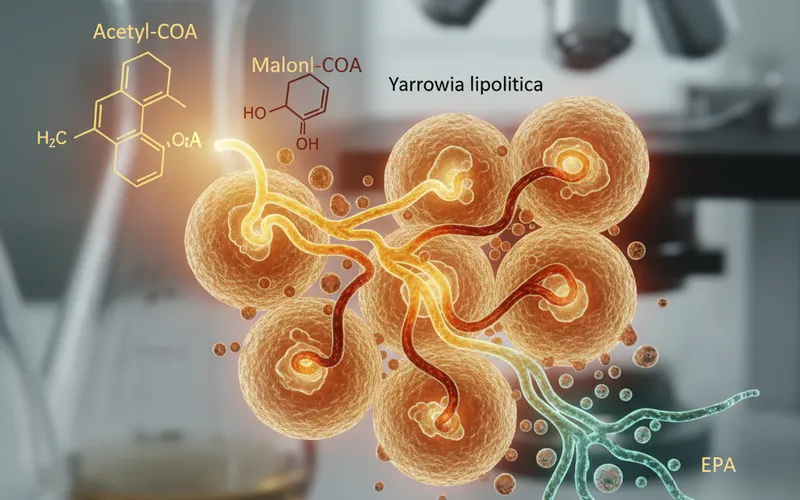
Genau dieser Frage gingen Forschende der Universität des Saarlandes und des Helmholtz Instituts für Pharmazeutische Forschung Saarland nach. Unter der Leitung von H. Qi und C. Wittmann untersuchten sie, wie sich die Produktion von EPA in der Hefe Yarrowia lipolytica optimieren lässt. Diese Hefe ist in der Biotechnologie bereits bekannt für ihre Fähigkeit, Fette zu speichern und zu produzieren. Das Team konzentrierte sich darauf, die Verfügbarkeit von zwei Schlüsselmolekülen – Acetyl-CoA und Malonyl-CoA – zu steuern, die als Bausteine für die EPA-Synthese mithilfe eines Polyketid-Synthase-Enzyms dienen.
Die Wissenschaftler führten genetische Modifikationen an der Hefe durch, um die Stoffwechselwege zu verändern, die für die Bildung dieser Bausteine verantwortlich sind. Sie nutzten anspruchsvolle biotechnologische Methoden, um die Hefe so zu programmieren, dass sie gezielt mehr EPA produziert. Das Studiendesign war darauf ausgelegt, die komplexen Stoffwechselprozesse der Hefe zu verstehen und gezielt zu manipulieren, um die Ausbeute an EPA zu maximieren. Im Fokus stand dabei nicht nur die Gesamtmenge an produzierten Fettsäuren, sondern insbesondere die Selektivität für EPA, also der Anteil von EPA an den gesamten produzierten Omega-3-Fettsäuren. Die Studie wurde in der Fachzeitschrift Microbial Cell Factories publiziert und ist ein vielversprechender Schritt auf dem Weg zu alternativen Omega-3-Quellen.
Die Kernfrage war: Können wir die Hefe so umprogrammieren, dass sie effizient und selektiv EPA herstellt? Und die Ergebnisse waren beeindruckend: Durch die gezielte Steuerung der Acetyl-CoA- und Malonyl-CoA-Verfügbarkeit konnten die Forschenden die EPA-Produktion signifikant steigern und die Selektivität für EPA optimieren. Das bedeutet, sie haben einen Weg gefunden, die Hefe dazu zu bringen, genau die begehrte Omega-3-Fettsäure in grösseren Mengen zu produzieren.
Quelle: Qi H, Ries F, Jovanovic Gasovic S, Dietrich D, Gemperlein K, Müller R, Kohlstedt M, Wittmann C (2026). Acetyl- and malonyl-CoA availability drive EPA selectivity in polyketide synthase-engineered Yarrowia lipolytica. Microbial Cell Factories. PubMed-ID: 41781957
Diese Entdeckung könnte weitreichende Folgen haben, nicht nur für die Industrie, sondern auch für dich persönlich, wenn es um die Versorgung mit wichtigen Nährstoffen geht.
2. Was heisst das wirklich? – Die kritische Einordnung
Diese Studie ist ein spannender Schritt in der Biotechnologie, aber was bedeutet sie wirklich für dich im Alltag? Zunächst einmal ist es wichtig zu verstehen, dass hier Grundlagenforschung betrieben wurde. Die Forschenden haben im Labor gezeigt, dass es prinzipiell möglich ist, die Hefe Yarrowia lipolytica so zu manipulieren, dass sie effizient EPA produziert. Das ist ein Erfolg für die Wissenschaft und öffnet neue Türen für die nachhaltige Produktion von Omega-3-Fettsäuren.
Die Stärke dieser Studie liegt in ihrer methodischen Präzision: Die Forschenden haben gezielt in die Stoffwechselwege der Hefe eingegriffen und deren Auswirkungen auf die EPA-Produktion detailliert analysiert. Sie haben nicht nur die Menge, sondern auch die Selektivität der Produktion optimiert, was für die industrielle Anwendung entscheidend ist. Das Studiendesign war darauf ausgelegt, kausale Zusammenhänge innerhalb der Hefezelle zu identifizieren und zu manipulieren.
Allerdings gibt es auch Grenzen. Dies ist eine in vitro-Studie, also eine Untersuchung, die im Reagenzglas oder unter kontrollierten Laborbedingungen stattfindet. Das bedeutet, die Ergebnisse lassen sich nicht direkt auf den menschlichen Körper oder die komplexe Nahrungsmittelproduktion übertragen. Es ist ein grosser Unterschied, ob eine Hefekultur im Labor optimiert wird oder ob daraus ein marktfähiges Produkt entsteht, das in grossem Massstab produziert und konsumiert werden kann. Ausserdem wurde hier ein Surrogatparameter gemessen – die Menge und Selektivität der EPA-Produktion in der Hefe – und kein harter Endpunkt wie die Verbesserung der menschlichen Gesundheit. Ein vielversprechender Schritt, aber eben nur ein erster.
Für wen gelten die Ergebnisse? Ganz klar: für die Biotechnologie und die Forschungsgemeinschaft, die an der Entwicklung nachhaltiger Nährstoffquellen arbeitet. Für dich als Konsument bedeuten diese Ergebnisse noch nicht, dass morgen EPA-Hefe-Produkte im Supermarktregal stehen werden. Es ist ein Versprechen für die Zukunft, aber noch keine Realität.
Dein Denkwerkzeug: Wenn du von neuen biotechnologischen Durchbrüchen hörst, frag dich immer: Ist das ein Ergebnis aus dem Labor (in vitro) oder wurde es bereits am Menschen (in vivo) getestet? Und wenn am Menschen, unter welchen Bedingungen und mit welchen Endpunkten?
Doch auch wenn diese Studie auf den ersten Blick sehr technisch wirkt, hat sie – wie jede wissenschaftliche Erkenntnis – eine Verbindung zu einem Aspekt, der in der Biotechnologie oft übersehen wird: die psychophysiologische Dimension.
3. Der Geist im Körper – Die psychophysiologische Perspektive
Du fragst dich vielleicht, was eine Studie über Hefemetabolismus mit Psyche und Körper zu tun hat. Auf den ersten Blick wenig, auf den zweiten Blick sehr viel. Das psychophysiologische Interaktionsmodell lehrt uns, dass alles miteinander verbunden ist. Auch wenn diese Studie keine direkten menschlichen Teilnehmer hatte, liefert sie einen wichtigen Baustein für zukünftige Ernährungsstrategien, die wiederum stark von psychophysiologischen Faktoren beeinflusst werden.
Stell dir vor, in Zukunft gäbe es EPA aus Hefe, das in Nahrungsergänzungsmitteln oder Lebensmitteln verwendet wird. Die Wirksamkeit dieser Produkte in deinem Körper wird nicht nur von der reinen Dosis abhängen. Deine Erwartungshaltung, dein Glaube an das Produkt (der sogenannte Placebo-Effekt) und dein allgemeiner mentaler Zustand spielen eine enorme Rolle. Wenn du überzeugt bist, dass ein Supplement dir hilft, kann diese Überzeugung physiologische Veränderungen auslösen, die die tatsächliche Wirkung verstärken – oder im Falle von Skepsis abschwächen (Nocebo-Effekt).
Ein weiterer Aspekt ist die Nachhaltigkeit. Wenn die Produktion von EPA aus Hefe umweltfreundlicher und ethisch unbedenklicher ist als der Fischfang, könnte dies dein Gefühl von Wohlbefinden und deine Motivation, solche Produkte zu konsumieren, positiv beeinflussen. Das Wissen, dass du etwas Gutes für deinen Körper und gleichzeitig für den Planeten tust, kann stressreduzierend wirken und somit indirekt die Aufnahme und Verwertung von Nährstoffen verbessern. Chronischer Stress beispielsweise verändert die Darmflora und die Nährstoffaufnahme, was selbst die beste Nährstoffquelle unwirksam machen kann.
Es ist gut denkbar, dass die Akzeptanz und damit die tatsächliche gesundheitliche Wirkung solcher biotechnologisch hergestellten Produkte stark davon abhängen wird, wie sie kommuniziert werden und wie sie in unser psychologisches Konzept von „gesunder Ernährung“ passen. Ein rein technischer Ansatz, der die menschliche Psyche ausser Acht lässt, könnte selbst die vielversprechendsten Innovationen scheitern lassen.
Diese Studie ist ein Beispiel für den Fortschritt in der Produktion von Nährstoffen. Doch die ultimative Wirkung dieser Nährstoffe in deinem Körper wird immer auch durch das Zusammenspiel von Körper und Geist mitbestimmt.
4. Der grössere Kontext – Einordnung und Abhängigkeiten
Diese Studie reiht sich ein in eine wachsende Bewegung der biotechnologischen Forschung, die darauf abzielt, nachhaltige und alternative Quellen für wichtige Nährstoffe zu erschliessen. Angesichts der Überfischung der Meere und der steigenden Nachfrage nach Omega-3-Fettsäuren ist die Suche nach nicht-tierischen Quellen von grosser Bedeutung. Die Hefe Yarrowia lipolytica ist hierbei ein vielversprechender Kandidat, da sie als „Öl-Hefe“ bekannt ist und bereits in anderen Zusammenhängen für die Produktion von Lipiden eingesetzt wird.
Die Finanzierung dieser Art von Forschung kommt oft von öffentlichen Forschungseinrichtungen, wie hier den beteiligten Universitäten und dem Helmholtz Institut. Es ist jedoch wichtig zu beachten, dass die Autoren ein Patent zu dieser Forschung angemeldet haben, was auf ein kommerzielles Interesse hindeutet. Das ist in der Grundlagenforschung nicht ungewöhnlich und kann sogar ein positiver Indikator für die potenzielle Anwendbarkeit der Ergebnisse sein, da es das Bestreben fördert, die Erkenntnisse aus dem Labor in die Praxis zu überführen. Es ist keine Anklage, sondern eine notwendige Kontextinformation, die Transparenz schafft.
Im Vergleich zu anderen Studien in diesem Feld zeichnet sich diese Arbeit durch einen sehr detaillierten Einblick in die Stoffwechselregulation aus. Viele ähnliche Ansätze versuchen, die Produktion von Omega-3 zu steigern, aber die gezielte Optimierung der Bausteine Acetyl-CoA und Malonyl-CoA ist ein spezifischer und vielversprechender Weg. Diese Studie bestätigt im Wesentlichen, dass genomische und metabolische Modifikationen in Hefe ein mächtiges Werkzeug sind, um die Produktion komplexer Moleküle zu steuern.
Was wurde nicht kontrolliert? Wie bei jeder Laborstudie wurden die Hefekulturen unter idealen, stark kontrollierten Bedingungen gezüchtet. In einer industriellen Grossproduktion können Faktoren wie Verunreinigungen, schwankende Temperaturen, pH-Werte und die Verfügbarkeit von Nährstoffen das Ergebnis beeinflussen. Auch die Langzeitstabilität der genetisch modifizierten Hefe und die Skalierbarkeit des Prozesses sind Fragen, die in dieser Grundlagenstudie noch nicht beantwortet werden konnten.
Dein Denkwerkzeug: Wenn du von neuen Produkten oder Technologien hörst, frag dich: Wer hat ein Interesse daran, dass diese Studie erfolgreich ist oder dass dieses Produkt auf den Markt kommt? Und welche Schritte sind noch notwendig, um von der Laborbank zum fertigen Produkt zu gelangen?
Diese Studie ist ein wichtiges Puzzleteil, aber sie ist bei Weitem nicht das ganze Bild. Sie liefert die Blaupause für eine mögliche Zukunft, aber die Umsetzung ist noch ein langer Weg.
5. Was heisst das für dich? – Fazit und Alltagsrelevanz
Was kannst du aus dieser hochtechnischen Studie für deinen Alltag mitnehmen? Auch wenn EPA aus Hefe noch nicht auf deinem Teller landet, sind die Implikationen dieser Forschung für dich als gesundheitsbewussten Menschen durchaus relevant:
- Erkenntnis 1: Nachhaltige Omega-3-Quellen sind auf dem Vormarsch. Diese Studie zeigt, dass die Wissenschaft mit Hochdruck an alternativen Wegen arbeitet, um wichtige Nährstoffe wie EPA zu produzieren. Das ist gut für die Umwelt und könnte in Zukunft auch zu einer breiteren Verfügbarkeit und vielleicht sogar zu günstigeren Preisen für Omega-3-Produkte führen.
- Erkenntnis 2: Die Biotechnologie bietet spannende Möglichkeiten. Auch wenn „genetisch modifizierte Hefe“ für manche abschreckend klingen mag, ist es wichtig zu verstehen, dass solche Technologien dazu beitragen können, globale Herausforderungen in der Ernährung und Gesundheit zu lösen. Es geht darum, Ressourcen effizienter zu nutzen und Abhängigkeiten zu reduzieren.
- Erkenntnis 3: Deine psychische Einstellung zählt immer. Sollten solche Produkte in Zukunft verfügbar sein, erinnere dich daran, dass die reine Einnahme nicht alles ist. Deine Überzeugungen, dein Stresslevel und dein allgemeines Wohlbefinden werden die Aufnahme und Wirkung dieser Nährstoffe in deinem Körper massgeblich beeinflussen.
Was solltest du NICHT daraus schliessen? Bitte interpretiere diese Studie nicht so, als ob du ab sofort auf Fisch oder Algen als EPA-Quelle verzichten solltest. Diese biotechnologische Entwicklung ist noch in einem frühen Stadium. Es gibt keinen Grund, aufgrund dieser Studie deine aktuellen Ernährungsgewohnheiten zu ändern. Sie ist ein Versprechen für die Zukunft, keine sofortige Handlungsanweisung.
Für wen ist das besonders relevant? Für alle, die sich für nachhaltige Ernährung, innovative Biotechnologie und die Zukunft der Nährstoffversorgung interessieren. Weniger relevant ist es für jene, die eine sofortige Lösung für ihren persönlichen EPA-Bedarf suchen – hier bleiben bewährte Quellen die erste Wahl.
Der psychophysiologische Gedanke zum Schluss: Denk daran, dass dein Körper nicht nur ein biochemisches System ist, das auf Nährstoffe reagiert. Er ist untrennbar mit deinem Geist verbunden. Selbst die fortschrittlichste biotechnologisch hergestellte Omega-3-Fettsäure wird ihre volle Wirkung nur entfalten können, wenn du sie in einem Zustand des Vertrauens, der Ruhe und des allgemeinen Wohlbefindens zu dir nimmst. Dein Wohlbefinden ist das beste Bio-Enhancer, das du hast.
Die Forschung schreitet voran, und es ist faszinierend zu sehen, welche neuen Wege sich auftun. Bleib neugierig, aber auch kritisch – und hör vor allem auf deinen eigenen Körper und Geist.