TMAO und Lebergesundheit bei Fischen: Was die Forschung für dich bedeuten könnte
Eine Studie an Fischen zeigt, wie ein bestimmter Stoff namens TMAO die Lebergesundheit und Darmflora positiv beeinflussen kann. Was bedeutet das für uns Menschen und unser Verständnis von Gesundheit?
1. Die Studie – Was wurde untersucht und warum betrifft dich das?
Stell dir vor, du könntest deine Lebergesundheit verbessern und gleichzeitig deine Widerstandsfähigkeit gegen Krankheiten stärken, indem du einfach einen bestimmten Stoff über die Nahrung aufnimmst. Was für Fische in der Aquakultur vielversprechend klingt, könnte uns auch wichtige Hinweise auf die komplexen Zusammenhänge in unserem eigenen Körper geben. Denn auch wenn wir keine Fische sind, teilen wir doch grundlegende physiologische Mechanismen mit ihnen, besonders wenn es um Stoffwechsel und Darmgesundheit geht.
Genau diese Frage stand im Mittelpunkt einer aktuellen Untersuchung, die ein Team chinesischer Wissenschaftler der Huazhong Agricultural University und der Guangxi Academy of Fishery Sciences durchgeführt hat. Sie wollten herausfinden, wie die Zugabe von Trimethylaminoxid (TMAO) zu einer kohlenhydratreichen Ernährung die Gesundheit von Grossmäuligen Barschen (Micropterus salmoides) beeinflusst. Warum ausgerechnet TMAO? Dieser Stoff ist bekannt dafür, eine Rolle im Stoffwechsel zu spielen und wird oft im Zusammenhang mit Darmmikrobiota diskutiert.
Die Forschenden führten über acht Wochen ein Fütterungsexperiment durch. Eine Gruppe von Barschen erhielt eine kohlenhydratreiche Diät, während zwei weitere Gruppen zusätzlich entweder 0,5% oder 1% TMAO in ihrem Futter bekamen. Nach dieser Fütterungsphase untersuchten die Wissenschaftler verschiedene Parameter wie das Wachstum der Fische, die Struktur und Funktion ihrer Leber, den Leberstoffwechsel (Metabolom), die Zusammensetzung der Darmmikrobiota und sogar die Widerstandsfähigkeit gegen eine bakterielle Infektion.
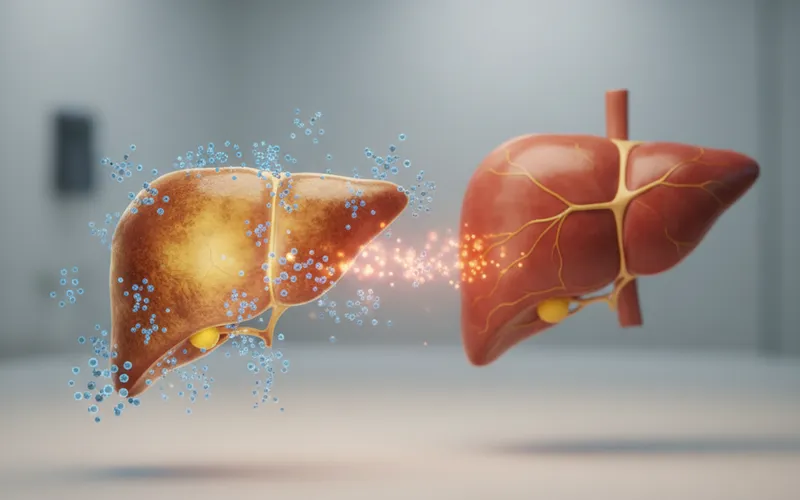
Die Ergebnisse waren bemerkenswert: Fische, die TMAO erhielten, zeigten ein potenziell besseres Wachstum, das sich mit längerer Fütterungsdauer verstärkte. Viel wichtiger aber war der Effekt auf die Leber: Die Leberstruktur und -funktion verbesserten sich signifikant. Es gab weniger Glykogenansammlung in der Leber, was auf einen umprogrammierten Glykogenstoffwechsel hindeutet – bestimmte Gene, die am Glykogenabbau beteiligt sind, waren hochreguliert, während jene der Synthese herunterreguliert waren. Eine detaillierte Analyse des Leberstoffwechsels zeigte zudem eine verstärkte Synthese von langkettigen Fettsäuren und Aminosäuren in der Gruppe mit der höheren TMAO-Dosis (1%). Gleichzeitig sank der Cortisolspiegel, ein wichtiger Stressindikator, was auf eine Dämpfung der Stressreaktion hindeutet.
Auch die Darmmikrobiota veränderte sich positiv: TMAO beeinflusste die Zusammensetzung der Darmflora. Insbesondere nahm die Menge von Romboutsia, einem wichtigen probiotischen Bakterium, das Kohlenhydrate effektiv verwerten kann, mit steigender TMAO-Dosis zu. Zuletzt wurde die Krankheitsresistenz getestet, indem die Fische mit dem Bakterium Nocardia seriolae infiziert wurden. Auch hier zeigte sich ein klarer Vorteil: Die TMAO-Gaben verbesserten die Immunantwort der Fische signifikant, reduzierten Leberentzündungen und erhöhten die Expression von Immunmarkern wie NLRP3, Caspase-1, IL-1β und IL-18.
Diese Ergebnisse legen nahe, dass TMAO das Wachstum von Romboutsia im Darm fördern und den Leberstoffwechsel umprogrammieren könnte, um die Lebergesundheit zu verbessern. Für die Aquakultur bedeutet das: TMAO hat das Potenzial, als Futterzusatzstoff das Wachstum und die Gesundheit von Barschen zu fördern. Für dich als Leser ist es ein faszinierender Einblick, wie eng Darm, Leber und Immunsystem miteinander verbunden sind und wie selbst kleine Modifikationen in der Ernährung grosse Auswirkungen haben können.
Quelle: Tang W, Lei Y, Jiang L, Ren H, Boki S, Du X, Xiong K, Liu S, Yue Y, Wang Q (2026). TMAO Supplementation to High-Carbohydrate Diet Reprogrammed Hepatic Metabolism and Intestinal Microbiota to Improve Liver Health and Disease Resistance of Micropterus salmoides. Microorganisms, 14(2):284. PubMed-ID: 41753571
2. Was heisst das wirklich? – Die kritische Einordnung
Die Studienergebnisse klingen vielversprechend, aber bevor wir nun alle nach TMAO-Supplementen suchen, ist eine kritische Einordnung wichtig. Die Studie wurde an Fischen durchgeführt, genauer gesagt an Grossmäuligen Barschen. Und auch wenn wir viele physiologische Gemeinsamkeiten mit Fischen teilen – schliesslich haben wir beide eine Leber, einen Darm und ein Immunsystem – so sind wir doch keine Fische. Die Übertragbarkeit von Tierstudien auf den Menschen ist immer ein Punkt, den wir sehr vorsichtig betrachten müssen. Was bei einem Fisch funktioniert, muss nicht zwangsläufig auch bei dir funktionieren.
Ein starker Punkt der Studie ist das Studiendesign: Es war ein Fütterungsversuch unter kontrollierten Bedingungen mit einer klaren Intervention und Vergleichsgruppen. Die Forschenden haben viele Parameter gemessen – von Wachstum über Leberhistologie und -metabolismus bis hin zur Darmmikrobiota und Krankheitsresistenz. Die Ergebnisse sind statistisch signifikant, was bedeutet, dass die beobachteten Effekte wahrscheinlich nicht zufällig sind.
Allerdings gibt es auch Grenzen. Es war eine relativ kurze Studie von acht Wochen Dauer. Langzeitwirkungen sind damit noch nicht absehbar. Auch die Dosierung von 0.5% und 1% TMAO im Futter ist spezifisch für Fische und ihre Ernährung. Ob und in welcher Menge TMAO für den Menschen sinnvoll oder gar sicher wäre, ist damit keineswegs geklärt. Zudem wurde die Studie in einem aquakulturellen Kontext durchgeführt, wo es um die Optimierung von Wachstumsraten und Krankheitsresistenz unter bestimmten Bedingungen geht. Das ist ein anderer Fokus als die menschliche Gesundheitsprävention.
Denkwerkzeug: Wenn du eine neue Studie siehst, die an Tieren durchgeführt wurde, frage dich: «Wie ähnlich ist dieses Tier meinem eigenen Körper und Lebensstil? Welche grundlegenden Prozesse sind vergleichbar, welche könnten sich stark unterscheiden?»
3. Der Geist im Körper – Die psychophysiologische Perspektive
Die Studie zeigt eindrucksvoll, wie Ernährung, Darmmikrobiota und Leberstoffwechsel bei Fischen interagieren. Doch selbst bei Fischen, die in relativ kontrollierten Umgebungen leben, gibt es einen Faktor, der oft unterschätzt wird: die psychophysiologische Komponente. Auch wenn Fische keine komplexen Gedanken wie wir haben, reagieren sie auf Stress. Die Studie erwähnt sogar, dass TMAO zu einem verminderten Cortisolspiegel führte, was auf eine Abschwächung der Stressreaktion hindeutet.
Übertragen auf uns Menschen wird dieser Aspekt noch viel relevanter. Wenn du beispielsweise ein Nahrungsergänzungsmittel einnimmst, um deine Leber zu unterstützen, spielen nicht nur die Inhaltsstoffe eine Rolle. Auch deine Erwartung, dass es wirkt (Placebo-Effekt), oder dein Stresslevel können die physiologischen Reaktionen deines Körpers beeinflussen. Ein entspannter Geist, der an die Wirksamkeit einer Massnahme glaubt, kann die körpereigene Heilungsfähigkeit deutlich stärker aktivieren als ein gestresster Geist, der zweifelt.
Gerade bei der Lebergesundheit wissen wir, dass chronischer Stress tiefgreifende Auswirkungen haben kann. Cortisol, das Stresshormon, beeinflusst den Stoffwechsel, kann Entzündungen fördern und die Leberfunktion beeinträchtigen. Wenn TMAO – wie bei den Fischen beobachtet – tatsächlich die Stressreaktion dämpfen könnte, wäre das ein psychophysiologischer Effekt von grosser Bedeutung, der weit über die rein biochemischen Wirkungen hinausgeht.
Aus psychophysiologischer Sicht ist es gut denkbar, dass TMAO nicht nur direkt auf Leberzellen oder Darmbakterien wirkt, sondern indirekt auch über die Reduktion von Stress. Ein weniger gestresster Organismus ist resilienter, hat eine effektivere Immunantwort und einen gesünderen Stoffwechsel. Die verbesserte Krankheitsresistenz bei den Fischen könnte also nicht nur eine direkte Folge der TMAO-Wirkung auf Immunzellen sein, sondern auch eine indirekte Folge der gemilderten Stressantwort.
4. Der grössere Kontext – Einordnung und Abhängigkeiten
Diese Studie ist ein kleines, aber interessantes Puzzleteil in der grossen Forschungslandschaft um TMAO. TMAO ist ein Molekül, das in vielen Meeresfrüchten vorkommt und auch im menschlichen Körper von Darmbakterien aus Cholin und Carnitin gebildet werden kann. Interessanterweise wurde TMAO in der Vergangenheit auch kontrovers diskutiert, da hohe Spiegel im Blut mit einem erhöhten Risiko für Herz-Kreislauf-Erkrankungen in Verbindung gebracht wurden. Diese Studie hier zeigt jedoch eine potenziell positive Rolle im Kontext von Leber- und Darmgesundheit bei Fischen.
Die Finanzierung der Studie erfolgte durch chinesische Ministerien und Stiftungen, was im Kontext der Aquakultur-Forschung üblich ist. Die Autoren deklarieren keine Interessenkonflikte, was die Glaubwürdigkeit der Ergebnisse stärkt. Es ist wichtig zu verstehen, dass die Forschung zu TMAO komplex und vielschichtig ist. Es gibt nicht die eine einfache Wahrheit. Die Wirkung von TMAO scheint stark vom Kontext abzuhängen – von der Dosis, der individuellen Darmmikrobiota, der Ernährung und der Spezies.
Was in dieser Studie nicht kontrolliert wurde, sind die komplexen Interaktionen mit anderen Nährstoffen in einer typischen menschlichen Ernährung oder mit verschiedenen Medikamenten, die ein Mensch möglicherweise einnimmt. Auch die genaue Zusammensetzung der Darmmikrobiota, die TMAO bei uns Menschen produziert, variiert stark von Person zu Person. Diese Studie konzentrierte sich auf die Zugabe von TMAO zur Nahrung, nicht auf die endogene Produktion im Körper. Es ist ein Hinweis darauf, dass TMAO möglicherweise eine schützende Rolle spielen kann, aber es ist noch ein weiter Weg, bis wir verstehen, wie dies beim Menschen relevant sein könnte.
Denkwerkzeug: Wenn du von einer Studie hörst, die ein bestimmtes Molekül positiv oder negativ bewertet, frage dich: «Gibt es andere Studien, die gegenteilige Ergebnisse zeigen? In welchem Kontext wurde die Forschung durchgeführt und wie passt das zu meinem eigenen Verständnis des Themas?»
5. Was heisst das für dich? – Fazit und Alltagsrelevanz
Was können wir aus einer Fischstudie über TMAO für unser eigenes Leben mitnehmen? Direkt ableiten solltest du daraus noch nichts Konkretes für deine Ernährung oder Supplementierung. Eine Studie an Fischen ist noch keine Empfehlung für den Menschen. Aber sie liefert wertvolle Denkanstösse und unterstreicht einige grundlegende Prinzipien der Gesundheit:
- Die Leber ist ein zentrales Organ: Die Studie zeigt einmal mehr, wie wichtig eine gesunde Leber für den gesamten Organismus ist – von der Stoffwechselregulation bis zur Immunabwehr. Pfleg deine Leber, indem du deinen Körper nicht übermässig belastest und auf eine ausgewogene Ernährung achtest.
- Die Darmmikrobiota ist entscheidend: Die positive Beeinflussung der Darmbakterien, insbesondere von Romboutsia, durch TMAO unterstreicht die enorme Bedeutung einer gesunden Darmflora. Eine vielfältige, ballaststoffreiche Ernährung ist der beste Weg, um deine Darmbewohner zu unterstützen.
- Stressmanagement ist Lebermanagement: Der beobachtete Rückgang des Stresshormons Cortisol bei den Fischen ist ein starkes Argument dafür, wie eng psychischer Stress und körperliche Gesundheit, insbesondere die Leberfunktion, miteinander verknüpft sind. Techniken zur Stressreduktion wie Achtsamkeit, Bewegung oder ausreichend Schlaf können deine Leber indirekt schützen.
Was solltest du NICHT daraus schliessen? Bitte beginne jetzt nicht unkontrolliert, TMAO-Supplemente einzunehmen. Die Forschung zu TMAO beim Menschen ist noch im Gange und die Ergebnisse sind, wie erwähnt, teils widersprüchlich. Was bei Fischen in einer bestimmten Dosis positive Effekte hat, könnte beim Menschen anders wirken oder unerwünschte Nebenwirkungen haben. Beobachte die weitere Forschung, aber sei vorsichtig mit Selbstmedikation.
Diese Studie ist besonders relevant für Menschen, die sich für die komplexen Wechselwirkungen zwischen Ernährung, Darmgesundheit und Stoffwechsel interessieren. Sie zeigt uns erneut, dass Gesundheit immer ein Zusammenspiel von Körper und Geist ist. Dein Körper reagiert nicht nur auf das, was du isst oder wie du dich bewegst – sondern auch auf das, was du denkst und fühlst. Die Leber ist ein Organ, das stark auf beides reagiert. Bleib neugierig, informier dich kritisch und hör auf deinen eigenen Körper. Die Wissenschaft liefert uns immer wieder neue Puzzleteile – deine Aufgabe ist es, sie in dein Gesamtbild deiner Gesundheit einzuordnen.