Wie Nährstoffe die Schulleistung beeinflussen können – Eine systematische Analyse aus Subsahara-Afrika
Eine neue systematische Übersichtsarbeit untersucht den Zusammenhang zwischen Nährstoffversorgung und schulischen Leistungen bei Kindern in Subsahara-Afrika. Erfahre, welche Mikronährstoffe entscheidend sind und warum die psychophysiologische Perspektive dabei nicht fehlen darf.
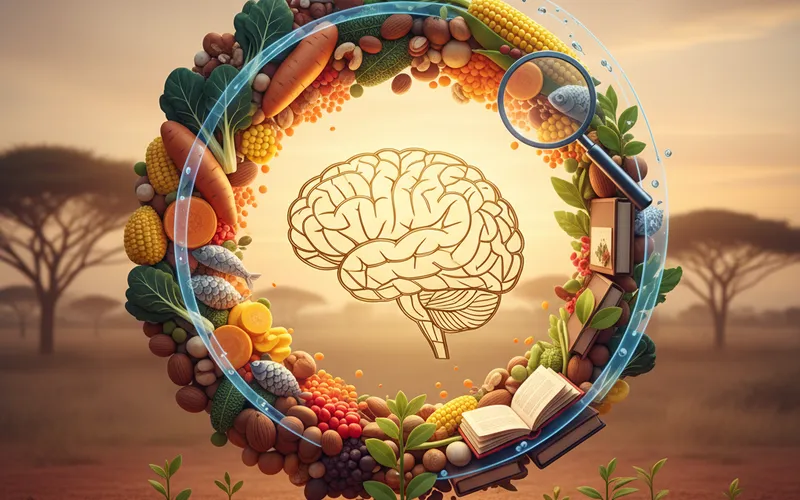
Die Studie – Was wurde untersucht und warum betrifft dich das?
Stell dir vor, du sitzt in der Schule, der Lehrer erklärt etwas Wichtiges, aber deine Gedanken schweifen ab. Du kannst dich kaum konzentrieren, fühlst dich müde, obwohl du genug geschlafen hast. Für viele Kinder in Subsahara-Afrika ist das keine Seltenheit, und die Ursachen sind oft tiefgreifender als nur mangelnde Motivation. Eine kürzlich erschienene systematische Übersichtsarbeit beleuchtet einen fundamentalen Faktor, der oft übersehen wird: die Ernährung und ihre direkte Auswirkung auf die kognitive Entwicklung und Schulleistung.
Forschende um Tia A. von der Université Nangui ABROGOUA in Côte d'Ivoire haben sich genau dieser Frage gewidmet. Sie wollten herausfinden, welche Rolle die Nährstoffaufnahme für die kognitiven Fähigkeiten und den schulischen Erfolg von Kindern im schulpflichtigen Alter in Subsahara-Afrika spielt. Der Hintergrund ist klar: Während es viele Studien aus westlichen Ländern gibt, die diesen Zusammenhang belegen, fehlte bisher eine umfassende Analyse für diese spezifische Region, die mit besonderen Herausforderungen in der Nährstoffversorgung kämpft.
Die Forschenden führten eine systematische Suche in mehreren wissenschaftlichen Datenbanken durch (Web of Science, HINARI, ScienceDirect, PsycINFO, PubMed und Google Scholar), um relevante Publikationen zu identifizieren, die zwischen Januar und Juni 2023 veröffentlicht wurden. Ihr Ziel war es, sowohl den Zusammenhang zwischen Nährstoffen und Kognition/Schulleistung zu untersuchen als auch geeignete Messinstrumente für zukünftige Forschung in diesem Bereich zu identifizieren.
Insgesamt wurden 31 Publikationen in diese Übersichtsarbeit eingeschlossen. Davon analysierten 11 Studien direkt den Zusammenhang zwischen Nährstoffen und Kognition oder akademischer Leistung. Die Daten wurden manuell von unabhängigen Gutachtern extrahiert und ausgewertet. Die Ergebnisse zeigten, dass nahrungsbasierte Interventionsstrategien, wie die Anreicherung von Lebensmitteln (Fortifikation), im Allgemeinen effektiver waren als die reine Supplementierung mit Multimikronährstoffen. Spezifische Mikronährstoffe wie Eisen, Zink, Jod, Riboflavin (Vitamin B2), Vitamin B6, Folsäure und Vitamin B12 zeigten positive Zusammenhänge mit der Kognition. Für Vitamin A, Vitamin D und Omega-3-Fettsäuren waren die Ergebnisse hingegen weniger eindeutig. Auffällig war, dass die meisten Studien sich auf Mikronährstoffe konzentrierten und der Einfluss anderer Nährstoffgruppen, wie komplexer Lipide, kaum untersucht wurde. Als vielversprechendes Instrument zur Messung der Kognition in dieser Population wurde der Raven's Coloured Progressive Matrices (RCPM) Test identifiziert, während schulische Noten zur Bewertung der akademischen Leistung herangezogen wurden.
Zusammenfassend lässt sich sagen, dass kognitive und akademische Leistungen bei Schulkindern in Subsahara-Afrika mit spezifischen Mikronährstoffen in Verbindung stehen könnten. Diese Erkenntnisse sind von grosser Bedeutung, da sie aufzeigen, dass gezielte Ernährungsinterventionen das Potenzial haben, die Entwicklung und Zukunftschancen dieser Kinder massgeblich zu verbessern.
Quelle: Tia A, Hauser J, Konan AG, Nindjin C (2026). Systematic Review of Nutrients' Impact on Cognition and School Performance in School-Aged Children in Sub-Saharan Africa. Nutr Rev, nuag014. PubMed-ID: 41824300
Was heisst das wirklich? – Die kritische Einordnung
Die Studie liefert wichtige Hinweise, doch wie bei jeder wissenschaftlichen Arbeit ist es entscheidend, die Ergebnisse richtig einzuordnen. Für dich als Leserin oder Leser, der vielleicht in einer ganz anderen Lebenswelt lebt, ist es wichtig zu verstehen, was diese Erkenntnisse für deine eigene Gesundheit bedeuten können und wo die Grenzen der Übertragbarkeit liegen.
Zunächst ist es bemerkenswert, dass die Studie eine systematische Übersichtsarbeit ist. Das bedeutet, sie fasst die Ergebnisse vieler Einzelstudien zusammen und bietet eine höhere Evidenzstufe als eine einzelne Untersuchung. Das ist ein grosser Pluspunkt. Die Forschenden haben sich auch auf eine Region konzentriert, in der Mangelernährung ein verbreitetes Problem ist, was die Relevanz der Ergebnisse für diese Bevölkerungsgruppe unterstreicht.
Die positiven Zusammenhänge zwischen bestimmten Mikronährstoffen und der Kognition sind plausibel. Eisenmangel führt beispielsweise zu Anämie, die die Sauerstoffversorgung des Gehirns beeinträchtigt und Müdigkeit sowie Konzentrationsschwierigkeiten verursacht. Jod ist essenziell für die Schilddrüsenfunktion, die wiederum eine zentrale Rolle in der Gehirnentwicklung spielt. Die B-Vitamine sind wichtig für den Energiestoffwechsel und die Neurotransmitterproduktion. Diese Zusammenhänge sind in der Wissenschaft gut etabliert.
Ein wichtiger Punkt ist jedoch der Unterschied zwischen «statistisch signifikant» und «klinisch bedeutsam». Auch wenn ein Nährstoffmangel statistisch mit schlechteren kognitiven Leistungen korreliert, bedeutet das nicht zwangsläufig, dass eine Supplementierung bei jedem Kind eine drastische Verbesserung bewirkt. Insbesondere bei Kindern, die bereits ausreichend versorgt sind, wird eine zusätzliche Zufuhr kaum einen Effekt haben. Die Studie konzentriert sich auf eine Population mit hohem Risiko für Mangelernährung, wo Interventionen naturgemäss eine grössere Wirkung zeigen können.
Die Ergebnisse zeigen auch, dass Fortifikation (Anreicherung von Grundnahrungsmitteln) oft effektiver war als die Supplementierung mit einzelnen Multimikronährstoffen. Das ist ein wichtiger Hinweis. Es deutet darauf hin, dass die Integration von Nährstoffen in die alltägliche Nahrungskette nachhaltiger und ganzheitlicher wirken kann als punktuelle Gaben. Es ist auch ein Beispiel dafür, dass die Gesamtheit der Ernährung und nicht nur einzelne Nährstoffe zählt.
Was wurde wirklich gemessen? Die Studie betrachtete Kognition und akademische Leistung. Kognition wurde oft mit dem Raven's Coloured Progressive Matrices (RCPM) Test gemessen, der als valida Methode gilt. Akademische Leistung wurde durch Schulnoten erfasst. Während Schulnoten ein praktischer Indikator sind, können sie natürlich auch durch viele andere Faktoren jenseits der reinen kognitiven Fähigkeit beeinflusst werden (z.B. Unterrichtsqualität, soziale Umgebung, Motivation). Die Messgrössen sind also sinnvoll, aber nicht perfekt.
Für wen gelten die Ergebnisse? Die Studie konzentrierte sich explizit auf Kinder im schulpflichtigen Alter in Subsahara-Afrika. Das ist eine Population, die oft mit Unterernährung und spezifischen Nährstoffmängeln zu kämpfen hat. Wenn du in einem Umfeld lebst, in dem eine ausgewogene Ernährung mit frischen Lebensmitteln selbstverständlich ist, sind die direkten Schlussfolgerungen für dich möglicherweise weniger dramatisch. Es ist unwahrscheinlich, dass du signifikante kognitive Einbussen durch einen Mangel an diesen spezifischen Mikronährstoffen erleidest, wenn deine Ernährung ausgewogen ist.
Denkwerkzeug: Frage dich: «Lebe ich in einem Umfeld oder habe ich eine Lebensweise, die mich für die hier identifizierten Nährstoffmängel prädisponieren könnte?» Sei ehrlich zu dir selbst – wann hast du das letzte Mal bewusst auf deine Mikronährstoffzufuhr geachtet?
Der Geist im Körper – Die psychophysiologische Perspektive
Hier kommen wir zum Kern dessen, was auf der Plattform von Jürg Hösli so wichtig ist: die untrennbare Verbindung von Psyche und Körper. Auch wenn diese Studie primär physiologische Aspekte der Ernährung beleuchtet, wäre es fahrlässig, die psychophysiologische Dimension zu ignorieren – selbst in einem Kontext, in dem Mangelernährung so offensichtlich ist.
Stell dir vor, ein Kind leidet unter Eisenmangel. Es ist müde, unkonzentriert. Aber das ist nur die physiologische Seite. Wie fühlt sich dieses Kind? Frustriert? Entmutigt? Vielleicht entwickelt es ein negatives Selbstbild, weil es in der Schule nicht mithalten kann. Die chronische Müdigkeit und die daraus resultierenden Misserfolge können zu Stress führen, zu einem Gefühl der Hilflosigkeit und geringer Selbstwirksamkeit. Dieser psychische Stress wiederum kann die Nährstoffaufnahme und den Stoffwechsel weiter beeinträchtigen.
Ein Kind, das sich gut ernährt fühlt, weil es an einem Fortifikationsprogramm teilnimmt, könnte allein durch diese positive Erwartungshaltung und das Gefühl der Fürsorge schon bessere Leistungen zeigen (ein Hawthorne-Effekt im besten Sinne). Es ist gut denkbar, dass das Wissen, dass man nun „gesünder“ isst, das Selbstvertrauen stärkt und die Motivation zum Lernen erhöht. Dies wiederum kann die kognitive Leistung indirekt beeinflussen, da ein motivierter Geist aufmerksamer und lernbereiter ist.
Umgekehrt kann chronischer Stress, der in vielen schwierigen Lebensumständen in Subsahara-Afrika vorherrscht, die Aufnahme und Verwertung von Nährstoffen negativ beeinflussen. Stresshormone wie Cortisol können den Stoffwechsel verändern, Entzündungsprozesse fördern und die Darmgesundheit beeinträchtigen, was wiederum die Mikronährstoffaufnahme erschwert. Ein Teufelskreis entsteht: Mangelernährung führt zu körperlichem Stress, der körperliche Stress zu psychischem Stress, und dieser psychische Stress verstärkt die physiologischen Probleme.
Die Studie erwähnt, dass der Einfluss von komplexen Lipiden (Fetten) kaum untersucht wurde. Aber gerade Omega-3-Fettsäuren sind nicht nur für die Gehirnstruktur wichtig, sondern auch für die Regulierung von Entzündungen und die Stresstoleranz. Ein Mangel hier könnte die psychische Widerstandsfähigkeit der Kinder beeinträchtigen und sie anfälliger für die negativen Auswirkungen von Stress machen, was sich wiederum auf ihre schulische Leistung auswirkt. Die psychophysiologische Linse zeigt uns, dass selbst die scheinbar rein körperlichen Effekte von Nährstoffen immer in einem grösseren System aus Körper, Geist und Umgebung eingebettet sind.
Der grössere Kontext – Einordnung und Abhängigkeiten
Diese Studie ist ein wichtiges Puzzleteil in einem globalen Bild der Gesundheits- und Entwicklungsforschung. Sie bestätigt und erweitert bestehende Erkenntnisse über die Bedeutung von Mikronährstoffen für die kognitive Entwicklung, insbesondere in vulnerablen Populationen. Sie ist kein Ausreisser, sondern fügt sich nahtlos in die wachsende Evidenzbasis ein, die zeigt, dass Ernährung nicht nur den Körper, sondern auch den Geist nährt.
Was die Finanzierung angeht, ist es interessant zu sehen, dass einer der Co-Autoren (Hauser J) vom Nestlé Institute of Health Sciences, Nestlé Research in Lausanne kommt. Dies ist eine Kontextinformation, kein automatischer Vorwurf. Unternehmen, die im Ernährungssektor tätig sind, haben ein natürliches Interesse an Forschung in diesem Bereich. Solange die Methodik transparent ist und Peer-Review-Standards eingehalten werden, kann dies wertvolle Beiträge zur Wissenschaft liefern. Die Studie selbst ist eine systematische Übersicht, die auf bereits publizierten Arbeiten basiert, was das Risiko einer direkten Beeinflussung der Primärdaten mindert.
Ein wichtiger Aspekt, der in dieser Art von Studien oft nicht umfassend kontrolliert werden kann, sind andere Lebensstilfaktoren. Kinder in Subsahara-Afrika sind oft vielfältigen Belastungen ausgesetzt: Armut, fehlender Zugang zu Bildung, schlechte sanitäre Bedingungen, Krankheiten und traumatische Erlebnisse. All diese Faktoren können die kognitive Entwicklung und Schulleistung massgeblich beeinflussen, unabhängig von der Nährstoffzufuhr. Auch wenn Studien versuchen, diese Faktoren zu berücksichtigen, ist es fast unmöglich, alle Wechselwirkungen vollständig zu erfassen.
Die Studie hebt hervor, dass der Einfluss von komplexen Lipiden (Fetten) und anderen Nährstoffgruppen noch unzureichend erforscht ist. Dies zeigt, dass unser Verständnis der Ernährungswissenschaft noch immer im Fluss ist und ein holistischer Blick auf die Nahrung als Ganzes, nicht nur auf einzelne Nährstoffe, essenziell ist. Die Forschung sollte sich nicht nur auf die Behebung von Mängeln konzentrieren, sondern auch auf die Optimierung der gesamten Nährstoffzufuhr.
Denkwerkzeug: Frage dich: «Wenn ich eine Empfehlung aus dieser Studie für mich selbst ableiten würde, welche anderen Aspekte meines Lebensstils (abgesehen von der Ernährung) könnten das Ergebnis meiner Bemühungen beeinflussen?» Denke an Schlaf, Stressmanagement, Bewegung und soziale Kontakte.
Was heisst das für dich? – Fazit und Alltagsrelevanz
Auch wenn diese Studie ihren Fokus auf Kinder in Subsahara-Afrika legt, kannst du wichtige Erkenntnisse für dein eigenes Leben daraus ziehen. Es geht darum, die Prinzipien zu verstehen und auf deine individuelle Situation zu übertragen.
- Die Basis muss stimmen: Eine ausgewogene Versorgung mit Mikronährstoffen ist fundamental für deine kognitive Leistungsfähigkeit und dein allgemeines Wohlbefinden. Auch wenn du nicht unter extremer Mangelernährung leidest, können suboptimale Mikronährstoffspiegel deine Konzentration, Stimmung und Energie beeinflussen. Achte auf eine vielfältige Ernährung mit viel frischem Obst, Gemüse, Vollkornprodukten, Hülsenfrüchten und hochwertigen Proteinen.
- Höre auf deinen Körper: Wenn du dich oft müde, unkonzentriert oder energielos fühlst, könnte das ein Hinweis auf einen Nährstoffmangel sein. Eine gezielte Diagnostik, zum Beispiel durch Bluttests, kann Aufschluss geben, ob du von einer gezielten Supplementierung profitieren könntest. Aber Vorsicht: Eine Supplementierung sollte immer auf Basis einer Diagnose und nicht blind erfolgen.
- Die Psyche zählt mit: Der psychophysiologische Aspekt ist entscheidend. Selbst die beste Ernährung kann ihre volle Wirkung nicht entfalten, wenn du chronischem Stress ausgesetzt bist, schlecht schläfst oder dich mental überfordert fühlst. Dein Körper reagiert auf deine Gedanken und Gefühle. Eine entspannte, positive Grundhaltung kann die Aufnahme und Verwertung von Nährstoffen verbessern und die Gehirnfunktion optimieren.
Was solltest du NICHT daraus schliessen? Diese Studie ist kein Aufruf, blind zu Multivitaminpräparaten zu greifen oder zu glauben, dass ein einzelnes Supplement all deine Probleme lösen wird. Insbesondere wenn du bereits gut ernährt bist, ist die zusätzliche Einnahme von Mikronährstoffen oft unnötig und kann im schlimmsten Fall sogar schädlich sein. Eine gute Ernährung ist immer die erste Wahl. Eine einzelne Studie, selbst eine systematische Übersicht, ist ein Puzzleteil, kein vollständiges Bild.
Für wen ist das besonders relevant? Diese Erkenntnisse sind besonders relevant für Menschen, die sich oft müde, unkonzentriert oder antriebslos fühlen und bei denen andere Ursachen bereits ausgeschlossen wurden. Auch für Eltern, die die Entwicklung ihrer Kinder optimal unterstützen möchten, ist der Zusammenhang zwischen Ernährung und kognitiver Leistung ein wichtiger Gedanke.
Dein Körper ist ein komplexes System, das nicht nur auf das reagiert, was du isst, sondern auch darauf, wie du denkst und fühlst. Die optimale Balance zwischen Nährstoffzufuhr und psychischer Verfassung ist der Schlüssel zu Leistungsfähigkeit und Wohlbefinden. Achte auf beides, höre auf die Signale deines Körpers und sei neugierig, was dich wirklich nährt – körperlich und geistig.
Welche Fragen bleiben offen? Wie genau interagieren Stress, Schlaf und die Mikronährstoffaufnahme bei Kindern in unterschiedlichen sozioökonomischen Kontexten? Und welche Rolle spielen die Darmmikrobiota bei all dem? Die Forschung geht weiter, und es bleibt spannend, welche neuen Erkenntnisse uns erwarten.
Bleib neugierig, bleib dran und kümmere dich um deinen Körper und deinen Geist – sie sind untrennbar miteinander verbunden.