Omega-3 gegen Gefässentzündung nach Lungenentzündung: Eine neue Forschungsstrategie
Kann eine Omega-3-Fettsäure das Herzinfarktrisiko nach einer Lungenentzündung senken? Eine kanadische Studie untersucht, wie Entzündungen im Körper mit Herz-Kreislauf-Erkrankungen zusammenhängen und welche Rolle Icosapent-Ethyl dabei spielen könnte.
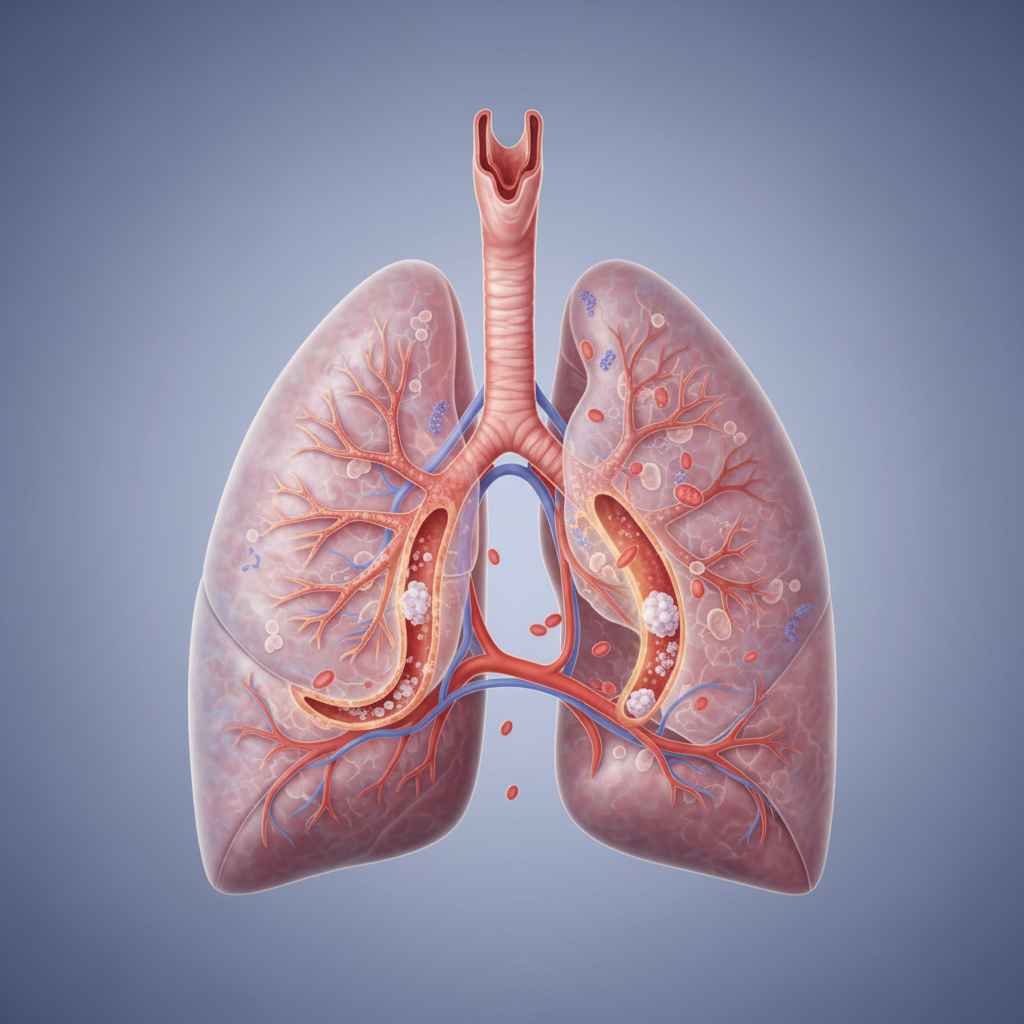
Die Studie – Was wurde untersucht und warum betrifft dich das?
Stell dir vor, du hast eine Lungenentzündung überstanden, und dein Körper erholt sich langsam. Was viele nicht wissen: Selbst nach der Genesung kann das Risiko für Herz-Kreislauf-Ereignisse wie Herzinfarkt oder Schlaganfall erhöht bleiben. Das liegt oft an einer noch schwelenden Entzündung im Körper, die sich nicht vollständig zurückgebildet hat. Genau hier setzt eine spannende kanadische Forschungsinitiative an, die das Potenzial einer speziellen Omega-3-Fettsäure untersuchen möchte, um dieses Risiko zu mindern.
Die TIN-CAP-Studie (Targeting Vascular Inflammation In Patients with Community-Acquired Pneumonia), deren Protokoll kürzlich im renommierten Fachjournal BMJ Open veröffentlicht wurde, widmet sich der Frage, wie man diese Gefässentzündungen gezielt angehen kann. Geleitet von einem Team um C. Stotts und K.E. Boczar vom University of Ottawa Heart Institute, in Zusammenarbeit mit Forschenden aus ganz Kanada, soll diese multizentrische, randomisierte, doppelblinde und placebokontrollierte Studie die Wirksamkeit von Icosapent-Ethyl (IPE) untersuchen. IPE ist eine hochreine Form der Omega-3-Fettsäure Eicosapentaensäure (EPA), die bereits für ihre entzündungshemmenden und kardioprotektiven Eigenschaften bekannt ist.
Die zentrale Fragestellung der TIN-CAP-Studie ist, ob IPE die Gefässentzündung bei Patienten mit ambulant erworbener Lungenentzündung (CAP) reduzieren und somit das langfristige Risiko für Herz-Kreislauf-Komplikationen verringern kann. Der Hintergrund: Entzündungen spielen eine Schlüsselrolle bei der Entwicklung von Arteriosklerose und den daraus resultierenden Herz-Kreislauf-Erkrankungen. Patienten, die eine schwere Entzündung wie eine Lungenentzündung durchgemacht haben, weisen oft eine erhöhte systemische Entzündung auf, die auch nach der akuten Phase bestehen bleibt und das Herz-Kreislauf-System belastet.
Das Studiendesign ist robust: Es handelt sich um eine randomisierte, doppelblinde und placebokontrollierte Studie. Das bedeutet, die Teilnehmer werden zufällig einer Behandlungsgruppe (IPE) oder einer Placebogruppe zugeteilt, und weder die Patienten noch das Behandlungsteam wissen, wer welche Substanz erhält. Dies minimiert Verzerrungen und erhöht die Aussagekraft der Ergebnisse. Die Studie plant die Rekrutierung von 300 Patienten, die wegen einer ambulant erworbenen Lungenentzündung ins Spital eingeliefert wurden und mindestens 50 Jahre alt sind oder zusätzliche Risikofaktoren für Herz-Kreislauf-Erkrankungen aufweisen. Primärer Endpunkt ist die Veränderung der Gefässentzündung, gemessen mittels PET-CT-Scans, sowie die Konzentration von Biomarkern im Blut, die auf Entzündung und Gefässschädigung hinweisen. Die Studie wird über einen Zeitraum von 24 Wochen durchgeführt.
Quelle: Stotts C, Corrales-Medina VF, deKemp RA, et al. (2026). Targeting Vascular Inflammation In Patients with Community-Acquired Pneumonia (TIN-CAP): protocol for a multicentre, randomised, double-blind, placebo-controlled trial. BMJ Open, 16(3):e114239. PubMed-ID: 41781043
Diese Studie verspricht wichtige Einblicke, wie wir mit den Spätfolgen von Infektionen umgehen und Herz-Kreislauf-Erkrankungen vorbeugen können. Doch was bedeuten diese Ergebnisse wirklich, wenn sie vorliegen?
Was heisst das wirklich? – Die kritische Einordnung
Diese Protokollstudie legt den Grundstein für eine vielversprechende Untersuchung. Der Ansatz, Gefässentzündungen nach einer Lungenentzündung gezielt zu behandeln, ist innovativ und könnte tatsächlich einen neuen Weg zur Prävention von Herz-Kreislauf-Ereignissen aufzeigen. Die Stärken des Studiendesigns – randomisiert, doppelblind, placebokontrolliert – sind bemerkenswert und unerlässlich für qualitativ hochwertige Forschung. Die geplante Stichprobengrösse von 300 Patienten ist für eine Phase-II-Studie solide, um erste Hinweise auf die Wirksamkeit zu erhalten.
Allerdings ist es wichtig zu verstehen, dass dies ein Studienprotokoll ist. Die eigentlichen Ergebnisse liegen noch nicht vor. Was wir hier sehen, ist der Plan einer Studie, nicht deren Resultat. Selbst wenn die Studie erfolgreich verläuft und Icosapent-Ethyl die Gefässentzündung statistisch signifikant reduziert, müssen wir genau hinschauen, was das für dich persönlich bedeutet. Statistik spricht in Durchschnittswerten, aber du bist kein Durchschnitt. Eine «statistisch signifikante» Reduktion eines Biomarkers muss nicht zwingend eine «klinisch bedeutsame» Verbesserung deiner Gesundheit oder eine Reduktion deines persönlichen Herzinfarktrisikos bedeuten. Es ist ein erster Schritt, der weitere, grössere Studien rechtfertigen würde, um harte Endpunkte wie tatsächliche Herzinfarkte oder Schlaganfälle zu untersuchen.
Ein weiterer Punkt ist die Messung von Surrogatparametern wie PET-CT-Scans und Entzündungsmarkern. Diese sind wichtige Indikatoren für Entzündungen, aber sie sind keine direkten Messungen von Herz-Kreislauf-Ereignissen. Ein verbesserter PET-Scan ist ein starker Hinweis darauf, dass etwas Gutes passiert, aber es ist noch kein Beweis für eine direkte Reduktion von Herzinfarkten. Das ist ein übliches Vorgehen in der Forschung, da das Messen von klinischen Ereignissen sehr viel länger dauert und extrem grosse Patientenzahlen erfordert.
Ein Denkwerkzeug für dich: Wenn die Studie ihre Ergebnisse präsentiert, frage dich: Wurde hier ein Laborwert verbessert, oder wurde tatsächlich ein klinisches Ereignis wie ein Herzinfarkt verhindert? Und war die Verbesserung so gross, dass sie für mich persönlich einen Unterschied machen würde? Dieser Unterschied zwischen statistischer Signifikanz und klinischer Relevanz ist entscheidend für deine Einschätzung.
Der Geist im Körper – Die psychophysiologische Perspektive
Dieser Ansatz, Entzündungen mit Omega-3 zu bekämpfen, ist faszinierend, doch er ignoriert oft einen zentralen Aspekt: die untrennbare Verbindung von Psyche und Körper. Das psychophysiologische Interaktionsmodell lehrt uns, dass unser innerer Zustand – unsere Emotionen, unser Stresslevel, unsere Überzeugungen – einen massiven Einfluss auf unsere Physiologie hat, einschliesslich Entzündungsprozessen.
Chronischer Stress ist beispielsweise ein bekannter Treiber systemischer Entzündungen. Patienten, die eine Lungenentzündung durchmachen, erleben oft nicht nur körperlichen, sondern auch erheblichen emotionalen Stress: Angst um die Gesundheit, Sorge um die Genesung, die Belastung durch Spitalaufenthalte. Es ist gut denkbar, dass dieser psychische Stress nach der akuten Infektion die systemische Entzündung aufrechterhält oder sogar verstärkt. In der TIN-CAP-Studie wird der Fokus rein auf die pharmakologische Wirkung von IPE gelegt. Was aber, wenn ein Teil der anhaltenden Entzündung durch psychische Faktoren bedingt ist, die durch IPE nicht direkt adressiert werden?
Zudem spielen Erwartungshaltungen eine Rolle. Die Teilnehmer wissen, dass sie entweder ein Medikament oder ein Placebo erhalten. Allein die Erwartung, eine wirksame Substanz zu erhalten, kann über den Placebo-Effekt die physiologischen Reaktionen beeinflussen. Dies gilt nicht nur für die subjektive Wahrnehmung von Symptomen, sondern auch für objektive Biomarker und Entzündungsprozesse. Eine unterstützende Umgebung, das Gefühl, gut versorgt zu sein, und die Hoffnung auf Besserung könnten unabhängig von der verabreichten Substanz einen positiven Einfluss auf die Entzündungsreaktion haben.
Es ist nicht ausgeschlossen, dass ein Patient, der nach einer Lungenentzündung auch psychologisch gut betreut wird – beispielsweise durch Stressmanagement-Techniken, Entspannungsübungen oder psychologische Unterstützung – ebenfalls eine schnellere und vollständigere Reduktion der Entzündung erfahren würde, möglicherweise sogar synergistisch mit einer medikamentösen Therapie. Diese Aspekte werden in einer rein pharmakologisch orientierten Studie naturgemäss nicht erfasst, sind aber für das ganzheitliche Verständnis von Gesundheit und Genesung von grosser Bedeutung.
Der grössere Kontext – Einordnung und Abhängigkeiten
Die TIN-CAP-Studie ist ein wichtiger Baustein in der Erforschung der Schnittstelle zwischen Infektionskrankheiten und Herz-Kreislauf-Gesundheit. Es ist seit Längerem bekannt, dass Infektionen wie Lungenentzündungen das Risiko für Herz-Kreislauf-Erkrankungen erhöhen können. Diese Studie versucht, einen möglichen Mechanismus – die Gefässentzündung – gezielt therapeutisch zu beeinflussen.
Die Finanzierung dieser Art von Forschung ist oft komplex. Obwohl im Protokoll keine direkten Interessenkonflikte im Zusammenhang mit der Medikamentenherstellung genannt werden, ist es immer sinnvoll, die Quelle der Finanzierung zu prüfen. Solche Studien werden häufig von öffentlichen Forschungsgeldern oder auch von Pharmaunternehmen unterstützt, die ein Interesse an neuen Anwendungsgebieten für ihre Produkte haben. Dies ist per se nicht negativ, sollte aber transparent gemacht werden, um eine unabhängige Bewertung zu ermöglichen.
Diese Studie ist ein Puzzleteil in einem grösseren Bild der Entzündungsforschung und der Rolle von Omega-3-Fettsäuren. Icosapent-Ethyl (IPE) ist bereits unter dem Handelsnamen Vascepa als Medikament zugelassen, um das Risiko von Herz-Kreislauf-Ereignissen bei Patienten mit erhöhten Triglyceridwerten zu senken, die bereits eine Herz-Kreislauf-Erkrankung haben oder Diabetes und weitere Risikofaktoren aufweisen. Die TIN-CAP-Studie erweitert den Forschungsbereich auf eine neue Indikation: die Prävention nach akuter Infektion. Bestätigt sie die Hypothese, würde dies die bestehenden Erkenntnisse über die entzündungshemmende Wirkung von IPE untermauern und einen neuen Anwendungsbereich eröffnen.
Was in dieser Studie nicht kontrolliert wird, sind andere wichtige Lebensstilfaktoren, die ebenfalls die Entzündungsreaktion beeinflussen könnten: Ernährungsgewohnheiten ausserhalb der IPE-Gabe, das Ausmass körperlicher Aktivität, Schlafgewohnheiten oder das Management von Stress im Alltag der Patienten. All diese Faktoren spielen eine Rolle bei der systemischen Entzündung und könnten die Ergebnisse der Studie beeinflussen, auch wenn sie im Studiendesign nicht direkt erfasst werden können.
Dein Denkwerkzeug: Überlege dir, ob eine einzelne Studie, selbst wenn sie positiv ausfällt, ausreicht, um eine weitreichende Veränderung in der medizinischen Praxis zu rechtfertigen, oder ob es weitere Forschung braucht, die diese Ergebnisse bestätigt und in einen breiteren Kontext setzt.
Was heisst das für dich? – Fazit und Alltagsrelevanz
Was kannst du aus diesem Studienprotokoll mitnehmen? Nun, zunächst einmal die Erkenntnis, dass die Forschung ständig neue Wege sucht, um Herz-Kreislauf-Erkrankungen vorzubeugen, insbesondere nach belastenden Ereignissen wie einer Lungenentzündung. Es ist ein vielversprechender Ansatz, die anhaltende Entzündung nach einer Infektion gezielt zu behandeln.
Was du mitnehmen kannst:
- Entzündung als Risikofaktor ernst nehmen: Diese Studie unterstreicht die Bedeutung von Entzündungsprozessen für die langfristige Herz-Kreislauf-Gesundheit. Auch nach einer scheinbar überstandenen Infektion kann eine «schwelende» Entzündung im Körper das Risiko für ernste Komplikationen erhöhen.
- Omega-3-Fettsäuren im Blick behalten: Icosapent-Ethyl (EPA) wird auf seine entzündungshemmende Wirkung hin untersucht. Auch wenn wir auf die Ergebnisse warten müssen, ist die allgemeine Botschaft, dass eine ausreichende Zufuhr von Omega-3-Fettsäuren (z.B. aus fettem Fisch wie Lachs oder hochwertigen Supplementen) für viele Menschen vorteilhaft sein kann, um Entzündungen zu modulieren.
- Ganzheitliche Genesung fördern: Auch wenn die Studie sich auf ein Medikament konzentriert, erinnere dich daran, dass deine psychische Verfassung und dein Lebensstil einen wesentlichen Einfluss auf deine Genesung und dein Entzündungslevel haben. Achte also nicht nur auf deine körperliche, sondern auch auf deine mentale Erholung nach einer Krankheit.
Was du NICHT daraus schliessen solltest:
- Keine Selbstmedikation: Die Studie ist noch nicht abgeschlossen, und Icosapent-Ethyl ist ein verschreibungspflichtiges Medikament. Beginne nicht auf eigene Faust mit hochdosierten Omega-3-Präparaten, insbesondere nicht nach einer schweren Erkrankung. Sprich immer mit deinem Arzt oder Apotheker.
- Keine Panik nach Lungenentzündung: Eine Lungenentzündung ist ernst, aber nicht jeder Patient entwickelt Herz-Kreislauf-Komplikationen. Diese Studie untersucht eine Risikogruppe. Die Kenntnis dieser Zusammenhänge soll dir helfen, proaktiv mit deiner Gesundheit umzugehen, nicht dich zu verunsichern.
Für wen ist das besonders relevant? Für Menschen, die eine Lungenentzündung durchgemacht haben, insbesondere wenn sie bereits Risikofaktoren für Herz-Kreislauf-Erkrankungen aufweisen. Für alle anderen ist es eine Erinnerung daran, wie eng Körper und Geist miteinander verbunden sind und wie wichtig ein ganzheitlicher Blick auf die Gesundheit ist. Dein Körper reagiert nicht nur auf das, was du einnimmst, sondern auch auf das, was du denkst, fühlst und wie du lebst. Die Forschung mag sich auf Moleküle konzentrieren, aber deine Gesundheit ist immer mehr als die Summe ihrer Teile.
Welche Fragen bleiben offen? Es bleibt abzuwarten, ob die Ergebnisse der TIN-CAP-Studie die vielversprechenden Hypothesen bestätigen und ob Icosapent-Ethyl tatsächlich einen neuen, effektiven Weg zur Prävention von Herz-Kreislauf-Erkrankungen nach Lungenentzündungen aufzeigt. Die Wissenschaft geht ihren Weg, Schritt für Schritt, und liefert uns immer wieder neue Einblicke, wie wir unsere Gesundheit besser verstehen und schützen können.
Bleib neugierig, bleib dran an deiner Gesundheit – mit Kopf und Herz.