Ernährung bei Kopf-Hals-Krebs: Was die neuen ASPEN-Leitlinien für dich bedeuten
Kopf-Hals-Krebs zählt zu den häufigsten Krebserkrankungen weltweit. Die Behandlung ist oft herausfordernd und kann die Nahrungsaufnahme massiv beeinträchtigen. Neue Leitlinien der American Society for Parenteral and Enteral Nutrition (ASPEN) bieten nun umfassende Empfehlungen zur Ernährungsversorgung. Erfahre, warum eine gute Ernährung hier so entscheidend ist und welche Rolle deine psychische Verfassung dabei spielt.
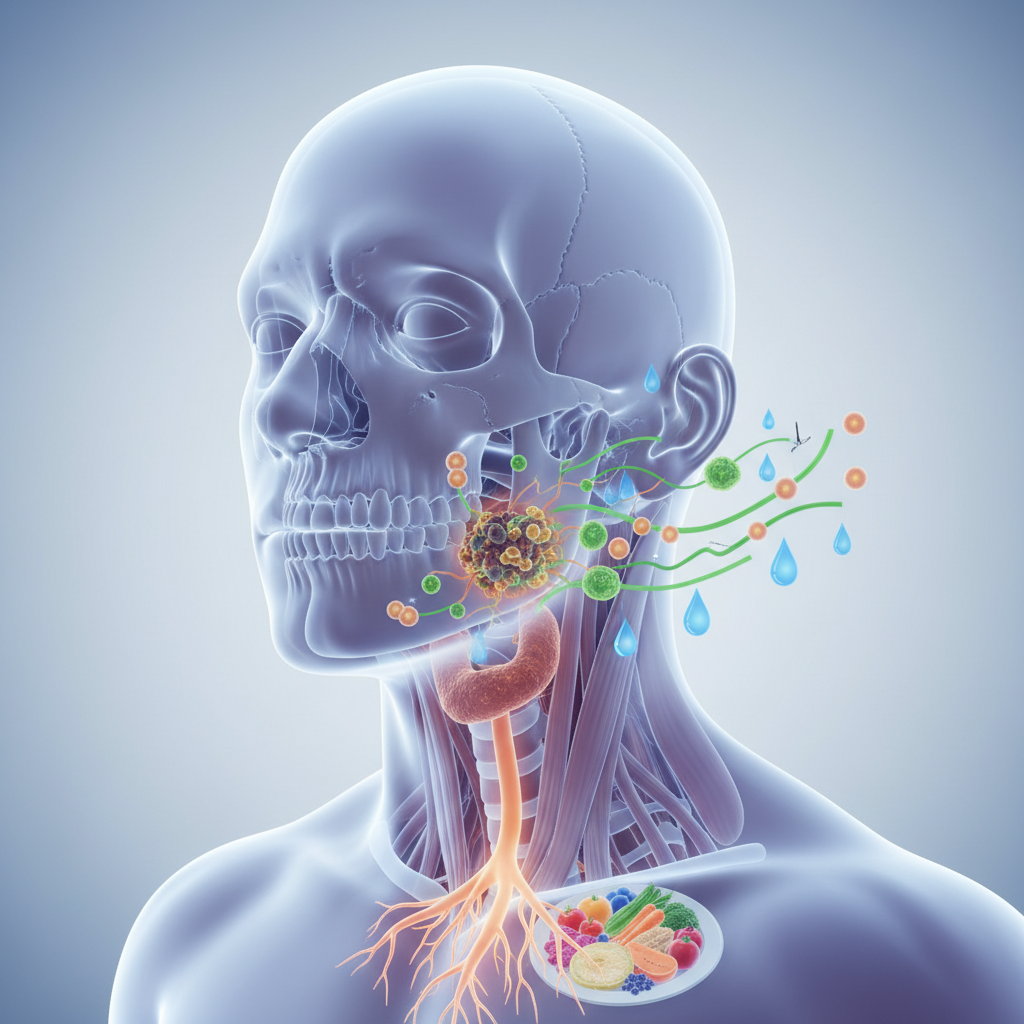
Die Studie – Was wurde untersucht und warum betrifft dich das?
Stell dir vor, Essen, Trinken und sogar Sprechen werden zu einer schmerzhaften Herausforderung. Genau das erleben viele Menschen, die an Kopf-Hals-Krebs erkrankt sind. Diese Krebsart, die weltweit die siebthäufigste Diagnose ist, betrifft Mundhöhle, Rachen, Kehlkopf und Speiseröhre. Die Behandlungen – oft eine Kombination aus Operation, Bestrahlung und Chemotherapie – sind lebensrettend, können aber auch gravierende Nebenwirkungen haben, die das Schlucken, Kauen und die allgemeine Nahrungsaufnahme massiv erschweren. Das führt nicht selten zu Mangelernährung und Muskelabbau, was wiederum die Prognose verschlechtert und die Lebensqualität stark einschränkt.
In dieser anspruchsvollen Situation ist eine gezielte Ernährungsunterstützung nicht nur wichtig, sondern oft entscheidend für den Behandlungserfolg und das Wohlbefinden der Betroffenen. Genau hier setzen die neuen Leitlinien der American Society for Parenteral and Enteral Nutrition (ASPEN) an. Ein interdisziplinäres Team von Expertinnen und Experten hat sich zusammengefunden, um umfassende und praxisorientierte Empfehlungen für die Ernährungsversorgung von Erwachsenen mit Kopf-Hals-Krebs zu entwickeln.
Die zentrale Fragestellung war: Wie kann sichergestellt werden, dass Patientinnen und Patienten mit Kopf-Hals-Krebs trotz ihrer Erkrankung und Therapie ausreichend mit Nährstoffen versorgt werden, um Mangelernährung und Muskelabbau vorzubeugen und die Behandlungsergebnisse zu verbessern? Die Leitlinien basieren auf einer systematischen Überprüfung der aktuellen wissenschaftlichen Literatur und decken verschiedene Aspekte der Ernährungsintervention ab, von der Bedarfsermittlung über die Wahl der Ernährungsform (oral, enteral über Sonde, parenteral über Infusion) bis hin zu spezifischen Nährstoffempfehlungen. Die Autoren betonen die Notwendigkeit eines frühen und proaktiven Ernährungsmanagements.
Die Studiengruppe bestand aus einem breiten Spektrum von Fachleuten, darunter Ernährungswissenschaftler, Ärzte, Apotheker und Pflegefachkräfte aus verschiedenen Institutionen und Ländern, was die Interdisziplinarität und den umfassenden Ansatz der Leitlinien unterstreicht.
Quelle: Kiss N, Findlay M, Frowen J, Lewis WE, Mills J, Singh AK, Church DD, Mey JT, Peterson S, Aguzzi K, Bellini S, Coelho MPV, Cordwin L, Duffy M, Hager S, Mundi MS, Owen-Michaane M, Price K, Stanner H, Storm B, Udagedara M, McKeever L (2026). Guidelines for nutrition in adults with head and neck cancer: The American Society for Parenteral and Enteral Nutrition. JPEN. Journal of parenteral and enteral nutrition. PubMed-ID: 41773753
Was heisst das wirklich? – Die kritische Einordnung
Diese ASPEN-Leitlinien sind ein wichtiger Meilenstein für die Ernährungsversorgung bei Kopf-Hals-Krebs. Sie fassen den aktuellen Wissensstand zusammen und bieten eine fundierte Orientierung für medizinisches Fachpersonal. Doch was bedeuten sie für dich als Betroffenen oder Angehörigen?
Du bist kein Durchschnitt: Leitlinien geben Empfehlungen für eine grosse Patientengruppe. Das ist wichtig, um eine Basisversorgung sicherzustellen. Aber dein Körper, deine Bedürfnisse und deine Reaktion auf die Therapie sind einzigartig. Eine Empfehlung, die für den Durchschnittspatienten sinnvoll ist, muss für dich nicht die optimale Lösung sein. Es ist entscheidend, dass die Leitlinien als Ausgangspunkt für eine individualisierte Ernährungsplanung dienen und nicht als starres Dogma. Statistisch signifikante Vorteile auf Gruppenebene bedeuten nicht immer, dass jeder Einzelne den gleichen Benefit erfährt.
Was wurde wirklich gemessen? Leitlinien stützen sich oft auf Studien, die Surrogatparameter wie Gewichtsverlust oder Laborwerte untersuchen. Diese sind wichtig, geben aber nur indirekt Aufschluss über die tatsächliche Lebensqualität oder das Langzeitüberleben. Eine Verbesserung eines Biomarkers ist zwar positiv, aber noch kein Beweis dafür, dass es dir als Patientin oder Patient auch tatsächlich besser geht. Die Leitlinien selbst sind ein Konsenspapier und keine primäre Forschungsstudie, daher liegt ihr Wert in der Zusammenfassung und Bewertung bestehender Evidenz.
Methodische Stärken und Grenzen: Die Stärke dieser Leitlinien liegt in ihrem interdisziplinären Ansatz und der systematischen Aufarbeitung der Literatur. Sie bieten eine umfassende Übersicht über verschiedene Aspekte der Ernährungsintervention. Eine inhärente Grenze von Leitlinien ist jedoch, dass sie auf der Qualität der vorhandenen Studien basieren. Wenn die Studienlage zu bestimmten Fragen noch dünn ist, können Empfehlungen nur mit geringerer Evidenz ausgesprochen werden. Zudem können sie nicht alle individuellen Gegebenheiten abbilden.
Für wen gelten die Ergebnisse? Die Leitlinien richten sich an erwachsene Patientinnen und Patienten mit Kopf-Hals-Krebs. Die Empfehlungen sind breit gefächert und sollen für eine Vielzahl von klinischen Szenarien anwendbar sein. Wenn du jedoch zusätzliche Erkrankungen hast oder dich in einer sehr spezifischen Therapiesituation befindest, kann es sein, dass die Empfehlungen angepasst werden müssen.
Denkwerkzeug: Frage dich: Welche der empfohlenen Massnahmen passen zu meiner aktuellen Lebenssituation, meinen Vorlieben und meiner individuellen Krankheitsphase?
Der Geist im Körper – Die psychophysiologische Perspektive
Hier kommen wir zu einem Aspekt, der in vielen medizinischen Leitlinien oft zu kurz kommt, aber gerade bei Krebserkrankungen von immenser Bedeutung ist: die untrennbare Verbindung zwischen Psyche und Körper. Bei Kopf-Hals-Krebs ist diese Interaktion besonders relevant, da die Erkrankung und ihre Behandlung nicht nur physisch, sondern auch psychisch extrem belastend sind.
- Stress und Appetit: Chronischer Stress, Angst vor der Diagnose, der Therapie und den Nebenwirkungen beeinflusst massiv das Appetitempfinden und die Verdauung. Stresshormone können den Stoffwechsel verändern, Übelkeit verstärken oder den Geschmackssinn beeinträchtigen – alles Faktoren, die eine ausreichende Nahrungsaufnahme zusätzlich erschweren.
- Erwartungshaltung und Placebo/Nocebo: Die Überzeugung, dass eine bestimmte Ernährungsstrategie hilft, kann einen messbaren positiven Effekt haben (Placebo-Effekt). Umgekehrt können negative Erwartungen (Nocebo-Effekt) Nebenwirkungen verstärken oder die Akzeptanz von Nahrung reduzieren. Wenn du beispielsweise eine Sondenernährung als «Versagen» oder «letzte Massnahme» empfindest, wird die psychische Belastung dadurch verstärkt und kann die physiologische Reaktion auf die Ernährung negativ beeinflussen.
- Motivation und Selbstwirksamkeit: Die Fähigkeit, aktiv an der eigenen Genesung mitzuwirken, ist ein starker Motivator. Wenn Patientinnen und Patienten das Gefühl haben, durch die Ernährung selbst etwas zur Verbesserung beitragen zu können, stärkt das ihre Selbstwirksamkeit und kann die Adhärenz zu den Ernährungsrichtlinien deutlich erhöhen. Ein proaktives Ernährungsmanagement, das die Patientin oder den Patienten in die Entscheidungsfindung einbezieht, ist daher nicht nur medizinisch, sondern auch psychologisch sinnvoll.
- Soziale und emotionale Aspekte des Essens: Essen ist weit mehr als nur Nährstoffzufuhr. Es ist Genuss, soziale Interaktion, Trost und ein Stück Normalität. Wenn diese Aspekte durch die Krankheit und Therapie wegfallen, führt das oft zu Isolation, Traurigkeit und einem weiteren Verlust an Lebensqualität. Diese emotionalen und sozialen Faktoren beeinflussen die Bereitschaft und Fähigkeit zu essen massgeblich und sollten in der Ernährungsberatung unbedingt berücksichtigt werden.
Es ist gut denkbar, dass die psychische Verfassung eines Patienten einen erheblichen Einfluss auf die Wirksamkeit der Ernährungsinterventionen hat. Eine Ernährungsstrategie, die nicht die Ängste, Vorlieben und emotionalen Bedürfnisse berücksichtigt, wird weniger erfolgreich sein, selbst wenn sie auf dem Papier optimal ist. Die psychologische Unterstützung, die Stärkung der Resilienz und das Management von Stress sind daher integraler Bestandteil einer ganzheitlichen Ernährungsstrategie bei Kopf-Hals-Krebs.
Der grössere Kontext – Einordnung und Abhängigkeiten
Diese ASPEN-Leitlinien repräsentieren den aktuellen Konsens einer wichtigen Fachgesellschaft und sind ein wertvolles Instrument für die klinische Praxis. Aber wie ordnen sie sich in das Gesamtbild ein?
Wer steht dahinter? Die ASPEN ist eine renommierte Organisation, die sich der Verbesserung der Ernährungsversorgung widmet. Die Autorenliste zeigt eine breite interdisziplinäre Beteiligung, was die Qualität der Leitlinien unterstreicht. Es ist wichtig zu erwähnen, dass einige Autoren Verbindungen zur pharmazeutischen Industrie haben (z.B. Bristol Myers Squibb). Während dies per se kein Interessenkonflikt sein muss, der die Qualität der Empfehlungen mindert, ist es wichtig, dies als Kontextinformation zu kennen. Die Transparenz über mögliche Interessenkonflikte ist in der wissenschaftlichen Welt ein Standard, um die Objektivität der Empfehlungen zu gewährleisten. In diesem Fall scheint die breite Verankerung in verschiedenen akademischen und klinischen Einrichtungen eine ausgewogene Perspektive zu sichern.
Wo steht diese Studie in der Forschungslandschaft? Diese Leitlinien bestätigen im Wesentlichen bestehende Erkenntnisse über die Bedeutung der Ernährung bei Krebs und fassen sie in einem kohärenten Rahmen zusammen. Sie dienen als Update und Verfeinerung früherer Empfehlungen und integrieren neuere Forschungsergebnisse. Eine einzelne Studie oder Leitlinie ist nie die ganze Wahrheit, sondern ein Puzzleteil in einem kontinuierlich wachsenden Wissensgebäude. Sie bietet eine solide Basis, aber die Forschung geht weiter, und zukünftige Erkenntnisse können zu weiteren Anpassungen führen.
Was wurde nicht kontrolliert? Leitlinien können nicht alle individuellen Lebensstilfaktoren oder Komorbiditäten berücksichtigen. Faktoren wie der soziale Rückhalt, der sozioökonomische Status, die persönliche Kultur und die Vorlieben für bestimmte Lebensmittel spielen eine grosse Rolle bei der Akzeptanz und Umsetzung von Ernährungsstrategien. Diese Aspekte sind schwer zu standardisieren und in klinischen Studien zu kontrollieren, beeinflussen aber massgeblich den Erfolg einer Ernährungsintervention im realen Leben.
Denkwerkzeug: Überlege dir: Gibt es Aspekte meiner persönlichen Situation (z.B. finanzielle Möglichkeiten, kulturelle Ernährungsgewohnheiten, Unterstützung im Umfeld), die die Umsetzung dieser Empfehlungen erschweren könnten, und wie kann ich diese Hürden überwinden?
Was heisst das für dich? – Fazit und Alltagsrelevanz
Die neuen ASPEN-Leitlinien sind ein wertvolles Dokument, das die Bedeutung der Ernährung bei Kopf-Hals-Krebs untermauert. Doch was sind die konkreten Take-aways für dich?
1. Proaktives Ernährungsmanagement ist entscheidend: Warte nicht, bis du untergewichtig bist oder starke Mangelerscheinungen hast. Sprich frühzeitig mit deinem Behandlungsteam über deine Ernährung. Eine frühzeitige Ernährungsberatung und -intervention kann den Verlauf der Krankheit und die Lebensqualität positiv beeinflussen. Frage aktiv nach einer Ernährungsfachperson, die dich durch die Therapie begleitet.
2. Individualität vor Standardisierung: Während Leitlinien wichtige Orientierung bieten, ist deine individuelle Situation einzigartig. Was du essen kannst, was dir schmeckt und was dein Körper verträgt, kann sich täglich ändern. Eine gute Ernährungsberatung berücksichtigt deine persönlichen Vorlieben, kulturellen Hintergründe und die spezifischen Herausforderungen deiner Therapie. Scheue dich nicht, deine Bedürfnisse klar zu kommunizieren.
3. Die Psyche spielt eine zentrale Rolle: Deine emotionaler Zustand hat einen direkten Einfluss auf deine Fähigkeit zu essen und Nährstoffe aufzunehmen. Stressmanagement, psychologische Unterstützung und die Pflege sozialer Kontakte sind keine Luxusgüter, sondern integrale Bestandteile einer erfolgreichen Ernährungsstrategie. Versuche, kleine Momente des Genusses und der Normalität rund ums Essen zu bewahren, auch wenn es schwierig ist.
Was du NICHT daraus schliessen solltest: Die Leitlinien sind keine Patentlösung, die alle Probleme löst. Sie ersetzen nicht das Gespräch mit deinem Arzt oder deiner Ernährungsfachperson. Auch solltest du nicht den Eindruck gewinnen, dass jede Abweichung von den Empfehlungen ein «Fehler» ist. Dein Körper und deine Psyche sind während einer Krebstherapie unter enormem Druck. Sei nachsichtig mit dir selbst und feiere jeden kleinen Erfolg in der Nahrungsaufnahme.
Für wen ist das besonders relevant? Diese Leitlinien sind besonders wichtig für Patientinnen und Patienten, bei denen eine Kopf-Hals-Krebs-Diagnose gestellt wurde oder die sich in Behandlung befinden. Auch für Angehörige, die die Ernährungsversorgung unterstützen, bieten sie wertvolle Anhaltspunkte. Für Menschen ohne diese Diagnose sind die spezifischen Empfehlungen weniger relevant, aber die Botschaft der psychophysiologischen Interaktion ist universell: Dein Körper reagiert nicht nur auf das, was du isst, sondern auch auf das, was du denkst und fühlst.
Welche Fragen bleiben offen? Wie können wir die psychologische und soziale Unterstützung noch besser in die Ernährungsberatung integrieren? Wie können wir sicherstellen, dass die Empfehlungen auch in weniger entwickelten Gesundheitssystemen umgesetzt werden können? Und wie können wir die Prävention von Mangelernährung noch früher ansetzen?
Die Erkenntnis, dass dein Wohlbefinden ein komplexes Zusammenspiel aus körperlicher Versorgung und seelischer Stärke ist, kann dir helfen, diesen schwierigen Weg mit mehr Zuversicht zu gehen. Kümmere dich um deinen Körper – und vergiss dabei nie deinen Geist.
_Wissenschaftliche Quelle
JPEN. Journal of parenteral and enteral nutrition