Hefe als Omega-3-Fabrik: Der Weg zu nachhaltigen EPA-Fettsäuren
Eine aktuelle Studie erforscht, wie Hefe so modifiziert werden kann, dass sie wertvolle Omega-3-Fettsäuren wie EPA produziert. Erfahre, was das für die Zukunft unserer Ernährung und die Rolle deiner eigenen Biologie bedeuten könnte.
Die Studie – Was wurde untersucht und warum betrifft dich das?
Stell dir vor, ein kleines, unscheinbares Lebewesen könnte uns helfen, unsere Ernährung nachhaltiger zu gestalten und gleichzeitig wichtige Nährstoffe zu liefern, die unser Körper dringend braucht. Genau das ist die Vision hinter einer faszinierenden Forschungsarbeit, die sich mit der Optimierung der Produktion von Omega-3-Fettsäuren befasst. Vielleicht hast du schon einmal über die Bedeutung von Omega-3-Fettsäuren, insbesondere Eicosapentaensäure (EPA), für deine Gesundheit gelesen oder gehört. Sie sind bekannt für ihre Rolle bei der Herzgesundheit, der Entzündungsregulation und sogar der Gehirnfunktion. Traditionell gewinnen wir EPA hauptsächlich aus fettem Fisch oder Algen – Quellen, die entweder begrenzt sind oder spezielle Anbauverfahren erfordern.
Eine Gruppe von Forschenden unter der Leitung von H. Qi und C. Wittmann von der Universität des Saarlandes in Saarbrücken, Deutschland, hat sich genau dieser Herausforderung angenommen. Sie wollten herausfinden, wie man die Hefe Yarrowia lipolytica so gentechnisch verändern kann, dass sie effizienter EPA produziert. Diese Hefeart ist bereits als „Ölproduzentin“ bekannt und daher ein vielversprechender Kandidat für die biotechnologische Herstellung von Fettsäuren.
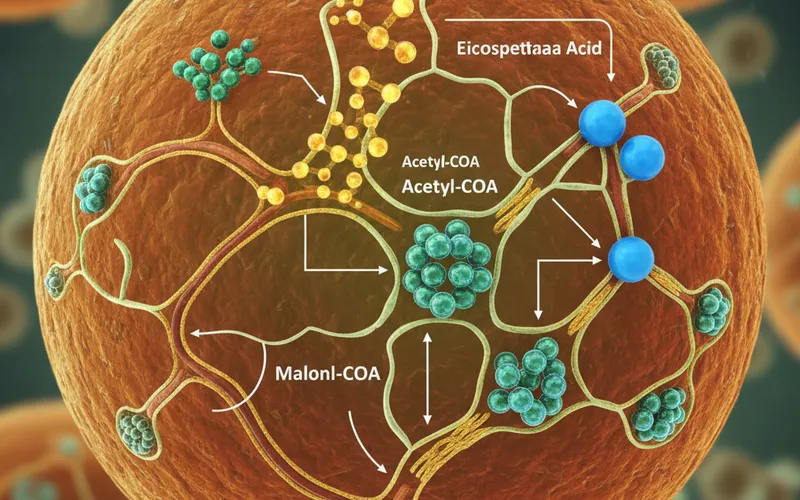
Das Team konzentrierte sich dabei auf die Verfügbarkeit von zwei Schlüsselmolekülen in der Hefe: Acetyl-CoA und Malonyl-CoA. Diese beiden Moleküle sind wie die grundlegenden Bausteine, die die Hefe benötigt, um Fettsäuren herzustellen. Die Forschenden vermuteten, dass eine erhöhte Verfügbarkeit dieser Bausteine die Hefe dazu bringen könnte, mehr EPA zu produzieren. Sie nutzten eine Methode namens Polyketid-Synthase-Engineering, um die Hefe so umzuprogrammieren, dass sie diese spezifischen Fettsäuren herstellt.
In ihrer Studie, die im Journal Microbial Cell Factories veröffentlicht wurde, untersuchten sie systematisch, wie verschiedene genetische Modifikationen die Produktion von EPA beeinflussen. Sie führten Experimente durch, bei denen sie die Gene der Hefe veränderten, die für die Herstellung von Acetyl-CoA und Malonyl-CoA verantwortlich sind, und beobachteten dann, wie sich dies auf die Menge und Reinheit der produzierten EPA auswirkte. Die Stichprobe umfasste dabei verschiedene Stämme der Hefe Yarrowia lipolytica, die jeweils unterschiedlich modifiziert wurden, um die optimalen Produktionsbedingungen zu finden.
Die zentralen Ergebnisse zeigten, dass die gezielte Erhöhung der Verfügbarkeit von Acetyl- und Malonyl-CoA tatsächlich die EPA-Produktion in der Hefe signifikant steigern konnte. Die Forschenden konnten somit einen wichtigen Schritt in Richtung einer effizienteren und nachhaltigeren Produktion von Omega-3-Fettsäuren machen, die potenziell unsere Abhängigkeit von Fischöl reduzieren könnte.
Quelle: Qi H, Ries F, Jovanovic Gasovic S, Dietrich D, Gemperlein K, Müller R, Kohlstedt M, Wittmann C (2026). Acetyl- and malonyl-CoA availability drive EPA selectivity in polyketide synthase-engineered Yarrowia lipolytica. Microbial cell factories. PubMed-ID: 41781957
Was heisst das wirklich? – Die kritische Einordnung
Diese Studie ist ein spannendes Beispiel für den Fortschritt in der Biotechnologie. Sie zeigt, dass wir durch gezielte Eingriffe in die Biologie von Mikroorganismen wertvolle Substanzen herstellen können. Doch was bedeuten diese Ergebnisse wirklich für dich und deine Gesundheit? Wenn wir von Hefe als Omega-3-Quelle sprechen, ist es wichtig, die Ergebnisse richtig einzuordnen.
Die Forschenden haben hier einen wichtigen Schritt in der Grundlagenforschung gemacht. Sie haben gezeigt, dass es prinzipiell möglich ist, die EPA-Produktion in Hefe zu optimieren. Das ist ein statistisch signifikantes Ergebnis im Labor. Aber ein Laborergebnis ist noch kein fertiges Produkt, das morgen in deinem Supermarktregal steht. Die Studie misst die Menge an EPA, die die Hefe unter Laborbedingungen produziert – ein sogenannter Surrogatparameter. Das ist wichtig für die Weiterentwicklung der Technologie, sagt aber noch nichts darüber aus, wie gut diese Hefe-EPA vom menschlichen Körper aufgenommen wird oder welche Langzeitwirkungen sie hat. Es ist ein wichtiger Baustein für die Zukunft, aber nicht die finale Lösung.
Die methodischen Stärken dieser Arbeit liegen in der präzisen genetischen Manipulation und der systematischen Analyse der Stoffwechselwege. Die Forschenden haben sauber gearbeitet, um die Rolle der Acetyl- und Malonyl-CoA-Verfügbarkeit zu isolieren. Eine Grenze ist jedoch, dass es sich um eine In-vitro-Studie (im Reagenzglas) handelt. Die Hefe wurde unter kontrollierten Laborbedingungen gezüchtet. Die Übertragbarkeit dieser Ergebnisse auf eine grossindustrielle Produktion oder gar auf die menschliche Ernährung bedarf noch weiterer Forschung und Optimierung.
Für wen gelten die Ergebnisse? Vorerst für Wissenschaftler und Ingenieure, die an der Entwicklung nachhaltigerer Produktionswege für Omega-3-Fettsäuren arbeiten. Die Ergebnisse sind ein vielversprechender Hinweis darauf, dass Hefe eine praktikable Alternative zu Fischöl oder Algen werden könnte.
Denkwerkzeug: Wenn du von neuen Superfoods oder biotechnologischen Wundern hörst, frage dich immer: Wurde das im Labor, an Tieren oder bereits am Menschen getestet? Und wurden dabei wirklich harte Endpunkte wie Gesundheit oder Lebensqualität gemessen, oder nur Biomarker?
Der Geist im Körper – Die psychophysiologische Perspektive
Während diese Studie sich auf die faszinierende Welt der Mikroorganismen konzentriert, dürfen wir nicht vergessen, dass am Ende der Kette der Mensch steht, der diese Omega-3-Fettsäuren konsumieren soll. Hier kommt das psychophysiologische Interaktionsmodell ins Spiel. Es mag auf den ersten Blick weit hergeholt erscheinen, aber selbst bei der Aufnahme und Verwertung von Nährstoffen spielt deine Psyche eine Rolle.
Stell dir vor, du konsumierst ein Produkt, das aus genetisch modifizierter Hefe gewonnen wird. Deine Erwartungshaltung und deine Überzeugungen bezüglich „gentechnisch veränderter Lebensmittel“ könnten sich auf deine Physiologie auswirken. Wenn du skeptisch bist oder Misstrauen hegst, könnte dies Stressreaktionen auslösen, die wiederum die Aufnahme und Verwertung von Nährstoffen beeinflussen. Das ist der sogenannte Nocebo-Effekt – die negative Erwartung kann negative körperliche Reaktionen hervorrufen.
Umgekehrt, wenn du fest davon überzeugt bist, dass du etwas Gutes und Gesundes zu dir nimmst, kann dies den Placebo-Effekt auslösen. Dein Körper reagiert besser, die Nährstoffe werden effizienter verstoffwechselt. Das ist besonders bei Nahrungsergänzungsmitteln gut dokumentiert. Die Überzeugung, etwas Wirksames zu tun, kann messbare physiologische Veränderungen bewirken, die über die reine chemische Wirkung der Substanz hinausgehen.
Auch dein allgemeiner Stresslevel spielt eine Rolle. Chronischer Stress verändert deine Verdauung, deine Darmflora und deine Stoffwechselprozesse. Selbst die besten Omega-3-Fettsäuren können ihre volle Wirkung nicht entfalten, wenn dein Körper durch Dauerstress in einem Zustand der Dysregulation ist. Deine emotionale Verfassung und deine mentale Einstellung zur Ernährung sind also keine Randthemen, sondern beeinflussen direkt, wie gut dein Körper die zugeführten Nährstoffe nutzen kann.
Es ist gut denkbar, dass zukünftige Produkte auf Hefe-Basis, die EPA liefern, von deiner Akzeptanz und deinem Vertrauen in solche Technologien mitbestimmt werden. Der psychologische Faktor der Akzeptanz spielt somit eine Rolle für die tatsächliche Wirksamkeit auf individueller Ebene.
Der grössere Kontext – Einordnung und Abhängigkeiten
Diese Studie ist Teil eines grösseren Trends in der Biotechnologie, nachhaltige Alternativen für die Produktion von Lebensmitteln und Nahrungsergänzungsmitteln zu finden. Die Überfischung der Meere und die Umweltbelastung durch Fischfang machen deutlich, dass wir neue Wege brauchen, um den Bedarf an Omega-3-Fettsäuren zu decken. Mikroorganismen wie Algen und Hefe bieten hier vielversprechende Möglichkeiten.
Die Finanzierung dieser Art von Forschung kommt oft von öffentlichen Geldern oder von Unternehmen, die an der Entwicklung neuer biotechnologischer Produkte interessiert sind. Im vorliegenden Fall haben die Autoren sogar eine Patentanmeldung im Zusammenhang mit dieser Forschung eingereicht, was darauf hindeutet, dass sie das kommerzielle Potenzial ihrer Entdeckung sehen. Dies ist ein legitimer Prozess und zeigt, dass die Forschung nicht nur um der Forschung willen betrieben wird, sondern auch das Ziel hat, praktische Anwendungen zu finden.
Diese Studie bestätigt bestehende Erkenntnisse, dass die genetische Manipulation von Mikroorganismen eine effektive Strategie zur Optimierung der Produktion von Metaboliten ist. Sie ist ein Puzzleteil in einem grossen Bild der Bioökonomie. Sie widerspricht keinen grundlegenden wissenschaftlichen Prinzipien, sondern baut auf vorhandenem Wissen auf.
Was in dieser Studie nicht kontrolliert wurde – und auch nicht kontrolliert werden konnte – sind die komplexen Wechselwirkungen im menschlichen Körper. Faktoren wie die individuelle Genetik, der Lebensstil, die Ernährung insgesamt und die Gesundheit des Verdauungssystems spielen eine entscheidende Rolle bei der Aufnahme und Verwertung von Omega-3-Fettsäuren. Eine einzelne Studie im Labor kann diese Vielzahl an Faktoren nicht abbilden.
Denkwerkzeug: Bevor du eine neue Ernährungsstrategie oder ein neues Supplement basierend auf einer einzelnen Studie annimmst, frage dich: Welche anderen Faktoren in meinem Leben könnten die Wirksamkeit beeinflussen? Wie passt das in mein Gesamtbild von Gesundheit und Wohlbefinden?
Was heisst das für dich? – Fazit und Alltagsrelevanz
Was kannst du nun aus dieser biotechnologischen Studie für deinen Alltag mitnehmen? Auch wenn die Hefe-Produktion von EPA noch nicht direkt auf deinem Teller landet, gibt es wichtige Erkenntnisse:
- Nachhaltigkeit ist ein wachsendes Thema: Die Forschung zeigt, wie Wissenschaftler daran arbeiten, Wege zu finden, um wichtige Nährstoffe nachhaltiger zu produzieren. Dies ist eine gute Nachricht für die Zukunft unserer Ernährung und die Umwelt. Es könnte bedeuten, dass wir in Zukunft weniger auf Fisch als Quelle für Omega-3 angewiesen sind.
- Komplexität der Ernährung: Deine Omega-3-Versorgung ist ein komplexes Thema. Während die Herkunft der Fettsäuren wichtig ist, hängt ihre Wirkung in deinem Körper von vielen Faktoren ab – einschliesslich deiner individuellen Biologie, deiner sonstigen Ernährung und deines Lebensstils.
- Die Macht deiner Überzeugungen: Wenn solche Hefe-basierten Omega-3-Produkte auf den Markt kommen, wird deine Einstellung dazu entscheidend sein. Eine offene, informierte Haltung kann die positiven Effekte unterstützen, während Skepsis und Misstrauen diese mindern könnten.
Was solltest du NICHT daraus schliessen? Du solltest jetzt nicht erwarten, dass du morgen eine Hefe-Pille schlucken kannst, die all deine Omega-3-Bedürfnisse deckt und alle Gesundheitsprobleme löst. Die Forschung ist noch am Anfang, und es bedarf weiterer Schritte, bis solche Produkte marktreif sind und ihre Wirksamkeit am Menschen bewiesen ist.
Diese Studie ist besonders relevant für Menschen, die sich für neue Technologien in der Lebensmittelproduktion interessieren oder nach nachhaltigen Alternativen zu tierischen Produkten suchen. Für diejenigen, die bereits eine ausgewogene Ernährung mit ausreichend Omega-3-Quellen haben, ändert sich kurzfristig nichts. Dein Körper reagiert nicht nur auf das, was du isst, sondern auch auf das, was du denkst und fühlst. Das gilt auch für die Aufnahme von Nährstoffen.
Welche Fragen bleiben offen? Es bleibt abzuwarten, wie effizient die Hefe-EPA vom menschlichen Körper aufgenommen wird und ob sie die gleichen gesundheitlichen Vorteile bietet wie EPA aus Fisch oder Algen. Auch die Akzeptanz solcher Produkte in der breiten Bevölkerung wird eine grosse Rolle spielen. Doch eines ist klar: Die Wissenschaft arbeitet unermüdlich daran, unsere Gesundheit und die unseres Planeten zu verbessern. Bleib neugierig und informiere dich weiterhin kritisch über neue Entwicklungen.