Strength Training in Old Age: More Than Just Muscles – A Key to Vitality and Psychological Resilience
New studies show: Muscle building is possible even in old age and essential for health. Learn how strength training, according to Jürg Hösli's psychophysiological model, not only strengthens the body but also positively influences the psyche and autonomic nervous system.
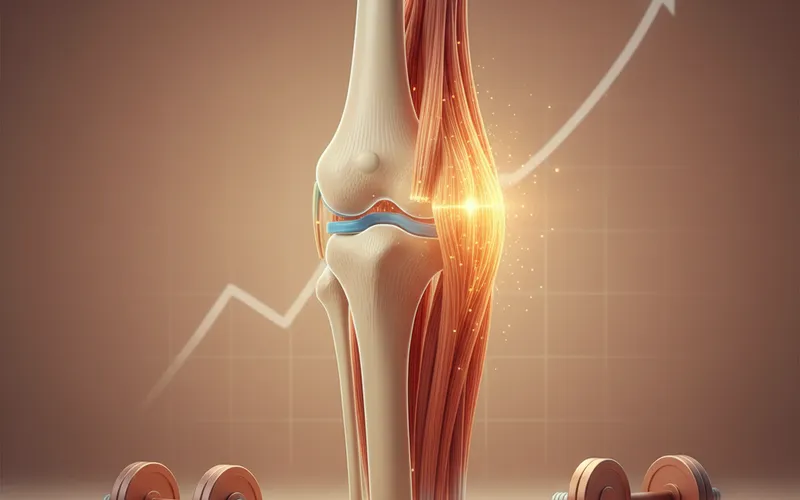
Strength Training in Old Age: More Than Just Muscles – A Key to Vitality and Psychological Resilience
The idea that muscle loss in old age is inevitable persists. However, current research findings, which support Jürg Hösli's holistic view, clearly show: Muscle building and strength increase are not only possible but essential for sustainable quality of life and psychological resilience, even into old age.
A groundbreaking 16-week intervention study with 85 participants aged 70-82 provides impressive evidence for this. Through regular, progressive resistance training (3 times per week), participants achieved an average muscle gain of 1.8 kg and a strength increase of 38%. These results are not only impressive but also a strong argument against the assumption that the body loses its adaptability with age.
The Biological Basis: Protein Synthesis and Nutrition
A central aspect of this study – and absolutely in line with Jürg Hösli's focus on metabolic bottlenecks and nutrition as an intervention – is the finding that the protein synthesis rate of older muscles with sufficient protein intake (>1.6g/kg body weight per day) is comparable to that of younger adults. This underscores how crucial an adapted diet is for training success in old age. Without the necessary building blocks, even the best training stimuli cannot be optimally effective. Here, it's not just about "what" but also "how much" and "for whom" – an individualized nutritional strategy is key.
The Psychophysiological Context: More Than Just Muscles
Jürg Hösli's psychophysiological interaction model illuminates the profound connection between psyche, body, nutrition, and performance. Strength training in old age is a prime example of this:
-
Autonomic Nervous System and Stress Resistance: Regular training, correctly dosed, acts as a positive stressor. It challenges the body without overloading it. This can improve the sympathetic/parasympathetic balance, a central indicator of health and resilience. A stronger body is also better able to cope with psychological stress, which can positively affect HRV (Heart Rate Variability). The ability to master physical challenges sends a signal of strength and control to the nervous system, which dampens the stress response and promotes recovery.
-
Strain vs. Overload: The key to success lies in progressive increase and adequate regeneration. Too much too soon leads to overload, which has the opposite effect: it increases cortisol levels, weakens the immune system, and can even hinder muscle growth. Jürg Hösli emphasizes that it is about knowing and gradually shifting the individual load limit, rather than exceeding it.
-
Mitochondrial Dysfunction and Energy Metabolism: Strength training stimulates the formation of new mitochondria, the "powerhouses of the cells." This improves energy metabolism and can counteract mitochondrial dysfunction, which is often associated with aging processes and chronic diseases. More efficient energy metabolism means more vitality and less fatigue in everyday life.
-
Psychological Predispositions and Self-Efficacy: The ability to master physical challenges and see progress strengthens the feeling of self-efficacy. This can positively influence psychological predispositions such as anxiety or passivity. Those who feel physically strong are often also mentally more resilient and optimistic. This is a direct link between physical performance and psychological well-being.
Practical Relevance: What Does This Mean for Everyday Life?
The findings are clear: it's never too late to start or continue strength training. For seniors, these results mean:
- Increased Independence: Stronger muscles improve mobility, reduce the risk of falls, and facilitate daily tasks.
- Better Metabolic Health: Muscles are important glucose stores and improve insulin sensitivity, which prevents type 2 diabetes.
- Improved Bone Health: Strength training is an effective stimulus for bone building and prevents osteoporosis.
- Increased Well-being: Physical achievements boost self-confidence and can counteract depression and anxiety.
- Optimized Nutrition: Awareness of the increased protein requirement in old age and its importance for training success.
Recommendations for Action:
- Start with professional guidance: Especially in old age, correct technique is crucial to avoid injuries and set optimal stimuli.
- Focus on Progression: Increase weights or resistance continuously, but moderately.
- Ensure adequate protein intake: Integrate high-quality protein sources such as lean meat, fish, eggs, dairy products, or plant-based alternatives into every meal.
- Integrate Regeneration: Sufficient sleep and rest are just as important as the training itself to give the body time to adapt.
Conclusion: Prevention Instead of Symptom Treatment
Research confirms what Jürg Hösli has taught for a long time: our body is a complex system that is malleable and adaptable even into old age. Strength training is much more than just muscle building; it is an investment in holistic health that strengthens psychological resilience, optimizes metabolism, and promotes the balance of the autonomic nervous system. By recognizing these patterns and acting proactively, we practice true prevention instead of symptom treatment and lay the foundation for a vital and self-determined old age.
Jürg Hösli's approach – the knowledge of the interdependencies of psyche, body, and nutrition – provides the framework to not only understand these findings but also to successfully implement them in one's own life. Because it is always about connecting knowledge with action.
Book Tip
By Jürg Hösli – matching the topic