Optimizing Fat Metabolism for Endurance Performance: More Than Just Train-Low
Discover how you can optimize your fat metabolism in endurance sports not only through Train-Low strategies, but also by considering your psychophysiological state and individual stress processing. Jürg Hösli's approach for sustainable performance improvement.
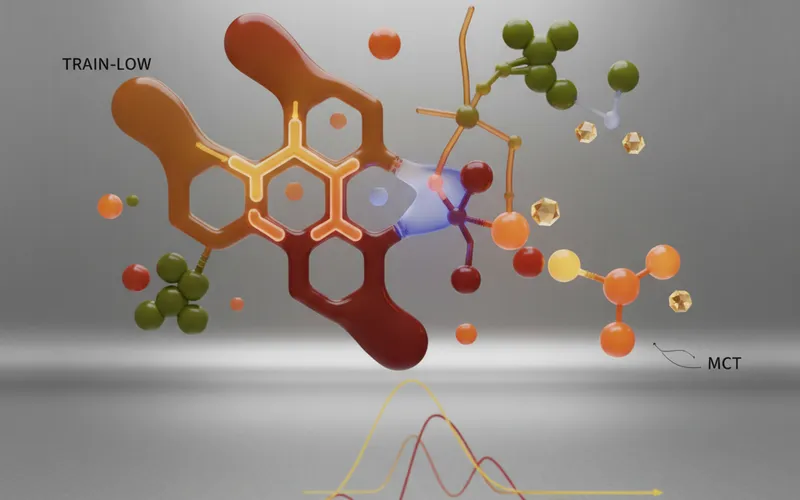
Optimizing Fat Metabolism for Endurance Performance: More Than Just Train-Low
In endurance sports, efficient fat metabolism is key to long-term performance and stamina. It enables athletes to draw energy from the body's fat reserves over longer periods, spare carbohydrate stores, and thus prevent the dreaded “man with the hammer.” However, optimizing fat metabolism is more complex than many think – it is deeply linked to our inner balance and our psychophysiological state.
Train-Low: A Tool to Be Used with Caution
An established strategy for improving fat metabolism capacity is the so-called Train-Low principle. Here, training is deliberately carried out with low carbohydrate stores to stimulate the body more strongly to use fat as an energy source. Studies prove its effectiveness: an 8-week study on professional cyclists showed that even twice-weekly fasted training could increase the fat oxidation rate at moderate intensity by an impressive 28%. This happens, among other things, through an increased mitochondrial density – the powerhouses of our cells become more efficient.
Practical relevance: Such training sessions should primarily be in the basic endurance zone. Performing high-intensity sessions with empty stores is counterproductive and can lead to performance losses, overtraining, and an increased risk of infection. Here, adequate carbohydrate availability is essential for optimal performance and recovery.
Jürg Hösli's Perspective: The Human at the Center
For Jürg Hösli and his psychophysiological interaction model, however, the sole consideration of Train-Low strategies is too narrow. He emphasizes that the effectiveness of such nutritional and training strategies largely depends on the athlete's individual condition. Here, several of his core themes come into play:
-
Autonomic Nervous System (ANS) and HRV: A well-functioning fat metabolism requires a body in balance. If the autonomic nervous system is out of sync due to chronic stress (sympathetic dominance), the body's ability to effectively burn fat is limited. The body is in “fight-or-flight” mode and preferentially resorts to readily available carbohydrates. Heart Rate Variability (HRV) serves as a precise biomarker here to assess and control vegetative balance. An athlete with low HRV or signs of overload will benefit less from aggressive Train-Low strategies and is more likely to risk pathological overload instead of healthy adaptation.
-
Stress vs. Overload: Train-Low is a deliberate stressor for the body. Whether this stress leads to positive adaptation or overload depends heavily on the individual stress level. An athlete who is already highly stressed by work, family, or sleep deprivation can quickly reach their limits with additional metabolic stressors such as fasted training. This can overload the cortisol axis, hinder recovery, and paradoxically worsen fat metabolism.
-
Metabolic Bottlenecks and Micronutrients: For efficient fat metabolism, not only the “big” strategies are important, but also the “small” details. Mitochondrial dysfunction or micronutrient deficiencies (e.g., B vitamins, magnesium, iron, carnitine) can massively hinder fat burning, even if the training strategy is correct. Before challenging the body with Train-Low, it should be ensured that the basic metabolic processes can run smoothly. Individualized nutrition is key here.
-
Psychological Predispositions: How does an athlete deal with the stress of fasted training? Is he a type who quickly feels stressed and is a perfectionist, or someone who remains flexible and relaxed? The psychological predisposition and individual stress processing influence how the body reacts to such stimuli and whether it adapts or enters a state of exhaustion.
Conclusion and Recommendations for Action
Optimizing fat metabolism in endurance sports is a complex interplay of targeted training stimuli and the individual physiological and psychological condition. Train-Low strategies are a valuable tool, but they must be used intelligently and contextually.
Concrete recommendations for action:
- HRV Monitoring: Use HRV data to monitor your individual recovery capacity and stress level. Adjust the intensity and frequency of Train-Low sessions to your daily form.
- Micronutrient Analysis: Ensure that your body has all the necessary micronutrients to optimally operate fat metabolism. Targeted supplementation, based on an analysis, can eliminate bottlenecks.
- Stress Management: Integrate active stress management techniques (breathing exercises, meditation, sufficient sleep) into your daily life to support the balance of your autonomic nervous system.
- Individualization: Not every strategy fits everyone. Listen to your body and adapt your nutrition and training plans to your personal needs and your reaction.
Jürg Hösli's approach teaches us that true performance optimization goes beyond pure mechanics. It's about understanding the athlete as a whole – their physiology, their psyche, and their individual circumstances. Only in this way can we practice prevention, recognize patterns before symptoms arise, and sustainably achieve optimal performance and health.
Book Tip
By Jürg Hösli – matching the topic