Der Vagusnerv: Ein vielversprechender Weg bei Autoimmunerkrankungen?
Autoimmunerkrankungen sind komplex und oft schwer zu behandeln. Eine aktuelle Übersichtsarbeit beleuchtet die Rolle der Vagusnerv-Stimulation als neuartigen Therapieansatz. Was steckt dahinter und welche Chancen bietet sie?
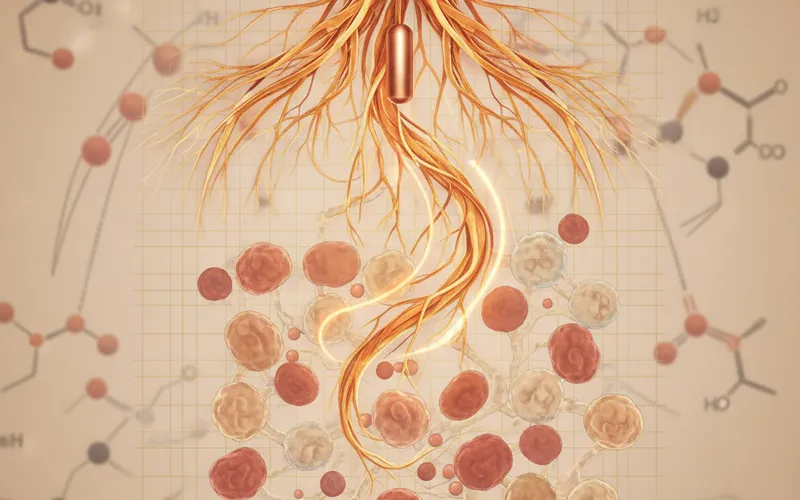
Die Studie – Was wurde untersucht und warum betrifft dich das?
Stell dir vor, dein Körper dreht sich selbst in die Knie. Dein Immunsystem, eigentlich dein Beschützer, greift plötzlich eigenes Gewebe an. Das ist die Realität für Millionen von Menschen mit Autoimmunerkrankungen – eine ständig wachsende Gruppe von Leiden, die von rheumatoider Arthritis über Morbus Crohn bis hin zu Systemischem Lupus Erythematodes reichen. Die Suche nach wirksamen Therapien, die nicht nur Symptome lindern, sondern auch die Ursachen beeinflussen und dabei gut verträglich sind, ist eine riesige Herausforderung. Medikamente sind oft teuer, haben Nebenwirkungen oder verlieren mit der Zeit ihre Wirkung.
Genau an diesem Punkt setzt eine spannende Übersichtsarbeit an, die von Forschenden um J. Ye, Y. Lan, W. Li, H. Lv, C. Wen und Z. Xu in China durchgeführt wurde. Sie haben sich einer alternativen Behandlungsstrategie gewidmet, die in den letzten Jahren immer mehr Aufmerksamkeit erhält: der Vagusnerv-Stimulation (VNS). Das Team wollte herausfinden, wie genau die VNS bei Autoimmunerkrankungen wirken könnte, welche klinischen Belege es bereits gibt und wo noch Forschungsbedarf besteht. Die VNS ist keine völlig neue Idee; sie wird bereits bei Epilepsie und Depressionen eingesetzt. Doch die Idee, diesen wichtigen Nerv gezielt zur Modulation des Immunsystems zu nutzen, ist relativ jung und hochinteressant.
Die Forschenden haben in ihrer Arbeit die aktuelle klinische und präklinische Evidenz zusammengetragen, um die Mechanismen der VNS besser zu verstehen. Dabei haben sie die drei Hauptformen der VNS beleuchtet: implantierbare Geräte, transkutane zervikale (am Hals) und transkutane aurikuläre (am Ohr) Stimulation. Sie berichten, dass die VNS bei verschiedenen Autoimmunerkrankungen wie rheumatoider Arthritis, Morbus Crohn und Systemischem Lupus Erythematodes positive Effekte gezeigt hat, insbesondere bei Formen, die auf herkömmliche Therapien nicht ansprechen. Präklinische Studien untermauern diese Beobachtungen und legen nahe, dass die VNS Entzündungen primär über den cholinergen antiinflammatorischen Pfad (CAP) dämpft, indem sie Alpha-7-Nikotin-Acetylcholin-Rezeptoren aktiviert. Darüber hinaus wurden auch Einflüsse auf die Beta-adrenerge Signalgebung, die Hypothalamus-Hypophysen-Nebennierenrinden-Achse (HPA-Achse) und sogar auf das Darmmikrobiom festgestellt.
Die Autoren fassen zusammen, dass die VNS ein vielversprechender Ansatz ist, aber dass noch grosse, randomisierte kontrollierte Studien nötig sind, um ihre Anwendung auf ein breiteres Spektrum von Autoimmunerkrankungen auszuweiten und die Effektivität nicht-invasiver Geräte weiter zu verbessern.
Quelle: Ye J, Lan Y, Li W, Lv H, Wen C, Xu Z (2026). Vagus nerve stimulation in autoimmune diseases: Mechanisms, therapeutic potential, and clinical applications. Autoimmunity reviews, 25(4):104023. PubMed-ID: 41796720
Diese Zusammenfassung wirft natürlich die Frage auf, was diese Erkenntnisse wirklich für dich bedeuten könnten und wie wir sie im Kontext deines eigenen Körpers und deiner Gesundheit einordnen sollten.
Was heisst das wirklich? – Die kritische Einordnung
Diese Übersichtsstudie ist wie ein Blick aus der Vogelperspektive auf ein komplexes Feld. Sie sammelt und bewertet vorhandene Daten, anstatt neue zu generieren. Das ist wichtig, um den Überblick zu behalten, aber es bedeutet auch, dass wir keine neuen, bahnbrechenden Studienergebnisse präsentiert bekommen, sondern eine Synthese dessen, was bereits existiert.
Die Autoren betonen, dass die VNS Entzündungen dämpfen kann – ein zentraler Mechanismus bei Autoimmunerkrankungen. Die aktivierten Alpha-7-Nikotin-Acetylcholin-Rezeptoren sind dabei entscheidend. Das ist ein „harter“ mechanistischer Befund aus präklinischen Studien, der die Plausibilität der VNS-Wirkung erhöht. Wenn die VNS tatsächlich die HPA-Achse moduliert und das Darmmikrobiom beeinflusst, sind das weitere faszinierende Ansatzpunkte, die weit über eine reine Symptombehandlung hinausgehen.
Ein wichtiger Punkt ist der Unterschied zwischen „statistisch signifikant“ und „klinisch bedeutsam“. Auch wenn Studien positive Ergebnisse zeigen, ist entscheidend, ob diese Verbesserungen für die Betroffenen im Alltag spürbar sind. Eine Reduktion eines Entzündungsmarkers im Blut ist gut, aber eine verbesserte Lebensqualität, weniger Schmerzen oder eine geringere Krankheitsaktivität sind das, was wirklich zählt. Die Studie erwähnt, dass die VNS bei „therapierefraktären“ Fällen hilft – das ist ein starkes Argument, da diese Patienten oft keine anderen Optionen mehr haben. Allerdings sind die Fallzahlen in solchen Studien oft klein und die Langzeitwirkungen noch nicht ausreichend untersucht.
Die Limitationen liegen auf der Hand: Es fehlen noch grosse, randomisierte, placebokontrollierte Studien. Diese sind der Goldstandard, um sicherzustellen, dass ein Effekt tatsächlich auf die Therapie zurückzuführen ist und nicht auf andere Faktoren. Auch die genaue Definition, welche Art von VNS (invasiv vs. nicht-invasiv), welche Intensität und Dauer für welche Autoimmunerkrankung am besten ist, muss noch geklärt werden. Für wen genau gelten diese Ergebnisse? Die Teilnehmer der bisherigen Studien sind oft eine sehr spezifische Gruppe von Patienten. Wenn du selbst betroffen bist, ist die Frage: Wie sehr ähnelst du den Patienten in diesen Studien? Passt die beschriebene VNS-Methode zu deiner Situation?
Bedenke: Die VNS ist nicht einfach ein Schalter, den man umlegt. Es ist ein komplexes System, das in deinen Körper eingreift. Bevor du dich auf eine solche Therapie einlässt, solltest du dich umfassend informieren und mit deinem Arzt oder deiner Ärztin besprechen, ob sie für dich in Frage kommt.
Der Geist im Körper – Die psychophysiologische Perspektive
Hier kommen wir zum Kern dessen, was wir bei Jürg Hösli immer wieder betonen: Körper und Psyche sind untrennbar miteinander verbunden. Der Vagusnerv ist das Paradebeispiel für diese Verbindung. Er ist ein zentraler Bestandteil des parasympathischen Nervensystems, unserem „Ruhe-und-Verdauungs“-System. Er ist die direkte Autobahn zwischen Gehirn und vielen inneren Organen, einschliesslich des Immunsystems.
Wenn wir über Autoimmunerkrankungen sprechen, dürfen wir die Rolle von Stress und emotionaler Belastung nicht unterschätzen. Chronischer Stress aktiviert die HPA-Achse und das sympathische Nervensystem, was wiederrum Entzündungsprozesse fördern kann. Der Vagusnerv hingegen wirkt entzündungshemmend und kann diese Stressreaktionen modulieren. Es ist gut denkbar, dass ein Teil der positiven Effekte der VNS nicht nur auf einer direkten physiologischen Stimulation beruht, sondern auch darauf, dass sie das Gefühl von Kontrolle, Hoffnung und Selbstwirksamkeit bei den Patienten stärkt.
Stell dir vor, du erfährst, dass es eine neue Therapie gibt, die dir helfen könnte. Allein die Erwartung, dass es dir besser gehen wird (der Placebo-Effekt), kann im Körper messbare physiologische Veränderungen auslösen. Wenn du dich aktiver an deiner Genesung beteiligen kannst, vielleicht durch ein Gerät, das du selbst bedienst, kann das dein Gefühl der Hilflosigkeit reduzieren, das oft mit chronischen Krankheiten einhergeht. Diese psychischen Faktoren können die physiologische Wirkung der VNS verstärken und zu den beobachteten Verbesserungen beitragen. Der Vagusnerv ist hier also nicht nur ein biologischer Schalter, sondern auch ein Vermittler zwischen deiner mentalen Verfassung und deiner körperlichen Reaktion.
Die Studie erwähnt auch die Modulation der HPA-Achse und des Darmmikrobioms. Beide sind eng mit Stress und psychischem Wohlbefinden verbunden. Ein ausgeglichenes Darmmikrobiom und eine gut funktionierende Stressachse sind oft Indikatoren für psychische Resilienz. Die VNS könnte hier also nicht nur an den Symptomen ansetzen, sondern auch an grundlegenden psychophysiologischen Regulationsmechanismen.
Der grössere Kontext – Einordnung und Abhängigkeiten
Diese Übersichtsarbeit stammt von einem Team aus China, das am Innovation Center for Medical Basic Research of Autoimmune Diseases forscht. Die Verbindung zu traditioneller chinesischer Medizin (TCM) ist interessant, da die TCM schon lange den Zusammenhang zwischen körperlichen und geistigen Zuständen betont und ganzheitliche Ansätze verfolgt. Die Autoren geben an, dass sie keine bekannten Interessenkonflikte haben, was die Glaubwürdigkeit der Studie stärkt.
Die Vagusnerv-Stimulation ist ein Forschungsfeld, das rasant wächst. Sie ist Teil einer grösseren Bewegung in der Medizin, die sich Neuroimmunologie nennt – die Erforschung der komplexen Wechselwirkungen zwischen Nervensystem und Immunsystem. Diese Studie bestätigt im Wesentlichen die bestehenden Erkenntnisse, dass der Vagusnerv eine Schlüsselrolle bei der Entzündungsregulation spielt. Sie ist ein Puzzleteil, das die bisherigen Beobachtungen zusammenfasst und weitere Forschung anstösst. Sie ist jedoch keine Revolution, die alles über den Haufen wirft, sondern eine Bestätigung und Strukturierung des aktuellen Wissensstandes.
Was wurde nicht kontrolliert? In vielen der zitierten klinischen Studien ist es oft schwer, alle Lebensstilfaktoren zu kontrollieren, die die Ergebnisse beeinflussen könnten. Ernährung, Bewegung, Schlaf, soziale Unterstützung – all das spielt eine Rolle für das Immunsystem und den Verlauf von Autoimmunerkrankungen. Auch wenn die VNS direkt auf physiologische Mechanismen wirkt, ist sie immer in den Kontext des gesamten Lebensstils eines Menschen eingebettet. Eine VNS-Therapie mag vielversprechend sein, aber sie ersetzt keinen gesunden Lebensstil und eine umfassende medizinische Betreuung.
Frage dich: Würde eine Therapie, bei der der Vagusnerv stimuliert wird, dein restliches Leben – deine Ernährung, deine Bewegung, deine Stressbewältigung – unberührt lassen? Oder könnte sie eine Tür öffnen, um auch diese Bereiche bewusster zu gestalten?
Was heisst das für dich? – Fazit und Alltagsrelevanz
Was kannst du aus dieser Übersichtsarbeit für dich mitnehmen? Erstens: Der Vagusnerv ist ein faszinierender und mächtiger Regulator in deinem Körper. Er ist nicht nur für Verdauung und Herzfrequenz zuständig, sondern auch ein wichtiger Spieler im Immunsystem. Die Idee, ihn therapeutisch zu nutzen, ist mehr als nur eine Modeerscheinung; sie hat eine solide physiologische Grundlage.
Zweitens: Wenn du oder jemand in deinem Umfeld von einer Autoimmunerkrankung betroffen ist und herkömmliche Therapien an ihre Grenzen stossen, könnte die Vagusnerv-Stimulation in Zukunft eine Option sein. Es ist wichtig, die Entwicklung dieses Feldes weiter zu beobachten und mit deinem Arzt oder deiner Ärztin zu sprechen, ob und wann eine solche Therapie für dich in Frage kommen könnte. Sei offen für neue Ansätze, aber bleibe kritisch und informiere dich umfassend.
Drittens: Auch wenn die VNS noch nicht flächendeckend verfügbar ist, kannst du deinen Vagusnerv bereits heute positiv beeinflussen. Tiefe Bauchatmung, Meditation, Yoga, Singen, Summen, kalt Duschen – all das sind Methoden, die nachweislich den Vagustonus erhöhen und damit dein parasympathisches Nervensystem stärken können. Das ist kostenfrei, ohne Nebenwirkungen und kann dir helfen, dein Stresslevel zu senken und dein Immunsystem zu modulieren. Es ist ein aktiver Beitrag zu deiner Selbstregulation, der dir niemand abnehmen kann.
Was du nicht daraus schliessen solltest: Die VNS ist kein Wundermittel, das alle Probleme löst. Sie ist ein vielversprechender, aber immer noch in der Entwicklung befindlicher Therapieansatz, der in den meisten Fällen eine Ergänzung zu bestehenden Behandlungen wäre. Verlasse dich nicht allein auf eine einzelne Therapie, sondern sieh deine Gesundheit als ein komplexes Zusammenspiel aus vielen Faktoren.
Der psychophysiologische Gedanke zum Schluss: Diese Studie erinnert uns eindringlich daran, dass dein Körper nicht nur auf Medikamente reagiert, sondern auch auf die Signale deines Nervensystems – und damit auf deine Gedanken, Gefühle und Stressreaktionen. Die Fähigkeit, deinen Vagusnerv zu stimulieren, sei es durch ein Gerät oder durch bewusste Praktiken, ist ein Ausdruck deiner inneren Regulationsfähigkeit. Dein Körper ist viel autonomer, als du vielleicht denkst, und du hast mehr Einfluss auf ihn, als du glaubst. Nutze dieses Wissen, um deine Gesundheit aktiv zu gestalten und dich selbst besser zu verstehen.
Bleib neugierig, bleib achtsam und vertraue auf die erstaunliche Intelligenz deines Körpers – er hat mehr Selbstheilungskräfte, als du dir vorstellen kannst.