Traditionelle Ernährung und Mundgesundheit: Wie das, was du isst, dein Lächeln und deinen Körper beeinflusst
Deine Zahnbürste ist wichtig, aber reicht sie aus? Eine neue Studie beleuchtet, wie traditionelle Nahrungsmittel die Mundflora prägen und damit nicht nur Zähne und Zahnfleisch, sondern deine gesamte Gesundheit beeinflussen können. Entdecke die überraschende Verbindung zwischen deinem Teller und deinem Lächeln.
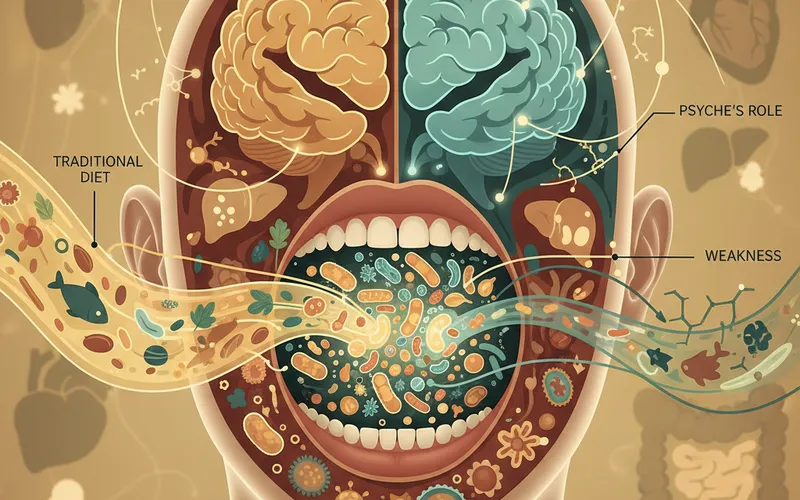
Die Studie – Was wurde untersucht und warum betrifft dich das?
Stell dir vor, dein Mund ist nicht einfach nur der Eingang zu deinem Verdauungssystem, sondern ein lebendiges Ökosystem, das untrennbar mit dem Rest deines Körpers verbunden ist. Jedes Mal, wenn du etwas isst, fütterst du nicht nur dich selbst, sondern auch Billionen von Mikroorganismen, die in deinem Mund leben. Kürzlich haben Forschende aus Ecuador und den USA genau diese faszinierende Verbindung unter die Lupe genommen und untersucht, wie traditionelle Ernährungsgewohnheiten die Gesundheit deines Mundes und darüber hinaus beeinflussen können.
Die Studie mit dem Titel «Traditional Foods, Oral Microbiome, and Systemic Health: Molecular Pathways Linking Nutrition and Oral Disease Prevention» ist eine narrative Übersichtsarbeit. Das bedeutet, das Forschungsteam hat eine Vielzahl bestehender Studien – darunter systematische Reviews, Meta-Analysen und randomisierte kontrollierte Studien – zusammengetragen und die Ergebnisse analysiert, um ein umfassendes Bild zu zeichnen. Ihr Ziel war es, die molekularen Mechanismen zu verstehen, durch die traditionelle Lebensmittel das orale Mikrobiom modulieren und so zur Mund- und Systemgesundheit beitragen.
Das Team um Parise-Vasco, Angamarca-Iguago und Kollegen hob hervor, dass Parodontitis, eine weit verbreitete Zahnfleischerkrankung, 10 bis 50 Prozent der Weltbevölkerung betrifft und eng mit systemischen Erkrankungen wie Diabetes, Herz-Kreislauf-Erkrankungen und ungünstigen Schwangerschaftsausgängen verbunden ist. Die Ernährung spielt dabei eine entscheidende Rolle als modifizierbarer Faktor. Das orale Mikrobiom beherbergt über 700 Bakterienarten, und ein Ungleichgewicht (Dysbiose) mit einer Anreicherung von Krankheitserregern treibt Entzündungen im Zahnfleisch voran.
Die Forschenden fanden heraus, dass entzündungshemmende Ernährungsmuster, wie beispielsweise die Mittelmeerdiät, schützende Effekte zeigen. Nährstoffe wie Omega-3-Fettsäuren, die Vitamine C und D, Polyphenole und Ballaststoffe unterstützen die Parodontalgesundheit. Im Gegensatz dazu können raffinierte Kohlenhydrate, gesättigte Fette und pro-inflammatorische Nährstoffe die Krankheit verschlimmern. Probiotika zeigten sich vielversprechend als zusätzliche Therapieoption.
Die Studienlage ist jedoch nicht immer eindeutig. Die Übertragung der Forschungsergebnisse in klinische Leitlinien wird durch methodische Herausforderungen erschwert, darunter die begrenzte Anzahl randomisierter kontrollierter Studien mit oralen Endpunkten, Störfaktoren durch Hygienepraktiken und das Fehlen standardisierter Multi-Omics-Ansätze. Die Autoren betonen, dass Ernährungsberatung als modifizierbarer Risikofaktor in die Parodontalversorgung integriert werden sollte und zukünftige Forschung Präzisionsernährungsansätze sowie die Validierung von Speichel-Biomarkern priorisieren sollte.
Quelle: Parise-Vasco JM, Angamarca-Iguago J, Cagua-Ordoñez J, Cabrera B, Jima Gavilanes D, Horowitz R, Reytor-González C, Simancas-Racines D. (2026). Traditional Foods, Oral Microbiome, and Systemic Health: Molecular Pathways Linking Nutrition and Oral Disease Prevention. Int J Mol Sci, 27(5):2412. PubMed-ID: 41828628
Was heisst das wirklich? – Die kritische Einordnung
Diese Übersichtsarbeit liefert wertvolle Einblicke, indem sie eine Vielzahl von Studien zusammenfasst und die molekularen Pfade beleuchtet, die Ernährung, Mundflora und systemische Gesundheit verbinden. Das ist eine Stärke, denn einzelne Studien können oft nur einen kleinen Ausschnitt beleuchten. Eine narrative Review hilft, das Gesamtbild zu sehen.
Doch wie bei jeder wissenschaftlichen Arbeit ist es wichtig, die Ergebnisse kritisch einzuordnen. Eine narrative Review ist keine systematische Meta-Analyse, die strengere Kriterien für die Auswahl und Bewertung von Studien anwendet. Die Auswahl der Studien und die Interpretation der Ergebnisse können hier stärker von den Forschenden beeinflusst werden. Das ist kein Mangel, aber ein Punkt, den du als Leser im Hinterkopf behalten solltest.
Die Studie spricht von «traditionellen Lebensmitteln» und «entzündungshemmenden Ernährungsmustern» wie der Mittelmeerdiät. Das sind relativ breite Konzepte. Während die Mittelmeerdiät gut erforscht ist, sind «traditionelle Lebensmittel» sehr kontextabhängig. Was in Ecuador traditionell ist, unterscheidet sich stark von der Schweiz oder Japan. Die konkrete Zusammensetzung der Nährstoffe, die hier eine Rolle spielen, ist entscheidend.
Ein wichtiger Punkt ist die Unterscheidung zwischen harten Endpunkten und Surrogatparametern. Die Studie spricht von Parodontitis als Endpunkt, was gut ist. Aber wenn es um die molekularen Mechanismen geht, werden oft Biomarker oder Veränderungen im Mikrobiom gemessen. Diese sind wichtige Hinweise, aber sie sind nicht dasselbe wie eine tatsächliche Verbesserung deiner Gesundheit oder eine Verhinderung von Krankheit. Ein verändertes Bakterienprofil im Mund ist noch kein Beweis, dass du weniger Herz-Kreislauf-Erkrankungen bekommst, auch wenn die Korrelationen stark sind.
Die Forscher weisen selbst auf methodische Herausforderungen hin: die geringe Anzahl randomisierter kontrollierter Studien (RCTs) mit oralen Endpunkten, Störfaktoren durch Hygienepraktiken und das Fehlen standardisierter Multi-Omics-Ansätze. RCTs sind der Goldstandard, wenn es um den Nachweis von Ursache und Wirkung geht. Wenn es davon wenige gibt, basieren viele Aussagen auf Beobachtungsstudien, die zwar Korrelationen zeigen, aber keine kausalen Zusammenhänge beweisen können. Das ist wichtig, wenn du dir überlegst, ob du aufgrund dieser Studie eine grosse Ernährungsumstellung vornehmen solltest.
Denkwerkzeug: Wenn du von einer neuen Ernährungsstudie hörst, frage dich: «Wurde hier wirklich gemessen, ob sich die Menschen besser fühlen oder länger leben, oder wurden eher Laborwerte oder Biomarker verändert?»
Der Geist im Körper – Die psychophysiologische Perspektive
Hier kommen wir zum Kern dessen, was auf der Hösli-Plattform so wichtig ist: die untrennbare Verbindung von Psyche und Körper. Diese Studie konzentriert sich auf Ernährung und Mikrobiom, aber sie übersieht, wie deine innere Welt diese Interaktion beeinflusst.
Denk an den Stress. Chronischer Stress beeinflusst nicht nur dein Immunsystem und deine Entzündungsreaktionen – Faktoren, die direkt mit Parodontitis und systemischen Erkrankungen zusammenhängen. Er beeinflusst auch deine Ernährungsgewohnheiten. Unter Stress greifen viele Menschen eher zu raffinierten Kohlenhydraten und zuckerhaltigen Lebensmitteln – genau jenen, die laut Studie die Parodontitis fördern. Dein psychischer Zustand kann also direkt dazu führen, dass du dich weniger „traditionell“ oder „entzündungshemmend“ ernährst.
Die Rolle von Erwartungshaltungen und dem Placebo-Effekt darf auch hier nicht unterschätzt werden. Wenn dir jemand sagt, dass eine bestimmte Nahrung oder ein Probiotikum gut für deine Mundgesundheit ist, kann allein diese Überzeugung physiologische Veränderungen auslösen. Dein Körper reagiert nicht nur auf die chemische Zusammensetzung der Nahrung, sondern auch auf deine Gedanken und Emotionen, die du damit verbindest. Wer glaubt, dass eine gesunde Ernährung wirkt, wird sie vielleicht konsequenter umsetzen und sich besser fühlen – unabhängig von der reinen biologischen Wirkung der Nahrung.
Auch der Hawthorne-Effekt könnte eine Rolle spielen. Wenn Teilnehmer wissen, dass ihre Ernährung und Mundgesundheit beobachtet werden, könnten sie ihre Hygienepraktiken verbessern oder bewusster essen, was die Ergebnisse beeinflussen würde. Das ist keine bewusste Täuschung, sondern eine natürliche menschliche Reaktion auf Beobachtung.
Es ist gut denkbar, dass ein Teil der positiven Effekte, die bei „entzündungshemmenden Ernährungsmustern“ beobachtet werden, auch auf eine verbesserte Selbstwirksamkeit, ein höheres Bewusstsein für die eigene Gesundheit und eine Reduktion von Stress durch einen bewussteren Lebensstil zurückzuführen ist. Wenn du dich gut um deinen Körper kümmerst, sendest du ihm damit auch positive Signale, die sich auf allen Ebenen auswirken.
Der grössere Kontext – Einordnung und Abhängigkeiten
Die Studie bestätigt im Wesentlichen, was die Forschung schon länger vermutet und in vielen Einzelstudien gezeigt hat: Ernährung ist ein entscheidender Faktor für die Mundgesundheit und damit für die gesamte systemische Gesundheit. Die Autoren betonen die Rolle von Omega-3-Fettsäuren, Vitaminen, Polyphenolen und Ballaststoffen – alles Komponenten, die in einer vollwertigen, unverarbeiteten und pflanzenbasierten Ernährung reichlich vorkommen. Sie warnen vor raffinierten Kohlenhydraten und gesättigten Fetten, die in vielen westlichen Ernährungsweisen dominieren.
Diese Studie ist kein revolutionärer Bruch mit bestehendem Wissen, sondern eine wichtige Bestätigung und Zusammenführung vieler Puzzleteile. Sie unterstreicht die Notwendigkeit einer ganzheitlichen Betrachtung von Gesundheit, bei der der Mund nicht als isoliertes Organ, sondern als Spiegel des gesamten Körpers verstanden wird.
Die Finanzierung dieser Studie erfolgte durch die Universidad Tecnológica Indoamérica, was auf eine unabhängige Forschung hinweist, da keine kommerziellen Interessenkonflikte angegeben wurden. Das stärkt die Glaubwürdigkeit der Ergebnisse, da keine Industrieinteressen im Hintergrund stehen, die bestimmte Ergebnisse bevorzugen könnten.
Was in dieser Art von Übersichtsstudie nicht kontrolliert werden kann, sind individuelle Lebensstilfaktoren jenseits der reinen Ernährung. Wie schläft jemand? Wie hoch ist das Stresslevel? Treibt die Person Sport? Raucht sie? Nimmt sie Medikamente ein? All diese Faktoren beeinflussen das Mikrobiom und die Entzündungsreaktionen im Körper erheblich. Eine einzelne Studie kann nicht alles erfassen, aber für dich als Leserin oder Leser ist es wichtig zu wissen, dass Ernährung nur ein Teil des Puzzles ist.
Denkwerkzeug: Bevor du auf Basis einer einzelnen Studie dein Leben umkrempelst, frage dich: «Passt das Ergebnis dieser Studie zu dem, was ich bereits über einen gesunden Lebensstil weiss, oder ist es ein isoliertes, vielleicht sogar widersprüchliches Ergebnis?»
Was heisst das für dich? – Fazit und Alltagsrelevanz
Was kannst du aus dieser Übersichtsarbeit für deinen Alltag mitnehmen? Die Botschaft ist klar und ermutigend:
- Deine Ernährung ist entscheidend für deine Mundgesundheit: Iss weniger raffinierte Kohlenhydrate, Zucker und gesättigte Fette. Setze stattdessen auf eine vollwertige Ernährung, reich an Gemüse, Obst, gesunden Fetten (Omega-3), Vitaminen und Ballaststoffen. Die Mittelmeerdiät ist hier ein gutes Beispiel für ein entzündungshemmendes Ernährungsmuster.
- Der Mund ist ein Spiegel deines Körpers: Probleme im Mund, wie Parodontitis, sind nicht nur ein lokales Problem. Sie können ein Warnsignal für systemische Entzündungen und ein erhöhtes Risiko für andere Erkrankungen sein. Nimm deine Mundhygiene ernst, aber vergiss nicht, dass der entscheidende Einfluss von innen kommt.
- Probiotika könnten eine Unterstützung sein: Die Studie erwähnt Probiotika als vielversprechende Zusatztherapie. Sprich mit deinem Zahnarzt oder Arzt, ob das für dich sinnvoll sein könnte.
Was du daraus nicht schliessen solltest: Diese Studie ist kein Freifahrtschein, deine Zähne nicht mehr zu putzen oder Zahnarztbesuche zu vernachlässigen. Eine gute Mundhygiene ist und bleibt essenziell. Auch solltest du nicht erwarten, dass eine Ernährungsumstellung allein alle Probleme löst, wenn andere Lebensstilfaktoren – wie chronischer Stress oder Schlafmangel – unberücksichtigt bleiben.
Diese Erkenntnisse sind besonders relevant für Menschen, die unter wiederkehrenden Zahnfleischproblemen leiden oder ein erhöhtes Risiko für Diabetes oder Herz-Kreislauf-Erkrankungen haben. Aber auch für alle, die ihre allgemeine Gesundheit proaktiv unterstützen möchten, bietet die Studie wertvolle Anhaltspunkte.
Dein Körper reagiert nicht nur auf das, was du isst, sondern auch auf das, was du denkst und fühlst. Eine gesunde Ernährung in Kombination mit einem bewussten Umgang mit Stress und ausreichend Schlaf schafft die besten Voraussetzungen für ein starkes Immunsystem und eine gesunde Mundflora. Achte auf die Signale deines Körpers und sei neugierig, wie du durch kleine Anpassungen in deinem Alltag Grosses bewirken kannst. Denn dein Wohlbefinden beginnt oft schon im Mund – und in deinem Kopf.