Chinesische Kräutermedizin und Alzheimer: Hoffnung aus dem Darm?
Eine chinesische Studie untersucht, wie eine traditionelle Kräuterrezeptur bei Alzheimer-Mäusen die Darmflora beeinflusst und Lernfähigkeit verbessert. Könnte unser Darm der Schlüssel zur Hirngesundheit sein?
Die Studie – Was wurde untersucht und warum betrifft dich das?
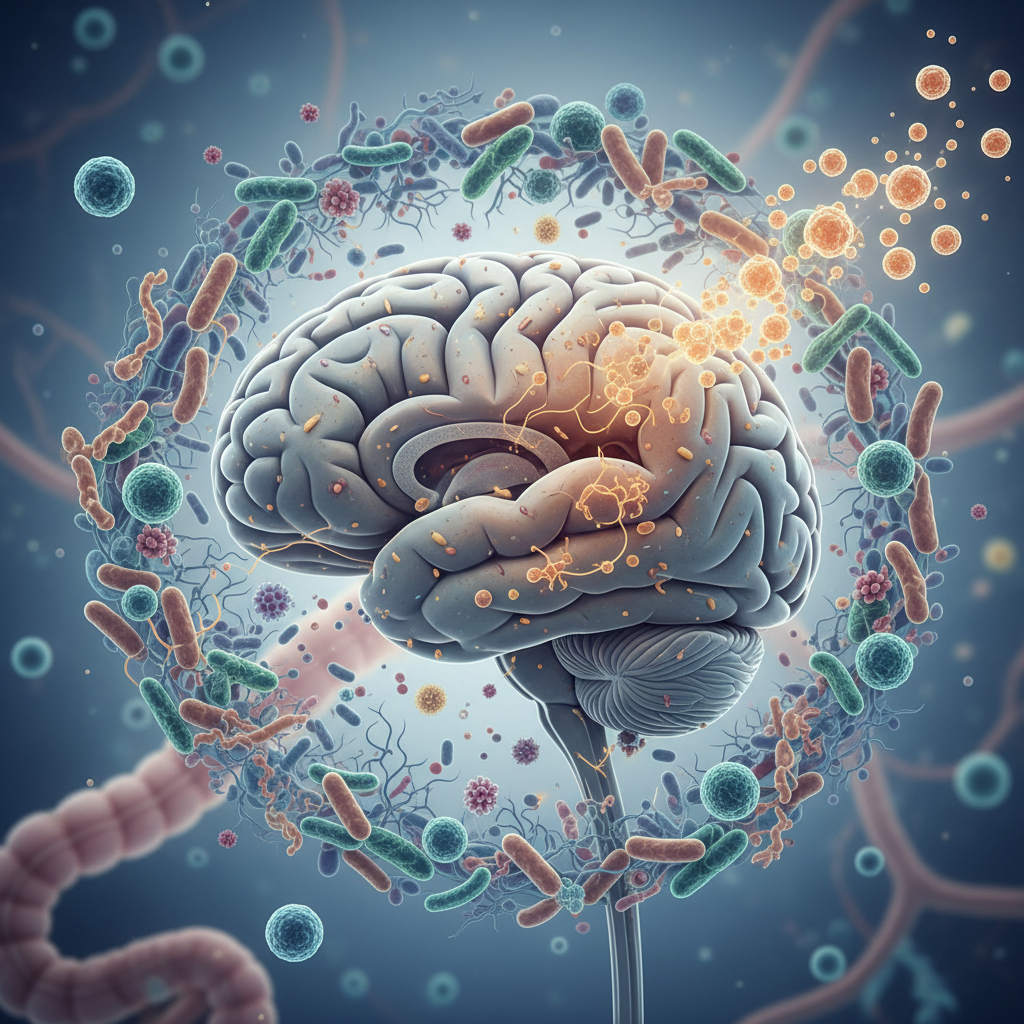
Stell dir vor, du könntest mit einer einfachen Flüssigkeit nicht nur die Symptome einer Krankheit wie Alzheimer lindern, sondern vielleicht sogar ihren Verlauf positiv beeinflussen, indem du direkt auf deinen Darm einwirkst. Eine faszinierende Vorstellung, oder? Genau dieser Frage sind Forschende der Liaoning University of Traditional Chinese Medicine in Dalian, China, in einer aktuellen Studie nachgegangen. Sie haben untersucht, wie ein traditionelles chinesisches Kräuterpräparat namens Shenzao Jiannao Oral Liquid (SZJN) bei Alzheimer-Mäusen wirkt und dabei einen besonderen Fokus auf die Darm-Hirn-Achse gelegt.
Die Forschenden wollten herausfinden, ob SZJN nicht nur die kognitiven Fähigkeiten verbessert, sondern auch die Darmgesundheit positiv beeinflusst und so möglicherweise einen neuen Therapieansatz für Alzheimer bietet. Dafür nutzten sie sogenannte APP/PS1-Doppeltransgene Mäuse, ein gängiges Tiermodell, das Alzheimer-ähnliche Symptome entwickelt. Diese Mäuse wurden in verschiedene Gruppen aufgeteilt: eine Kontrollgruppe, die nur eine Salzlösung erhielt; eine Gruppe, die ein bekanntes Alzheimer-Medikament (Donepezil Hydrochlorid) bekam; und drei Gruppen, die SZJN in unterschiedlichen Dosierungen (niedrig, mittel, hoch) erhielten. Zusätzlich gab es eine gesunde Mäusegruppe als Referenz. Alle Gruppen wurden acht Wochen lang täglich oral behandelt.
Die Wissenschaftler untersuchten die Mäuse auf verschiedene Weisen: Mit dem Morris-Wasserlabyrinth testeten sie Lern- und Gedächtnisfähigkeiten. Der Nist-Test gab Aufschluss über die alltäglichen Fähigkeiten. Im Darmgewebe wurden histopathologische Veränderungen, die Schleimbarriere und Proteine wie ZO-1 und Occludin, die für die Darmbarriere wichtig sind, analysiert. Auch Entzündungsmarker wurden untersucht. Ein zentraler Punkt war die Analyse der Darmmikrobiota mittels 16S rDNA-Sequenzierung, um Vielfalt und Zusammensetzung der Bakterienflora zu bestimmen.
Die Ergebnisse waren vielversprechend: Die Mäuse, die eine hohe Dosis SZJN erhielten, zeigten im Vergleich zur unbehandelten Alzheimer-Gruppe deutlich verbesserte Lern- und Gedächtnisleistungen. Sie fanden den Weg im Wasserlabyrinth schneller, überquerten die Plattform häufiger und verbrachten mehr Zeit im Zielquadranten. Auch ihre Nistfähigkeiten, ein Indikator für Alltagskompetenzen, waren besser. Parallel dazu zeigten sich im Darmgewebe weniger Schäden, eine verbesserte Zellmorphologie und eine stärkere Schleimbarriere. Die Proteine ZO-1 und Occludin, die für eine intakte Darmbarriere entscheidend sind, waren in der SZJN-Gruppe höher exprimiert. Gleichzeitig war die Expression des Makrophagen-Markers F4/80, der Entzündungen anzeigt, reduziert. Das Faszinierendste: Die Darmmikrobiota der SZJN-behandelten Mäuse zeigte eine erhöhte Artenvielfalt und ähnelte stärker der gesunder Mäuse.
Die Forschenden schliessen daraus, dass SZJN die Lern- und Gedächtnisfähigkeiten verbessert, Darmpathologien lindert und das Darmgewebe bei Alzheimer-Mäusen schützt – und all das durch die Regulation der Darmmikrobiota. Eine spannende Erkenntnis, die uns aufhorchen lässt.
Quelle: Zhang YX, Shi YJ, Li T, Bai JM, Shen YF, Shan SY, Li HY, Xiao HH (2026). [Shenzao Jiannao Oral Liquid treats Alzheimer's disease by regulating gut microbiota]. Zhongguo Zhong yao za zhi = Zhongguo zhongyao zazhi = China journal of Chinese materia medica, 51(3):791-798. PubMed-ID: 41814803
Was heisst das wirklich? – Die kritische Einordnung
Diese Studie liefert interessante Einblicke, aber wie bei jeder wissenschaftlichen Veröffentlichung ist es wichtig, die Ergebnisse richtig einzuordnen. Zuerst einmal: Die Studie wurde an Mäusen durchgeführt. Mäuse sind wertvolle Modelle, um grundlegende Mechanismen zu verstehen, aber ihre Physiologie ist nicht identisch mit der des Menschen. Was bei Mäusen wirkt, muss nicht zwangsläufig auch bei uns funktionieren. Das ist ein wichtiger Punkt, den du immer im Hinterkopf behalten solltest, wenn du über Tierstudien liest.
Die Forschenden haben hier eine gute Arbeit geleistet, indem sie verschiedene Parameter untersucht haben – von kognitiven Tests über histologische Analysen bis hin zur Mikrobiom-Sequenzierung. Das gibt uns ein umfassendes Bild der beobachteten Effekte. Die Verwendung eines etablierten Tiermodells (APP/PS1-Mäuse) erhöht die Relevanz der Ergebnisse für die Alzheimer-Forschung. Auch die positiven Effekte auf die Darmbarriere, gemessen an ZO-1 und Occludin, sind ein starkes Indiz für eine verbesserte Darmgesundheit.
Ein Aspekt, den wir genauer betrachten müssen, ist die Art des Präparats. SZJN ist ein traditionelles chinesisches Kräuterpräparat. Solche Präparate sind oft komplexe Mischungen aus vielen verschiedenen Pflanzenstoffen. Das macht es schwierig, genau zu identifizieren, welche Komponenten für die beobachteten Effekte verantwortlich sind. Ist es ein einzelner Wirkstoff oder das Zusammenspiel mehrerer Substanzen? Das bleibt hier offen und wäre für zukünftige Forschung wichtig.
Die Studie zeigt eine statistische Signifikanz der Ergebnisse, insbesondere bei der hohen Dosis von SZJN. Das bedeutet, die beobachteten Verbesserungen sind wahrscheinlich nicht zufällig. Doch auch hier gilt: Statistisch signifikant ist nicht gleich klinisch bedeutsam. Für die Mäuse mag es eine deutliche Verbesserung sein, aber wir können daraus noch nicht ableiten, wie gross der Effekt beim Menschen wäre und ob er ausreichen würde, um einen spürbaren Unterschied im Alltag zu machen. Die hier gemessenen Endpunkte sind zwar relevant, aber es sind keine „harten“ klinischen Endpunkte wie eine verlangsamte Progression der Demenz über Jahre hinweg. Es sind eher Surrogatparameter, die auf eine Verbesserung hindeuten.
Denkwerkzeug: Wenn du eine Studie liest, die in einem Tiermodell durchgeführt wurde, frage dich immer: „Wie gut lässt sich das auf mich übertragen? Gibt es bereits menschliche Studien, die ähnliche Mechanismen oder Wirkstoffe untersuchen?“
Diese Studie ist ein Puzzleteil in einem viel grösseren Bild und regt dazu an, über die Verbindung zwischen Darm und Gehirn intensiver nachzudenken.
Der Geist im Körper – Die psychophysiologische Perspektive
Hier kommen wir zum Kern dessen, was auf Jürg Höslis Plattform so wichtig ist: die untrennbare Verbindung zwischen Psyche und Körper. Diese Studie, obwohl an Mäusen durchgeführt, untermauert einmal mehr, wie eng Darm und Gehirn miteinander kommunizieren. Das ist die sogenannte Darm-Hirn-Achse, und sie ist nicht nur eine Einbahnstrasse.
Denk nur an die Placebo- und Nocebo-Effekte bei der Einnahme von Substanzen. Selbst wenn SZJN beim Menschen wirken sollte, wäre es denkbar, dass die Erwartungshaltung und der Glaube an die Wirksamkeit eines solchen Präparats einen zusätzlichen, nicht zu unterschätzenden Effekt haben. Wenn du überzeugt bist, dass etwas deiner Gesundheit hilft, kann allein diese Überzeugung physiologische Veränderungen anstossen. Dein Körper reagiert nicht nur auf die chemische Zusammensetzung, sondern auch auf deine mentale Einstellung dazu.
Ein weiterer psychophysiologischer Aspekt, der in dieser Art von Studie nicht direkt gemessen wird, ist die Rolle von Stress. Chronischer Stress beeinflusst nachweislich die Darmmikrobiota, die Darmbarriere und kann Entzündungen im Körper fördern – alles Faktoren, die auch in dieser Studie als verbessert durch SZJN genannt werden. Die Mäuse in der Modellgruppe litten unter Alzheimer-ähnlichen Symptomen, was für ein Tier natürlich auch eine Form von Stress bedeutet. Wenn SZJN die physiologischen Stressreaktionen mildert oder die Darmgesundheit so weit verbessert, dass der Körper besser mit Stress umgehen kann, könnte dies auch ein indirekter Weg sein, wie die kognitiven Funktionen profitieren.
Es ist gut denkbar, dass das Gefühl von Wohlbefinden und die Reduktion von Entzündungen, die durch SZJN vermittelt werden, auch psychologische Effekte haben, die wiederum die physiologischen Prozesse unterstützen. Eine verbesserte Darmgesundheit kann zu einer besseren Nährstoffaufnahme führen, weniger systemische Entzündungen bedeuten und somit auch den Stress auf den gesamten Organismus reduzieren. Und ein weniger gestresster Organismus, der sich besser fühlt, hat oft auch eine bessere kognitive Leistungsfähigkeit.
Diese Studie erinnert uns daran, dass wir die Komplexität des menschlichen Körpers – und der Maus – nicht auf einzelne Wirkstoffe reduzieren können. Es ist das Zusammenspiel vieler Faktoren, und unsere Psyche spielt dabei eine tragende Rolle, auch wenn sie im Labor oft schwer zu messen ist.
Der grössere Kontext – Einordnung und Abhängigkeiten
Die Erforschung der Darm-Hirn-Achse und ihrer Rolle bei neurodegenerativen Erkrankungen wie Alzheimer ist ein hochaktuelles und schnell wachsendes Forschungsfeld. Diese Studie reiht sich ein in eine wachsende Zahl von Arbeiten, die darauf hindeuten, dass unser Darmmikrobiom weit mehr als nur an der Verdauung beteiligt ist. Es beeinflusst unser Immunsystem, unsere Stimmung, und eben auch unsere Gehirnfunktion.
Die Idee, dass traditionelle chinesische Kräutermedizin (TCM) bei Alzheimer helfen könnte, ist nicht neu. Es gibt zahlreiche Studien, die verschiedene TCM-Rezepturen und deren potenzielle Wirkungen bei neurodegenerativen Erkrankungen untersuchen. Was diese Studie besonders macht, ist der explizite Fokus auf das Darmmikrobiom als Wirkmechanismus. Das zeigt, dass auch in der traditionellen Medizin moderne wissenschaftliche Ansätze genutzt werden, um alte Heilmethoden zu validieren und zu verstehen.
Ein wichtiger Kontextpunkt ist die Finanzierung und mögliche Interessenkonflikte. Die Autoren sind alle der School of Pharmacy an der Liaoning University of Traditional Chinese Medicine zugeordnet. Das ist an sich kein Interessenkonflikt, aber es ist immer gut zu wissen, aus welchem Umfeld eine Studie stammt. Die Studie wurde in einem chinesischen Fachjournal veröffentlicht, was bei der Einordnung der Ergebnisse berücksichtigt werden sollte. Ob und wie die Studie finanziert wurde, geht aus dem Abstract nicht hervor. Im Allgemeinen ist es wichtig, bei Studien zu patentierbaren Substanzen oder kommerziellen Produkten genau hinzuschauen.
Was in dieser Studie nicht kontrolliert wurde, sind andere Lebensstilfaktoren, die das Darmmikrobiom und die Alzheimer-Progression beeinflussen können, wie zum Beispiel die genaue Diät der Mäuse abseits des verabreichten Präparats oder Umweltfaktoren. Bei Tiermodellen sind diese Faktoren oft gut standardisiert, aber es ist immer eine Erinnerung daran, dass im menschlichen Leben unzählige Variablen eine Rolle spielen. Eine einzelne Studie ist immer nur ein Puzzleteil und ersetzt keine umfassende klinische Evidenz.
Denkwerkzeug: Bevor du aufgrund einer einzelnen Studie deine Gewohnheiten änderst, frage dich: „Gibt es weitere Studien, die diese Ergebnisse bestätigen? Wie gross ist die Studienpopulation, und wie lange wurde beobachtet? Und wer hat die Studie finanziert?“
Was heisst das für dich? – Fazit und Alltagsrelevanz
Was können wir nun aus dieser chinesischen Mäusestudie für unser eigenes Leben mitnehmen?
- Die Darm-Hirn-Verbindung ist real und wichtig: Auch wenn es sich um eine Tierstudie handelt, bestärkt sie die wachsende Erkenntnis, dass die Gesundheit deines Darms einen direkten Einfluss auf die Gesundheit deines Gehirns hat. Eine vielfältige und ausgewogene Darmflora scheint essenziell für kognitive Funktionen zu sein.
- Achte auf deine Darmgesundheit: Auch ohne ein spezielles Kräuterpräparat kannst du deine Darmgesundheit unterstützen. Eine ballaststoffreiche Ernährung, fermentierte Lebensmittel, ausreichend Bewegung und Stressmanagement sind bewährte Wege, um dein Mikrobiom zu pflegen. Das ist eine der besten Investitionen, die du in deine langfristige Gesundheit tätigen kannst.
- Traditionelle Medizin als Inspirationsquelle: Die Studie zeigt, wie traditionelle Heilmittel moderne Forschung anstossen können. Auch wenn du nicht sofort zu einem SZJN-Präparat greifst, kann sie dich dazu anregen, dich mit der Vielfalt der Natur und ihren potenziellen Heilkräften auseinanderzusetzen – immer im Dialog mit der modernen Wissenschaft.
Was du NICHT daraus schliessen solltest: Diese Studie ist kein Freifahrtschein, um dich selbst mit chinesischen Kräuterpräparaten bei Alzheimer zu behandeln. Die Forschung steht hier noch ganz am Anfang, und es sind umfangreiche Humanstudien nötig, um die Wirksamkeit und Sicherheit von SZJN beim Menschen zu belegen. Auch die genaue Formulierung und Qualität solcher Präparate kann stark variieren. Höre auf deinen Körper, aber verlasse dich bei ernsthaften Erkrankungen immer auf den Rat deiner Ärztin oder deines Arztes.
Diese Erkenntnisse sind besonders relevant für Menschen, die sich präventiv mit ihrer Hirngesundheit auseinandersetzen möchten oder bereits erste Anzeichen von kognitiven Beeinträchtigungen bemerken. Für Personen mit einer diagnostizierten Alzheimer-Erkrankung ist diese Studie ein vielversprechender Hinweis für zukünftige Therapien, aber noch keine aktuelle Behandlungsoption.
Der psychophysiologische Gedanke zum Schluss: Dein Körper ist ein komplexes System, in dem alles miteinander verbunden ist – dein Darm mit deinem Gehirn, und beides mit deinen Gedanken und Gefühlen. Eine ganzheitliche Gesundheitspflege, die sowohl körperliche als auch psychische Aspekte berücksichtigt, ist der Schlüssel zu einem vitalen Leben. Bleibe neugierig, informiere dich kritisch und vertraue auf deine Fähigkeit, die besten Entscheidungen für dich zu treffen.
Die Frage, welche spezifischen Bestandteile von SZJN genau wirken und wie sie im menschlichen Körper interagieren, bleibt offen. Es wird spannend sein zu sehen, wie die Forschung hier weitergeht. Vielleicht birgt die Weisheit alter Traditionen in Kombination mit modernster Wissenschaft noch viele weitere Geheimnisse für unsere Gesundheit.
Wissenschaftliche Quelle
Zhongguo Zhong yao za zhi = Zhongguo zhongyao zazhi = China journal of Chinese materia medica