Sättigung nach dem Essen: Ein neu entdecktes Molekül und seine Macht
Eine bahnbrechende Studie entdeckt pTOS, einen postprandialen Metaboliten, der Sättigung steuert. Erfahre, wie dieses Molekül, das auch in Schlangen vorkommt, dein Essverhalten beeinflussen könnte und warum die Psyche dabei eine Schlüsselrolle spielt.
1. Die Studie – Was wurde untersucht und warum betrifft dich das?
Du kennst das Gefühl: Du hast gerade gegessen, der Teller ist leer, und doch fragst du dich, ob du wirklich satt bist. Manchmal ist es ein befriedigendes Gefühl der Fülle, manchmal bleibt ein seltsames Loch, das nach mehr verlangt. Was genau steuert dieses komplexe Sättigungsgefühl und wie unser Körper nach einer Mahlzeit signalisiert, dass es genug ist? Eine brandneue Studie, veröffentlicht in der renommierten Fachzeitschrift Nature Metabolism, hat hier einen faszinierenden Baustein entdeckt, der unser Verständnis von Appetit und Energiebilanz revolutionieren könnte.
Ein internationales Forschungsteam unter der Leitung von Dr. Long J.Z. von der Stanford University hat einen bislang unbekannten Metaboliten identifiziert, der eine zentrale Rolle beim Sättigungsgefühl nach dem Essen spielt. Dieser als
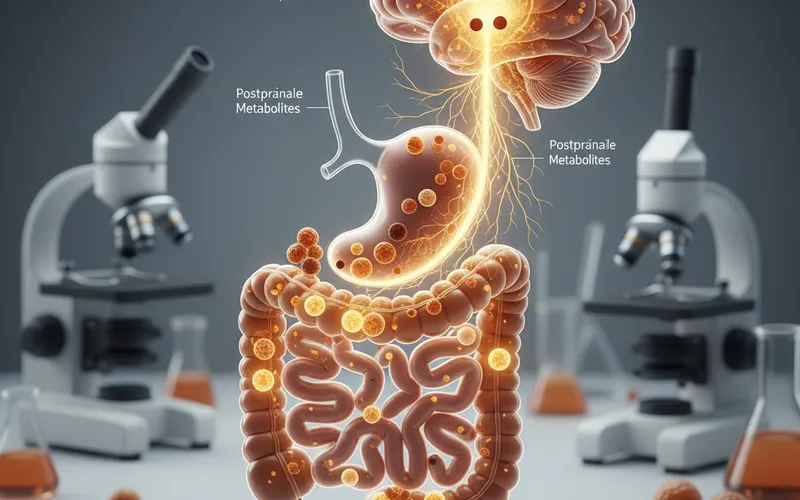
Die Forschenden nutzten eine hochentwickelte Metabolomik-Plattform, um nach dem Essen auftretende Stoffwechselprodukte zu analysieren. Sie führten Experimente mit Mäusen durch, denen sie pTOS verabreichten. Dabei zeigte sich, dass die Mäuse, die pTOS erhielten, deutlich weniger assen als die Kontrollgruppe. Auch bei menschlichen Probanden konnten die Forschenden nachweisen, dass die pTOS-Spiegel nach einer Mahlzeit ansteigen. Die Studie beleuchtet zudem den genauen Wirkmechanismus: pTOS aktiviert spezifische Nervenbahnen im Darm, die direkt mit dem Gehirn kommunizieren und dort das Sättigungszentrum beeinflussen.
Die zentrale Fragestellung war also: Gibt es unbekannte Moleküle, die nach dem Essen im Blutkreislauf zirkulieren und das Sättigungsgefühl regulieren? Und wie genau funktioniert das? Die Antwort darauf könnte weitreichende Implikationen für die Behandlung von Adipositas und Essstörungen haben, da es einen neuen Ansatzpunkt für Therapien bieten könnte. Die Studie ist ein schönes Beispiel dafür, wie Grundlagenforschung unser Verständnis von grundlegenden physiologischen Prozessen erweitert.
Quelle: Xiao S, Wang M, Martin TG, et al. (2026). Python metabolomics uncovers a conserved postprandial metabolite and gut-brain feeding pathway. Nature Metabolism. PubMed-ID: 41857429
2. Was heisst das wirklich? – Die kritische Einordnung
Eine Studie wie diese, die einen neuen, potenziell wichtigen Biomarker entdeckt, ist aufregend. Aber was bedeutet das jetzt wirklich für dich? Grosse Studien liefern oft Durchschnittswerte, doch dein Körper ist einzigartig. Wenn die Studie zeigt, dass der pTOS-Spiegel nach dem Essen ansteigt und die Nahrungsaufnahme reduziert, heisst das, dass dieser Mechanismus im Durchschnitt wirksam ist. Aber du bist nicht der Durchschnitt.
Die Forschenden haben hier einen "harten Endpunkt" im Tiermodell gemessen – die reduzierte Nahrungsaufnahme. Bei menschlichen Probanden wurde der Anstieg von pTOS nach dem Essen nachgewiesen. Das ist ein wichtiger Schritt, aber es ist noch ein langer Weg, bis wir wissen, ob eine gezielte Beeinflussung von pTOS beim Menschen wirklich zu einer nachhaltigen Gewichtsreduktion oder besseren Sättigung führt. Der Unterschied zwischen «statistisch signifikant» – was hier der Fall ist – und «klinisch bedeutsam» ist enorm. Ein kleiner Effekt im Labor muss nicht heissen, dass er im Alltag eine grosse Rolle spielt.
Die methodischen Stärken dieser Studie liegen in der innovativen Metabolomik-Ansatz und der Kombination von Tiermodellen mit menschlichen Daten. Die Entdeckung eines evolutionär konservierten Metaboliten ist ebenfalls ein starkes Argument für seine grundlegende Bedeutung. Eine Grenze ist jedoch, dass die genauen Auswirkungen auf das subjektive Sättigungsgefühl beim Menschen und die langfristigen Effekte noch nicht vollständig erforscht sind. Es wurden zwar menschliche Daten erhoben, aber die Interventionsstudien mit pTOS selbst wurden primär an Mäusen durchgeführt.
Für wen gelten die Ergebnisse? Primär für Säugetiere und potentiell für Menschen, die Probleme mit der Sättigungsregulation haben. Es ist ein vielversprechender Ansatzpunkt, aber noch keine fertige Lösung. Deshalb ist es wichtig, sich zu fragen:
3. Der Geist im Körper – Die psychophysiologische Perspektive
Hier kommen wir zum Kern dessen, was auf Jürg Höslis Plattform immer wieder betont wird: Psyche und Körper sind untrennbar miteinander verbunden. Die Entdeckung von pTOS ist faszinierend, aber sie beleuchtet nur einen Teil des komplexen Sättigungspuzzles. Was ist mit all den anderen Faktoren, die unser Essverhalten und unser Sättigungsgefühl beeinflussen?
Stell dir vor, du isst genau die gleiche Mahlzeit. Einmal bist du entspannt, geniesst jeden Bissen und bist voll bei der Sache. Ein anderes Mal bist du gestresst, isst nebenbei, scrollst durch dein Handy und bist mit den Gedanken woanders. Glaubst du, dein pTOS-Spiegel und die Nervensignale zum Gehirn sind in beiden Fällen genau gleich wirksam?
Es ist gut denkbar, dass Stress, emotionale Zustände und unsere Erwartungshaltungen die Wirkung von pTOS – oder die Wahrnehmung dieser Signale im Gehirn – modulieren. Wenn du unter chronischem Stress stehst, ist dein Körper in einem Zustand erhöhter Alarmbereitschaft. Das kann die Sensibilität für Sättigungssignale verringern, da der Körper auf "Speichern" statt auf "Sattsein" programmiert ist. Auch der Hawthorne-Effekt spielt hier eine Rolle: Allein das Wissen, dass man an einer Studie teilnimmt oder ein "sättigendes" Mittel einnimmt, kann das Essverhalten und die Wahrnehmung verändern.
Die reine physiologische Reaktion auf pTOS ist also nur ein Teil der Gleichung. Deine Überzeugungen über das Essen, deine emotionale Verfassung und dein Stresslevel könnten entscheidend dafür sein, ob ein Anstieg an pTOS im Blut tatsächlich zu einem befriedigenden Sättigungsgefühl führt oder ob diese Signale durch andere, stärkere psychische Impulse überlagert werden. Wenn du beispielsweise glaubst, dass ein bestimmtes Essen dich nicht sättigen wird, ist die Wahrscheinlichkeit hoch, dass du dich auch nach einer physiologisch ausreichenden Menge nicht satt fühlst.
4. Der grössere Kontext – Einordnung und Abhängigkeiten
Diese Studie ist ein Puzzleteil in einem riesigen und komplexen Forschungsfeld. Sie bestätigt die Annahme, dass unser Darm und unser Gehirn über eine Vielzahl von Botenstoffen und Nervenbahnen kommunizieren. Die Finanzierung der Studie durch verschiedene US-amerikanische Institutionen und Universitäten (Stanford, Baylor College of Medicine, University of Colorado etc.) deutet auf eine unabhängige Forschung hin, ohne offensichtliche Interessenkonflikte aus der Industrie. Das stärkt die Glaubwürdigkeit der Ergebnisse.
Diese Entdeckung reiht sich ein in die wachsende Erkenntnis, dass der Darm nicht nur ein Verdauungsorgan ist, sondern ein zentrales Steuerungsorgan für unsere Gesundheit, Stimmung und unser Essverhalten. pTOS ist ein weiteres Molekül in der langen Liste von Hormonen und Metaboliten, die an der Darm-Hirn-Achse beteiligt sind (z.B. Leptin, Ghrelin, GLP-1). Die Studie ist jedoch keine Bestätigung, sondern eine Erweiterung bestehender Erkenntnisse, indem sie einen neuen Akteur in diesem Netzwerk vorstellt.
Was in dieser Studie nicht kontrolliert wurde, sind die vielfältigen Lebensstilfaktoren, die das Sättigungsgefühl beeinflussen: die Zusammensetzung der Mahlzeit (Makronährstoffe, Ballaststoffe), die Essgeschwindigkeit, die Aufmerksamkeit während des Essens oder der individuelle Mikrobiom-Status. All diese Faktoren können die Produktion und Wirkung von Metaboliten wie pTOS beeinflussen. Es ist auch unklar, ob ein Mangel an pTOS bei Menschen mit Übergewicht oder Essstörungen eine Ursache oder eine Folge ist.
Deshalb solltest du dir die Frage stellen:
5. Was heisst das für dich? – Fazit und Alltagsrelevanz
Die Entdeckung von pTOS ist ein spannender wissenschaftlicher Fortschritt. Was kannst du aber aus dieser Studie für deinen Alltag mitnehmen?
- Achte auf deine Sättigung: Diese Studie erinnert uns daran, wie komplex das Sättigungsgefühl ist. Versuche, bewusster zu essen und auf die Signale deines Körpers zu hören. Vielleicht gibt es auch bei dir innere Signale, die du bisher überhört hast, weil du abgelenkt warst oder unter Stress standest.
- Die Darm-Hirn-Achse ist mächtig: Dein Darm ist eng mit deinem Gehirn verbunden. Was im Darm passiert – sei es die Produktion von pTOS oder anderen Botenstoffen – hat direkte Auswirkungen auf dein Gehirn und deine Gefühle. Pflege deinen Darm durch eine ausgewogene Ernährung.
- Nicht nur essen, sondern erleben: Die reine Kalorienzufuhr ist nur ein Teil der Geschichte. Wie du dich fühlst, während und nach dem Essen, ist entscheidend für dein Wohlbefinden und deine Sättigung. Versuche, Mahlzeiten als eine ganzheitliche Erfahrung zu sehen, die Körper und Geist nährt.
Was du
Diese Erkenntnisse sind besonders relevant für Menschen, die Schwierigkeiten haben, ihre Nahrungsaufnahme zu kontrollieren oder die nach dem Essen selten ein befriedigendes Sättigungsgefühl erleben. Für alle anderen ist es eine spannende Erinnerung daran, wie wunderbar komplex unser Körper ist.
Der psychophysiologische Gedanke zum Schluss: Auch wenn Wissenschaftler immer mehr einzelne Moleküle und deren Funktionen entdecken, vergiss nie, dass dein Körper ein integriertes System ist. Dein pTOS-Spiegel mag steigen, aber wenn dein Geist gestresst ist oder du dich nicht wertgeschätzt fühlst, kann das beste Sättigungssignal im Gehirn untergehen. Dein Körper reagiert nicht nur auf das, was du isst, sondern auch auf das, was du denkst und fühlst. Die Sättigung nach dem Essen ist also nicht nur eine Frage der Biologie, sondern auch der Psychologie.
Welche weiteren Moleküle und Mechanismen werden wir noch entdecken, die unser Essverhalten steuern? Die Reise der Wissenschaft geht weiter, und mit ihr unser Verständnis für die faszinierende Verbindung von Körper und Geist.