Omega-3 und Muskelkraft im Alter: Was ein neues Studienprotokoll verspricht
Eine chinesische Studie untersucht, ob Omega-3-Fettsäuren den Muskelschwund im Alter aufhalten können. Wir schauen uns das Studienprotokoll an und beleuchten die psychophysiologische Dimension dieser vielversprechenden Forschung.
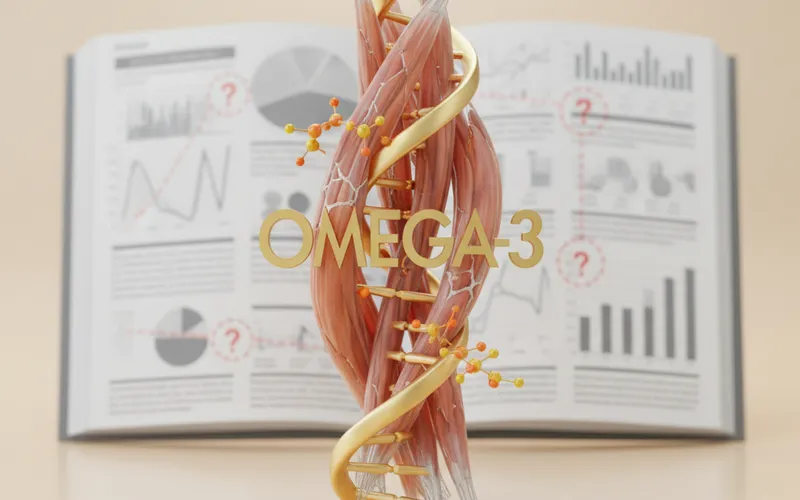
Die Studie – Was wurde untersucht und warum betrifft dich das?
Stell dir vor, du könntest mit einer einfachen Kapsel die Muskelkraft und -masse im Alter erhalten. Eine vielversprechende Vorstellung, besonders wenn man bedenkt, wie wichtig ein starker Körper für ein selbstbestimmtes Leben bis ins hohe Alter ist. Genau dieser Frage widmet sich eine neue Studie aus China, die das Potenzial von Omega-3-Fettsäuren zur Vorbeugung und Behandlung von Sarkopenie, dem altersbedingten Muskelschwund, untersucht.
Forschende des Department of Geriatrics am Medical Center on Aging des Ruijin Hospital der Shanghai Jiao Tong University School of Medicine haben ein detailliertes Protokoll für eine multizentrische, randomisierte, doppelblinde, placebokontrollierte Studie veröffentlicht. Das Ziel ist es, die Wirksamkeit von drei verschiedenen Omega-3-Fettsäuren-Regimen im Vergleich zueinander und zu einem Placebo (Maisöl) auf die Muskelgesundheit bei älteren Erwachsenen zu untersuchen, die ein hohes Risiko für Sarkopenie aufweisen.
Für die Studie sollen insgesamt 400 ältere Erwachsene ab 60 Jahren rekrutiert werden, die in der Gemeinschaft leben und bereits eine reduzierte Handgreifkraft aufweisen (Männer unter 28 kg, Frauen unter 18 kg). Diese Kriterien sind wichtige Indikatoren für beginnenden Muskelschwund. Die Teilnehmenden werden zufällig in vier Gruppen aufgeteilt: eine Gruppe erhält eine hohe Dosis Eicosapentaensäure (EPA), eine andere eine hohe Dosis Docosahexaensäure (DHA), eine dritte eine hohe Dosis sn2-DHA und die vierte Gruppe ein Maisöl-Placebo. Alle Interventionen werden über sechs Monate als Kapseln mit einer Tagesdosis von 2.5 Gramm verabreicht.
Der primäre Endpunkt, also das Hauptziel der Messung, ist die Veränderung der Handgreifkraft. Zusätzlich werden sekundäre Endpunkte wie Veränderungen der Skelettmuskelmasse, der körperlichen Funktion, entzündungs- und stoffwechselbezogene Blutbiomarker sowie die Diversität der Darmmikrobiota erfasst. Die Studie wurde vom Ethikkomitee des Ruijin Hospitals genehmigt und die Ergebnisse sollen in internationalen Fachzeitschriften veröffentlicht werden.
Quelle: Zhang Z, Jiang Y, Su S, Wang L, Bian D (2026). Omega-3 polyunsaturated fatty acid supplementation for muscle health in community-dwelling older adults at high risk of sarcopenia: protocol for a multicentre, randomised, double-blind, placebo-controlled trial. BMJ open, 16(2). PubMed-ID: 41760148
Was heisst das wirklich? – Die kritische Einordnung
Diese Studie, genauer gesagt ihr Protokoll, ist ein vielversprechender Ansatz, um die Rolle von Omega-3-Fettsäuren bei der Muskelgesundheit im Alter zu beleuchten. Das Design als multizentrische, randomisierte, doppelblinde und placebokontrollierte Studie ist der Goldstandard in der Forschung. Es minimiert Verzerrungen und ermöglicht es, kausale Zusammenhänge zwischen der Omega-3-Supplementierung und den gemessenen Parametern herzustellen.
Die Wahl der Handgreifkraft als primären Endpunkt ist sinnvoll, da sie ein etablierter und einfach messbarer Indikator für die allgemeine Muskelkraft und ein Prädiktor für Sarkopenie und Mortalität ist. Auch die sekundären Endpunkte wie Skelettmuskelmasse und körperliche Funktion sind direkt relevant. Besonders interessant ist die Untersuchung von Entzündungsmarkern, Stoffwechselparametern und der Darmmikrobiota, da Omega-3-Fettsäuren für ihre entzündungshemmende Wirkung bekannt sind und die Darmgesundheit zunehmend mit der allgemeinen Gesundheit und auch der Muskelgesundheit in Verbindung gebracht wird.
Ein wichtiger Aspekt ist, dass hier verschiedene Formen von Omega-3-Fettsäuren (EPA, DHA, sn2-DHA) verglichen werden. Dies könnte wertvolle Erkenntnisse darüber liefern, welche spezifische Fettsäure oder Kombination am wirksamsten ist. Die relativ hohe Dosis von 2.5 Gramm pro Tag ist ebenfalls ein Faktor, der die Wahrscheinlichkeit erhöht, einen Effekt zu sehen, falls einer vorhanden ist.
Allerdings handelt es sich hier noch um ein Studienprotokoll. Die Ergebnisse liegen noch nicht vor. Es ist wichtig zu bedenken, dass die Stichprobe mit 400 Teilnehmenden zwar beachtlich ist, die Ergebnisse aber primär für die untersuchte Altersgruppe mit hohem Sarkopenie-Risiko gelten. Ob jüngere, gesündere Menschen oder Personen mit anderen Vorerkrankungen in gleichem Masse profitieren, kann diese Studie nicht beantworten.
Denkwerkzeug: Wenn du selbst über eine Nahrungsergänzung nachdenkst, um deine Muskelgesundheit zu unterstützen: Überlege, ob die beschriebene Studiengruppe (Alter, Gesundheitszustand) deiner eigenen Situation ähnelt und ob die gemessenen Effekte (z.B. Handgreifkraft) für dich persönlich die wichtigsten sind. Oder suchst du vielleicht nach anderen Effekten, die hier nicht direkt untersucht werden?
Der Geist im Körper – Die psychophysiologische Perspektive
Während diese Studie methodisch solide zu sein scheint, beleuchtet sie, wie viele andere auch, primär die biochemischen und physiologischen Aspekte der Muskelgesundheit. Aus psychophysiologischer Sicht ist es jedoch entscheidend zu fragen: Was ist mit dem, was zwischen den Ohren passiert? Omega-3-Fettsäuren sind bekannt für ihre positiven Effekte auf die Gehirnfunktion und Stimmung. Es ist gut denkbar, dass eine verbesserte Stimmung, eine Reduktion von Ängsten oder eine erhöhte kognitive Leistungsfähigkeit, die durch Omega-3 erreicht werden könnte, sich indirekt auch auf die Muskelgesundheit auswirkt.
Muskelkraft ist nicht nur eine Frage der Biologie, sondern auch der Motivation, der Selbstwirksamkeitserwartung und der psychischen Resilienz. Wenn sich ältere Menschen durch die Einnahme eines Supplements mental besser fühlen, könnten sie motivierter sein, sich zu bewegen, aktiver am Leben teilzunehmen und somit ihre Muskeln mehr zu nutzen. Dieser psychische Schub könnte die physiologischen Effekte der Omega-3-Fettsäuren verstärken, oder sogar unabhängig davon positive Auswirkungen haben.
Ein weiterer Aspekt ist der Placebo-Effekt. Die Tatsache, dass die Teilnehmenden wissen, dass sie an einer Studie teilnehmen und möglicherweise ein wirksames Mittel erhalten, kann bereits physiologische Veränderungen hervorrufen. Auch wenn die Studie doppelblind ist, so ist die Erwartungshaltung der Teilnehmenden an die Wirkung des Supplements ein mächtiger Faktor. Die Gruppe, die Maisöl erhält, weiss, dass sie ein Placebo bekommen könnte, aber nicht, dass es definitiv ein Placebo ist. Die blosse Hoffnung auf Verbesserung kann zu einer erhöhten Aktivität oder einem besseren Wohlbefinden führen, was die gemessenen Ergebnisse beeinflussen könnte.
Es wäre spannend zu sehen, ob die Studie auch psychologische Parameter wie Lebensqualität, Stimmung oder Motivation erfassen wird, um den ganzheitlichen Einfluss der Supplementierung besser zu verstehen. Denn die beste biologische Intervention nützt wenig, wenn die mentale Bereitschaft fehlt, die damit einhergehenden Lebensstiländerungen umzusetzen oder den Körper aktiv zu fordern.
Der grössere Kontext – Einordnung und Abhängigkeiten
Sarkopenie ist ein globales Gesundheitsproblem, dessen Prävalenz mit der alternden Weltbevölkerung zunimmt. Die Suche nach effektiven und zugänglichen Präventions- und Behandlungsstrategien ist daher von grosser Bedeutung. Omega-3-Fettsäuren stehen schon länger im Fokus der Forschung, wenn es um Entzündungen, Herz-Kreislauf-Erkrankungen und neurokognitive Funktionen geht. Studien, die ihre Rolle bei der Muskelgesundheit untersuchen, sind eine logische Erweiterung dieser Forschung.
Diese Studie ist besonders interessant, da sie nicht nur die generelle Wirkung von Omega-3 untersucht, sondern auch die spezifischen Effekte von EPA, DHA und sn2-DHA vergleicht. Das könnte uns helfen, präzisere Empfehlungen zur Omega-3-Supplementierung zu entwickeln. Die Finanzierung durch chinesische Forschungseinrichtungen und die Erklärung, dass keine Interessenkonflikte vorliegen, stärkt die Glaubwürdigkeit der Studie.
Was jedoch in vielen Studien, auch in dieser, nicht vollständig kontrolliert werden kann, sind die vielfältigen Lebensstilfaktoren, die die Muskelgesundheit beeinflussen. Ernährung, körperliche Aktivität ausserhalb des Studienprotokolls, Schlafqualität, Stresslevel und soziale Interaktionen sind allesamt Faktoren, die die Ergebnisse beeinflussen könnten. Obwohl randomisierte Studien versuchen, diese Faktoren gleichmässig auf die Gruppen zu verteilen, ist die individuelle Variabilität innerhalb dieser Faktoren enorm.
Denkwerkzeug: Bevor du eine neue Nahrungsergänzung in Erwägung ziehst, frage dich: Habe ich bereits meine grundlegenden Lebensstilfaktoren optimiert (ausreichend Bewegung, ausgewogene Ernährung, guter Schlaf, Stressmanagement), die bekanntermassen einen grossen Einfluss auf meine Gesundheit haben? Oder suche ich vielleicht nach einer «Pille», die diese grundlegenden Anstrengungen ersetzen soll?
Was heisst das für dich? – Fazit und Alltagsrelevanz
Auch wenn die Ergebnisse dieser Studie noch ausstehen, liefert das Protokoll wichtige Hinweise und bestärkt die Relevanz von Omega-3-Fettsäuren für die allgemeine Gesundheit, insbesondere im Alter. Für dich bedeutet das:
- Omega-3 ist wichtig: Unabhängig von dieser Studie gibt es bereits eine Fülle von Belegen für die positiven Effekte von Omega-3-Fettsäuren auf Entzündungen, Herz-Kreislauf-System und Gehirn. Eine ausreichende Zufuhr über die Ernährung (fetter Fisch, Leinöl) oder hochwertige Supplemente ist eine gute Grundlage für deine Gesundheit.
- Muskelgesundheit ist mehrdimensional: Diese Studie fokussiert auf Supplemente, doch vergiss nicht, dass Bewegung – insbesondere Krafttraining – der Goldstandard zur Erhaltung und zum Aufbau von Muskelmasse im Alter ist. Omega-3 kann eine Ergänzung sein, aber kein Ersatz für körperliche Aktivität.
- Höre auf deinen Körper: Auch wenn wissenschaftliche Studien wertvolle Hinweise liefern, ist jeder Mensch einzigartig. Beobachte, wie dein Körper auf bestimmte Nahrungsmittel oder Supplemente reagiert. Die psychophysiologische Verbindung bedeutet, dass dein Wohlbefinden und deine Erwartungen eine Rolle spielen.
Was du aber nicht daraus schliessen solltest, ist, dass eine Omega-3-Kapsel allein alle Probleme des altersbedingten Muskelschwunds lösen wird. Es ist ein vielversprechender Baustein in einem komplexen Puzzle. Das Hauptaugenmerk sollte immer auf einem ganzheitlichen Lebensstil liegen, der Ernährung, Bewegung, Schlaf und emotionales Wohlbefinden umfasst. Diese Studie ist besonders relevant für dich, wenn du über 60 bist und bereits Anzeichen von Muskelschwäche bemerkst oder präventiv handeln möchtest.
Bleibt die Frage, welche spezifische Omega-3-Form am effektivsten ist und ob die beobachteten Effekte auch im Alltag spürbar sind. Die Zeit, und die fertige Studie, werden es zeigen. Sei gespannt – und bleib aktiv, sowohl körperlich als auch geistig!