Nährstoffe für den Kopf: Was Supplemente bei kognitiver Leistung wirklich bringen
Vergesslichkeit im Alter? Viele hoffen auf Nahrungsergänzungsmittel. Eine neue Meta-Analyse nimmt die gängigsten Supplemente unter die Lupe und zeigt überraschende Ergebnisse für Gedächtnis, Verarbeitungsgeschwindigkeit und die globale Kognition.
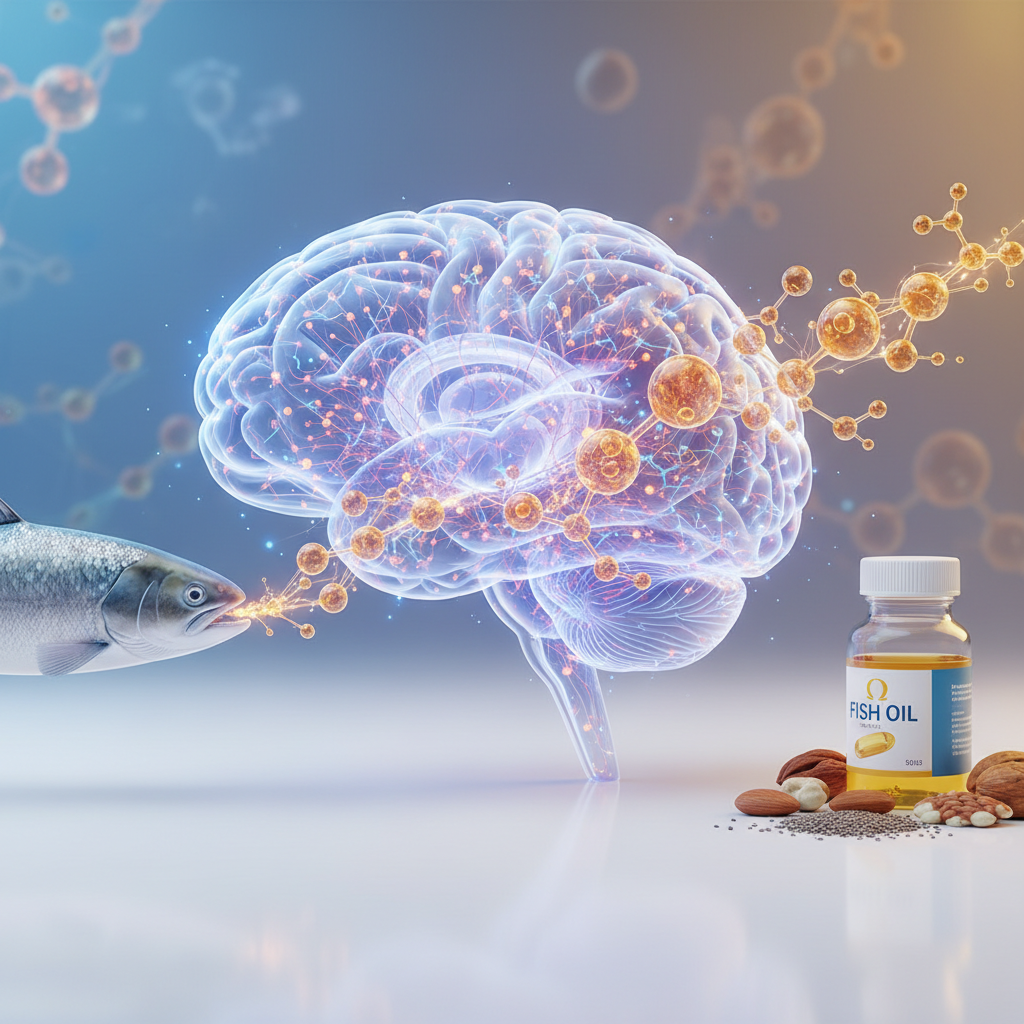
Die Studie – Was wurde untersucht und warum betrifft dich das?
Stell dir vor, du stehst im Supermarkt und kannst dich plötzlich nicht mehr an den Namen der Person erinnern, die dir gestern noch so vertraut war. Oder du merkst, wie dir im Gespräch immer häufiger die richtigen Worte fehlen. Solche Momente sind für viele von uns im Alter eine beunruhigende Realität. Die Sorge um die geistige Fitness und das Gedächtnis wächst, je älter wir werden. Kein Wunder also, dass der Markt für Nahrungsergänzungsmittel, die das Gehirn stärken sollen, boomt. Aber halten diese Versprechen auch, was sie suggerieren? Genau dieser Frage ist ein Forschungsteam aus China um Liu X. und Wang H. nachgegangen.
Sie haben eine umfassende Netzwerk-Meta-Analyse durchgeführt, um die Wirksamkeit verschiedener Nährstoffsupplemente auf die kognitive Funktion bei gesund alternden Menschen und Patienten mit leichter kognitiver Beeinträchtigung (Mild Cognitive Impairment, MCI) zu untersuchen. Diese Art von Analyse ist besonders wertvoll, da sie nicht nur einzelne Studien zusammenfasst, sondern auch indirekte Vergleiche zwischen verschiedenen Behandlungen ermöglicht, selbst wenn diese nie direkt miteinander verglichen wurden. Die zentrale Fragestellung war: Welche Nahrungsergänzungsmittel können die kognitive Funktion erhalten oder verbessern?
Die Forschenden konzentrierten sich auf randomisierte kontrollierte Studien (RCTs), die als Goldstandard in der klinischen Forschung gelten. Sie suchten nach Studien, die den Einfluss von Nährstoffsupplementen auf kognitive Funktionen untersuchten, wobei sowohl gesunde ältere Erwachsene als auch MCI-Patienten eingeschlossen wurden. Als primäres Ergebnis massen sie Veränderungen der kognitiven Funktion, während sekundäre Ergebnisse Veränderungen in biochemischen Blutmarkern wie Homocystein, Vitamin B12 und Serumfolat umfassten.
Die Ergebnisse dieser riesigen Datensammlung sind faszinierend: Eine Kombination aus Docosahexaensäure (DHA) + Eicosapentaensäure (EPA) + Vitamin E + Tryptophan + Melatonin sowie Melatonin allein zeigten eine signifikante Verbesserung der globalen kognitiven Funktion. Für das Gedächtnis waren DHA, Folsäure + DHA und die genannte umfassende Kombination wirksam. DHA allein zeigte zudem Vorteile bei der Verbesserung der Verarbeitungsgeschwindigkeit. Vitamin D3 wurde ebenfalls mit Verbesserungen in Verbindung gebracht.
Quelle: Liu X, Yang C, Wang X, Liao H, Liu H, Ma J, Sun Y, Wang H (2026). Nutritional supplements and cognition in healthy aging and mild cognitive impairment patients: a systematic review and network meta-analysis. J Prev Alzheimers Dis, 13(5):100518. PubMed-ID: 41764841
Was heisst das wirklich? – Die kritische Einordnung
Diese Meta-Analyse ist ein wichtiges Puzzleteil in der Diskussion um Nahrungsergänzungsmittel und kognitive Gesundheit. Die Tatsache, dass es sich um eine Netzwerk-Meta-Analyse handelt, ist ein grosser Pluspunkt, da sie eine breitere Datenbasis und Vergleichsmöglichkeiten bietet. Doch wie bei jeder Studie, die mit Durchschnittswerten arbeitet, ist es entscheidend, genauer hinzuschauen, was diese Ergebnisse für dich persönlich bedeuten.
„Statistisch signifikant“ bedeutet oft, dass ein Effekt messbar ist, aber nicht unbedingt, dass er für dich im Alltag einen spürbaren Unterschied macht. Die Verbesserung der kognitiven Funktion mag statistisch nachweisbar sein, aber ist sie auch „klinisch bedeutsam“? Das heisst, verbessert sich deine Lebensqualität wirklich spürbar? Die Studie nennt zwar konkrete Ergebnisse wie die Verbesserung des Gedächtnisses oder der Verarbeitungsgeschwindigkeit, aber sie quantifiziert nicht, wie gross dieser Effekt war. Ein kleiner Effekt, der nur in Labortests sichtbar ist, kann im Alltag schnell untergehen.
Zudem wurden hier Surrogatparameter (Blutwerte) und kognitive Testergebnisse gemessen. Ein verbesserter Blutwert oder ein besserer Punktwert in einem Gedächtnistest ist noch kein direkter Beweis für eine langfristig verbesserte Lebensqualität oder eine Prävention von Demenz. Es sind Indikatoren, die weitere Forschung rechtfertigen, aber keine Garantien. Die Studie hat die Dinge gut gemacht, indem sie sich auf RCTs konzentrierte, die methodisch am stärksten sind. Allerdings ist die Heterogenität der eingeschlossenen Studien – unterschiedliche Dosierungen, Behandlungsdauern und kognitive Testbatterien – eine inhärente Grenze jeder Meta-Analyse. Auch wenn die Autoren versuchen, dies zu berücksichtigen, kann es die Aussagekraft beeinflussen.
Und für wen gelten diese Ergebnisse? Die Studie schloss sowohl gesunde ältere Erwachsene als auch Patienten mit leichter kognitiver Beeinträchtigung ein. Das ist eine breite Spanne. Wenn du gesund bist, könnten die Effekte für dich geringer ausfallen als für jemanden, der bereits leichte Einschränkungen hat. Die Ergebnisse sind also nicht pauschal auf jeden übertragbar. Bevor du also zum Supplement greifst, frage dich: Wie stark sind meine aktuellen kognitiven Einschränkungen und passen die Studienteilnehmer zu meiner individuellen Situation und meinen Zielen?
Der Geist im Körper – Die psychophysiologische Perspektive
Hier kommen wir zum Kern dessen, was in vielen Studien oft übersehen wird: Die untrennbare Verbindung zwischen Psyche und Physiologie. Wenn es um Nährstoffe und Kognition geht, spielen Erwartungen, Überzeugungen und unser allgemeines Wohlbefinden eine entscheidende Rolle – und zwar messbar.
Denken wir an den Placebo-Effekt. Allein die Überzeugung, etwas Gutes für unser Gehirn zu tun, kann physiologische Veränderungen anstossen. Wenn du ein Supplement einnimmst, weil du glaubst, es wird dir helfen, dann ist es gut denkbar, dass diese positive Erwartungshaltung bereits einen Teil des beobachteten Effekts ausmacht. Dein Gehirn ist keine isolierte Maschine, die einfach nur auf biochemische Signale reagiert. Es ist ein hochkomplexes System, das von deinen Emotionen, deinem Stresslevel und deiner inneren Haltung massgeblich beeinflusst wird.
Ein Beispiel dafür ist Melatonin. Die Studie zeigt, dass Melatonin allein die globale kognitive Funktion verbessern kann. Melatonin ist bekannt als Schlafhormon. Wenn Melatonin den Schlaf verbessert, verbessert sich oft auch die kognitive Funktion, da Schlaf eine entscheidende Rolle bei der Gedächtniskonsolidierung und der Regeneration des Gehirns spielt. Ist es also das Melatonin selbst, das die Kognition direkt beeinflusst, oder ist es die verbesserte Schlafqualität, die durch Melatonin induziert wird und sich dann positiv auf die Kognition auswirkt? Die Studie erfasst diese psychophysiologische Interaktion nicht im Detail, aber es ist ein wichtiger Aspekt, den wir bedenken müssen.
Ähnlich verhält es sich mit Tryptophan, einer Vorstufe von Serotonin und Melatonin. Wenn Tryptophan über die Ernährung oder Supplemente zugeführt wird, kann es die Stimmung und den Schlaf verbessern, was wiederum indirekt die kognitive Funktion positiv beeinflussen kann. Chronischer Stress, Angstzustände oder depressive Verstimmungen sind bekanntermassen kognitive Killer. Wenn ein Supplement (oder die damit verbundene Erwartung) diese psychischen Belastungen mindert, ist ein positiver Effekt auf die Kognition fast vorprogrammiert, auch wenn der direkte biochemische Wirkmechanismus womöglich nur ein Teil der Geschichte ist. Die psychische Verfassung ist ein mächtiger Confounder, der in vielen Studien nur unzureichend berücksichtigt wird.
Der grössere Kontext – Einordnung und Abhängigkeiten
Diese Studie ist eine willkommene Ergänzung zur bestehenden Literatur, da sie eine breite Palette von Supplementen in einer Netzwerk-Meta-Analyse vergleicht. Sie bestätigt teilweise bestehende Erkenntnisse, wie die Bedeutung von Omega-3-Fettsäuren (DHA) für die Gehirnfunktion, und liefert neue Hinweise auf die Rolle von Melatonin.
Finanziert wurde die Studie von verschiedenen chinesischen Institutionen, darunter das Tianjin University Central Hospital und die Nankai University. Es liegen keine Angaben zu Interessenkonflikten vor, was die Glaubwürdigkeit der Ergebnisse stärkt. Es ist wichtig zu sehen, dass diese Studie ein Puzzleteil in einem viel grösseren Bild ist. Einzelne Studien, selbst Meta-Analysen, sind niemals die ultimative Wahrheit. Die Forschung zur Kognition und Nahrungsergänzung ist ein dynamisches Feld, in dem immer wieder neue Erkenntnisse hinzukommen.
Was nicht kontrolliert wurde, sind die unzähligen Lebensstilfaktoren, die ebenfalls einen massgeblichen Einfluss auf die Kognition haben. Ernährungsgewohnheiten abseits der Supplemente, körperliche Aktivität, soziale Interaktion, geistige Herausforderungen, Stressmanagement und die Qualität des Schlafs – all diese Faktoren spielen eine Rolle und können die Wirkung eines Supplements überlagern oder verstärken. Die Studie konzentriert sich auf die Nährstoffe, aber unser Gehirn funktioniert nicht im Vakuum.
Wenn du überlegst, ein Supplement einzunehmen, frage dich: Welche anderen Aspekte meines Lebensstils könnte ich optimieren, die vielleicht einen noch grösseren Einfluss auf meine kognitive Gesundheit haben, als die Einnahme eines einzelnen Nährstoffs?
Was heisst das für dich? – Fazit und Alltagsrelevanz
Was kannst du aus dieser umfassenden Analyse für deinen Alltag mitnehmen? Erstens: Es gibt Hinweise darauf, dass bestimmte Nahrungsergänzungsmittel, insbesondere DHA, Folsäure und Melatonin, sowie deren Kombinationen, einen positiven Einfluss auf verschiedene kognitive Funktionen haben können. Wenn du also das Gefühl hast, dass dein Gedächtnis oder deine Verarbeitungsgeschwindigkeit nachlässt, könnte es sich lohnen, diese Nährstoffe genauer zu betrachten.
Zweitens: Eine Kombination aus DHA, EPA, Vitamin E, Tryptophan und Melatonin zeigte die umfassendsten positiven Effekte auf die globale Kognition. Dies deutet darauf hin, dass ein multimodaler Ansatz, der verschiedene Aspekte der Gehirnfunktion adressiert, effektiver sein könnte als die Fokussierung auf einen einzelnen Nährstoff. Melatonin allein zeigte ebenfalls vielversprechende Ergebnisse für die globale Kognition, was die Bedeutung eines guten Schlafs für die Gehirnleistung unterstreicht.
Was du daraus nicht schliessen solltest: Diese Studie ist kein Freifahrtschein für den unkritischen Konsum von Nahrungsergänzungsmitteln. Sie ersetzt keine ausgewogene Ernährung, regelmässige Bewegung, ausreichend Schlaf und ein gutes Stressmanagement. Supplemente können eine Ergänzung sein, aber sie sind kein Ersatz für einen gesunden Lebensstil. Blindes Vertrauen in eine Pille, ohne die anderen Stellschrauben zu beachten, wird dich wahrscheinlich enttägern. Für wen ist das besonders relevant? Für ältere Menschen, die bereits leichte kognitive Beeinträchtigungen bemerken, oder für jene, die präventiv etwas für ihre geistige Fitness tun möchten. Wenn du jedoch ein junger, gesunder Mensch bist, sind die Effekte für dich wahrscheinlich geringer und die Priorität sollte auf den grundlegenden Lebensstilfaktoren liegen.
Dein Körper und dein Geist sind eine untrennbare Einheit. Die Wirkung von Nährstoffen auf dein Gehirn wird immer auch von deinem Stresslevel, deiner Schlafqualität und deinen inneren Überzeugungen mitbestimmt. Bevor du also zu einem Supplement greifst, schau genau hin: Wie geht es dir emotional? Schläfst du genug? Bewegst du dich regelmässig? Eine ganzheitliche Betrachtung ist der Schlüssel.
Es bleibt spannend zu sehen, welche weiteren Erkenntnisse die Forschung in diesem Bereich liefern wird. Vielleicht werden wir in Zukunft noch präzisere Empfehlungen erhalten, die auf individuelle Bedürfnisse zugeschnitten sind. Bis dahin gilt: Bleib neugierig, höre auf deinen Körper und hinterfrage kritisch, was dir versprochen wird.
Wissenschaftliche Quelle
The journal of prevention of Alzheimer's disease