Wie Omega-3-Fettsäuren Zugvögeln beim Energiesparen helfen können
Eine Studie an Zugvögeln zeigt, wie Omega-3-Fettsäuren die Körpertemperatur und damit den Energieverbrauch bei Kälte beeinflussen. Was bedeutet das für die Tiere – und welche Parallelen gibt es zum Menschen?
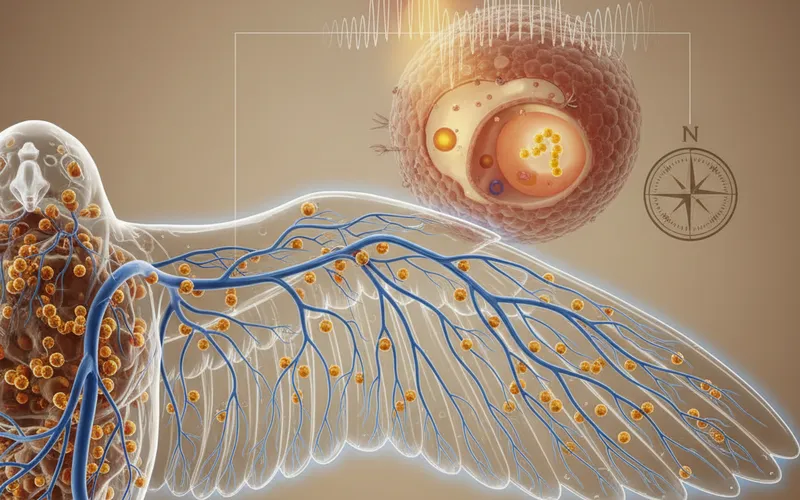
Die Studie – Was wurde untersucht und warum betrifft dich das?
Stell dir vor, du bist ein kleiner Vogel, der Tausende von Kilometern zurücklegen muss. Eine solche Zugreise ist ein wahrer Marathon, der extrem viel Energie kostet. Jedes Gramm, das du sparen kannst, jeder Energietropfen, der nicht unnötig verbraucht wird, kann über Leben und Tod entscheiden. Wie schaffen es diese kleinen Wunderwerke der Natur, solche unglaublichen Leistungen zu vollbringen? Eine neue Studie aus dem Bereich der ökologischen und evolutionären Physiologie hat sich genau dieser Frage gewidmet – und dabei eine spannende Rolle für Omega-3-Fettsäuren entdeckt. Du fragst dich vielleicht, was das mit dir zu tun hat? Nun, auch wenn du kein Zugvogel bist, geht es auch in deinem Körper ständig darum, Energie effizient zu nutzen und deine Körpertemperatur zu regulieren. Die Mechanismen, die hier am Werk sind, könnten auch für uns Menschen interessante Parallelen aufweisen.
Ein Team um Young, Dick, Ivy und Guglielmo von der University of Western Ontario in Kanada hat untersucht, wie die Ernährung, insbesondere die Aufnahme von Omega-3-Fettsäuren, die Thermoregulation von Zugvögeln beeinflusst. Die zentrale Annahme war, dass die Fähigkeit, die Körpertemperatur zu senken – ähnlich einem kontrollierten Torpor oder der Winterstarre – den Tieren helfen könnte, Energie zu sparen. Zudem wird vermutet, dass Omega-3-Fettsäuren die Flugmuskulatur auf die Migrationsleistung vorbereiten könnten, was bisher aber nicht im Kontext der Thermoregulation untersucht wurde.
Für ihre Untersuchung fütterten die Forschenden Westliche Sandläufer (Calidris mauri), eine Zugvogelart, mit zwei unterschiedlichen Diäten: eine reich an n-3 langkettigen mehrfach ungesättigten Fettsäuren (n-3 LCPUFA) und eine andere mit einem hohen Anteil an einfach ungesättigten Fettsäuren. Anschliessend massen sie verschiedene Stoffwechselparameter und die Körpertemperatur der Vögel unter Kälteexposition. Die Stichprobe umfasste eine ausreichende Anzahl von Vögeln, um statistisch aussagekräftige Ergebnisse zu erzielen, auch wenn die genaue Anzahl im Abstract nicht spezifiziert wird.
Die Ergebnisse waren auf den ersten Blick überraschend und auf den zweiten Blick sehr spezifisch: Die Diät hatte keinen Einfluss auf den grundlegenden, ruhenden oder maximalen Stoffwechsel als Reaktion auf Kälte. Auch die Körpertemperatur im Ruhezustand über 24 Stunden blieb unabhängig von der Diät gleich. Doch die entscheidende Erkenntnis war: Sandläufer, die eine n-3 LCPUFA-reiche Diät erhalten hatten, zeigten nach einer Kältereaktion eine signifikant niedrigere Körpertemperatur (5.98 ± 1.80 [SE]). Diese niedrigere Körpertemperatur war wiederum mit einem reduzierten Stoffwechsel bei tiefen Temperaturen verbunden, verglichen mit den Vögeln, die eine Diät mit hohem Anteil an einfach ungesättigten Fettsäuren erhielten. Das deutet darauf hin, dass n-3 LCPUFA das thermoregulatorische Phänotyp der Sandläufer verändern, ohne dass dies mit standardmässigen Stoffwechselmessungen konsistent erfasst werden konnte.
Die Forschenden schliessen daraus, dass die Verfügbarkeit unterschiedlicher diätetischer Fettsäuren die Thermoregulation bei Zugvögeln beeinflussen könnte. Angesichts steigender Meerestemperaturen, die die Verfügbarkeit von n-3 LCPUFA reduzieren könnten, sei es wichtig, deren Rolle in der Physiologie und Leistung von Tieren zu verstehen, die sie in grossen Mengen konsumieren.
Quelle: Young KG, Dick MF, Ivy CM, Guglielmo CG (2026). Dietary n-3 Long-Chain Polyunsaturated Fatty Acids Alter the Thermoregulatory Phenotype of a Migratory Shorebird. Ecological and evolutionary physiology, 99(1). PubMed-ID: 41774890
Was heisst das wirklich? – Die kritische Einordnung
Diese Studie ist faszinierend, weil sie einen sehr spezifischen Mechanismus beleuchtet, wie die Ernährung die Physiologie beeinflussen kann. Sie zeigt, dass Omega-3-Fettsäuren nicht nur «gut» sind, sondern ganz konkrete, messbare Effekte auf die Regulation der Körpertemperatur haben können – zumindest bei Zugvögeln. Doch was bedeutet das für dich, der du wahrscheinlich keine Tausende von Kilometern fliegst?
Zunächst einmal ist es wichtig zu verstehen, dass hier ein Phänotyp verändert wurde. Das heisst, die Vögel reagierten anders auf Kälte. Die niedrigere Körpertemperatur nach Kältereaktion war statistisch signifikant, was darauf hindeutet, dass das Ergebnis nicht zufällig ist. Die Forschenden betonen jedoch, dass dies ohne «konsistente Veränderungen in der Energetik mittels Standardmessungen» geschah. Das ist ein wichtiger Punkt: Es scheint, als ob die Omega-3-Fettsäuren eine Art Feinabstimmung des Systems ermöglichen, die sich nicht in den üblichen, groben Stoffwechselmessungen niederschlägt. Es ist eine subtile, aber potenziell sehr wirkungsvolle Anpassung.
Die Studie wurde an einer spezifischen Tierart durchgeführt, dem Westlichen Sandläufer. Das Studiendesign mit einer experimentellen Diätmanipulation ist robust und erlaubt kausale Rückschlüsse für diese Vogelart. Allerdings sind Vogelsysteme nicht 1:1 auf den Menschen übertragbar. Unsere Physiologie ist komplexer und unsere Herausforderungen sind andere als die eines Zugvogels. Wir müssen also vorsichtig sein, direkte Schlüsse für uns zu ziehen.
Ein weiterer Punkt ist die Messung der Körpertemperatur. Eine niedrigere Körpertemperatur nach Kältereaktion ist ein Surrogatparameter. Er ist ein Indikator für eine veränderte Thermoregulation und wird mit Energieersparnis in Verbindung gebracht. Aber es ist kein direkter Nachweis für eine verbesserte Überlebensrate oder eine optimierte Migrationsleistung. Das ist ein wichtiger Unterschied: Ein Laborwert oder eine physiologische Reaktion ist nicht dasselbe wie ein harter klinischer Endpunkt, der für uns Menschen von Bedeutung wäre, wie etwa eine geringere Krankheitsanfälligkeit oder eine höhere Lebensqualität.
Denkwerkzeug: Wenn du eine Studie liest, frage dich immer: Wurde hier etwas gemessen, das direkt meine Gesundheit oder Leistungsfähigkeit betrifft, oder ist es ein Indikator, der möglicherweise damit zusammenhängt? Inwiefern ähnelt mein Alltag und meine Physiologie der Spezies, an der die Studie durchgeführt wurde?
Der Geist im Körper – Die psychophysiologische Perspektive
Auch wenn die Studie an Vögeln durchgeführt wurde, können wir die psychophysiologische Linse anlegen, um über die Implikationen für den Menschen nachzudenken. Bei Zugvögeln geht es um Überleben unter extremen Bedingungen. Bei uns geht es oft um die Optimierung von Leistung, Gesundheit und Wohlbefinden im Alltag. Und genau hier kommt die psychophysiologische Dimension ins Spiel.
Stell dir vor, du weisst, dass du optimal mit Nährstoffen versorgt bist, die deine Thermoregulation und Energieeffizienz verbessern. Allein diese Überzeugung, dieses Gefühl der Vorbereitung und Stärke, könnte deine psychische Verfassung beeinflussen. Im Sport nennen wir das Selbstwirksamkeit – der Glaube an die eigene Fähigkeit, eine Aufgabe erfolgreich zu bewältigen. Ein Vogel, der sich physiologisch optimal vorbereitet fühlt, könnte möglicherweise mit mehr Zuversicht in die Migration starten, was wiederum Stress reduziert und die Leistung positiv beeinflusst. Auch wenn die Studie dies nicht direkt misst, ist es gut denkbar, dass die physiologische Anpassung durch Omega-3-Fettsäuren bei Zugvögeln auch psychologische oder verhaltensbezogene Vorteile mit sich bringt, die in der Studie nicht erfasst wurden.
Auf den Menschen übertragen: Wenn wir wissen, dass bestimmte Nährstoffe unsere Energiebereitstellung oder unsere Fähigkeit zur Anpassung an Umweltbedingungen verbessern, kann allein dieses Wissen schon einen Unterschied machen. Es reduziert vielleicht unbewussten Stress, der durch die Sorge um die eigene Leistungsfähigkeit entsteht. Chronischer Stress wiederum beeinflusst den gesamten Stoffwechsel, die Thermoregulation und die Energieeffizienz. Wenn du dich gut ernährt und vorbereitet fühlst, bist du vielleicht weniger anfällig für die negativen Auswirkungen von Stress – auch wenn die Omega-3-Fettsäuren selbst nicht direkt als Stresskiller wirken, sondern über die physiologische Optimierung einen indirekten Effekt haben.
Die Studie zeigt auch, wie spezifisch und fein die Auswirkungen von Nährstoffen sein können. Es ist nicht nur «Omega-3 macht gesund», sondern «Omega-3 verändert die Reaktion auf Kälte und die damit verbundene Energieeffizienz». Diese Präzision erinnert uns daran, dass der Körper kein einfacher Mechanismus ist, sondern ein hochkomplexes, interagierendes System, in dem Psyche und Soma untrennbar miteinander verbunden sind.
Der grössere Kontext – Einordnung und Abhängigkeiten
Diese Studie ist ein kleines Puzzleteil in einem grossen Bild der Ernährungsphysiologie und Ökologie. Sie bestätigt nicht nur die generelle Wichtigkeit von Omega-3-Fettsäuren, sondern zeigt einen sehr spezifischen Wirkmechanismus auf, der bisher weniger beachtet wurde. Sie ergänzt unser Verständnis darüber, wie Tiere sich an ihre Umwelt anpassen und welche Rolle die Ernährung dabei spielt.
Die Finanzierung der Studie wird im Abstract nicht explizit genannt, aber die Autoren sind an einer Universität angesiedelt, was die Unabhängigkeit der Forschung tendenziell unterstützt. Es gibt keine Hinweise auf Interessenkonflikte, die die Glaubwürdigkeit der Ergebnisse schmälern könnten.
Ein wichtiger Kontextfaktor, der in der Studie angesprochen wird, ist der Klimawandel. Die Forschenden weisen darauf hin, dass steigende Meerestemperaturen die Verfügbarkeit von n-3 LCPUFA reduzieren könnten. Dies hätte direkte Auswirkungen auf die Zugvögel und ihre Fähigkeit, sich optimal auf die Migration vorzubereiten. Das zeigt, wie eng Ökologie, Ernährung und Physiologie miteinander verknüpft sind und wie Umweltveränderungen tiefgreifende Auswirkungen auf die Tierwelt haben können.
Was in der Studie nicht kontrolliert wurde – und auch nicht kontrolliert werden konnte – sind die unzähligen anderen Faktoren, die die Leistung und das Überleben eines Zugvogels beeinflussen: Stress durch Raubtiere, Wetterbedingungen während der Migration, Krankheiten, genetische Prädispositionen und vieles mehr. Die Studie isoliert einen Faktor (Ernährung) unter kontrollierten Laborbedingungen. In der Wildnis wirkt dieser Faktor in einem komplexen Zusammenspiel mit allen anderen Umwelt- und Lebensstilfaktoren.
Denkwerkzeug: Wenn du eine Ernährungsstudie siehst, frage dich: Welche anderen Lebensstilfaktoren – wie Stress, Schlaf, Bewegung, soziale Kontakte – könnten die Ergebnisse beeinflusst oder sogar überlagert haben, und wurden diese in der Studie berücksichtigt oder kontrolliert? Eine einzelne Studie ist immer nur ein Ausschnitt aus der Realität.
Was heisst das für dich? – Fazit und Alltagsrelevanz
Auch wenn du kein Westlicher Sandläufer bist, kannst du aus dieser Studie wichtige Erkenntnisse für dich ableiten. Sie unterstreicht die fundamentale Bedeutung von Omega-3-Fettsäuren für die Regulation komplexer Körperfunktionen, hier der Thermoregulation und Energieeffizienz. Das zeigt einmal mehr, dass eine ausreichende Versorgung mit diesen essentiellen Fettsäuren für eine optimale physiologische Funktion unerlässlich ist.
Was du mitnehmen kannst:
- Die Feinabstimmung deines Körpers: Omega-3-Fettsäuren scheinen eine Rolle bei der Feinabstimmung deiner physiologischen Reaktionen zu spielen, selbst wenn sie sich nicht in den «grossen» Messgrössen sofort zeigen. Denk daran, dass dein Körper ein hochsensibles System ist, das auf kleinste Veränderungen reagiert.
- Die Wichtigkeit einer vielseitigen Ernährung: Auch wenn die Studie an Vögeln durchgeführt wurde, ist die Botschaft klar: Achte auf eine ausreichende Zufuhr von Omega-3-Fettsäuren (z.B. aus fettem Fisch, Leinsamen, Chiasamen oder Algenöl), da sie essenziell für viele Körperfunktionen sind, die indirekt auch deine Energie und dein Wohlbefinden beeinflussen.
- Achte auf die subtilen Effekte: Manchmal sind es nicht die dramatischen Veränderungen, sondern die subtilen Anpassungen, die den grössten Unterschied machen. Dein Körper versucht immer, Energie zu sparen und effizient zu sein. Eine optimale Nährstoffversorgung unterstützt ihn dabei.
Was du NICHT daraus schliessen solltest:
- Diese Studie ist kein direkter Beweis dafür, dass die Einnahme von Omega-3-Fettsäuren deine Körpertemperatur senkt oder dich vor Kälte schützt. Die Ergebnisse sind spezifisch für Zugvögel unter experimentellen Bedingungen.
- Verlasse dich nicht allein auf Nahrungsergänzungsmittel. Eine ausgewogene Ernährung, die reich an verschiedenen Nährstoffen ist, ist immer die Basis.
Diese Erkenntnisse sind besonders relevant für Menschen, die ihre körperliche Leistungsfähigkeit optimieren möchten, sei es im Sport oder im Alltag, und die ein Interesse an einer robusten Physiologie haben. Aber auch für jeden, der einfach nur wissen möchte, wie sein Körper funktioniert und wie er ihn optimal unterstützen kann, ist die Botschaft klar: Dein Körper reagiert nicht nur auf das, was du isst, sondern auch auf die Qualität der Nährstoffe und die Art und Weise, wie diese in dein komplexes System integriert werden.
Es bleibt spannend zu sehen, welche weiteren Mechanismen Omega-3-Fettsäuren in der menschlichen Physiologie beeinflussen. Die Wissenschaft schreitet voran, und jede Studie, ob an Vögeln oder Menschen, trägt dazu bei, das Wunder des Lebens besser zu verstehen. Bleib neugierig und höre auf deinen Körper – er ist dein bester Indikator für das, was dir guttut.