Depression: Revolutionäre Ansätze durch Nanoimmunobiotechnologie
Neue Hoffnung im Kampf gegen Depressionen: Eine wegweisende Übersichtsarbeit beleuchtet, wie Nanoimmunobiotechnologie die Behandlung psychischer Erkrankungen revolutionieren könnte. Erfahre, wie winzige Technologien grosse Wirkung entfalten.
1. Die Studie – Was wurde untersucht und warum betrifft dich das?
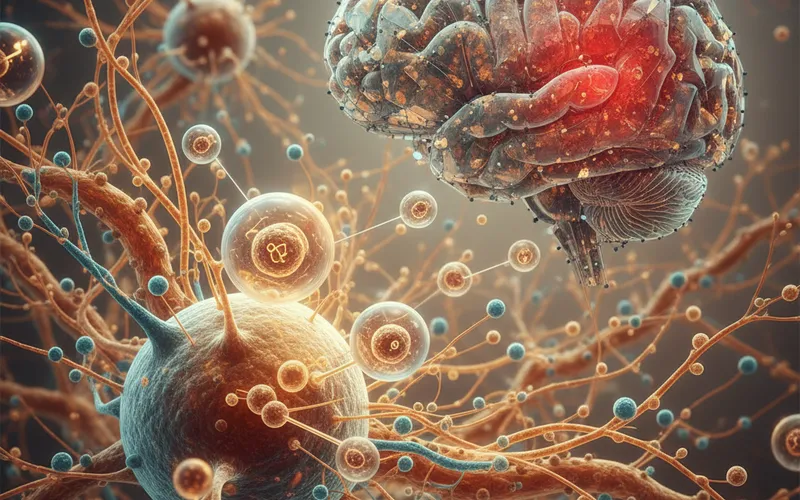
Stell dir vor, du könntest Depressionen nicht nur mit Medikamenten behandeln, die den gesamten Körper beeinflussen, sondern gezielt dort ansetzen, wo die Probleme wirklich entstehen: im Gehirn, auf zellulärer Ebene. Genau das verspricht ein hochmodernes Forschungsfeld, das in einer aktuellen Übersichtsarbeit beleuchtet wird. Die Autoren sprechen von der «Kunst der Nanoimmunobiotechnomedizin» im Management von Depressionen – ein Begriff, der vielleicht kompliziert klingt, aber eine faszinierende Zukunft für die Behandlung psychischer Erkrankungen verspricht.
Diese Studie, eine umfassende Übersichtsarbeit (Review-Artikel), wurde von einem grossen internationalen Team unter der Leitung von D. Anurogo von der Fakultät für Medizin und Gesundheitswissenschaften der Universitas Muhammadiyah Makassar in Indonesien verfasst. Sie erschien im Jahr 2025 – ja, du hast richtig gelesen, die Veröffentlichung ist für Oktober 2025 im renommierten Journal Advanced Pharmaceutical Bulletin geplant, was zeigt, wie aktuell und zukunftsweisend dieses Thema ist. Solche Übersichtsarbeiten fassen den aktuellen Stand der Forschung zusammen und identifizieren zukünftige Richtungen, anstatt neue experimentelle Daten zu präsentieren.
Die zentrale Fragestellung dieser Arbeit war, wie nanotechnologische Ansätze, die Immunologie und Biotechnologie miteinander verbinden, zur Diagnose und Behandlung von Depressionen eingesetzt werden können. Warum ist das wichtig? Weil Depressionen eine enorme Belastung für Millionen von Menschen weltweit darstellen und die aktuellen Behandlungsmethoden oft nicht ausreichend wirken oder mit unerwünschten Nebenwirkungen verbunden sind. Die Forschung sucht daher dringend nach innovativen Wegen, um wirksamere und gezieltere Therapien zu entwickeln. Die Autoren beleuchten, wie Nanopartikel, Gen-Editing und fortschrittliche Immuntherapien die Art und Weise verändern könnten, wie wir Depressionen verstehen und behandeln.
Die Studie ist keine klassische Interventionsstudie mit einer Stichprobe von Teilnehmern, sondern eine Literaturanalyse. Das internationale Autorenteam hat eine Vielzahl von bestehenden Forschungsarbeiten und Konzepten aus den Bereichen Nanotechnologie, Immunologie, Biotechnologie und Neurowissenschaften zusammengetragen und bewertet. Sie haben untersucht, wie diese verschiedenen Disziplinen zusammenwirken können, um neue therapeutische Strategien gegen Depressionen zu entwickeln. Konkrete Zahlen oder Ergebnisse im Sinne einer experimentellen Studie gibt es hier nicht, vielmehr werden die Potenziale und Herausforderungen dieser interdisziplinären Ansätze diskutiert.
Quelle: Anurogo D, Ratnasari RT, Irmania N, et al. (2025). The Art of Nanoimmunobiotechnomedicine in Depression Management. Advanced Pharmaceutical Bulletin, 15(4):750-765. PubMed-ID: 41835043
2. Was heisst das wirklich? – Die kritische Einordnung
Diese Übersichtsarbeit ist ein Blick in die Zukunft, kein Bericht über eine bereits etablierte Therapie. Das ist wichtig zu verstehen. Wenn du von «Nanoimmunobiotechnomedizin» liest, mag das nach Science-Fiction klingen, aber es sind reale Forschungsfelder, die bereits grosse Fortschritte machen. Die Studie zeigt auf, welche Möglichkeiten sich eröffnen, wenn man diese Technologien kombiniert, um Depressionen zu bekämpfen.
Da es sich um eine Review-Arbeit handelt, wurden hier keine harten Endpunkte im Sinne einer klinischen Studie gemessen. Es geht vielmehr um die Analyse von Konzepten und vorläufigen Ergebnissen aus präklinischer Forschung (oft an Zellkulturen oder Tiermodellen). Der Vorteil solcher Übersichtsarbeiten ist, dass sie uns einen umfassenden Überblick über ein komplexes Feld geben und neue Forschungsrichtungen aufzeigen. Die Autoren haben hier eine breite Palette an potenziellen Anwendungen zusammengetragen, von der zielgerichteten Medikamentenabgabe über die Modulation von Entzündungsreaktionen im Gehirn bis hin zu Gentherapien, die auf spezifische molekulare Pfade abzielen.
Die methodische Stärke dieser Arbeit liegt in ihrer Aktualität und der interdisziplären Herangehensweise. Das grosse Team von Forschenden aus verschiedenen Fachgebieten (Medizin, Biotechnologie, Pharmazie, sogar Wirtschaft und Statistik) ermöglichte eine umfassende Perspektive. Die Grenzen liegen jedoch darin, dass viele der diskutierten Ansätze noch in den Kinderschuhen stecken. Was im Labor vielversprechend aussieht, muss sich erst in klinischen Studien am Menschen bewähren. Die Übertragbarkeit auf den menschlichen Alltag ist noch nicht gegeben. Es ist ein faszinierender Ausblick, aber noch keine konkrete Therapie, die morgen in der Arztpraxis verfügbar ist.
Denkwerkzeug: Wenn du von bahnbrechenden neuen Therapien liest, frage dich immer: Ist das bereits eine Behandlung, die ich jetzt in Anspruch nehmen kann, oder ist es vielversprechende Forschung für die Zukunft? Wo steht diese Entwicklung im Forschungsprozess?
3. Der Geist im Körper – Die psychophysiologische Perspektive
Die «Nanoimmunobiotechnomedizin» verspricht, auf molekularer und zellulärer Ebene in die komplexen Mechanismen von Depressionen einzugreifen. Das ist ein faszinierender Ansatz, der die biologischen Grundlagen der Erkrankung in den Vordergrund rückt. Aber was ist mit dem psychophysiologischen Interaktionsmodell, das wir auf dieser Plattform so betonen? Wird der Geist in dieser hochtechnologischen Vision vergessen?
Ganz im Gegenteil: Die psychophysiologische Perspektive ist hier relevanter denn je. Wenn wir von Entzündungen im Gehirn, gestörten Neurotransmittern oder genetischen Prädispositionen sprechen, die durch Nanotechnologie moduliert werden sollen, dürfen wir nicht vergessen, dass diese biologischen Prozesse untrennbar mit unseren Gedanken, Gefühlen und unserem Stresserleben verbunden sind. Chronischer Stress beispielsweise ist ein bekannter Auslöser für Entzündungsreaktionen und Veränderungen in der Neurotransmitterbalance, die wiederum Depressionen begünstigen können.
Stell dir vor, du erhältst eine neuartige nanotechnologische Therapie, die deine Entzündungsmarker im Gehirn senkt. Das ist grossartig! Aber was passiert, wenn du weiterhin in einer hochstressigen Umgebung lebst, dich isoliert fühlst oder negative Denkmuster pflegst? Es ist gut denkbar, dass die Wirkung der Therapie durch anhaltenden psychischen Stress gemindert oder sogar aufgehoben wird. Dein Körper reagiert nicht nur auf die Nanopartikel, sondern auch auf deine innere Welt.
Auch der Placebo- und Nocebo-Effekt spielt eine Rolle, selbst bei solch fortschrittlichen Therapien. Allein die Erwartung, eine hochmoderne, präzise wirkende Therapie zu erhalten, kann deinen Heilungsprozess positiv beeinflussen. Umgekehrt könnten Ängste oder Skepsis gegenüber solch neuen Technologien die Wirksamkeit beeinträchtigen. Die Überzeugung, dass etwas hilft, ist ein mächtiger physiologischer Faktor, der auch bei den komplexesten biotechnologischen Interventionen nicht ausser Acht gelassen werden darf.
Diese psychophysiologische Brille ermöglicht es uns zu erkennen, dass die Nanoimmunobiotechnomedizin zwar unglaublich präzise auf biologischer Ebene agieren kann, der Erfolg aber immer auch von dem grösseren Kontext des menschlichen Geistes und seiner Interaktion mit dem Körper abhängen wird. Die besten biologischen Therapien werden immer dann am wirksamsten sein, wenn sie in einen Kontext der psychischen Stärkung und des Stressmanagements eingebettet sind.
4. Der grössere Kontext – Einordnung und Abhängigkeiten
Diese Übersichtsarbeit ist ein Paradebeispiel dafür, wie interdisziplinäre Forschung die Grenzen unseres Verständnisses verschiebt. Die grosse Anzahl der Autoren und die Vielfalt ihrer Institutionen – von Universitäten über Forschungsinstitute bis hin zu privaten Unternehmen wie Aivita Biomedical Inc. – zeigen, dass hier ein globales Netzwerk von Expertise zusammenkommt. Dies ist ein positives Zeichen für die Glaubwürdigkeit und den Umfang der Analyse. Da es sich um eine Review-Arbeit handelt, sind direkte Interessenkonflikte im Sinne einer finanzierten Medikamentenstudie weniger relevant, aber die Autoren agieren natürlich im Kontext ihrer jeweiligen Forschungsschwerpunkte.
Die Studie ordnet sich in den breiteren Trend ein, psychische Erkrankungen zunehmend als biologische Störungen zu verstehen, die durch molekulare und zelluläre Interventionen beeinflusst werden können. Sie bestätigt und erweitert die Erkenntnisse, dass Entzündungsreaktionen und Immunprozesse eine wichtige Rolle bei der Entstehung und Aufrechterhaltung von Depressionen spielen. Gleichzeitig geht sie weit über die traditionelle Pharmakologie hinaus, indem sie Werkzeuge wie Nanopartikel für gezielte Wirkstoffabgabe oder Gen-Editing für präzise Modifikationen in Betracht zieht.
Was in dieser Studie nicht direkt kontrolliert werden konnte (und auch nicht sollte, da es eine Übersicht ist), sind die unzähligen Lebensstilfaktoren, die die Wirksamkeit solcher potenziellen Therapien beeinflussen könnten. Wie wirken sich Ernährung, Schlaf, Bewegung, soziale Beziehungen oder der Zugang zu psychotherapeutischer Unterstützung auf die Effektivität nanotechnologischer Interventionen aus? Diese Faktoren werden in der Grundlagenforschung oft ausgeklammert, sind aber im realen Leben entscheidend. Eine Pille (oder in diesem Fall ein Nanopartikel-basiertes System) ist selten die alleinige Lösung für ein komplexes Problem wie Depression.
Denkwerkzeug: Wenn du von einer neuen, vielversprechenden Therapie hörst, frage dich: Wie gut passt diese Therapie in meinen gesamten Lebensstil? Welche anderen Faktoren in meinem Leben könnten die Wirkung dieser Therapie verstärken oder abschwächen?
5. Was heisst das für dich? – Fazit und Alltagsrelevanz
Was kannst du aus dieser zukunftsweisenden Studie mitnehmen? Im Moment noch keine konkrete Behandlungsoption, die du morgen in Anspruch nehmen kannst. Aber sie gibt dir einen faszinierenden Einblick in die Richtung, in die sich die Forschung bewegt, um Depressionen besser zu verstehen und zu behandeln.
- Erkenntnis 1: Hoffnung für die Zukunft. Die Nanoimmunobiotechnomedizin ist ein hochkomplexes, aber vielversprechendes Feld. Sie zeigt, dass die Wissenschaft mit immer präziseren Werkzeugen daran arbeitet, die Ursachen von Depressionen auf biologischer Ebene zu adressieren. Für Menschen, die von Depressionen betroffen sind, kann das Wissen um solche Forschungsfortschritte eine wichtige Quelle der Hoffnung sein.
- Erkenntnis 2: Das grosse Ganze zählt. Auch wenn die Technologie immer kleiner und präziser wird, bleibt die menschliche Erfahrung – deine Gedanken, Gefühle, dein Stresslevel und dein Lebensstil – ein entscheidender Faktor. Die effektivste Therapie wird immer eine sein, die sowohl die biologischen als auch die psychologischen Aspekte berücksichtigt. Betrachte deinen Körper und Geist als untrennbare Einheit.
- Erkenntnis 3: Bleib informiert, aber kritisch. Diese Studie ist ein Ausblick in die Zukunft. Es wird noch Jahre dauern, bis solche Ansätze in der klinischen Praxis ankommen. Lass dich nicht von überzogenen Versprechen blenden, aber bleib offen für wissenschaftlichen Fortschritt.
Was solltest du NICHT daraus schliessen? Dass traditionelle Therapien wie Psychotherapie oder etablierte Antidepressiva obsolet sind. Diese Ansätze haben ihre Berechtigung und werden auch in Zukunft wichtige Säulen der Depressionsbehandlung bleiben. Die Nanoimmunobiotechnomedizin ist eine Ergänzung, keine Ablösung.
Für wen ist das besonders relevant? Für alle, die ein tieferes Verständnis für die Komplexität und die Zukunft der Depressionsbehandlung suchen. Auch für Menschen, die sich für die Schnittstelle von Technologie, Medizin und psychischer Gesundheit interessieren. Für dich persönlich bedeutet es, dass du auch bei den fortschrittlichsten Therapien immer ein aktiver Partner in deinem eigenen Heilungsprozess bist. Dein Körper reagiert nicht nur auf die Chemie oder Nanotechnologie, sondern auch auf das, was du denkst, fühlst und wie du lebst. Diese ganzheitliche Sichtweise wird immer der Schlüssel zu nachhaltiger Gesundheit sein.
Welche Fragen bleiben offen? Wie werden diese Technologien ethisch und sicher eingesetzt? Wie zugänglich werden sie sein? Und wie können wir die psychologischen und biologischen Interventionen am besten miteinander verbinden, um die bestmöglichen Ergebnisse für jeden Einzelnen zu erzielen? Die Zukunft der Medizin wird spannend – sei neugierig und bleibe aufmerksam.