Wie Fasten dein Gehirn jung hält: Ein Blick auf NAD+ und Anti-Aging-Diäten
Du möchtest wissen, wie du dein Gehirn jung halten kannst? Eine aktuelle Studie taucht tief in die biochemischen Prozesse des Alterns ein und zeigt, wie Fasten und bestimmte Diäten die Energiebalance im Gehirn beeinflussen können. Erfahre, was das NAD+/NADH-Verhältnis damit zu tun hat.
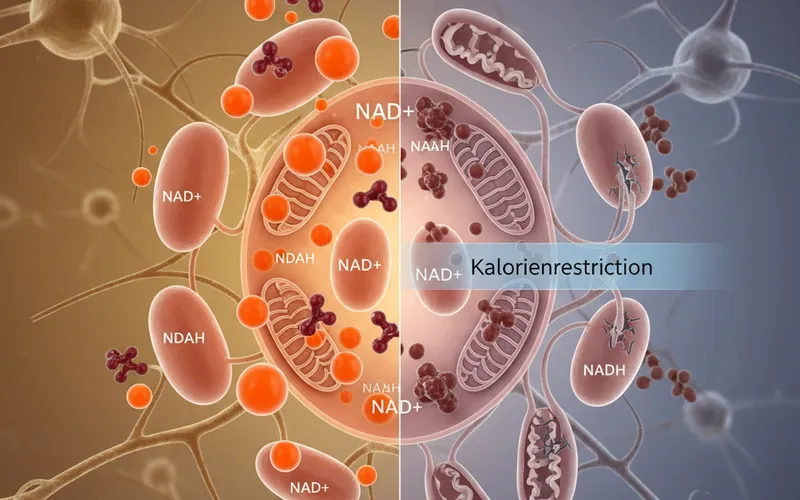
Die Studie – Was wurde untersucht und warum betrifft dich das?
Stell dir vor, dein Gehirn wäre eine hochmoderne Stadt. Für ihre Funktion braucht sie eine konstante Energieversorgung und ein ausgeklügeltes Recycling-System. Wenn dieses System anfängt zu stocken, spürst du das – vielleicht in Form von nachlassender Konzentration, Müdigkeit oder einfach dem Gefühl, dass die Dinge nicht mehr so leicht von der Hand gehen wie früher. Genau hier setzt eine faszinierende Studie an, die untersucht, wie Anti-Aging-Diäten wie Fasten die biochemische Energiebalance in unserem Gehirn beeinflussen können.
Forschende der East Tennessee State University und der University of Tennessee, unter der Leitung von Jamerson, Bradshaw und Bradshaw, haben sich in ihrer Arbeit mit dem NAD+/NADH-Verhältnis und dem NADPH/NADP+-Verhältnis im Gehirn beschäftigt. Diese Moleküle sind entscheidend für die Energieproduktion und den Schutz unserer Zellen vor oxidativem Stress. Das Verhältnis dieser Moleküle zueinander, der sogenannte Redox-Status, ist ein wichtiger Indikator für die Gesundheit und das Alter deiner Zellen.
Die zentrale Frage der Studie war: Verändern sich diese entscheidenden Redox-Verhältnisse im Gehirn mit dem Alter und können Anti-Aging-Diäten wie Fasten oder ketogene Diäten diese Veränderungen positiv beeinflussen? Um das herauszufinden, nutzten die Wissenschaftler spezifische Metaboliten-Paare (wie Pyruvat/Laktat oder Acetoacetat/Beta-Hydroxybutyrat) als Indikatoren für den Redox-Status in verschiedenen zellulären Kompartimenten des Gehirns von Mäusen. Sie analysierten auch umfangreiche Datensätze zur Genexpression und Proteomik, um zu verstehen, welche Stoffwechselwege an diesen Veränderungen beteiligt sind.
Interessanterweise zeigten zwei verschiedene Mäusestämme (C57BL/6J und C57BL/6N) beim Altern entgegengesetzte Redox-Veränderungen im zytoplasmatischen NAD+/NADH- und NADPH/NADP+-Verhältnis, verglichen mit dem menschlichen Gehirn. Das ist ein wichtiger Hinweis darauf, dass die Übertragbarkeit von Tiermodellen nicht immer geradlinig ist. Vielversprechender waren die Ergebnisse zum Fasten: Es führte zu einer universellen reduktiven Verschiebung in den zytoplasmatischen und mitochondrialen NAD+/NADH- und NADPH/NADP+-Verhältnissen im Gehirn. Eine reduktive Verschiebung bedeutet hier, dass mehr NADH und NADPH zur Verfügung stehen, was für die Energieproduktion und die antioxidative Abwehr wichtig ist.
Diese reduktive Verschiebung durch Fasten stand im Gegensatz zu dem, was bei der Ergänzung mit Ketonestern oder einer ketogenen Diät beobachtet wurde, welche eine oxidative Verschiebung des zytoplasmatischen NAD+/NADH-Verhältnisses hervorriefen, aber auch eine reduktive Verschiebung des zerebralen kortikalen NADPH/NADP+-Verhältnisses. Die Studie beleuchtet verschiedene Stoffwechselwege, die den Redox-Metabolismus und das Altern beeinflussen, und legt nahe, dass die durch intermittierendes Fasten induzierte zyklische Stoffwechselumstellung, insbesondere die zyklischen reduktiven Redox-Verschiebungen in den Mitochondrien, ein Treiber für neuroprotektive und andere gesundheitliche Vorteile sein könnten, die zu einem verzögerten Altern führen.
Quelle: Jamerson LE, Bradshaw TD, Bradshaw PC (2026). Changes in the brain [NAD+]/[NADH] and [NADPH]/[NADP+] with aging and anti-aging dietary restriction. Front Aging Neurosci, 18. PubMed-ID: 41717224
Die Ergebnisse dieser Studie sind komplex, aber sie geben uns wertvolle Einblicke in die biochemischen Mechanismen des Alterns und zeigen, wie sehr unsere Ernährungsgewohnheiten unser Gehirn auf zellulärer Ebene beeinflussen können. Doch was bedeuten diese biochemischen Details wirklich für dich?
Was heisst das wirklich? – Die kritische Einordnung
Diese Studie liefert spannende biochemische Einblicke, aber es ist wichtig, sie richtig einzuordnen. Wenn wir von «Anti-Aging» sprechen, denken wir oft an sichtbare Effekte. Hier geht es um Prozesse, die tief in deinen Zellen ablaufen – um das Fundament deiner Gehirnfunktion.
Du bist kein Durchschnitt. Die Studie wurde an Mäusen durchgeführt. Auch wenn Mäuse oft gute Modelle für menschliche Krankheiten sind, gibt es wie erwähnt Unterschiede im Redox-Verhalten des Gehirns. Die Ergebnisse sind statistisch signifikant für die untersuchten Mäusegruppen, aber die direkte Übertragbarkeit auf den Menschen ist nicht immer eins zu eins. Was für eine Maus funktioniert, muss nicht zwangsläufig in gleichem Masse für dich gelten.
Was wurde wirklich gemessen? Hier wurden keine harten Endpunkte wie Gedächtnisleistung, Demenzrisiko oder gar die Lebensspanne des Menschen direkt gemessen. Stattdessen konzentrierten sich die Forscher auf sogenannte Surrogatparameter: biochemische Marker wie das NAD+/NADH-Verhältnis. Eine Verbesserung dieser Marker ist ein starker Hinweis auf positive Prozesse, aber es ist noch kein direkter Beweis für eine verbesserte kognitive Funktion oder ein längeres, gesünderes Leben. Diese Korrelation muss in weiteren Studien mit menschlichen Probanden und klinischen Endpunkten bestätigt werden.
Methodische Stärken und Grenzen: Die Stärke dieser Studie liegt in ihrer detaillierten biochemischen Analyse und der Nutzung umfassender Omics-Daten (Proteomik, RNA-Seq), um die beteiligten Stoffwechselwege zu identifizieren. Das ist Grundlagenforschung auf hohem Niveau. Eine Grenze ist klar das Tiermodell und die rein biochemische Betrachtung ohne direkte funktionelle Tests am Gehirn der Mäuse. Zudem wurden verschiedene Diätansätze (Fasten, ketogene Diät, Ketonester) verglichen, was die Interpretation komplex macht, da sie unterschiedliche Effekte auf die Redox-Verhältnisse hatten. Das zeigt, dass «Anti-Aging-Diät» kein monolithischer Begriff ist.
Für wen gelten die Ergebnisse? Die Ergebnisse gelten primär für die untersuchten Mäusestämme. Die Implikationen für den Menschen sind vielversprechend, aber es sind weitere Studien notwendig, um zu bestätigen, ob die gleichen biochemischen Verschiebungen und Vorteile auch in deinem Gehirn auftreten.
Denkwerkzeug: Wenn du von einer Studie liest, die an Tieren durchgeführt wurde, frage dich: Basieren die Ergebnisse auf biochemischen Markern oder auf Verhaltensänderungen, die ich direkt mit menschlicher Gesundheit in Verbindung bringen kann? Das hilft dir abzuschätzen, wie weit die Übertragung auf deinen Alltag ist.
Die biochemischen Prozesse sind ein Teil der Geschichte. Aber was ist mit dem Dirigenten dieses Orchesters, deiner Psyche?
Der Geist im Körper – Die psychophysiologische Perspektive
Hier kommen wir zum Kern dessen, was auf der Plattform von Jürg Hösli so wichtig ist: die untrennbare Verbindung von Psyche und Körper. Diese Studie taucht tief in die biochemischen Mechanismen des Alterns ein, aber sie lässt einen entscheidenden Faktor weitgehend aussen vor: deine innere Welt.
Stell dir vor, du entscheidest dich für intermittierendes Fasten, weil du von den potenziellen Anti-Aging-Vorteilen gelesen hast. Deine Überzeugung, dass du etwas Gutes für dich tust, ist selbst ein mächtiger physiologischer Faktor. Der Placebo-Effekt ist gut dokumentiert: Allein die Erwartung einer positiven Wirkung kann messbare biochemische Veränderungen hervorrufen. Wenn du also mit Überzeugung und positiver Erwartung fastest, könnte dies die hier beschriebenen biochemischen Verschiebungen verstärken oder gar erst optimal zur Geltung bringen.
Umgekehrt: Wenn du fastest, weil du dich dazu zwingst, es dir schwerfällt, du gestresst bist und ständig daran denkst, wann du endlich wieder essen darfst – dann kann dieser Stress die positiven biochemischen Effekte mindern. Chronischer Stress beeinflusst nachweislich den gesamten Stoffwechsel, die Hormonbalance (insbesondere die Cortisol-Achse) und kann die zelluläre Reparatur beeinträchtigen. Ein Gehirn, das unter ständigem Stress steht, ist weniger in der Lage, die komplexen Reparatur- und Verjüngungsprozesse zu initiieren, die durch Fasten angestossen werden sollen.
Auch der Hawthorne-Effekt spielt eine Rolle. Wenn du weisst, dass du eine Anti-Aging-Strategie anwendest, wirst du vielleicht auch unbewusst andere gesunde Verhaltensweisen annehmen – mehr schlafen, weniger rauchen, dich mehr bewegen. Diese Verhaltensänderungen, die nicht direkt Teil des Fastens sind, können ebenfalls zu den beobachteten Vorteilen beitragen, ohne dass die Studie sie direkt erfassen würde. Die psychische Komponente – deine Motivation, deine Selbstwirksamkeitserwartung, dein Umgang mit den Herausforderungen des Fastens – ist also keineswegs ein Randaspekt, sondern ein zentraler Mitspieler in diesem komplexen Geschehen.
Es ist gut denkbar, dass die positiven Effekte des Fastens auf die Redox-Verhältnisse im Gehirn nicht nur durch die Kalorienrestriktion selbst, sondern auch durch die psychische Einstellung dazu moduliert werden. Eine positive Einstellung zum Fasten könnte Stress reduzieren und somit die physiologischen Vorteile maximieren. Eine Studie, die dies psychophysiologisch untermauert, wäre extrem spannend.
Der grössere Kontext – Einordnung und Abhängigkeiten
Diese Studie ist ein kleines, aber wichtiges Puzzleteil in der immer grösser werdenden Forschungslandschaft zum Thema Altern und Stoffwechsel. Die Rolle des NAD+/NADH-Verhältnisses und seine Beeinflussung durch Ernährung sind seit Jahren ein heisses Thema in der Anti-Aging-Forschung. Diese Arbeit bestätigt und erweitert das Verständnis dafür, wie Fasten auf zellulärer Ebene wirkt.
Wer steht dahinter? Die Autoren haben ausdrücklich erklärt, dass diese Arbeit in Abwesenheit kommerzieller oder finanzieller Beziehungen durchgeführt wurde, die als Interessenkonflikt ausgelegt werden könnten. Das stärkt die Glaubwürdigkeit der Ergebnisse, da keine kommerziellen Interessen die Forschungsfragen oder Interpretationen beeinflusst haben.
Wo steht diese Studie in der Forschungslandschaft? Sie bestätigt die allgemeine Erkenntnis, dass Fasten positive Auswirkungen auf den Stoffwechsel hat und potenziell das Altern verzögern kann. Die detaillierte Analyse der Redox-Verhältnisse im Gehirn ist jedoch eine wertvolle Vertiefung. Es ist keine revolutionäre Entdeckung, die alles bisher Bekannte auf den Kopf stellt, sondern eine fundierte wissenschaftliche Arbeit, die unser Wissen präzisiert. Die unterschiedlichen Effekte von Fasten versus ketogener Diät auf bestimmte Redox-Paare sind ein interessanter und nuancierter Befund, der zeigt, dass nicht alle «Anti-Aging-Diäten» auf die gleiche Weise wirken.
Was wurde nicht kontrolliert? Die Studie konzentrierte sich auf spezifische biochemische Marker. Was sie nicht kontrollieren konnte, sind die unzähligen anderen Lebensstilfaktoren, die das Altern und die Gehirnfunktion beeinflussen: Schlafqualität, Bewegung, soziale Interaktionen, Umweltgifte oder chronischer Stress. All diese Faktoren spielen eine Rolle und können die biochemischen Prozesse in deinem Gehirn ebenfalls beeinflussen. Wenn du fastest, aber gleichzeitig unter starkem Schlafmangel leidest, könnten die potenziellen Vorteile des Fastens überschattet werden.
Denkwerkzeug: Wenn du eine neue Studie liest, frage dich: Ergänzt diese Studie unser Wissen über einen bestimmten Aspekt oder widerspricht sie grundlegenden, etablierten Erkenntnissen? Eine einzelne Studie verändert selten die Welt, aber sie kann unser Verständnis entscheidend verfeinern.
Nun, was bedeutet das alles konkret für dein Leben?
Was heisst das für dich? – Fazit und Alltagsrelevanz
Diese Studie liefert dir keine fertige Anleitung für ein langes Leben, aber sie gibt dir wichtige Denkanstösse und bestärkt dich in bestimmten Lebensstilentscheidungen.
- Fasten als biochemischer Turbo für dein Gehirn: Die Studie legt nahe, dass intermittierendes Fasten auf zellulärer Ebene positive Veränderungen im Energiehaushalt deines Gehirns bewirken kann, die mit Neuroprotektion und Anti-Aging-Effekten verbunden sind. Wenn du also mit dem Gedanken spielst, intermittierendes Fasten auszuprobieren, gibt dir diese Studie eine weitere wissenschaftliche Grundlage.
- Achte auf deine innere Einstellung: Die psychophysiologische Perspektive zeigt dir, dass deine Überzeugungen und dein Stresslevel die Wirkung von Fasten massgeblich beeinflussen können. Gehe das Fasten mit einer positiven, neugierigen Haltung an. Wenn es dich stresst oder überfordert, ist es vielleicht nicht die richtige Strategie für dich – oder du musst einen Weg finden, es stressfreier zu gestalten.
- Vielfalt ist Trumpf: Die Studie zeigt, dass Fasten und ketogene Diäten unterschiedliche Effekte auf die Redox-Verhältnisse haben können. Das deutet darauf hin, dass es nicht den einen Königsweg gibt. Eine abwechslungsreiche Ernährungsweise, die Phasen des Fastens integriert, könnte synergistische Effekte haben.
Was solltest du NICHT daraus schliessen? Diese Studie ist kein Freifahrtschein, um alle anderen gesunden Gewohnheiten zu vernachlässigen, solange du fastest. Eine schlechte Ernährung in den Essensfenstern, chronischer Schlafmangel oder mangelnde Bewegung werden die potenziellen Vorteile des Fastens wahrscheinlich zunichtemachen. Sie ist auch kein Beweis, dass Fasten dich unsterblich macht oder Demenz heilt. Es ist ein Hinweis auf einen wichtigen Mechanismus.
Für wen ist das besonders relevant? Diese Erkenntnisse sind besonders relevant für Menschen, die sich für präventive Gesundheitsstrategien interessieren und bereit sind, ihre Ernährungsgewohnheiten zu überdenken. Wenn du dich bereits mit Fasten beschäftigst, liefert dir die Studie biochemische Argumente. Wenn du jedoch unter chronischen Krankheiten leidest, solltest du Fasten immer mit deinem Arzt besprechen.
Dein Körper reagiert nicht nur auf das, was du isst oder wie du dich bewegst – sondern auch auf das, was du denkst und fühlst. Das ist der psychophysiologische Gedanke zum Schluss. Die biochemischen Zahnräder deines Gehirns werden durch deine Lebensweise geschmiert, aber die Hand, die das Öl reicht, ist oft deine Psyche.
Welche Rolle spielen deine persönlichen Überzeugungen und deine innere Ruhe bei der Entfaltung solcher Vorteile? Diese Frage bleibt für die zukünftige Forschung spannend und ist eine Einladung, dich selbst als ganzheitliches System zu betrachten. Bleib neugierig und achtsam mit dir!