NAD+ und Sirtuine: Ein Hoffnungsschimmer für die männliche Fruchtbarkeit im Alter?
Im Alter lassen oft die männliche Fruchtbarkeit und die Testosteronproduktion nach. Eine aktuelle Review-Studie aus China beleuchtet, wie der NAD+-Sirtuin-Signalweg hier eine zentrale Rolle spielen und neue therapeutische Ansätze bieten könnte. Erfahre, was das für dich bedeuten könnte.
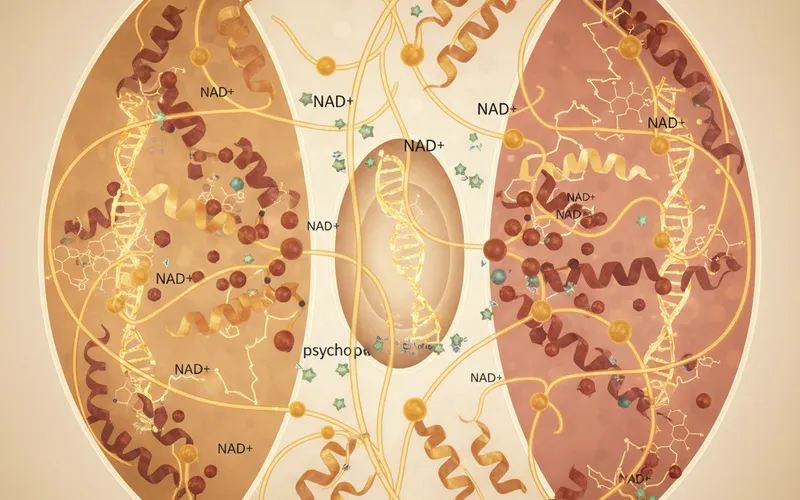
Die Studie – Was wurde untersucht und warum betrifft dich das?
Stell dir vor, du bist in den besten Jahren, aber dein Körper spielt nicht mehr ganz so mit, wie du es dir wünschen würdest – speziell, wenn es um Themen wie Energie, Vitalität und vielleicht sogar den Wunsch nach Nachwuchs geht. Viele Männer erleben im Laufe ihres Lebens einen allmählichen Rückgang der Testosteronproduktion, der Spermienqualität und damit der Fruchtbarkeit. Das ist ein natürlicher Teil des Alterns, kann aber für Betroffene frustrierend sein. Doch was, wenn es eine Möglichkeit gäbe, diesen Prozess zu verlangsamen oder sogar umzukehren?
Genau dieser Frage widmet sich eine spannende Review-Studie aus China. Ein Team um Zhou L. und Lan X. von der Chengdu University of Traditional Chinese Medicine hat sich die wissenschaftliche Literatur vorgenommen, um den sogenannten NAD+-Sirtuin-Signalweg genauer unter die Lupe zu nehmen. Ihr Ziel war es zu verstehen, welche Rolle dieser Signalweg beim männlichen reproduktiven Altern spielt und ob er einen vielversprechenden Ansatzpunkt für neue Therapien bieten könnte.
Die Forschenden haben dabei eine grosse Menge an bestehenden Studien analysiert und zusammengefasst, um ein umfassendes Bild zu zeichnen. Sie wollten herausfinden, wie NAD+ und Sirtuine die Gesundheit der Hoden beeinflussen und warum deren Funktion im Alter nachlässt. Im Mittelpunkt stand die Frage, ob eine Wiederherstellung dieses Signalwegs helfen könnte, die altersbedingten Einschränkungen der männlichen Fruchtbarkeit zu bekämpfen.
Die Analyse zeigt, dass ein Mangel an NAD+ die Energieproduktion in den Zellen beeinträchtigt, die antioxidativen Abwehrmechanismen schwächt und die Hormonproduktion stört. Eine reduzierte Aktivität der Sirtuine – das sind eine Gruppe von Proteinen, die für ihre Rolle beim Altern bekannt sind – beeinflusst die Stammzellenbildung, die Integrität der Blut-Hoden-Schranke, die epigenetische Programmierung und das Immunsystem in den Hoden negativ. Die Wissenschaftler identifizierten dabei fünf Schlüsselmerkmale des männlichen reproduktiven Alterns: strukturelle Schäden, metabolischen und oxidativen Stress, chronische Entzündungen, epigenetische Fehlregulation und Störungen der Hormonsynthese.
Die gute Nachricht: Präklinische Studien – also Untersuchungen an Zellkulturen oder Tiermodellen – deuten darauf hin, dass Interventionen, die auf diesen Signalweg abzielen, vielversprechend sein könnten. Dazu gehören NAD+-Vorläufer wie NMN (Nicotinamid-Mononukleotid) und NR (Nicotinamid-Ribosid), aber auch Sirtuin-Aktivatoren wie Resveratrol und Quercetin. Sogar Lebensstilstrategien wie intermittierendes Fasten und Sport zeigten positive Effekte. Zum Beispiel konnte NMN in Tiermodellen die Spermienqualität wiederherstellen (mit einer Verbesserung der normalen Spermien um 40%) und die Testosteronsynthese ankurbeln. Resveratrol reduzierte die DNA-Fragmentierung der Spermien um 45% durch die Aktivierung von SIRT3. Erste klinische Daten deuten zudem darauf hin, dass NMN auch beim Menschen physiologische Parameter wie die Muskelfunktion und das biologische Alter verbessern kann.
Quelle: Zhou L, Lan X, Wang M, Li X, Zeng X, Peng S, Zhang J, Li J, Dong L, Yu X, Yang F (2026). Restoring NAD⁺-Sirtuins Signaling: A Novel Approach to Combat Male Reproductive Aging. The world journal of men's health. PubMed-ID: 41714893
Diese Ergebnisse werfen die spannende Frage auf, wie relevant diese Erkenntnisse für dich persönlich sein könnten und welche Aspekte wir genauer beleuchten sollten.
Was heisst das wirklich? – Die kritische Einordnung
Die Studie ist eine sogenannte Review-Arbeit, was bedeutet, dass die Forschenden nicht selbst experimentiert, sondern die Ergebnisse vieler anderer Studien zusammengetragen und bewertet haben. Das ist enorm wertvoll, weil es uns hilft, ein umfassendes Bild zu bekommen und Trends zu erkennen. Es ist wie ein Experte, der unzählige Bücher zu einem Thema gelesen hat und dir dann die Essenz präsentiert. Das erhöht die Aussagekraft, da es sich nicht um eine einzelne Untersuchung handelt, sondern um eine Synthese des aktuellen Wissensstands.
Die Ergebnisse klingen vielversprechend: NAD+-Vorläufer und Sirtuin-Aktivatoren verbessern in präklinischen Modellen die Spermienqualität und Testosteronwerte. Doch hier ist ein wichtiger Punkt zu beachten: Viele dieser spannenden Daten stammen aus präklinischen Studien, also aus Experimenten im Labor oder an Tieren. Die Übertragbarkeit auf den Menschen ist nicht immer eins zu eins gegeben. Was in einer Petrischale oder bei einer Maus funktioniert, muss nicht zwangsläufig die gleiche Wirkung bei dir haben. Die Studie erwähnt zwar erste klinische Daten zu NMN, die positive Effekte auf Muskeln und das biologische Alter zeigen, doch spezifisch für die reproduktive Gesundheit beim Menschen sind hier noch weitere, gross angelegte Studien nötig.
Ein wichtiges «Denkwerkzeug» für dich: Wenn du von beeindruckenden Prozentzahlen liest – wie 40% Verbesserung der Spermienqualität oder 45% Reduktion der DNA-Fragmentierung – frage dich immer: Wurde das am Menschen gemessen, und wenn ja, unter welchen Bedingungen und mit welcher Stichprobengrösse? Oft sind diese Zahlen zwar statistisch signifikant, aber die klinische Bedeutung für den Einzelnen muss noch genauer untersucht werden. Ein statistisch signifikanter Effekt bedeutet, dass das Ergebnis wahrscheinlich nicht zufällig ist, aber nicht unbedingt, dass es für dich persönlich eine grosse Veränderung bewirkt.
Die Studie identifiziert auch wichtige Wissenslücken: Wir wissen noch nicht genug über die gewebespezifischen Funktionen der Sirtuine (also welche Sirtuine genau in welchen Geweben was bewirken), die Langzeitsicherheit von NAD+-Boostern und wie man diese Interventionen am besten individualisiert. Diese Punkte sind entscheidend, bevor man von einer breiten Anwendung sprechen kann. Trotzdem ist die Richtung klar: Der NAD+-Sirtuin-Signalweg ist ein heisser Kandidat, um die Mechanismen des männlichen Alterns besser zu verstehen. Doch was ist mit den Faktoren, die in den meisten Studien oft übersehen werden?
Der Geist im Körper – Die psychophysiologische Perspektive
Die Forschenden haben in ihrer Review sehr detailliert die molekularen und zellulären Mechanismen beleuchtet, die zum männlichen reproduktiven Altern beitragen. Sie sprechen von Energie-Metabolismus, oxidativem Stress, Entzündungen und epigenetischer Fehlregulation. All das sind harte, messbare Fakten auf biologischer Ebene. Aber was ist mit dem «weichen» Faktor, der oft übersehen wird und doch so entscheidend ist: deine Psyche?
Stell dir vor, du nimmst ein NAD+-Supplement oder aktivierst deine Sirtuine durch intermittierendes Fasten. Die Studie zeigt, dass dies positive Effekte haben kann. Doch wie wirkt sich dein Stresslevel, deine Erwartungen und deine allgemeine psychische Verfassung auf diese Prozesse aus? Das psychophysiologische Interaktionsmodell lehrt uns, dass Körper und Geist untrennbar verbunden sind. Chronischer Stress, beispielsweise, beeinflusst direkt die Cortisol-Achse und kann Entzündungen im Körper fördern – genau jene Entzündungen, die auch als ein pathologisches Merkmal des reproduktiven Alterns genannt werden. Ein hohes Stresslevel kann die Hormonbalance stören und damit die Testosteronproduktion beeinträchtigen, unabhängig davon, wie gut dein NAD+-Spiegel ist.
Und dann ist da der Placebo-Effekt, der auch bei Supplementen eine Rolle spielt. Allein die Überzeugung, etwas Wirksames einzunehmen, kann physiologische Veränderungen hervorrufen. Wenn du fest daran glaubst, dass ein NAD+-Booster dir hilft, kann diese Erwartung deine Physiologie positiv beeinflussen und die Wirkung des Supplements verstärken. Umgekehrt können negative Erwartungen oder ein hohes Mass an Angst und Unsicherheit die potenziellen Vorteile mindern – der sogenannte Nocebo-Effekt.
Auch Lebensstilstrategien wie Sport und intermittierendes Fasten, die in der Studie als vielversprechend genannt werden, sind eng mit deiner Psyche verknüpft. Wer Sport mit Freude und Überzeugung betreibt, wird andere Ergebnisse erzielen als jemand, der sich quält und nur Widerwillen empfindet. Motivation und Selbstwirksamkeit – also der Glaube an die eigene Fähigkeit, ein Ziel zu erreichen – sind entscheidend für die langfristige Umsetzung und damit für den Erfolg solcher Interventionen. Diese psychischen Faktoren sind in den meisten molekularen Studien nicht direkt messbar oder werden nicht kontrolliert, aber sie sind im Alltag omnipräsent und beeinflussen die Wirksamkeit jeder Massnahme.
Der grössere Kontext – Einordnung und Abhängigkeiten
Diese Review-Studie ist ein wichtiger Beitrag zur Erforschung des männlichen Alterns und der reproduktiven Gesundheit. Sie fasst den aktuellen Stand des Wissens zusammen und zeigt vielversprechende Forschungsrichtungen auf. Die Autoren kommen von renommierten Institutionen in China, was der Studie ein solides wissenschaftliches Fundament gibt. Die Tatsache, dass sie in «The World Journal of Men's Health» veröffentlicht wurde, einem Fachjournal, das sich auf Männergesundheit spezialisiert hat, unterstreicht die Relevanz des Themas in der wissenschaftlichen Gemeinschaft.
Finanzierung und mögliche Interessenkonflikte werden im Abstract nicht explizit genannt, was bei Review-Artikeln nicht ungewöhnlich ist, da sie auf bereits publizierte Daten zurückgreifen. Es ist jedoch immer gut, diese Aspekte im Auge zu behalten, insbesondere wenn es um die Entwicklung und Vermarktung von Supplementen geht. Im Allgemeinen bestätigt diese Studie viele bestehende Erkenntnisse über die Bedeutung von NAD+ und Sirtuinen für den Alterungsprozess und erweitert sie um den spezifischen Fokus auf die männliche reproduktive Gesundheit. Sie ist kein revolutionärer Ausreisser, sondern ein wichtiges Puzzleteil, das das Gesamtbild vervollständigt.
Was wurde nicht kontrolliert und könnte die Ergebnisse beeinflussen? Nun, da es sich um eine Review handelt, geht es weniger um die Kontrolle einzelner Störfaktoren in einem Experiment, sondern eher um die Berücksichtigung der Komplexität des menschlichen Körpers. Die Studie konzentriert sich auf biologische Marker und Mechanismen. Aber Faktoren wie die allgemeine Ernährung (ausser intermittierendem Fasten), der individuelle Lebensstil (Rauchen, Alkoholkonsum), Umweltgifte und psychosozialer Stress, die alle die männliche Fruchtbarkeit und den Alterungsprozess beeinflussen können, werden in der Analyse der NAD+-Sirtuin-Achse nicht detailliert berücksichtigt. Sie sind jedoch im realen Leben von grosser Bedeutung.
Ein weiteres «Denkwerkzeug» für dich: Wenn du überlegst, ob du aufgrund einer solchen Studie dein Verhalten ändern solltest, frage dich: Basieren die Empfehlungen auf einer breiten Evidenzbasis aus Humanstudien, oder sind es noch frühe Forschungsansätze, die weiterer Bestätigung bedürfen? Es ist wichtig, zwischen vielversprechenden präklinischen Ergebnissen und etablierten klinischen Empfehlungen zu unterscheiden.
Was heisst das für dich? – Fazit und Alltagsrelevanz
Was kannst du konkret aus dieser faszinierenden Review-Studie mitnehmen? Erstens: Der NAD+-Sirtuin-Signalweg ist ein echter Hoffnungsträger im Kampf gegen das männliche reproduktive Altern. Es ist ein komplexes System, das viele Aspekte deiner Gesundheit beeinflusst, von der Energieproduktion bis zur Hormonsynthese. Es ist gut denkbar, dass du durch gezielte Massnahmen die Gesundheit deiner Hoden und damit deine Fruchtbarkeit und Testosteronwerte positiv beeinflussen kannst.
Zweitens: Während NAD+-Vorläufer und Sirtuin-Aktivatoren wie NMN, Resveratrol oder Quercetin in präklinischen Studien vielversprechend sind, solltest du sie noch mit einer gesunden Portion Skepsis betrachten. Sie sind kein Allheilmittel, und ihre Langzeitwirkungen sowie die optimale Dosierung für den Menschen sind noch nicht vollständig erforscht. Sprich immer mit deinem Arzt, bevor du Nahrungsergänzungsmittel einnimmst.
Drittens: Unterschätze niemals die Macht deines Lebensstils. Die Studie erwähnt intermittierendes Fasten und Sport als Strategien, die den NAD+-Sirtuin-Signalweg positiv beeinflussen können. Das sind zwei mächtige Werkzeuge, die du selbst in der Hand hast und die auch unzählige andere positive Effekte auf deine allgemeine Gesundheit haben, weit über die reine Fruchtbarkeit hinaus. Sie wirken nicht nur auf molekularer Ebene, sondern stärken auch deine psychische Widerstandsfähigkeit.
Was solltest du NICHT daraus schliessen? Bitte interpretiere diese Studie nicht so, dass du jetzt sofort teure Nahrungsergänzungsmittel kaufen musst, um deine Jugend zu bewahren. Die Forschung ist noch im Gange, und es gibt noch viele offene Fragen. Eine einzelne Studie – auch eine Review – ist immer nur ein Teil des Gesamtbildes. Gesundheit ist komplex, und es gibt keine einfache Pille für ewige Jugend.
Für wen ist das besonders relevant? Für Männer, die sich Gedanken um ihre Fruchtbarkeit im Alter machen, oder die einen allgemeinen Rückgang ihrer Vitalität spüren, bietet diese Forschung spannende Perspektiven. Auch für jene, die präventiv etwas für ihre langfristige Gesundheit tun möchten, sind die Erkenntnisse über den NAD+-Sirtuin-Signalweg interessant.
Denke immer daran: Dein Körper reagiert nicht nur auf das, was du isst oder wie du dich bewegst, sondern auch auf das, was du denkst und fühlst. Ein gesunder Geist in einem gesunden Körper ist keine Floskel, sondern die Grundlage für dein Wohlbefinden. Was du glaubst und erwartest, kann die Wirkung jeder Massnahme massgeblich beeinflussen. Bleib neugierig, informiere dich kritisch und höre auf deinen Körper – er hat oft mehr zu sagen, als wir denken.
Die Forschung schreitet rasant voran, und es bleibt spannend zu sehen, welche weiteren Erkenntnisse uns der NAD+-Sirtuin-Signalweg in Zukunft liefern wird. Vielleicht sind wir schon bald in der Lage, das männliche Alter auf eine ganz neue Weise zu verstehen und zu beeinflussen.