Mikro- und Nanoplastik: Wie sie deine Darm-Hirn-Achse beeinflussen
Deine Darm-Hirn-Achse ist das Kommunikationszentrum deines Körpers. Doch was passiert, wenn winzige Plastikpartikel diese Verbindung stören? Eine aktuelle Übersichtsarbeit beleuchtet, wie Mikro- und Nanoplastik deine Gesundheit beeinflussen können.
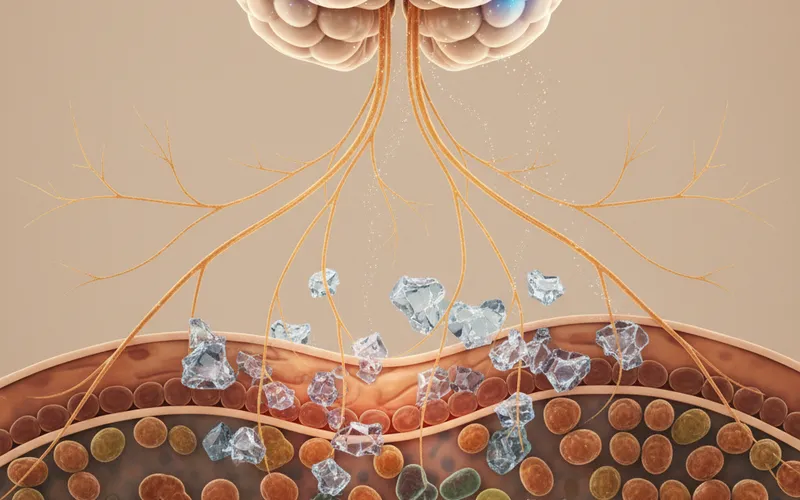
Die Studie – Was wurde untersucht und warum betrifft dich das?
Stell dir vor, du trinkst aus einer Plastikflasche, isst verpackte Lebensmittel oder atmest einfach nur die Luft in deiner Umgebung ein. Dabei nimmst du unweigerlich winzige Plastikpartikel auf, die kleiner sind als ein Sandkorn oder sogar unsichtbar für das Auge. Diese Mikro- und Nanoplastikpartikel sind zu einem allgegenwärtigen Bestandteil unserer Umwelt geworden – und damit auch unseres Körpers. Die Frage, die sich viele Forschende stellen und die dich vielleicht auch beschäftigt, ist: Was machen diese winzigen Eindringlinge eigentlich in uns?
Genau dieser Frage widmete sich eine jüngst publizierte Übersichtsarbeit von Forschenden um Wang, Yu, Li, Han und Chi aus China. Sie haben sich zur Aufgabe gemacht, den aktuellen Stand der Wissenschaft zusammenzufassen, wie Mikro- und Nanoplastik (MNP) unsere Gesundheit beeinflussen könnten, insbesondere über die sogenannte Darm-Hirn-Achse. Diese Achse ist ein komplexes Kommunikationssystem zwischen deinem Darm, den Billionen von Mikroorganismen, die dort leben (deine Darmmikrobiota), und deinem Gehirn. Sie beeinflusst nicht nur deine Verdauung, sondern auch deine Stimmung, dein Immunsystem und sogar deine geistige Leistungsfähigkeit.
Die Autoren der Studie haben die vorhandene Literatur gesichtet, um zu verstehen, welche Wege MNP in den menschlichen Körper gelangen, wie sie sich im Verdauungstrakt anreichern und welche potenziellen Auswirkungen sie auf die normale Funktion der Darmmikrobiota haben. Ihr Fokus lag darauf zu beleuchten, wie diese Störungen über neuronale, immunologische und endokrine Signalwege die Darm-Hirn-Achse beeinflussen und so möglicherweise Krankheiten auslösen oder verschlimmern könnten. Es handelt sich um eine sogenannte Review-Studie, das heisst, die Forschenden haben keine eigenen Experimente durchgeführt, sondern die Ergebnisse vieler anderer Studien analysiert und zusammengefasst, um ein umfassendes Bild des aktuellen Forschungsstandes zu zeichnen.
Die zentrale Erkenntnis ihrer Arbeit ist, dass Mikro- und Nanoplastik die empfindlichen Mechanismen der Darm-Hirn-Achse stören können. Dies geschieht, indem sie die Zusammensetzung der Darmmikrobiota verändern und so eine Kaskade von Effekten auslösen, die letztlich das Nervensystem, das Immunsystem und das Hormonsystem beeinflussen. Die Forschenden betonen, dass dies ein relativ neues, aber schnell wachsendes Forschungsfeld ist, das dringend weiterer Untersuchung bedarf, um die genauen Gesundheitsrisiken zu verstehen.
Quelle: Wang X, Yu H, Li J, Han S, Chi Y (2026). Health risk analysis of micro-and nanoplastic exposure via the microbiota-gut-brain axis. Front Immunol, 17:1762813. PubMed-ID: 41789083
Was heisst das wirklich? – Die kritische Einordnung
Diese Übersichtsarbeit ist wichtig, weil sie ein aufstrebendes Forschungsfeld beleuchtet, das für unsere Gesundheit von grosser Bedeutung sein könnte. Sie fasst zusammen, was wir bisher über die potenziellen Auswirkungen von Mikro- und Nanoplastik wissen, und weist auf die Lücken in unserem Wissen hin. Doch wie bei jeder wissenschaftlichen Veröffentlichung ist es entscheidend, die Ergebnisse richtig einzuordnen.
Zunächst ist es wichtig zu verstehen, dass es sich hier um eine Review-Studie handelt. Das bedeutet, die Autoren haben bestehende Forschungsergebnisse zusammengetragen und interpretiert. Sie haben keine neuen Daten generiert. Die Qualität ihrer Schlussfolgerungen hängt also stark von der Qualität und der Verfügbarkeit der Primärstudien ab, die sie analysiert haben. Da die Forschung zu MNP und der Darm-Hirn-Achse noch relativ jung ist, sind viele der vorliegenden Studien im Tiermodell durchgeführt worden oder untersuchen einzelne Aspekte der komplexen Zusammenhänge.
Ein weiterer Punkt ist, dass die Studie zwar aufzeigt, dass MNP die Darmmikrobiota und die Darm-Hirn-Achse beeinflussen können, doch die genauen Mechanismen und die klinische Relevanz für den Menschen sind oft noch nicht vollständig geklärt. Wenn eine Studie zeigt, dass MNP im Labor bestimmte Entzündungsmarker erhöhen, ist das zwar statistisch signifikant, aber es bedeutet nicht automatisch, dass dies bei jedem Menschen zu einer Krankheit führt. Der Unterschied zwischen statistischer Signifikanz und klinischer Bedeutsamkeit ist hier entscheidend. Für dich als Einzelperson ist nicht der Durchschnittswert einer grossen Gruppe relevant, sondern die Frage, was es für dich persönlich bedeutet.
Die Stärke der Arbeit liegt darin, dass sie die verschiedenen potenziellen Angriffspunkte der MNP auf die Darm-Hirn-Achse (neuronale, immunologische und endokrine Wege) detailliert darstellt. Das hilft, das komplexe Zusammenspiel besser zu verstehen. Gleichzeitig ist es eine Herausforderung, da viele Studien oft nur einen dieser Wege isoliert betrachten. Die Übertragbarkeit der Ergebnisse von Tierversuchen auf den Menschen ist ebenfalls eine Grenze. Mäuse und Ratten sind wertvolle Modelle, aber ihr Stoffwechsel und ihre Darmmikrobiota sind nicht identisch mit denen des Menschen.
Denkwerkzeug: Wenn du von solchen Studien hörst, frag dich: Wurden diese Effekte im Menschen beobachtet oder nur im Labor oder an Tieren? Und selbst wenn sie im Menschen beobachtet wurden, sind sie so stark, dass sie tatsächlich eine spürbare Auswirkung auf meine Gesundheit haben könnten?
Der Geist im Körper – Die psychophysiologische Perspektive
Hier kommen wir zum Kern dessen, was auf der Hösli-Plattform immer wieder betont wird: Dein Körper ist keine Maschine, die isoliert auf externe Faktoren reagiert. Psyche und Körper sind untrennbar miteinander verbunden. Wenn wir über die Darm-Hirn-Achse sprechen, ist dieser Zusammenhang noch offensichtlicher. Stress, Emotionen, Ängste und sogar deine Überzeugungen können die Funktion deiner Darmmikrobiota und damit die gesamte Achse beeinflussen.
Die Studie von Wang et al. beleuchtet die rein physiologischen und toxikologischen Aspekte der MNP-Exposition. Sie spricht von Störungen der Darmmikrobiota, Entzündungen und Veränderungen in neuronalen Signalwegen. Was aber oft übersehen wird, ist, dass all diese Prozesse nicht im luftleeren Raum stattfinden. Dein Gehirn, deine Gedanken und deine Gefühle spielen eine immense Rolle.
Es ist gut denkbar, dass die Wahrnehmung der Bedrohung durch Mikroplastik selbst einen Einfluss hat. Wenn du dir grosse Sorgen machst, dass du ständig Plastik zu dir nimmst und dies deiner Gesundheit schadet, kann dieser chronische Stress per se die Darm-Hirn-Achse beeinträchtigen. Stress ist bekannt dafür, die Zusammensetzung der Darmmikrobiota zu verändern, die Darmbarriere durchlässiger zu machen (Stichwort: Leaky Gut) und entzündliche Prozesse zu fördern – genau die Mechanismen, die auch für die MNP-Exposition diskutiert werden. Hier verschmelzen psychische und physische Faktoren zu einem komplexen Zusammenspiel.
Auch der Placebo- und Nocebo-Effekt darf nicht unterschätzt werden. Wenn Menschen glauben, dass sie schädlichen Substanzen ausgesetzt sind, können sie Symptome entwickeln, selbst wenn die tatsächliche Exposition gering ist oder gar nicht stattfindet (Nocebo). Umgekehrt kann der Glaube an die Wirksamkeit einer Massnahme (z.B. eine Detox-Kur gegen Plastik) positive Effekte hervorrufen (Placebo), die über die reine physiologische Wirkung hinausgehen. Diese psychophysiologischen Reaktionen sind nicht eingebildet, sondern real und messbar auf biologischer Ebene.
Die Studie konzentriert sich auf die «harten» wissenschaftlichen Daten zu MNP. Doch der Mensch ist mehr als die Summe seiner physiologischen Reaktionen auf Partikel. Seine Resilienz, seine Fähigkeit zur Stressbewältigung und seine innere Einstellung zur Umwelt spielen eine entscheidende Rolle dabei, wie er mit solchen Belastungen umgeht. Eine gestärkte psychische Verfassung kann möglicherweise die Auswirkungen von Umweltstressoren abpuffern oder sogar die physiologische Reaktion des Körpers modulieren.
Der grössere Kontext – Einordnung und Abhängigkeiten
Die Forschung zu Mikro- und Nanoplastik ist im Aufwind, was angesichts der globalen Plastikverschmutzung auch dringend nötig ist. Diese Übersichtsarbeit reiht sich ein in eine wachsende Zahl von Studien, die auf die potenziellen Gesundheitsrisiken hinweisen. Sie bestätigt im Wesentlichen die bestehenden Hypothesen, dass MNP ein Problem für die menschliche Gesundheit darstellen könnten, insbesondere im Hinblick auf die Darmgesundheit und die Kommunikation mit dem Gehirn.
Ein wichtiger Aspekt, den die Autoren explizit erwähnen, ist die Finanzierung. Sie geben an, dass diese Arbeit ohne kommerzielle oder finanzielle Beziehungen durchgeführt wurde, die als potenzieller Interessenkonflikt ausgelegt werden könnten. Das ist ein gutes Zeichen, denn bei Umweltstudien ist es immer wichtig zu wissen, wer die Forschung finanziert und ob es dadurch zu einer Verzerrung der Ergebnisse kommen könnte.
Was in dieser Studie nicht kontrolliert werden konnte – und in der aktuellen Forschung generell eine grosse Herausforderung darstellt – sind die unzähligen anderen Umweltfaktoren und Lebensstilentscheidungen, die ebenfalls die Darm-Hirn-Achse beeinflussen. Ernährung, Stresslevel, Schlafqualität, Bewegung, Medikamenteneinnahme und das soziale Umfeld spielen alle eine Rolle. Eine isolierte Betrachtung von MNP ist daher schwierig. Es handelt sich um ein Puzzleteil in einem sehr komplexen Bild der menschlichen Gesundheit.
Die Studie regt an, über zukünftige Forschungsansätze nachzudenken. Es braucht mehr Langzeitstudien am Menschen, um die tatsächlichen Auswirkungen der chronischen MNP-Exposition zu verstehen. Auch die Standardisierung von Messmethoden und die Charakterisierung der verschiedenen Plastikarten sind entscheidend, um vergleichbare und aussagekräftige Ergebnisse zu erhalten. Eine einzelne Studie, auch eine gute Übersichtsarbeit, ist nie die ganze Wahrheit, sondern öffnet immer wieder neue Fragen und Forschungswege.
Denkwerkzeug: Wenn du eine neue Erkenntnis liest, frag dich: Passt diese Studie in das Gesamtbild dessen, was ich bereits über das Thema weiss, oder ist sie ein Ausreisser? Und welche anderen Faktoren könnten das Ergebnis ebenfalls beeinflussen, die in der Studie vielleicht nicht berücksichtigt wurden?
Was heisst das für dich? – Fazit und Alltagsrelevanz
Diese Übersichtsarbeit ist ein wichtiger Weckruf und unterstreicht die Notwendigkeit, sich mit der Plastikverschmutzung und ihren Auswirkungen auf unsere Gesundheit auseinanderzusetzen. Was kannst du nun daraus mitnehmen?
- Reduziere deine Plastikexposition: Auch wenn die genauen Gesundheitsrisiken noch weiter erforscht werden müssen, ist es sinnvoll, die Aufnahme von Mikro- und Nanoplastik zu minimieren. Das bedeutet, bewusster einzukaufen (weniger verpackte Lebensmittel), Leitungswasser statt Flaschenwasser zu trinken und auf Kunststoffe in der Küche zu achten (z.B. keine heissen Speisen in Plastikbehältern aufwärmen).
- Stärke deine Darmgesundheit: Eine robuste Darmmikrobiota ist wahrscheinlich widerstandsfähiger gegenüber Störungen, sei es durch MNP oder andere Stressoren. Eine ballaststoffreiche Ernährung, fermentierte Lebensmittel und gegebenenfalls Probiotika können dazu beitragen, deine Darmflora zu stärken.
- Achte auf deine Psyche: Die psychophysiologische Perspektive zeigt, dass deine mentale Verfassung einen grossen Einfluss auf deine Darm-Hirn-Achse hat. Chronischer Stress, Angst und negative Gedanken können deine physiologischen Abwehrmechanismen schwächen. Praktiziere Stressmanagement, achte auf ausreichend Schlaf und pflege soziale Kontakte, um deine psychische Resilienz zu stärken. Dein Körper reagiert nicht nur auf das, was du isst, sondern auch auf das, was du denkst und fühlst.
Was solltest du NICHT daraus schliessen? Gerate nicht in Panik. Die Forschung ist noch am Anfang, und viele der Effekte wurden bisher im Labor oder an Tieren beobachtet. Eine Überinterpretation dieser Ergebnisse führt nur zu unnötigem Stress, der, wie wir wissen, selbst gesundheitsschädlich sein kann. Diese Studie ist ein Hinweis, kein endgültiger Beweis für eine unmittelbare Bedrohung für jeden Einzelnen.
Diese Erkenntnisse sind besonders relevant für Menschen, die bereits unter Darmproblemen, chronischen Entzündungen oder psychischen Beschwerden leiden, da ihre Darm-Hirn-Achse möglicherweise empfindlicher auf Störungen reagiert. Für alle anderen ist es eine gute Gelegenheit, präventiv zu handeln und sowohl die Umwelt als auch die eigene Gesundheit zu schützen.
Die Fragen, die bleiben, sind vielfältig: Wie hoch ist die tatsächliche Belastung durch MNP im menschlichen Körper? Welche Plastikarten sind besonders problematisch? Und welche langfristigen Auswirkungen hat die kumulative Exposition über Jahrzehnte? Die Wissenschaft wird uns hier in den kommenden Jahren hoffentlich noch viele Antworten liefern. Bis dahin gilt: Sei achtsam mit dir und deiner Umwelt. Dein Körper ist ein Wunderwerk der Natur, das es zu schützen gilt – von innen und aussen.