Ernährung, BMI und Leistung: Was junge Handballer von der Mittelmeerdiät lernen können
Eine Studie beleuchtet den Zusammenhang zwischen mediterraner Ernährung, Körpergewicht und sportlicher Leistung bei jungen Handballspielern. Erfahre, wie dein Teller deine Sprungkraft beeinflussen kann und was das für dich bedeutet.
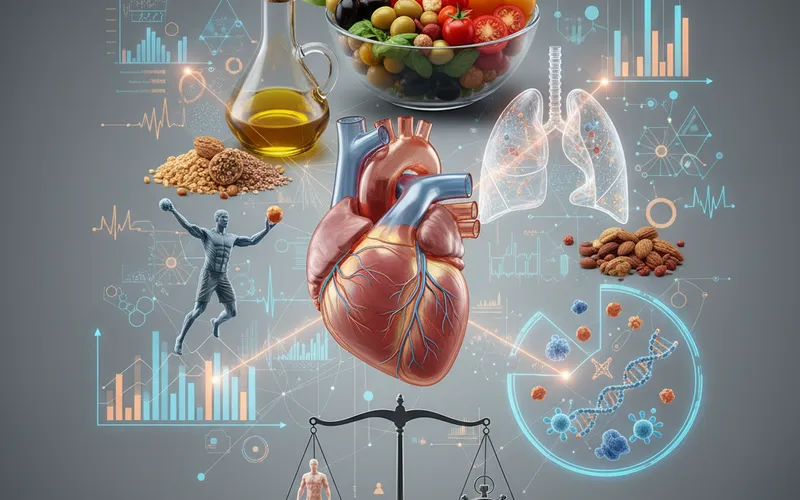
1. Die Studie – Was wurde untersucht und warum betrifft dich das?
Stell dir vor, du bist ein junger, aufstrebender Handballer. Jeder Sprint, jeder Sprung, jede schnelle Richtungsänderung zählt. Du weisst, dass Training wichtig ist, aber hast du dir jemals Gedanken darüber gemacht, wie dein Frühstück oder dein Abendessen deine Leistung auf dem Spielfeld beeinflussen könnte? Eine aktuelle Studie aus Spanien hat genau diese Frage aufgegriffen und untersucht, wie die Ernährung mit der körperlichen Leistungsfähigkeit junger Sportler zusammenhängt.
Ein Team um Sánchez-Díaz und Kollegen von der Universidad Europea de Madrid und der University of Valladolid hat sich die Essgewohnheiten junger männlicher Handballspieler genauer angesehen. Ihr Ziel war es, zu verstehen, ob und wie die Adhärenz zur mediterranen Diät, der Body-Mass-Index (BMI) und verschiedene Aspekte der körperlichen Leistungsfähigkeit miteinander verbunden sind. Sie wollten herausfinden, ob es unterschiedliche Profile von Spielern gibt, die sich in ihrer Ernährung und gleichzeitig in ihrer Leistung unterscheiden.
Für ihre Untersuchung rekrutierten die Forschenden 35 junge männliche Handballspieler. Die Adhärenz zur mediterranen Diät wurde mithilfe eines 16-teiligen KIDMED-Fragebogens erfasst, der gängige Ernährungsgewohnheiten abfragt. Die körperliche Leistungsfähigkeit wurde anhand mehrerer Tests gemessen: der Countermovement Jump (CMJ) für die Sprungkraft, der 505-Change of Direction Test für die Agilität, lineare Sprints zur Messung der Schnelligkeit und die isometrische Handkraft zur Beurteilung der Kraft der oberen Extremitäten.
Die zentralen Ergebnisse der Studie zeigten, dass die Spieler in zwei Gruppen (Cluster) eingeteilt werden konnten. Cluster 1 zeichnete sich dadurch aus, dass diese Spieler mehr als einmal pro Woche Fast Food assen, häufiger das Frühstück ausliessen und öfter Süssigkeiten konsumierten. Im Gegensatz dazu zeigte Cluster 2 eine signifikant bessere Sprintleistung (p = 0.019–0.053, ES = 0.39–0.47) und CMJ-Leistung (p = 0.042; ES = 0.40) als Cluster 1. Diese Ergebnisse deuten darauf hin, dass es einen Zusammenhang zwischen Ernährungsverhalten, BMI und der körperlichen Leistungsfähigkeit in dieser spezifischen Gruppe junger Handballspieler gibt.
Quelle: Sánchez-Díaz S, Castillo D, Ramirez-Jimenez M, Izquierdo JM, Marqués-Jiménez D, Duarte-Mendes P, Domínguez-Díez M (2026). Analyzing the Associations Between Mediterranean Diet Adherence, Body Mass Index, and Physical Performance in Youth Handball Players: A Clustering Approach. Sports (Basel), 14(2):75. PubMed-ID: 41745677
Diese Erkenntnisse sind spannend, aber wie genau interpretieren wir sie und was bedeuten sie für dich, selbst wenn du kein Handballspieler bist? Lass uns das genauer beleuchten.
2. Was heisst das wirklich? – Die kritische Einordnung
Die Studie liefert interessante Hinweise auf einen Zusammenhang zwischen Ernährung und sportlicher Leistung. Doch wie bei jeder wissenschaftlichen Untersuchung ist es wichtig, die Ergebnisse kritisch zu hinterfragen und richtig einzuordnen. Du bist kein Durchschnitt, und das gilt auch für Studienergebnisse.
Zum einen wurde hier ein Querschnittsdesign gewählt. Das bedeutet, alle Daten wurden zu einem einzigen Zeitpunkt erhoben. Solche Studien können Korrelationen aufzeigen – also, dass zwei Dinge gleichzeitig auftreten – aber sie können keine direkten Ursache-Wirkungs-Beziehungen beweisen. Wir können also nicht mit Sicherheit sagen, dass die schlechtere Ernährung die Ursache für die schlechtere Leistung ist, oder umgekehrt. Es könnte auch andere, ungemessene Faktoren geben, die beide Aspekte beeinflussen.
Ein weiterer wichtiger Punkt ist die Stichprobengrösse. Mit nur 35 männlichen Handballspielern ist die Gruppe relativ klein. Das macht es schwierig, die Ergebnisse auf eine breitere Bevölkerung oder gar auf andere Sportarten oder Altersgruppen zu verallgemeinern. Die statistische Signifikanz (p-Werte) in den Ergebnissen deutet zwar auf einen statistischen Unterschied zwischen den Gruppen hin, doch die Effektstärken (ES) sind moderat. Das heisst, der Unterschied ist zwar messbar, aber vielleicht nicht so gross, dass er für jeden Einzelnen sofort eine dramatische Auswirkung hätte.
Die Studie hat gute Arbeit geleistet, indem sie spezifische Leistungsparameter wie Sprungkraft und Sprintgeschwindigkeit gemessen hat, die für Handballer relevant sind. Allerdings wurden die Ernährungsgewohnheiten mittels Fragebogen erfasst (KIDMED-Fragebogen). Fragebögen sind nützlich, können aber anfällig für sogenannte Recall Bias sein, also Erinnerungsfehler oder die Tendenz, sozial erwünschte Antworten zu geben. Es wurde also nicht objektiv gemessen, was genau gegessen wurde, sondern nur, was die Spieler angaben zu essen.
Denkwerkzeug: Wenn du eine Studie liest, die deine Ernährungsgewohnheiten anspricht, frag dich: Basieren die Ergebnisse auf objektiven Messungen (z.B. Laborwerte, direkte Verhaltensbeobachtung) oder auf Selbstauskünften? Und wie gross war die Gruppe, die untersucht wurde? Das hilft dir einzuschätzen, wie direkt sich die Ergebnisse auf deine eigene Situation übertragen lassen.
Diese methodischen Überlegungen sind wichtig, um die Ergebnisse nicht zu überinterpretieren. Aber sie schmälern nicht den Wert der Studie als Hinweisgeber. Sie fordert uns auf, genauer hinzuschauen, was die Psyche dabei für eine Rolle spielt.
3. Der Geist im Körper – Die psychophysiologische Perspektive
Hier kommen wir zu einem entscheidenden Punkt, der in vielen Ernährungsstudien oft übersehen wird: die untrennbare Verbindung zwischen Körper und Geist. Gerade bei jungen Sportlern, wo Leistung und Entwicklung eng verknüpft sind, spielt die Psyche eine enorme Rolle.
Betrachten wir die Ergebnisse: Cluster 1 isst mehr Fast Food, lässt das Frühstück aus und konsumiert mehr Süssigkeiten. Gleichzeitig zeigt diese Gruppe schlechtere Sprint- und Sprungleistungen. Ist das nur die Folge der Nährstoffe, oder steckt mehr dahinter?
Motivation und Selbstwirksamkeit: Ein junger Sportler, der sich bewusst schlecht ernährt, könnte eine geringere Motivation oder ein geringeres Gefühl der Selbstwirksamkeit in Bezug auf seine sportliche Entwicklung haben. Die Überzeugung, dass Ernährung wichtig ist und die eigene Leistung beeinflusst, kann dazu führen, dass man sich nicht nur besser ernährt, sondern auch intensiver trainiert und mental stärker ist. Umgekehrt könnte sich eine nachlässige Einstellung zur Ernährung in einer allgemeinen Gleichgültigkeit widerspiegeln, die sich auch auf das Training und die Leistungsbereitschaft auswirkt.
Stress und Belohnung: Fast Food und Süssigkeiten sind oft mit Belohnung, Stressabbau oder sozialer Interaktion verbunden. Wenn junge Spieler diese Lebensmittel häufig konsumieren, könnte das ein Hinweis auf Stressoren in ihrem Leben sein, die sie durch Essen kompensieren. Chronischer Stress hat bekanntermassen weitreichende Auswirkungen auf den Körper, von Entzündungsmarkern bis hin zur Energieverwertung, die sich direkt auf die körperliche Leistungsfähigkeit auswirken können.
Erwartungshaltung und Placebo/Nocebo-Effekte: Auch wenn es hier keine direkte Intervention gab, spielt die Erwartung eine Rolle. Wer glaubt, dass eine gesunde Ernährung ihn stärker macht, wird vielleicht unbewusst mehr leisten. Umgekehrt könnte die Überzeugung, dass ungesunde Ernährung schadet, einen gewissen Nocebo-Effekt erzeugen, der die Leistung mindert. Die Spieler im Cluster 1 könnten innerlich weniger an den positiven Effekt ihrer Ernährung glauben oder sich weniger um ihre Gesundheit sorgen, was sich subtil auf ihre Physiologie und damit auf ihre Leistung auswirken könnte.
Es ist gut denkbar, dass die Ernährungsgewohnheiten nicht nur direkt über Nährstoffe wirken, sondern auch als Indikator für eine allgemeinere Einstellung zu Gesundheit, Disziplin und sportlichem Engagement dienen. Diese mentalen Faktoren beeinflussen die Physiologie auf vielfältige Weise – von der Hormonregulation bis zur Schmerzempfindlichkeit – und sind im Leistungssport oft entscheidend.
4. Der grössere Kontext – Einordnung und Abhängigkeiten
Jede Studie ist ein Puzzleteil in einem viel grösseren Bild. Diese Untersuchung bestätigt, was viele Trainer und Ernährungsberater im Sportbereich intuitiv wissen: Eine gute Ernährung ist für die Leistung wichtig. Sie reiht sich ein in eine Vielzahl von Studien, die die positiven Effekte der mediterranen Diät auf die allgemeine Gesundheit und auch auf die sportliche Leistungsfähigkeit hervorheben.
Interessant ist hier, dass die Autoren keine Interessenkonflikte angeben, was der Glaubwürdigkeit der Ergebnisse zugutekommt. Die Finanzierung durch die Universidad Europea de Madrid und das Ministerio de Universidades für Forschungsstipendien deutet auf eine unabhängige Forschungsinitiative hin und nicht auf eine von der Lebensmittelindustrie gesponserte Studie.
Was in dieser Studie nicht kontrolliert wurde, sind andere wichtige Lebensstilfaktoren, die die Leistung beeinflussen könnten. Dazu gehören:
- Schlafqualität und -quantität: Ausreichender und erholsamer Schlaf ist entscheidend für Regeneration und Leistungsfähigkeit.
- Mentales Training und Stressmanagement: Gerade bei jungen Sportlern können Leistungsdruck und Stress die physische Leistung stark beeinträchtigen.
- Trainingsintensität und -häufigkeit: Obwohl alle Handballspieler waren, gab es möglicherweise individuelle Unterschiede im Trainingsplan.
- Hydratation: Ein oft unterschätzter Faktor für die körperliche Leistung.
- Sozioökonomischer Hintergrund: Der Zugang zu gesunden Lebensmitteln und Sporteinrichtungen kann variieren und sich auf Ernährung und Leistung auswirken.
Diese Faktoren sind keine Kritik an der Studie, denn keine Studie kann alles abdecken. Aber sie sind wichtig für dich, um die Ergebnisse in deinem eigenen Leben zu kontextualisieren. Eine einzelne Studie ist ein Hinweis, aber selten die ganze Wahrheit.
Denkwerkzeug: Bevor du aufgrund einer einzelnen Studie deine Gewohnheiten änderst, frag dich: Welche anderen Aspekte meines Lebensstils (Schlaf, Stress, Bewegung) könnten ebenfalls eine Rolle spielen und wurden in dieser Studie vielleicht nicht berücksichtigt?
5. Was heisst das für dich? – Fazit und Alltagsrelevanz
Auch wenn du vielleicht kein junger Handballspieler bist, kannst du aus dieser Studie wichtige Erkenntnisse für deinen Alltag ziehen:
1. Deine Ernährung beeinflusst deine körperliche Leistungsfähigkeit: Die Studie ist ein weiterer Beleg dafür, dass eine gesunde, ausgewogene Ernährung – hier exemplarisch die mediterrane Diät – nicht nur für die allgemeine Gesundheit, sondern auch für deine Energie, deine Kraft und deine Schnelligkeit wichtig ist. Regelmässige Mahlzeiten, insbesondere das Frühstück, und der Verzicht auf übermässigen Konsum von Fast Food und Süssigkeiten können einen spürbaren Unterschied machen.
2. Achte auf dein Frühstück: Das Auslassen des Frühstücks war ein Merkmal der leistungsschwächeren Gruppe. Das zeigt einmal mehr, wie wichtig die erste Mahlzeit des Tages für eine stabile Energieversorgung und Konzentrationsfähigkeit ist – nicht nur im Sport, sondern auch im Alltag oder bei der Arbeit.
3. Dein Mindset zählt: Die psychophysiologische Perspektive legt nahe, dass deine Einstellung zur Ernährung und zu deinem Körper eine grosse Rolle spielt. Wenn du dich bewusst für eine gesunde Ernährung entscheidest, weil du an deren positive Wirkung glaubst, kann dies deine Motivation und dein Wohlbefinden steigern, was sich wiederum positiv auf deine körperliche und mentale Leistungsfähigkeit auswirkt. Dein Körper reagiert nicht nur auf das, was du isst, sondern auch darauf, wie du darüber denkst und fühlst.
Was du NICHT daraus schliessen solltest: Diese Studie ist kein Freifahrtschein für Schuldzuweisungen. Sie zeigt Korrelationen, keine definitiven Kausalitäten. Wenn du mal Fast Food isst oder das Frühstück verpasst, ist das kein Weltuntergang. Es geht um Muster und Konsistenz über die Zeit hinweg.
Für wen ist das besonders relevant? Für alle, die ihre körperliche und geistige Leistungsfähigkeit optimieren wollen – sei es im Sport, im Beruf oder im Alltag. Es bestätigt, dass der Teller ein mächtiges Werkzeug ist.
Diese Studie erinnert uns daran, dass Gesundheit und Leistungsfähigkeit immer ein Zusammenspiel von Körper und Geist sind. Es geht nicht nur darum, was du tust, sondern auch, wie du dich dabei fühlst und was du darüber denkst. Bleib neugierig, beobachte, wie dein Körper auf verschiedene Ernährungsweisen reagiert, und vertraue auf deine innere Weisheit. Dein Körper ist dein bester Coach.