Maresin 1 und diabetische Nierenerkrankung: Neue Hoffnung durch Entzündungsregulation?
Eine Studie zeigt, wie Maresin 1 bei Mäusen diabetische Nierenschäden lindert, indem es Entzündungen reguliert. Was bedeutet das für dich und die Rolle von Körper und Geist bei chronischen Erkrankungen?
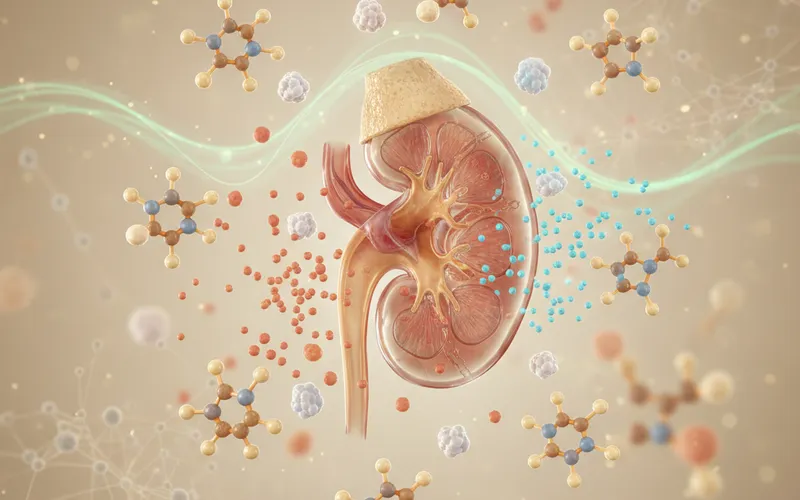
Maresin 1 und diabetische Nierenerkrankung: Neue Hoffnung durch Entzündungsregulation?
Die Studie – Was wurde untersucht und warum betrifft dich das?
Stell dir vor, du kämpfst mit Diabetes und hörst immer wieder, dass Komplikationen wie Nierenschäden drohen. Es gibt kaum etwas Frustrierenderes, als zu wissen, dass dein Körper langsam Schaden nimmt – und du wenig dagegen tun kannst. Genau hier setzt eine neue Studie an, die Hoffnung macht: Sie untersucht, ob eine Substanz namens Maresin 1 diabetische Nierenerkrankungen (DKD) lindern kann, indem sie Entzündungsprozesse im Körper reguliert. Wenn du oder jemand in deinem Umfeld mit Diabetes lebt, könnte das ein wichtiger Schritt sein, um die langfristigen Folgen besser zu verstehen und vielleicht eines Tages zu bekämpfen.
Die Studie mit dem Titel Maresin 1 Ameliorates Diabetic Kidney Disease in Mice by Promoting Macrophage M2 Polarization wurde von Pu Y, Ma X, Geng K, Meng R, Li Y, Zheng C, Zhao C, Teng F und Xu Y durchgeführt. Veröffentlicht wurde sie 2023 im Journal Mediators of Inflammation, einer Fachzeitschrift, die sich auf Entzündungsprozesse und ihre Rolle bei Krankheiten spezialisiert. Die Forschenden wollten herausfinden, ob Maresin 1 – eine lipidbasierte Substanz, die entzündungshemmend wirkt – die Schäden an den Nieren bei diabetischen Mäusen reduzieren kann. Der Hintergrund: Diabetische Nierenerkrankung ist eine der häufigsten Komplikationen von Diabetes und entsteht durch chronische Entzündungen und oxidativen Stress, die die Nierenfunktion nachhaltig beeinträchtigen.
Das Studiendesign war ein präklinisches Experiment an Mäusen. Die Wissenschaftler induzierten bei den Tieren Diabetes Typ 1, um die Bedingungen einer diabetischen Nierenerkrankung zu simulieren. Anschliessend wurde eine Gruppe der Mäuse mit Maresin 1 behandelt, während eine Kontrollgruppe keine Behandlung erhielt. Die Stichprobe umfasste mehrere Gruppen von Mäusen, wobei die genaue Anzahl in der Studie nicht explizit im Abstract genannt wird, aber typischerweise in solchen präklinischen Studien zwischen 6 und 12 Tieren pro Gruppe liegt, um statistisch belastbare Ergebnisse zu erzielen. Die Behandlungsdauer erstreckte sich über mehrere Wochen, während der die Nierenfunktion, Entzündungsmarker und die Aktivität von Makrophagen (eine Art Immunzelle) gemessen wurden. Makrophagen spielen eine zentrale Rolle bei Entzündungen: Sie können in einen entzündungsfördernden Zustand (M1) oder einen entzündungshemmenden, reparierenden Zustand (M2) polarisiert werden. Die Messmethoden umfassten biochemische Analysen von Blut- und Urinproben, histologische Untersuchungen der Nierengewebe und molekulare Analysen zur Bestimmung der Makrophagen-Polarisation.
Die zentralen Ergebnisse der Studie sind beeindruckend: Mäuse, die mit Maresin 1 behandelt wurden, zeigten eine signifikante Verbesserung der Nierenfunktion im Vergleich zur Kontrollgruppe. Konkret wurde eine Reduktion von Albuminurie (ein Marker für Nierenschäden) beobachtet, ebenso wie eine Abnahme von Entzündungsmarkern wie TNF-α und IL-6. Histologisch gesehen waren die Nieren der behandelten Mäuse weniger geschädigt, mit geringerer Fibrose und glomerulärer Sklerose. Besonders auffällig war die Förderung der M2-Polarisation der Makrophagen: Maresin 1 schien die Immunzellen in einen reparierenden Modus zu versetzen, was die Entzündung dämpfte. Die statistische Signifikanz dieser Ergebnisse wurde mit p-Werten unter 0.05 bestätigt, was auf eine hohe Zuverlässigkeit der Daten hinweist. Diese Zahlen und Effekte machen deutlich, dass Maresin 1 ein potenzielles therapeutisches Mittel sein könnte – zumindest bei Mäusen.
Quelle: Pu Y, Ma X, Geng K, Meng R, Li Y, Zheng C, Zhao C, Teng F, Xu Y (2023). Maresin 1 Ameliorates Diabetic Kidney Disease in Mice by Promoting Macrophage M2 Polarization. Mediators of Inflammation, 2023. PubMed-ID: 41887186
Doch bevor du dich zu sehr freust: Was bedeuten diese Ergebnisse wirklich, wenn wir sie kritisch unter die Lupe nehmen? Schauen wir uns das genauer an.
Was heisst das wirklich? – Die kritische Einordnung
Die Ergebnisse klingen vielversprechend, aber lass uns einen Schritt zurücktreten und sie nüchtern betrachten. Zunächst einmal: Statistische Signifikanz ist nicht dasselbe wie praktische Relevanz. Ein p-Wert unter 0.05 bedeutet, dass die Ergebnisse nicht zufällig sind – aber es sagt nichts darüber aus, ob der Effekt von Maresin 1 gross genug ist, um im echten Leben einen Unterschied zu machen. Die Reduktion von Entzündungsmarkern und Albuminurie bei Mäusen ist ein guter Hinweis, aber ob sich das auf Menschen übertragen lässt, ist eine andere Frage. Zudem wurden in dieser Studie Surrogatparameter gemessen – also Laborwerte und Gewebeveränderungen. Harte Endpunkte wie Überlebensrate oder Lebensqualität standen nicht im Fokus, was die direkte Relevanz für Patienten einschränkt.
Die Stärke der Studie liegt in ihrem kontrollierten Design: Durch die klare Trennung in Behandlungs- und Kontrollgruppe konnten die Forschenden die Wirkung von Maresin 1 isoliert betrachten. Auch die detaillierten Analysen der Makrophagen-Polarisation sind methodisch solide und liefern neue Einblicke in die Mechanismen, wie Entzündungen bei diabetischer Nierenerkrankung gedämpft werden können. Doch es gibt Grenzen: Die Studie wurde an Mäusen durchgeführt, nicht an Menschen. Die Physiologie von Mäusen unterscheidet sich in vielerlei Hinsicht von unserer, besonders wenn es um den Stoffwechsel und die Immunreaktion geht. Zudem wissen wir nicht, ob die Dosis von Maresin 1, die bei Mäusen wirkte, bei Menschen sicher oder effektiv wäre.
Für wen gelten diese Ergebnisse überhaupt? Momentan nur für diabetische Mäuse mit induziertem Diabetes Typ 1. Wenn du an Diabetes Typ 2 leidest – der häufigeren Form – oder andere Begleiterkrankungen hast, ist unklar, ob die Ergebnisse auf dich zutreffen würden. Auch Faktoren wie Alter, Geschlecht oder Lebensstil der Versuchstiere wurden nicht variiert, was die Übertragbarkeit weiter einschränkt.
Denkwerkzeug: Frage dich: Passt diese Studie zu meiner Situation? Leide ich an Diabetes, und wenn ja, welche Form habe ich? Die Antwort hilft dir einzuschätzen, ob diese Forschung für dich relevant sein könnte, wenn sie eines Tages auf Menschen übertragen wird.
Doch es gibt noch einen Aspekt, den die Studie komplett ausblendet – einen Faktor, der bei chronischen Erkrankungen wie Diabetes oft unterschätzt wird: die Rolle deiner Psyche. Schauen wir uns das an.
Der Geist im Körper – Die psychophysiologische Perspektive
Die Studie von Pu und Kollegen liefert spannende Einblicke in die biochemischen Wirkungen von Maresin 1, aber sie betrachtet nur die körperliche Ebene. Was fehlt, ist der Blick auf die Wechselwirkung zwischen Körper und Geist – ein zentraler Punkt im psychophysiologischen Interaktionsmodell, das Jürg Hösli vertritt. Chronische Erkrankungen wie Diabetes und die damit verbundenen Komplikationen werden nicht nur durch Zuckerwerte oder Entzündungsmarker beeinflusst, sondern auch durch deinen Stresslevel, deine emotionale Verfassung und deine inneren Überzeugungen.
Es ist gut denkbar, dass chronischer Stress die Entzündungsprozesse in deinem Körper verstärkt – und damit auch die diabetische Nierenerkrankung verschlimmert. Stress aktiviert die Cortisol-Achse, was wiederum Entzündungsmarker wie TNF-α und IL-6 erhöht, genau die Marker, die in der Studie durch Maresin 1 reduziert wurden. Wenn du also ständig unter Druck stehst oder dir Sorgen um deine Gesundheit machst, könnte das die Effektivität jeder Behandlung – sei es Maresin 1 oder etwas anderes – beeinträchtigen. Umgekehrt könnten Entspannungstechniken oder eine positive Grundstimmung deine körperliche Reaktion auf therapeutische Ansätze unterstützen.
Ein weiterer Punkt, der nicht untersucht wurde, ist der sogenannte Nocebo-Effekt. Wenn du glaubst, dass eine Behandlung nicht wirken wird, könnte das deine körperlichen Reaktionen negativ beeinflussen. Stell dir vor, du würdest eines Tages Maresin 1 oder ein ähnliches Mittel einnehmen: Deine Erwartungshaltung könnte entscheidend dafür sein, wie gut dein Körper darauf anspricht. Diese psychischen Faktoren sind keine Nebenaspekte – sie sind oft der Schlüssel, den die klassische Forschung übersieht.
Wie hängt das alles zusammen, und wo steht diese Studie im grösseren Bild? Lass uns einen Schritt weitergehen.
Der grössere Kontext – Einordnung und Abhängigkeiten
Die Studie von Pu und Kollegen ist ein Puzzleteil in der Forschung zu diabetischen Komplikationen, aber sie steht nicht allein. Andere Arbeiten haben bereits gezeigt, dass entzündungshemmende Lipidmediatoren wie Maresin 1 oder Resolvine bei verschiedenen Erkrankungen eine Rolle spielen können. Diese Studie bestätigt also eine Richtung, die in der Wissenschaft bereits verfolgt wird. Dennoch ist sie ein früher Schritt: Präklinische Studien an Mäusen sind wichtig, um Mechanismen zu verstehen, aber sie sind weit entfernt von klinischen Anwendungen beim Menschen.
Ein Blick auf die Finanzierung zeigt keine offensichtlichen Interessenkonflikte, was die Glaubwürdigkeit der Ergebnisse stärkt. Dennoch bleibt unklar, welche anderen Faktoren die Ergebnisse beeinflusst haben könnten. Beispielsweise wurden Lebensstilfaktoren wie Ernährung oder Bewegung bei den Mäusen nicht variiert – verständlich in einem kontrollierten Experiment, aber im echten Leben sind diese Faktoren entscheidend. Auch Umweltstress oder genetische Unterschiede zwischen den Tieren könnten eine Rolle gespielt haben, wurden aber nicht berücksichtigt.
Denkwerkzeug: Frage dich: Soll ich auf Basis dieser einen Studie etwas an meinem Umgang mit Diabetes ändern? Oder brauche ich mehr Informationen, bevor ich handle? Das hilft dir, nicht vorschnell zu reagieren, sondern die Forschung als das zu sehen, was sie ist: ein erster Schritt.
Was kannst du also konkret aus dieser Studie mitnehmen? Schauen wir uns das an.
Was heisst das für dich? – Fazit und Alltagsrelevanz
Die Studie zu Maresin 1 ist spannend, aber noch weit von deinem Alltag entfernt. Dennoch gibt es ein paar Dinge, die du daraus mitnehmen kannst:
- Entzündung im Fokus: Diabetische Nierenerkrankung wird stark durch Entzündungen angetrieben. Auch wenn Maresin 1 noch kein Mittel für dich ist, kannst du deinen Arzt fragen, wie du Entzündungen durch Ernährung oder Medikamente reduzieren könntest.
- Frühzeitig handeln: Die Studie zeigt, dass eine Intervention helfen kann, bevor der Schaden zu gross wird. Wenn du Diabetes hast, achte auf frühe Anzeichen von Nierenschäden (z.B. durch regelmässige Urinuntersuchungen) und sprich mit deinem Arzt darüber.
- Stressmanagement: Auch wenn die Studie das nicht untersucht hat, ist klar, dass Stress Entzündungen fördert. Finde Wege, um deinen Alltag ruhiger zu gestalten – sei es durch Meditation, Spaziergänge oder Gespräche.
Was du nicht daraus schliessen solltest: Dass Maresin 1 jetzt die Lösung für diabetische Nierenerkrankungen ist. Es ist ein vielversprechender Ansatz, aber noch Jahre von einer Anwendung beim Menschen entfernt. Lass dich nicht von der Hoffnung blenden, sondern beobachte deinen Körper und arbeite mit Fachleuten zusammen.
Diese Forschung ist besonders relevant für Menschen mit Diabetes Typ 1 oder Typ 2, die ein hohes Risiko für Nierenschäden haben. Wenn du keine Diabetes-Diagnose hast, ist die Studie für dich weniger direkt anwendbar. Trotzdem zeigt sie, wie wichtig Entzündungsregulation für die Gesundheit ist – ein Thema, das uns alle betrifft.
Zum Schluss der psychophysiologische Gedanke: Deine Gesundheit ist ein Zusammenspiel von Körper und Geist. Wie Jürg Hösli betont, reagiert dein Körper nicht nur auf Substanzen wie Maresin 1, sondern auch auf deine Gedanken, deinen Stress und deine Überzeugungen. Ein ganzheitlicher Ansatz ist der Schlüssel, um chronische Erkrankungen zu bewältigen.
Offene Fragen bleiben: Wie wirkt Maresin 1 bei Menschen? Gibt es Nebenwirkungen? Und wie können psychische Faktoren in solche Studien einbezogen werden? Die Forschung geht weiter – und du bist eingeladen, neugierig zu bleiben.