Mahlzeiten-Timing und Ghrelin: Dein Hungergefühl im Takt der inneren Uhr
Wann du isst, ist fast so wichtig wie was du isst. Eine neue Studie beleuchtet, wie das Timing deiner Mahlzeiten das Hungerhormon Ghrelin beeinflusst und damit deine Gewichtsregulation massgeblich mitbestimmt. Entdecke, wie du deine innere Uhr für ein besseres Sättigungsgefühl nutzen kannst.
Die Studie – Was wurde untersucht und warum betrifft dich das?
Stell dir vor, du sitzt am Abend auf dem Sofa und plötzlich meldet sich ein hartnäckiges Hungergefühl, obwohl du eigentlich schon genug gegessen hast. Oder du nimmst dir vor, abzunehmen, achtest auf Kalorien, aber der Erfolg bleibt aus. Kennst du das? Dann könnte das Timing deiner Mahlzeiten eine entscheidende Rolle spielen – und genau das hat eine faszinierende neue Studie unter die Lupe genommen.
Ein Team von Forschenden um Khaira und Sulastri vom Department of Nutritional Science der Universitas Andalas in Padang, Indonesien, hat untersucht, wie das Timing der Nahrungsaufnahme das Hungerhormon Ghrelin beeinflusst und welche Auswirkungen dies auf die Gewichtsregulation haben kann. Die Studie, die im Fachjournal Chronobiology International veröffentlicht wurde, taucht tief in die Welt der Chrononutrition ein – einem Forschungsfeld, das die Wechselwirkung zwischen unserer inneren Uhr und unserer Ernährung beleuchtet.
Die zentrale Fragestellung der Wissenschaftler war: Inwiefern beeinflusst das wann wir essen, die Ausschüttung des Hungerhormons Ghrelin und damit unser Sättigungsgefühl und letztlich auch unser Gewicht? Sie wollten verstehen, ob ein synchrones Essen mit unserem natürlichen zirkadianen Rhythmus Vorteile für die Appetitkontrolle und das Gewichtsmanagement bietet.
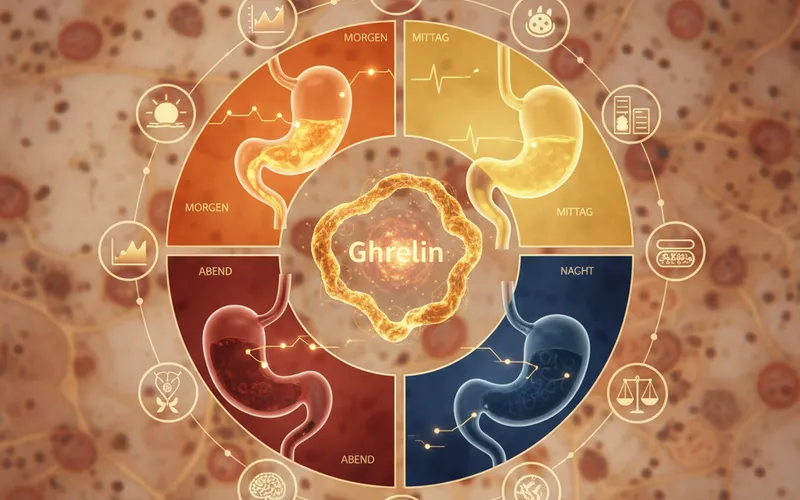
Ghrelin ist ein Peptidhormon, das eine zentrale Rolle bei der kurzfristigen Appetitregulation und dem Energiegleichgewicht spielt. Seine Ausschüttung wird nicht nur durch unseren Ernährungszustand beeinflusst, sondern auch durch unsere zirkadianen Rhythmen und unsere gewohnten Essmuster. Typischerweise steigen die Ghrelinwerte während des Fastens an und sinken nach den Mahlzeiten. Aber es gibt auch einen täglichen Rhythmus: Ghrelin erreicht nachts seinen Höhepunkt und morgens seine niedrigsten Werte.
Die Forschenden haben die Ergebnisse verschiedener Humanstudien zusammengetragen, die zeigen, dass konsistente Essenszeiten die Ghrelin-Ausschüttung trainieren können, sodass der Ghrelin-Spiegel bereits vor den gewohnten Mahlzeiten ansteigt. Experimentelle Interventionen deuteten darauf hin, dass ein Essmuster, bei dem der Grossteil der Kalorien morgens aufgenommen wird (sogenanntes «morning-loaded eating»), im Vergleich zu einem abendlastigen Muster zu einer stärkeren Unterdrückung des Ghrelins nach den Mahlzeiten, einer verbesserten Reaktion von Sättigungshormonen und einem grösseren Gewichtsverlust führt – selbst bei gleicher Kalorienaufnahme.
Im Gegensatz dazu wird verzögertes oder fehlgerichtetes Essen, wie es beispielsweise bei Nachtschichtarbeitern vorkommt, mit erhöhten Ghrelinwerten zu biologisch ungünstigen Zeiten und verstärktem Hunger in Verbindung gebracht. Einige Studien haben auch das Verhältnis von Leptin zu Ghrelin als nützlichen Marker für die Appetitregulation und das metabolische Risiko hervorgehoben, insbesondere bei übergewichtigen Personen.
Die gesammelten Erkenntnisse stützen die Idee, dass das Timing der Nahrungsaufnahme die Dynamik des Ghrelins moduliert und Stoffwechselergebnisse beeinflusst. Mahlzeiten-Timing, wenn es mit den körpereigenen biologischen Rhythmen abgestimmt ist, könnte daher ein praktisches Ziel für chrononutritionelle Strategien sein, die darauf abzielen, die Appetitkontrolle und Gewichtsregulation zu verbessern.
Quelle: Khaira F, Sulastri D (2026). Meal timing and ghrelin: A chrononutritional perspective on weight regulation potential. Chronobiology International, 43(2). PubMed-ID: 41622791
Was heisst das wirklich? – Die kritische Einordnung
Diese Studie fasst eine Reihe von Forschungsergebnissen zusammen und liefert dir eine wertvolle Perspektive auf das Zusammenspiel von Mahlzeiten-Timing und Ghrelin. Aber wie bei jeder wissenschaftlichen Veröffentlichung ist es wichtig, die Ergebnisse kritisch zu hinterfragen und richtig einzuordnen.
Die Forschenden betonen, dass es einen Unterschied macht, wann du isst. Das ist keine neue Erkenntnis, aber die Verknüpfung mit dem Hungerhormon Ghrelin und dem zirkadianen Rhythmus macht es greifbar. Die Idee, dass ein früherer, morgendlicher Schwerpunkt der Kalorienaufnahme zu besserer Sättigung und Gewichtsverlust führen kann, selbst bei gleicher Kalorienzahl, ist faszinierend. Das zeigt, dass unser Körper keine einfache Kalorienmaschine ist, sondern ein komplexes System, das auf Timing reagiert.
Es ist wichtig zu verstehen, dass hier von «stärkerer postprandialer Ghrelin-Suppression» die Rede ist. Das bedeutet, dass Ghrelin nach einer Mahlzeit am Morgen effektiver unterdrückt wird als nach einer Mahlzeit am Abend. Das ist ein physiologisch messbarer Effekt. Der Begriff «enhanced satiety hormone responses» deutet darauf hin, dass auch andere Hormone, die für das Sättigungsgefühl verantwortlich sind, positiver reagieren.
Die Studie ist eine Literaturübersicht, das heisst, sie fasst die Ergebnisse vieler einzelner Studien zusammen. Das ist eine Stärke, weil es ein breites Bild liefert. Es ist aber auch eine Schwäche, da die Qualität und Methodik der einzelnen zitierten Studien variieren kann. Es ist nicht immer klar, wie gross die Effekte in den einzelnen Untersuchungen waren oder wie robust die Ergebnisse über verschiedene Populationen hinweg sind.
Ein wichtiger Punkt ist der Unterschied zwischen «statistisch signifikant» und «klinisch bedeutsam». Auch wenn Ghrelinwerte sich statistisch nachweisen lassen, muss das nicht bedeuten, dass der Effekt für dich im Alltag sofort spürbar oder entscheidend ist. Ob die «enhanced satiety hormone responses» wirklich dazu führen, dass du dich den ganzen Tag über deutlich satter fühlst und weniger isst, hängt von vielen weiteren Faktoren ab.
Denkwerkzeug: Frage dich: Würde eine leichte Verschiebung meiner Hauptmahlzeit von abends auf morgens oder mittags einen spürbaren Unterschied in meinem Hungergefühl machen? Und bin ich bereit, das auszuprobieren, um die potenziellen Vorteile für mich persönlich zu testen?
Der Geist im Körper – Die psychophysiologische Perspektive
Hier kommen wir zum Kern dessen, was auf Jürg Höslis Plattform so wichtig ist: die untrennbare Verbindung von Psyche und Körper. Die vorgestellte Studie konzentriert sich auf physiologische Marker wie Ghrelin und Sättigungshormone. Doch was oft übersehen wird, ist, wie unsere Gedanken, Erwartungen und unser Stresslevel diese Prozesse beeinflussen.
Betrachten wir den Placebo- und Nocebo-Effekt. Wenn du fest daran glaubst, dass ein früheres Abendessen oder ein reichhaltigeres Frühstück dich satter macht und dir beim Abnehmen hilft, kann diese Überzeugung allein schon physiologische Veränderungen auslösen. Dein Körper reagiert nicht nur auf die Kalorien und das Timing, sondern auch auf deine innere Haltung. Diese Erwartungshaltung kann die Ausschüttung von Ghrelin subtil beeinflussen oder deine Wahrnehmung von Sättigung verstärken.
Denk an den Stress. Die Studie erwähnt, dass verzögertes Essen, wie bei Nachtschichtarbeitern, mit erhöhten Ghrelinwerten und verstärktem Hunger verbunden ist. Nachtschichtarbeit ist nicht nur eine Störung des Essens-Timings, sondern auch eine massive Störung des zirkadianen Rhythmus und oft mit hohem Stresslevel verbunden. Chronischer Stress hat einen direkten Einfluss auf unsere Hormonachsen, einschliesslich der Ghrelin-Ausschüttung. Wenn du gestresst bist, kann dein Körper Signale senden, die dich zu mehr Essen verleiten – oft zu ungesunden, energiereichen Lebensmitteln –, selbst wenn dein Ghrelin-Spiegel physiologisch nicht primär erhöht wäre. Das Essen wird dann auch zur emotionalen Regulation genutzt.
Auch die «innere Uhr» ist nicht nur ein physiologischer Mechanismus, sondern wird auch durch unser Verhalten und unsere Gedanken beeinflusst. Wenn du jahrelang gewohnt bist, abends viel zu essen, dann ist das nicht nur eine physiologische Gewohnheit, sondern auch eine psychologische. Die Umstellung auf ein «morning-loaded eating» erfordert nicht nur eine Anpassung der Essenszeiten, sondern auch eine mentale Umstellung, eine neue Routine und den Glauben daran, dass es funktioniert. Dein Körper muss sich anpassen, aber auch dein Geist muss mitspielen.
Es ist gut denkbar, dass ein Teil des beobachteten Effekts von «morning-loaded eating» auf Gewichtsverlust nicht nur auf die reine Ghrelin-Suppression zurückzuführen ist, sondern auch darauf, dass Menschen, die bewusst ihr Essens-Timing anpassen, sich generell gesünder ernähren, mehr auf ihren Körper hören und ein höheres Mass an Selbstwirksamkeit erleben. Diese psychologischen Faktoren können die physiologischen Effekte verstärken und zu nachhaltigeren Ergebnissen führen.
Der grössere Kontext – Einordnung und Abhängigkeiten
Diese Studie reiht sich ein in eine wachsende Zahl von Forschungsarbeiten, die die Bedeutung der Chrononutrition unterstreichen. Lange Zeit lag der Fokus primär auf der Menge und Zusammensetzung der Nahrung. Nun rückt immer stärker das «Wann» in den Vordergrund. Das ist ein wichtiger Paradigmenwechsel in der Ernährungsforschung und bestätigt, was viele Kulturen intuitiv wussten: Der Rhythmus unseres Lebens und unserer Ernährung ist entscheidend.
Die Studie selbst ist eine Übersichtsarbeit, was bedeutet, dass sie bestehende Erkenntnisse zusammenfasst und bewertet. Sie wurde von Forschenden der Universitas Andalas in Indonesien durchgeführt, was die globale Relevanz dieses Forschungsfeldes unterstreicht. Es wurden keine spezifischen Interessenkonflikte genannt, was die Glaubwürdigkeit der Darstellung stärkt.
Es ist wichtig zu bedenken, dass jede Studie ihre Grenzen hat. Was wurde nicht kontrolliert? Die Lebensstilfaktoren sind vielfältig. Stresslevel, Schlafqualität, körperliche Aktivität, die Zusammensetzung der Nahrung (nicht nur die Kalorienzahl) – all das sind Variablen, die die Ergebnisse beeinflussen könnten und in den einzelnen Studien, die hier zusammengefasst wurden, unterschiedlich berücksichtigt worden sein dürften. Auch die individuelle Variabilität ist enorm: Was für den einen funktioniert, muss für den anderen nicht gelten. Die Genetik, der individuelle Chronotyp (Eule oder Lerche) und die Darmflora spielen ebenfalls eine Rolle.
Diese Studie bestätigt im Wesentlichen bestehende Erkenntnisse aus der Chronobiologie, die zeigen, dass unsere physiologischen Prozesse einem 24-Stunden-Rhythmus unterliegen. Sie ist kein Ausreisser, sondern ein wichtiges Puzzleteil, das die Bedeutung der Synchronisation von Essenszeiten mit der inneren Uhr hervorhebt. Es ist ein Hinweis darauf, dass wir unseren Körper besser verstehen und unterstützen können, wenn wir nicht nur auf das «Was» und «Wie viel» achten, sondern auch auf das «Wann».
Denkwerkzeug: Frage dich: Welche anderen Lebensstilfaktoren könnten in meinem Alltag die Wirkung des Mahlzeiten-Timings auf mein Hungergefühl verstärken oder abschwächen? Und wie kann ich diese Faktoren bewusst in meine Überlegungen einbeziehen, anstatt mich nur auf das Essen zu konzentrieren?
Was heisst das für dich? – Fazit und Alltagsrelevanz
Nach all diesen wissenschaftlichen Details fragst du dich nun sicher: Was soll ich jetzt damit anfangen? Hier sind 2–3 konkrete Erkenntnisse, die du aus dieser Studie für deinen Alltag mitnehmen kannst:
- Priorisiere dein Frühstück und Mittagessen: Die Studie legt nahe, dass ein Grossteil deiner täglichen Kalorienaufnahme am Morgen und Mittag stattfinden sollte. Das bedeutet, ein nahrhaftes Frühstück und ein ausgewogenes Mittagessen sind wichtiger, als du vielleicht denkst. Dein Körper scheint morgens besser darauf vorbereitet zu sein, Nahrung zu verarbeiten und Sättigungssignale effektiver zu senden.
- Vermeide späte, schwere Mahlzeiten: Wenn du abends spät noch reichlich isst, kann dies deinen Ghrelin-Spiegel zu einem biologisch ungünstigen Zeitpunkt erhöhen und dein Hungergefühl verstärken, selbst wenn du eigentlich satt sein solltest. Versuche, dein Abendessen früher zu planen und es leichter zu halten.
- Achte auf Konsistenz: Regelmässige Essenszeiten helfen deinem Körper, seine Ghrelin-Ausschüttung zu trainieren. Wenn du jeden Tag etwa zur gleichen Zeit isst, kann sich dein Körper besser auf die Nahrungsaufnahme einstellen und dein Hungergefühl effektiver regulieren.
Was solltest du aber **NICHT** daraus schliessen? Diese Studien bedeuten nicht, dass du dir nie wieder ein spätes Abendessen gönnen darfst oder dass eine einzelne Abweichung von deinem Essensplan sofort deine Gewichtsregulation ruiniert. Es geht um eine Tendenz und um die Optimierung deiner Essgewohnheiten im Grossen und Ganzen. Verfalle nicht in Dogmatismus. Höre auf deinen Körper und seine Signale, anstatt starren Regeln zu folgen.
Diese Erkenntnisse sind besonders relevant für dich, wenn du Schwierigkeiten mit der Appetitkontrolle hast, oft Heisshunger verspürst oder dein Gewicht regulieren möchtest. Auch für Schichtarbeiter oder Menschen mit unregelmässigen Lebensstilen ist die Botschaft wichtig: Versuche, so viel Regelmässigkeit wie möglich in dein Essens-Timing zu bringen, um deinen Körper zu unterstützen.
Der psychophysiologische Gedanke zum Schluss: Dein Körper reagiert nicht nur auf die biochemischen Signale deiner Nahrung, sondern auch auf deine mentale Einstellung dazu. Wenn du mit der Überzeugung an deine Mahlzeiten herangehst, dass sie dich nähren und satt machen, und wenn du deine Essenszeiten bewusst wählst, um deinen Körper zu unterstützen, dann kann das deine physiologischen Reaktionen positiv verstärken. Dein Geist ist ein mächtiger Verbündeter im Zusammenspiel mit deinem Körper.
Welche Fragen bleiben offen? Es wäre spannend, in zukünftigen Studien noch detaillierter zu untersuchen, wie individuelle Chronotypen oder die Zusammensetzung der Darmflora die Reaktion auf Mahlzeiten-Timing beeinflussen. Auch die Langzeitwirkungen des chrononutritionellen Ansatzes auf die Gesundheit insgesamt verdienen weitere Forschung.
Betrachte diese Erkenntnisse als eine Einladung, bewusster mit deinem Körper und seiner inneren Uhr umzugehen. Experimentiere, beobachte und finde heraus, was für dich am besten funktioniert, um dein Hungergefühl in Balance zu halten und dich rundum wohlzufühlen.