Juckreiz bei Kindern: Wie Gene das quälende Kratzen beeinflussen können
Quälender Juckreiz bei Kindern mit Lebererkrankungen ist eine grosse Belastung. Eine Studie aus den USA untersucht, ob bestimmte Genvarianten die Anfälligkeit dafür beeinflussen. Entdecke, wie dein genetisches Erbe und deine Psyche zusammenspielen könnten.
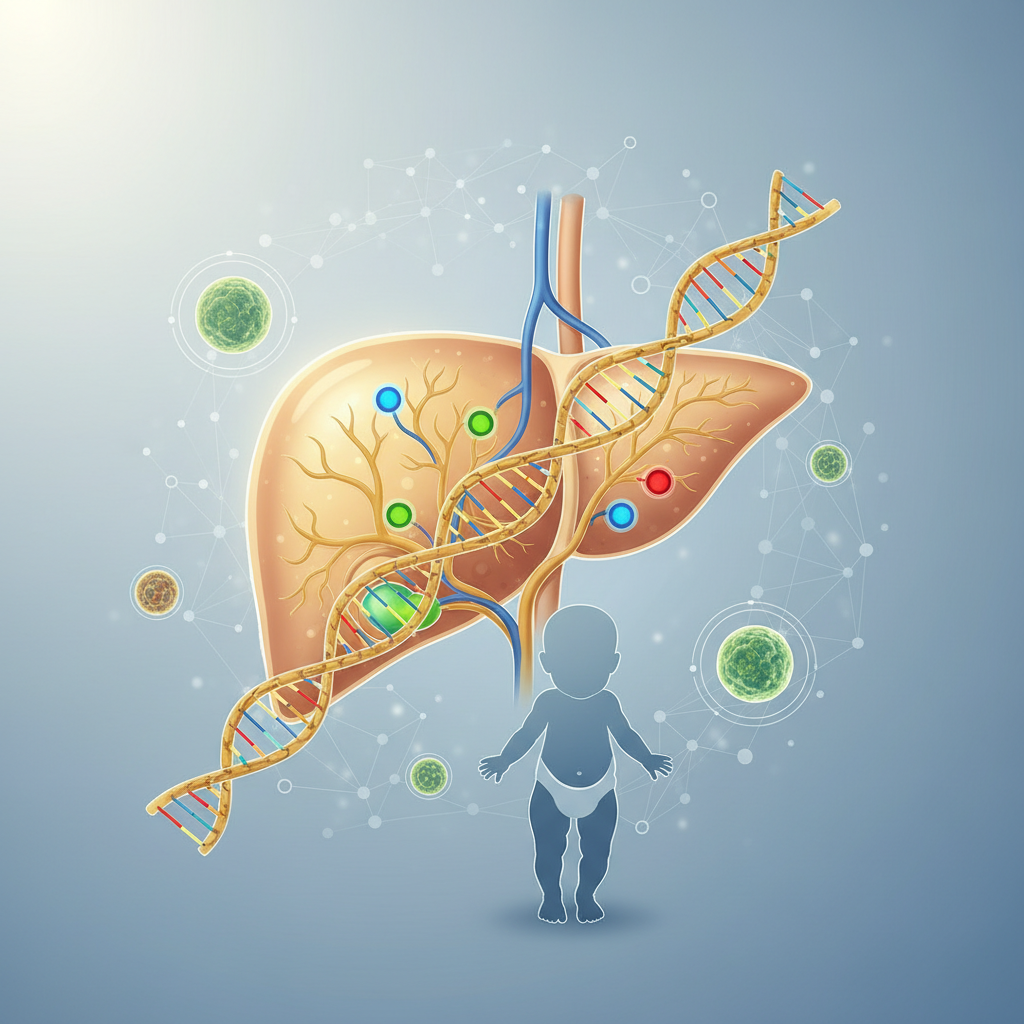
Die Studie – Was wurde untersucht und warum betrifft dich das?
Stell dir vor, dein Kind leidet unter einem unerträglichen Juckreiz, der Tag und Nacht anhält. Es kratzt sich wund, kann nicht schlafen, ist gereizt und erschöpft. Für Kinder, die an einer cholestatischen Lebererkrankung leiden, ist genau das oft traurige Realität. Dieser Juckreiz, medizinisch Pruritus genannt, ist nicht nur lästig, sondern massiv quälend und beeinträchtigt die Lebensqualität enorm. Doch die genauen Ursachen sind oft schwer zu fassen.
Genau hier setzt eine aktuelle Studie aus den USA an. Forschende der Johns Hopkins University und der University of Maryland haben sich gefragt, ob genetische Unterschiede eine Rolle dabei spielen, ob ein Kind mit einer cholestatischen Lebererkrankung unter diesem Juckreiz leidet oder nicht. Im Fokus stand dabei ein ganz bestimmter Rezeptor namens MRGPRX4. Dieser Rezeptor, der auf Nervenzellen in der Haut sitzt, wird durch Gallensäuren aktiviert und könnte ein Schlüsselmechanismus für die Entstehung von Juckreiz sein.
Die Forschenden führten eine Fall-Kontroll-Studie durch. Das bedeutet, sie verglichen zwei Gruppen von Kindern: Eine Gruppe, die unter cholestatischem Juckreiz litt (Fälle), und eine Kontrollgruppe mit der gleichen Lebererkrankung, die aber keinen Juckreiz hatte. Zu den untersuchten Erkrankungen gehörten das Alagille-Syndrom, progressive familiäre intrahepatische Cholestase (PFIC), Gallengangsatresie und primär sklerosierende Cholangitis (PSC). Die Wissenschaftler sammelten klinische Daten, unter anderem über die Gallensäurewerte der Kinder, und führten dann eine gezielte Sequenzierung des MRGPRX4-Gens durch. Sie wollten herausfinden, ob bestimmte Variationen (sogenannte SNVs, Single Nucleotide Variants) in diesem Gen mit dem Auftreten von Juckreiz verbunden waren.
Insgesamt nahmen 36 Kinder an der Studie teil, davon 17 mit Juckreiz und 19 ohne. Bei allen Kindern wurden mindestens eine Genvariante im MRGPRX4-Gen gefunden. Elf einzigartige Varianten konnten identifiziert werden. Interessanterweise fanden die Forschenden, dass die Kombination von drei bestimmten Varianten (Phe8Leu, Asn25Lys und Tyr215Tyr) bei Kindern mit Juckreiz seltener war. Eine seltene Variante (Lys11Glu) wurde sogar ausschliesslich bei Kindern ohne Juckreiz entdeckt. Während keine einzelne Genvariante allein signifikant mit dem Juckreiz assoziiert war, deuten diese Ergebnisse darauf hin, dass bestimmte Genvarianten die Anfälligkeit für cholestatischen Juckreiz beeinflussen könnten, indem sie die Aktivität des MRGPRX4-Rezeptors verändern.
Quelle: Rodrigo M, Chien DC, Kawamoto R, Limjunyawong N, Rajborirug S, Dong X, Karnsakul W (2026). Defining the Contribution of Genetic Variants in MRGPRX4 With Pruritus in Paediatric Cholestasis: Evidence From Case-Control Study. Liver international : official journal of the International Association for the Study of the Liver, 46(4). PubMed-ID: 41817014
Was heisst das wirklich? – Die kritische Einordnung
Diese Studie liefert spannende erste Hinweise, doch wie so oft in der Wissenschaft ist die Interpretation differenziert. Du bist keine Statistik, und dein Körper ist keine Durchschnittskurve. Was bedeutet also ein solches Ergebnis für dich oder ein Kind in deinem Umfeld?
Zunächst einmal ist es wichtig zu verstehen, dass die Studie mit 36 Teilnehmern relativ klein ist. Bei solch geringen Fallzahlen sind statistische Assoziationen mit Vorsicht zu geniessen. Ein kleines p-Wert, der statistische Signifikanz anzeigt, ist hier nicht gegeben, was die Forschenden auch offen kommunizieren. Es wurden zwar Muster beobachtet – bestimmte Genvarianten waren bei der einen Gruppe häufiger oder seltener als bei der anderen –, aber diese Muster müssen in grösseren Studien bestätigt werden, um als wirklich robust zu gelten. Das Ergebnis ist ein Hinweis, kein endgültiger Beweis.
Die Studie untersuchte sogenannte genetische Varianten (SNVs), also kleine Unterschiede in der DNA-Sequenz. Diese sind "harte Endpunkte" im Sinne, dass sie objektiv messbar sind. Was jedoch nicht direkt gemessen wurde, ist die funktionelle Auswirkung dieser Varianten auf den MRGPRX4-Rezeptor. Die Forschenden vermuten, dass die Varianten die Rezeptoraktivität verändern könnten, aber das ist eine Hypothese, die noch bewiesen werden muss. Ein Gen ist nur ein Bauplan; wie dieser Plan umgesetzt wird und welche Auswirkungen das hat, ist komplex.
Ein Pluspunkt der Studie ist das klare Studiendesign als Fall-Kontroll-Studie, die darauf abzielt, einen Zusammenhang zwischen Genetik und Symptom zu finden. Die Teilnehmenden wurden aus einem pädiatrischen tertiären Versorgungszentrum rekrutiert, was bedeutet, dass es sich um spezialisierte Fälle handelt. Das erhöht die Wahrscheinlichkeit, die gesuchten Effekte zu finden, kann aber auch die Übertragbarkeit auf die allgemeine Bevölkerung einschränken. Die Ergebnisse gelten spezifisch für Kinder mit cholestatischen Lebererkrankungen – nicht für andere Formen von Juckreiz.
Denkwerkzeug: Wenn du von einer neuen Studie hörst, die einen Zusammenhang zwischen Genen und einem Symptom herstellt, frage dich: Wie gross war die Studie, und wurde die Funktion der Gene auch wirklich gemessen, oder nur ihre Anwesenheit?
Der Geist im Körper – Die psychophysiologische Perspektive
Hier kommen wir zum Kern dessen, was viele Studien – auch diese – oft übersehen: die untrennbare Verbindung zwischen Psyche und Körper. Auch wenn wir hier über genetische Prädispositionen sprechen, dürfen wir den Einfluss des Geistes auf die Körperphysiologie nicht unterschätzen, selbst bei so einem scheinbar "körperlichen" Symptom wie Juckreiz.
Stell dir vor, du bist gestresst, ängstlich oder traurig. Dein Körper reagiert darauf mit physiologischen Veränderungen: Dein Hormonsystem fährt hoch, Entzündungsmarker können ansteigen, und deine Schmerz- oder Juckreizschwelle kann sinken. Bei Kindern mit chronischen Erkrankungen, insbesondere solchen, die mit so quälenden Symptomen wie Juckreiz einhergehen, ist der psychische Stress enorm. Die Angst vor dem nächsten Juckreizanfall, die Scham über Kratzspuren, der Schlafmangel – all das wirkt sich auf das Nervensystem aus.
Es ist gut denkbar, dass Kinder mit einer genetischen Veranlagung für Juckreiz, die aber gleichzeitig eine hohe Resilienz, gute Stressbewältigungsstrategien oder ein unterstützendes Umfeld haben, weniger unter dem Symptom leiden als Kinder mit der gleichen genetischen Veranlagung, aber hohem psychischem Stress. Der Placebo- oder Nocebo-Effekt spielt auch hier eine Rolle. Die Erwartung, dass ein Symptom schlimmer wird, kann es tatsächlich verstärken. Umgekehrt kann die Überzeugung, dass man Linderung finden wird, die Symptome mildern.
Diese Studie hat zwar den Fokus auf die Genetik gelegt, aber es wäre spannend gewesen zu sehen, wie psychische Faktoren wie Stresslevel, Schlafqualität oder die emotionale Unterstützung im Umfeld der Kinder den Juckreiz beeinflusst hätten. Der MRGPRX4-Rezeptor ist Teil des Nervensystems. Und das Nervensystem ist extrem sensibel für psychische Zustände. Es ist also durchaus denkbar, dass die genetische Prädisposition nur ein Teil des Puzzles ist und die psychische Verfassung des Kindes massgeblich darüber entscheidet, ob und wie stark sich dieser Juckreiz manifestiert.
Der grössere Kontext – Einordnung und Abhängigkeiten
Diese Studie ist ein kleines, aber wichtiges Puzzleteil in einem viel grösseren Bild. Sie bestätigt die Hypothese, dass Genetik eine Rolle bei der Entstehung von cholestatischem Juckreiz spielen kann, aber sie ist bei Weitem nicht die ganze Geschichte. Die Finanzierung der Studie wurde nicht explizit genannt, was in der wissenschaftlichen Kommunikation immer ein transparenter Punkt sein sollte, um mögliche Interessenkonflikte auszuschliessen oder offen zu legen. Das Fehlen dieser Information ist kein Mangel, aber ein Punkt, den man im Hinterkopf behalten kann.
Die Forschung zum MRGPRX4-Rezeptor ist noch relativ jung. Frühere Studien haben diesen Rezeptor als potenziellen Mediator für Juckreiz identifiziert. Diese aktuelle Studie stützt diese Annahme, indem sie spezifische Genvarianten identifiziert, die möglicherweise die Rezeptorfunktion beeinflussen. Sie ist also ein bestätigender Schritt, aber kein bahnbrechender Paradigmenwechsel. Es ist ein Hinweis, der weitere Forschung vorantreiben soll.
Was in der Studie nicht kontrolliert wurde, sind viele andere Lebensstilfaktoren, die den Juckreiz beeinflussen könnten. Denke an die Ernährung, die allgemeine psychische Verfassung des Kindes und seiner Familie, die Schlafqualität und die Art der Medikation, die die Kinder zusätzlich erhalten. All diese Faktoren können das subjektive Empfinden von Juckreiz stark beeinflussen. Die Studie hat sich bewusst auf die Genetik konzentriert, was für die Fragestellung sinnvoll ist, aber es bedeutet auch, dass andere wichtige Einflussgrössen ausgeblendet wurden.
Denkwerkzeug: Wenn eine Studie einen einzelnen Faktor als Ursache für ein Symptom identifiziert, frage dich: Welche anderen Faktoren könnten ebenfalls eine Rolle spielen, die in dieser Studie nicht berücksichtigt wurden?
Was heisst das für dich? – Fazit und Alltagsrelevanz
Was kannst du aus dieser Studie für dich oder für ein Kind in deinem Umfeld mitnehmen, das unter Juckreiz leidet?
- Genetik ist ein Teil des Puzzles: Die Studie liefert erste Hinweise darauf, dass bestimmte Genvarianten die Anfälligkeit für cholestatischen Juckreiz bei Kindern beeinflussen können. Das bedeutet, dass die individuelle genetische Ausstattung eine Rolle spielen kann, warum manche Kinder stärker betroffen sind als andere. Es ist ein Schritt zu einem besseren Verständnis der Ursachen.
- Keine Panik bei genetischen Varianten: Auch wenn du oder dein Kind diese Genvarianten haben solltest, ist das kein Schicksal. Die Studie zeigt, dass alle Teilnehmenden Varianten hatten, aber nicht alle litten unter Juckreiz. Genetik ist eine Prädisposition, keine unvermeidliche Vorhersage.
- Der psychische Einfluss bleibt entscheidend: Auch wenn genetische Faktoren eine Rolle spielen, ist der psychophysiologische Aspekt der wichtigste Hebel im Alltag. Stress, Angst, Schlafentzug und die Art, wie wir mit Symptomen umgehen, können diese massiv verstärken oder mildern. Achte auf eine gute psychische Unterstützung für betroffene Kinder und ihre Familien. Techniken zur Stressreduktion, Achtsamkeit und psychologische Begleitung können einen grossen Unterschied machen.
Was du NICHT daraus schliessen solltest, ist, dass der Juckreiz rein genetisch bedingt und damit unbeeinflussbar sei. Diese Studie ist ein erster Schritt, um die biologischen Mechanismen besser zu verstehen, aber sie liefert keine abschliessende Antwort auf die Frage, warum Juckreiz auftritt und wie man ihn am besten behandelt. Es ist auch kein Grund, jetzt sofort einen Gentest zu verlangen. Die Ergebnisse sind noch zu vorläufig, um daraus konkrete Therapieempfehlungen abzuleiten.
Diese Erkenntnisse sind besonders relevant für Forschende und Ärzte, die sich mit chronischem Juckreiz bei Lebererkrankungen beschäftigen. Für dich als gesundheitsbewussten Menschen ist es eine Erinnerung daran, dass Gesundheit immer ein Zusammenspiel von Körper und Geist ist. Dein Körper reagiert nicht nur auf das, was in deinen Genen steht, sondern auch auf das, was du denkst und fühlst, und wie du dein Leben gestaltest. Bleibe neugierig, beobachte deinen Körper und höre auf seine Signale – und sei offen für die vielen Wege, die zur Linderung führen können.
Die Forschung zu diesem wichtigen Thema wird weitergehen. Vielleicht werden wir in Zukunft noch besser verstehen, wie Genetik, Umwelt und Psyche zusammenwirken, um unser Wohlbefinden zu beeinflussen.
Wissenschaftliche Quelle
Liver international : official journal of the International Association for the Study of the Liver