Wie deine innere Kapazität dein Altern beeinflusst
Verstehe, wie deine körperliche und geistige "intrinsische Kapazität" den Verlauf deines Alterns prägt. Eine japanische Langzeitstudie zeigt überraschende Muster und Risiken für Behinderung auf – und wie dein seelisches Wohlbefinden dabei eine zentrale Rolle spielt.
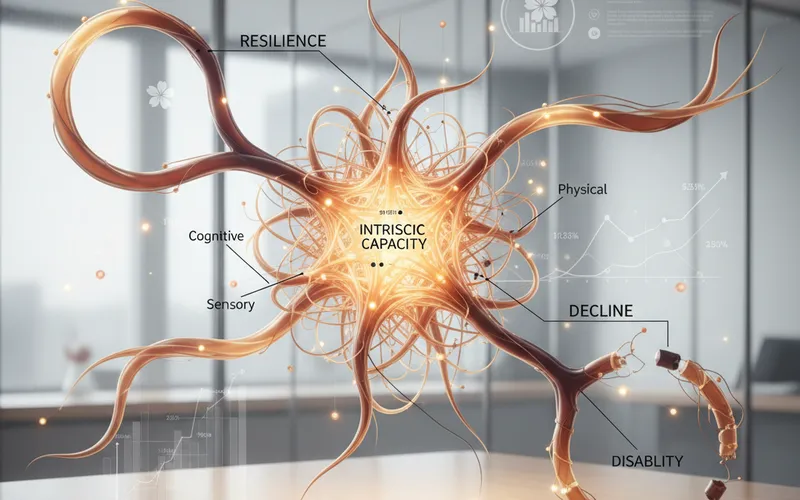
Die Studie – Was wurde untersucht und warum betrifft dich das?
Stell dir vor, du könntest den Verlauf deines Alterns aktiv mitgestalten. Nicht nur, indem du Krankheiten vermeidest, sondern indem du deine inneren Fähigkeiten – deine Kraft, dein Denken, dein Wohlbefinden – so lange wie möglich bewahrst. Genau darum geht es der Weltgesundheitsorganisation (WHO) mit ihrem Konzept der «intrinsischen Kapazität» (IC). Dieses Konzept rückt den Fokus weg von reinen Funktionseinschränkungen hin zur Erhaltung deiner Fähigkeiten im Alter. Doch wie entwickeln sich diese Fähigkeiten tatsächlich über die Zeit, und welchen Einfluss haben sie auf das Risiko, im Alter auf Unterstützung angewiesen zu sein?
Eine spannende japanische Langzeitstudie, durchgeführt von einem Team um S. Zhang und C. Tange vom National Center for Geriatrics and Gerontology, hat genau diese Fragen untersucht. Die Forschenden wollten herausfinden, wie sich die intrinsische Kapazität bei älteren Menschen in Japan über Jahre hinweg verändert und wie diese Veränderungen das Risiko für das Auftreten einer Behinderung beeinflussen.
Für ihre Analyse griffen die Wissenschaftler auf Daten der National Institute for Longevity Sciences-Longitudinal Study of Aging (NILS-LSA) zurück. Sie beobachteten 1056 ältere Erwachsene (zwischen 65 und 89 Jahren), die zu Beginn der Beobachtungsphase noch keine Behinderung hatten. Über einen Zeitraum von bis zu 17.5 Jahren verfolgten sie die Entwicklung ihrer intrinsischen Kapazität in sechs verschiedenen Bereichen: Kognition (Denkfähigkeit), Lokomotion (Beweglichkeit), Vitalität (Energielevel), Sehvermögen, Hörvermögen und psychisches Wohlbefinden. Um die verschiedenen Entwicklungspfade (Trajektorien) zu identifizieren, nutzten sie ein komplexes Modellierungsverfahren. Anschliessend untersuchten sie mit statistischen Modellen, wie diese Trajektorien mit dem Risiko einer neu auftretenden Behinderung zusammenhingen, wobei auch das konkurrierende Risiko des Todes berücksichtigt wurde.
Die Ergebnisse zeigen vier unterschiedliche Entwicklungspfade der intrinsischen Kapazität auf:
- «Erhaltener Pfad» (60.5 % der Teilnehmenden): Diese Gruppe zeigte über die Zeit hinweg eine weitgehend stabile intrinsische Kapazität.
- «Hörverlust-Pfad» (15.9 %): Hier stand der Rückgang des Hörvermögens im Vordergrund.
- «Physio-psychologischer Rückgangs-Pfad» (17.5 %): Diese Gruppe erlebte einen Rückgang sowohl körperlicher als auch psychischer Fähigkeiten.
- «Globaler Rückgangs-Pfad» (6.1 %): Bei dieser kleinsten Gruppe war ein umfassender Rückgang in allen Bereichen der intrinsischen Kapazität zu beobachten.
Im Median über 9.8 Jahre entwickelten 380 Teilnehmende (36.0 %) eine Behinderung. Im Vergleich zur Gruppe mit erhaltener Kapazität hatten die Gruppen mit Hörverlust und physio-psychologischem Rückgang ein signifikant höheres Risiko, eine Behinderung zu entwickeln (Hazard Ratios von 1.53 bzw. 1.66). Bei der Gruppe mit globalem Rückgang war das Risiko im initialen Modell nicht signifikant, wurde aber signifikant (Hazard Ratio 1.56), sobald das Sterberisiko als konkurrierendes Ereignis statistisch berücksichtigt wurde.
Quelle: Zhang S, Tange C, Shimokata H, Nishita Y, Otsuka R, Arai H (2026). Multi-trajectories of intrinsic capacity and their impact on incident disability in community-dwelling older adults in Japan. Arch Gerontol Geriatr, 145:106206. PubMed-ID: 41825309
Diese Ergebnisse geben uns wichtige Hinweise darauf, dass unser Altern kein einheitlicher Prozess ist, sondern dass es unterschiedliche Wege gibt, wie sich unsere Fähigkeiten entwickeln. Aber was bedeuten diese Pfade wirklich, und wie kannst du diese Erkenntnisse für dich nutzen?
Was heisst das wirklich? – Die kritische Einordnung
Die Studie von Zhang und Kollegen liefert faszinierende Einblicke in die Dynamik des Alterns und die Entwicklung der intrinsischen Kapazität. Sie bestätigt, dass die Art und Weise, wie sich unsere Fähigkeiten über die Jahre entwickeln, einen starken Einfluss darauf hat, ob wir im Alter auf Unterstützung angewiesen sein werden. Doch wie immer gilt: Eine Studie ist ein Puzzleteil, nicht das ganze Bild.
Du bist kein Durchschnitt. Die Studie identifiziert vier «Durchschnittspfade». Das heisst aber nicht, dass dein persönlicher Weg exakt einem dieser Pfade folgen muss. Diese Kategorien helfen, Muster zu erkennen, aber dein individuelles Leben ist komplexer. Wenn die Studie zum Beispiel feststellt, dass die Gruppe mit physio-psychologischem Rückgang ein 1.66-fach höheres Risiko für Behinderung hat, ist das ein statistischer Durchschnittswert. Für dich persönlich kann das Risiko höher oder niedriger sein, abhängig von unzähligen Faktoren, die in dieser Studie nicht erfasst wurden. Es ist wichtig, den Unterschied zwischen statistischer Signifikanz und klinischer Bedeutsamkeit zu verstehen: Ein Ergebnis mag statistisch sauber sein, aber die praktische Relevanz für den Einzelnen kann variieren.
Was wurde wirklich gemessen? Die Forschenden haben die intrinsische Kapazität in sechs Domains gemessen, darunter Kognition, Lokomotion und psychisches Wohlbefinden. Diese sind zwar breiter gefasst als reine Krankheitsdiagnosen, aber es sind immer noch Parameter, die objektiv oder durch standardisierte Fragebögen erfasst werden. Eine «Behinderung» wurde über das japanische Langzeitpflegeversicherungssystem bestätigt – ein sogenannter «harter Endpunkt», der eine tatsächliche Notwendigkeit zur Unterstützung widerspiegelt. Das ist ein grosser Vorteil dieser Studie, da sie nicht nur Surrogatparameter (wie Laborwerte) betrachtet, sondern das reale Leben der Menschen.
Methodische Stärken und Grenzen: Die Stärke dieser Studie liegt in ihrem Langzeit- und Längsschnittdesign mit einer grossen Stichprobe und der Verwendung von multivariaten Modellen, die viele Störfaktoren berücksichtigen. Auch die Berücksichtigung des konkurrierenden Risikos der Mortalität ist methodisch sehr sauber und wichtig, da Menschen, die früh sterben, natürlich keine Behinderung entwickeln können. Eine Einschränkung ist jedoch, dass die Studie in Japan durchgeführt wurde. Obwohl viele Aspekte des Alterns universell sind, können kulturelle, soziale und gesundheitliche Systeme einen Einfluss auf die Entwicklung der intrinsischen Kapazität und die Diagnose von Behinderung haben. Die Übertragbarkeit auf andere Populationen ist daher nicht zwingend gegeben.
Für wen gelten die Ergebnisse? Die Studie konzentrierte sich auf ältere, zu Beginn noch nicht behinderte Menschen in Japan. Wenn du jünger bist oder bereits gesundheitliche Einschränkungen hast, sind die direkten Ergebnisse möglicherweise weniger relevant für dich. Dennoch liefern sie wertvolle allgemeine Erkenntnisse über die Dynamik des gesunden Alterns.
Denkwerkzeug: Frage dich: Welcher dieser vier Entwicklungspfade der intrinsischen Kapazität fühlt sich für mich am relevantesten an, wenn ich meine aktuelle Lebenssituation und meine bisherige Entwicklung betrachte? Und welche Bereiche meiner intrinsischen Kapazität (z.B. Hören, psychisches Wohlbefinden) habe ich in den letzten Jahren vielleicht vernachlässigt?
Die Studie zeigt uns klar, dass unsere Fähigkeiten nicht isoliert voneinander altern. Doch was ist mit dem Faktor, der oft übersehen wird – die Verbindung zwischen Körper und Geist?
Der Geist im Körper – Die psychophysiologische Perspektive
Hier kommen wir zum Kern dessen, was wir bei Jürg Hösli betonen: Dein Körper und dein Geist sind keine getrennten Einheiten. Sie sind untrennbar miteinander verbunden und beeinflussen sich gegenseitig auf tiefgreifende Weise. Die japanische Studie liefert dafür einen eindringlichen Beleg, insbesondere im «physio-psychologischen Rückgangs-Pfad».
Dieser Pfad, der einen Rückgang sowohl körperlicher als auch psychischer Fähigkeiten beschreibt, ist mit einem deutlich erhöhten Behinderungsrisiko verbunden. Das ist keine Überraschung aus psychophysiologischer Sicht. Chronischer Stress, Ängste, Depressionen oder einfach ein geringes psychisches Wohlbefinden haben massive Auswirkungen auf den Körper. Sie können Entzündungsprozesse fördern, das Immunsystem schwächen, den Schlaf beeinträchtigen und sogar die kognitive Leistungsfähigkeit mindern. Wer sich mental nicht gut fühlt, neigt dazu, sich weniger zu bewegen, sich schlechter zu ernähren und sich sozial zu isolieren – alles Faktoren, die wiederum die körperliche Vitalität und kognitive Funktion beeinträchtigen.
Es ist gut denkbar, dass das psychische Wohlbefinden nicht nur ein separater Faktor neben Kognition und Lokomotion ist, sondern eine Art Dirigent, der die Entwicklung der anderen Bereiche massgeblich beeinflusst. Ein hohes Mass an Resilienz, Optimismus und die Fähigkeit zur Stressbewältigung können wie ein Schutzschild wirken. Umgekehrt können chronische psychische Belastungen den Alterungsprozess in allen Bereichen beschleunigen.
Betrachte auch den «Hörverlust-Pfad»: Ein schlechtes Hörvermögen wird oft als rein physisches Problem abgetan. Doch die psychologischen Folgen sind immens. Schwerhörigkeit führt oft zu sozialer Isolation, Frustration und kann das Risiko für Depressionen und kognitiven Abbau erhöhen. Wenn du Gesprächen nicht mehr folgen kannst, ziehst du dich zurück. Das schränkt deine sozialen Interaktionen ein, fordert dein Gehirn weniger heraus und kann dein psychisches Wohlbefinden erheblich beeinträchtigen. Hier sehen wir also, wie ein physischer Defekt eine Kaskade psychologischer und kognitiver Probleme auslösen kann, die wiederum das Risiko für eine Behinderung erhöhen.
Was diese Studie nicht erfasst hat, sind die Erwartungen und Überzeugungen der Teilnehmenden über ihr eigenes Altern. Glaubst du, dass du im Alter gebrechlich wirst, oder siehst du dich als aktiv und selbstbestimmt? Deine innere Haltung kann einen erheblichen Einfluss darauf haben, wie du mit altersbedingten Veränderungen umgehst und wie sich deine intrinsische Kapazität tatsächlich entwickelt. Das ist der tiefere psychophysiologische Aspekt, den wir immer im Blick haben sollten: Deine Gedanken und Gefühle sind nicht nur Begleiterscheinungen, sondern aktive Gestalter deiner biologischen Realität.
Der grössere Kontext – Einordnung und Abhängigkeiten
Diese japanische Studie ist ein wichtiger Beitrag zum Verständnis des Alterns, insbesondere weil sie das relativ neue Konzept der intrinsischen Kapazität aufgreift. Sie bestätigt und erweitert frühere Erkenntnisse, die zeigen, dass ein aktiver Lebensstil und die Pflege geistiger und körperlicher Fähigkeiten entscheidend für ein gesundes Altern sind. Sie ist kein Ausreisser, sondern fügt sich gut in die wachsende Forschung ein, die den Fokus weg von reiner Krankheitsprävention hin zur Förderung von Gesundheit und Wohlbefinden im Alter lenkt.
Die Studie wurde vom National Center for Geriatrics and Gerontology in Japan durchgeführt. Dies ist eine staatliche Forschungseinrichtung, was in der Regel für eine hohe wissenschaftliche Integrität spricht. Es sind keine offensichtlichen kommerziellen Interessenkonflikte ersichtlich, was die Glaubwürdigkeit der Ergebnisse stärkt.
Was wurde nicht kontrolliert? Obwohl die Forschenden viele Variablen berücksichtigt haben, gibt es immer Faktoren, die in einer solchen Studie nicht vollständig erfasst werden können. Dazu gehören beispielsweise detaillierte Informationen über Ernährungsgewohnheiten, die Qualität sozialer Beziehungen über die Zeit, die individuelle Resilienz gegenüber Stress oder die Nutzung von präventiven Gesundheitsangeboten. Auch sozioökonomische Faktoren, die über das reine Einkommen hinausgehen (z.B. Bildungsgrad, Zugang zu Gesundheitsversorgung), können eine Rolle spielen. Diese Faktoren sind keine Mängel der Studie, sondern zeigen lediglich die Komplexität des menschlichen Lebens und die Schwierigkeit, alles in einem Modell abzubilden.
Denkwerkzeug: Frage dich: Welche Aspekte meines Lebens – sei es Ernährung, soziale Kontakte oder Stressmanagement – könnten die Entwicklung meiner intrinsischen Kapazität beeinflussen, die in dieser Studie vielleicht nicht explizit thematisiert wurden?
Eine einzelne Studie kann dir nie alle Antworten liefern, aber sie kann dir helfen, die richtigen Fragen zu stellen und die Bedeutung des ganzheitlichen Blicks auf deine Gesundheit zu erkennen.
Was heisst das für dich? – Fazit und Alltagsrelevanz
Diese japanische Studie ist ein wertvoller Reminder: Dein Altern ist keine Einbahnstrasse, die unaufhaltsam in eine einzige Richtung führt. Du hast die Möglichkeit, den Verlauf massgeblich zu beeinflussen, indem du dich um deine «intrinsische Kapazität» kümmerst. Hier sind 2–3 konkrete Erkenntnisse für deinen Alltag:
- Höre genau hin – und handle: Der «Hörverlust-Pfad» zeigt, wie ein scheinbar isoliertes Sinnesproblem weitreichende Folgen haben kann. Wenn du Schwierigkeiten beim Hören bemerkst, ignoriere es nicht! Lass dein Gehör überprüfen und nutze Hörhilfen, falls nötig. Es geht nicht nur darum, besser zu hören, sondern auch darum, deine soziale Teilhabe und deine kognitive Stimulation zu erhalten.
- Pflege deine Psyche aktiv: Der «physio-psychologische Rückgangs-Pfad» unterstreicht die untrennbare Verbindung von körperlichem und seelischem Wohlbefinden. Wenn du dich gestresst, ängstlich oder niedergeschlagen fühlst, nimm das ernst. Praktiziere Stressmanagement, suche soziale Kontakte, finde Freude in Aktivitäten und scheue dich nicht, professionelle Hilfe in Anspruch zu nehmen. Dein psychisches Wohlbefinden ist keine Nebensache, sondern ein zentraler Pfeiler deiner gesamten Gesundheit im Alter.
- Bleibe global aktiv, aber sei nicht perfektionistisch: Die Gruppe mit dem «erhaltenen Pfad» ist die grösste. Das zeigt, dass es vielen Menschen gelingt, ihre Kapazitäten zu bewahren. Das bedeutet nicht, dass du in jedem Bereich perfekt sein musst. Aber ein Bewusstsein für Kognition, Bewegung, Vitalität und deine Sinne kann dir helfen, frühzeitig gegenzusteuern, wenn du einen Rückgang bemerkst.
Was solltest du NICHT daraus schliessen? Diese Studie ist keine Anleitung zur Panik. Wenn du dich in einem der Rückgangspfade wiederfindest, heisst das nicht, dass dein Schicksal besiegelt ist. Sie soll dich vielmehr ermutigen, proaktiv zu werden. Es ist auch keine Aufforderung, dich zu überfordern oder zu glauben, du müsstest perfekt sein. Kleine, aber konsistente Anstrengungen in den Bereichen, die dir wichtig sind, machen einen grossen Unterschied.
Diese Erkenntnisse sind besonders relevant für alle, die ein selbstbestimmtes und aktives Altern anstreben. Sie zeigen, dass Vorsorge und die Pflege der eigenen Fähigkeiten weit über die reine Abwesenheit von Krankheit hinausgehen.
Dein Körper reagiert nicht nur auf das, was du isst oder wie du dich bewegst – sondern auch auf das, was du denkst und fühlst. Das psychophysiologische Interaktionsmodell lehrt uns, dass Gesundheit immer ein Zusammenspiel von Körper und Geist ist. Indem du dich sowohl um deine körperliche Fitness als auch um dein psychisches Wohlbefinden kümmerst, schaffst du die besten Voraussetzungen für ein vitales und selbstbestimmtes Leben im Alter.
Welche Fragen bleiben offen? Wie genau interagieren die verschiedenen Bereiche der intrinsischen Kapazität miteinander? Welche spezifischen Interventionen sind am effektivsten, um einen Rückgang aufzuhalten oder sogar umzukehren? Die Forschung wird uns hier sicher noch viele spannende Antworten liefern. Bleib neugierig und sei dein eigener Experte für dein Wohlbefinden!