Intermittierendes Fasten: Ein Blick auf Stoffwechsel und Darmflora bei Affen
Eine aktuelle Studie an Affen untersucht die dynamischen Effekte von intermittierendem Fasten auf den Stoffwechsel und das Darmmikrobiom. Was bedeuten diese Erkenntnisse für deine Gesundheit und wie integriert sich der psychophysiologische Aspekt in die Diskussion?
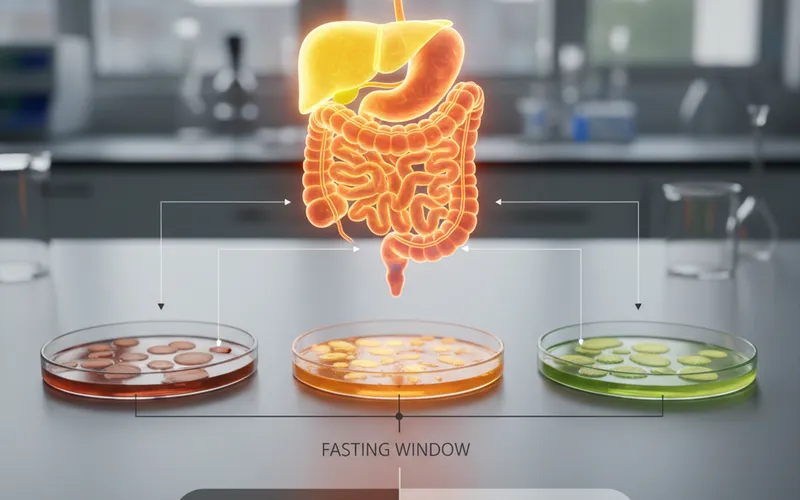
Die Studie – Was wurde untersucht und warum betrifft dich das?
Vielleicht hast du schon einmal darüber nachgedacht, ob intermittierendes Fasten etwas für dich sein könnte, um deine Gesundheit zu verbessern oder dein Gewicht zu managen. Oder du kennst jemanden, der davon schwärmt, wie gut es ihm tut. Intermittierendes Fasten, also der bewusste Verzicht auf Nahrung für bestimmte Zeitperioden, ist in den letzten Jahren zu einem echten Trend geworden. Doch was steckt wirklich dahinter, jenseits von persönlichen Erfahrungen und Anekdoten? Genau dieser Frage widmete sich ein Forschungsteam aus China in einer spannenden Studie, die uns helfen kann, die komplexen Mechanismen besser zu verstehen.
Die Forschenden um Xu L. und Kollegen wollten herausfinden, welche dynamischen Auswirkungen intermittierendes Fasten und die anschliessende Wiederaufnahme der Nahrungszufuhr auf die Stoffwechselgesundheit und die Signaturen des Mikrobioms und Metaboloms haben. Sie wählten dafür ein Tiermodell, das dem Menschen physiologisch sehr nahesteht: Cynomolgus-Affen, auch Javaneraffen genannt. Das ist ein wichtiger Punkt, denn Studien an Nagetieren lassen sich nicht immer direkt auf den Menschen übertragen. Die Wahl von Primaten erhöht die Relevanz der Ergebnisse für uns Menschen erheblich.
Das Studiendesign war darauf ausgelegt, die „dynamischen“ Effekte zu beobachten. Das bedeutet, es wurde nicht nur der Zustand vor und nach dem Fasten verglichen, sondern auch, wie sich der Körper während des Fastens und der Wiederernährung verändert. Dies ist entscheidend, um ein umfassendes Bild der Anpassungsprozesse zu erhalten. Die Forschenden untersuchten dabei eine Vielzahl von Parametern, darunter Metaboliten (Stoffwechselprodukte) im Blut und die Zusammensetzung des Darmmikrobioms, also der Billionen von Mikroorganismen, die unseren Darm besiedeln und eine entscheidende Rolle für unsere Gesundheit spielen.
Die zentralen Ergebnisse zeigten, dass intermittierendes Fasten bei den Affen zu signifikanten Veränderungen im Stoffwechsel führte. Es gab eine verbesserte Insulinsensitivität, was bedeutet, dass die Körperzellen besser auf Insulin reagierten und Glukose effizienter aufnehmen konnten. Dies ist ein wichtiger Marker für die Prävention von Typ-2-Diabetes. Zudem wurden Veränderungen im Fettsäurestoffwechsel beobachtet, was auf eine verbesserte Fettverbrennung hindeuten könnte. Auch das Darmmikrobiom zeigte deutliche Anpassungen, wobei bestimmte Bakterienarten, die mit einer besseren Stoffwechselgesundheit in Verbindung gebracht werden, zunahmen.
Quelle: Xu L, Guo L, Su Q, Shao Q, Lu Y, Nie Y, Yang Y, Sun Q. Dynamic impact of intermittent fasting and refeeding on metabolic health and microbiome-metabolome signatures in cynomolgus monkeys. J Adv Res. 2026 Mar 9:S2090-1232(26)00223-7. PubMed-ID: 41812701
Was heisst das wirklich? – Die kritische Einordnung
Diese Studie liefert spannende Einblicke in die komplexen Mechanismen des intermittierenden Fastens. Doch bevor du jetzt deinen Ernährungsplan über den Haufen wirfst, lass uns die Ergebnisse gemeinsam einordnen. Eine Studie an Affen ist ein wichtiger Schritt, aber eben kein direkter Beweis für den Menschen. Die physiologischen Ähnlichkeiten sind gross, aber nicht identisch. Wir müssen immer im Hinterkopf behalten, dass Tiermodelle uns Hinweise geben, aber die Bestätigung am Menschen noch aussteht.
Die Messung von Metaboliten und die Analyse des Mikrobioms sind hervorragende Ansätze, um die tieferliegenden Prozesse zu verstehen. Es handelt sich um sogenannte Surrogatparameter. Eine verbesserte Insulinsensitivität oder Veränderungen im Darmmikrobiom sind vielversprechende Hinweise auf eine bessere Stoffwechselgesundheit. Sie sind aber noch keine harten klinischen Endpunkte, wie eine reduzierte Krankheitsrate oder eine längere Lebensspanne. Es ist ein Unterschied, ob sich Laborwerte verbessern oder ob du dich im Alltag tatsächlich besser fühlst und gesünder lebst.
Ein wichtiger methodischer Aspekt ist die dynamische Beobachtung. Das ist ein grosser Pluspunkt dieser Studie, da sie nicht nur statische Zustände vergleicht, sondern die Anpassungsprozesse während des Fastens und der Wiederernährung aufzeigt. Das hilft uns, die zeitliche Abfolge der Veränderungen zu verstehen. Die Stichprobengrösse von Affen ist für Tierstudien oft ausreichend, aber im Vergleich zu Humanstudien natürlich klein. Das ist normal und akzeptabel in diesem Forschungsfeld.
Denkwerkzeug: Wenn du von Studienergebnissen hörst, die an Tiermodellen gewonnen wurden – egal ob an Mäusen oder Affen – frage dich immer: „Wie gut lassen sich diese Ergebnisse auf meinen menschlichen Körper und meinen individuellen Lebensstil übertragen? Welche physiologischen Unterschiede könnten hier eine Rolle spielen?“
Der Geist im Körper – Die psychophysiologische Perspektive
Hier kommen wir zu einem Punkt, der in vielen Studien oft unterbelichtet bleibt, aber für dich von entscheidender Bedeutung ist: die psychophysische Interaktion. Ja, die Affen in dieser Studie zeigten messbare metabolische Verbesserungen. Aber bei uns Menschen spielt die Psyche eine ungleich grössere Rolle, die das Ergebnis solcher Interventionen massgeblich beeinflusst.
Denk an den Placebo-Effekt: Allein die Überzeugung, dass intermittierendes Fasten dir guttut, kann physiologische Veränderungen anstossen. Wenn du voller Motivation und positiver Erwartung in ein Fastenfenster gehst, reagiert dein Körper anders, als wenn du es mit Widerwillen und dem Gefühl des Verzichts tust. Stress, der durch das Fasten selbst entstehen kann (Angst, Hunger nicht auszuhalten, soziale Isolation beim Essen), beeinflusst die Hormonlage – Stichwort Cortisol. Chronischer Stress ist ein bekannter Stoffwechselräuber, der die Insulinsensitivität mindern und Entzündungsprozesse fördern kann. Das heisst, selbst wenn das Fasten an sich physiologisch vorteilhaft wäre, könnten negative psychische Faktoren diese Vorteile abschwächen oder sogar aufheben.
Auch die Motivation und die Selbstwirksamkeit spielen eine Rolle. Wer glaubt, dass er die Kontrolle über seine Ernährung hat und das Fasten erfolgreich durchführen kann, wird es mit einer anderen Einstellung angehen. Diese mentale Stärke kann sich direkt auf die physiologischen Reaktionen auswirken. Die Affen in der Studie hatten keine Wahl; sie wurden gefastet. Du hingegen entscheidest dich bewusst dafür, und diese bewusste Entscheidung ist ein mächtiger psychophysiologischer Faktor. Es ist gut denkbar, dass ein Teil der positiven Effekte, die Menschen beim intermittierenden Fasten erleben, nicht nur auf die reine Kalorienrestriktion zurückzuführen ist, sondern auch auf die gestärkte Selbstwahrnehmung, die verbesserte Körperkontrolle und das Gefühl, aktiv etwas für die eigene Gesundheit zu tun.
Ein weiterer Aspekt ist der Hawthorne-Effekt: Wenn du weisst, dass du an einer Intervention teilnimmst (oder dich selbst beobachtest, indem du fastest), veränderst du möglicherweise dein Verhalten in anderen Bereichen. Vielleicht achtest du bewusster auf die Qualität der Lebensmittel, die du in den Essensfenstern zu dir nimmst, oder du bewegst dich mehr. Solche unbewussten Verhaltensänderungen können die Studienergebnisse – und deine persönlichen Erfahrungen – ebenfalls beeinflussen und sind in einer kontrollierten Tiermodellstudie natürlich nicht vorhanden.
Der grössere Kontext – Einordnung und Abhängigkeiten
Diese Studie ist ein weiteres Puzzleteil in der wachsenden Forschung zum intermittierenden Fasten. Sie bestätigt tendenziell frühere Erkenntnisse aus anderen Tiermodellen und ersten Humanstudien, die positive Effekte auf den Stoffwechsel und das Mikrobiom nahelegen. Sie ist kein Game Changer, aber eine solide Bestätigung der Richtung, in die die Forschung geht.
Die Finanzierung und die Autoreninstitutionen sprechen für eine unabhängige Wissenschaft, ohne offensichtliche Interessenkonflikte aus der Nahrungsmittelindustrie oder der Supplementbranche. Das ist ein gutes Zeichen für die Glaubwürdigkeit der Ergebnisse.
Was in dieser Studie natürlich nicht kontrolliert werden konnte, sind die unzähligen anderen Lebensstilfaktoren, die deinen Stoffwechsel beeinflussen. Schlafqualität, chronischer Stress, Bewegungspensum, Art der Ernährung in den Essensfenstern, Medikamenteneinnahme, genetische Prädispositionen – all das sind Variablen, die bei dir eine Rolle spielen und die Ergebnisse einer Fastenintervention massgeblich mitbestimmen. Eine Studie kann nicht alles abbilden, und das ist auch in Ordnung. Aber es ist wichtig, dass du als Leser diese Grenzen kennst.
Denkwerkzeug: Bevor du eine neue Ernährungsstrategie wie intermittierendes Fasten ausprobierst, frage dich: „Welche anderen Aspekte meines Lebensstils (Schlaf, Stress, Bewegung, Ernährung in den Essensfenstern) werden durch diese Massnahme beeinflusst, und wie könnte das die Wirkung verstärken oder abschwächen?“
Was heisst das für dich? – Fazit und Alltagsrelevanz
Was kannst du nun aus dieser faszinierenden Studie mitnehmen? Erstens: Intermittierendes Fasten ist keine Modeerscheinung ohne wissenschaftliche Grundlage. Die Studie an Affen untermauert die Hypothese, dass es positive Effekte auf deinen Stoffwechsel und dein Darmmikrobiom haben kann. Die verbesserte Insulinsensitivität und die positiven Veränderungen im Mikrobiom sind vielversprechende Zeichen für eine bessere Stoffwechselgesundheit.
Zweitens: Überinterpretiere die Ergebnisse nicht. Es ist eine Tierstudie, und die Übertragung auf den Menschen ist nie eins zu eins. Dein individueller Körper, deine Genetik, dein Stresslevel und deine sonstigen Lebensgewohnheiten spielen eine viel grössere Rolle, als eine einzelne Studie abbilden kann. Du solltest daraus nicht schliessen, dass intermittierendes Fasten die einzige oder beste Lösung für dich ist. Es ist eine Option von vielen, die du für dich persönlich evaluieren kannst.
Drittens: Der psychophysiologische Aspekt ist entscheidend. Deine Einstellung zum Fasten, dein Stresslevel und deine Erwartungen beeinflussen, wie dein Körper darauf reagiert. Ein erzwungenes Fasten mit Stress und Widerwillen wird wahrscheinlich weniger positive Effekte haben als ein Fasten, das du bewusst, mit Freude und in Einklang mit deinem Körpergefühl praktizierst. Dein Körper reagiert nicht nur auf das, was du isst (oder eben nicht isst), sondern auch auf das, was du denkst und fühlst. Das ist die Essenz des psychophysiologischen Interaktionsmodells.
Für wen ist das besonders relevant? Für Menschen, die bereits mit ihrer Stoffwechselgesundheit kämpfen, etwa mit Prädiabetes oder Insulinresistenz, könnte intermittierendes Fasten eine unterstützende Strategie sein. Es ist auch für diejenigen interessant, die nach einer Möglichkeit suchen, ihr Körpergewicht zu regulieren und dabei ihre Darmgesundheit zu fördern. Für Menschen, die unter starkem Stress stehen oder eine Vorgeschichte mit Essstörungen haben, sollte man hingegen sehr vorsichtig sein und solche Interventionen nur unter professioneller Begleitung in Betracht ziehen.
Die Forschung zum intermittierenden Fasten ist noch lange nicht abgeschlossen. Viele Fragen bleiben offen: Welche Fastenprotokolle sind optimal? Wie wirken sich Langzeit-Effekte aus? Und vor allem: Wie können wir die individuellen Reaktionen auf Fasten besser vorhersagen und personalisierte Empfehlungen geben? Diese Studie ist ein wertvoller Beitrag und unterstreicht einmal mehr, dass dein Körper ein komplexes System ist, das auf viel mehr als nur Kalorienzufuhr reagiert. Bleib neugierig, höre auf deinen Körper und finde heraus, was für dich am besten funktioniert.