Insulinresistenz und Blutplättchen: Wie deine Ernährung deine Gefässe schützt
Wusstest du, dass Insulinresistenz nicht nur den Blutzucker beeinflusst, sondern auch deine Blutplättchen hyperaktiv machen kann? Eine aktuelle Übersichtsarbeit zeigt, wie Ernährung zum Schutz deiner Gefässe beitragen kann. Erfahre, wie du mit gezielten Lebensmitteln dein Herz-Kreislauf-System stärkst und thrombosebedingten Risiken vorbeugst.
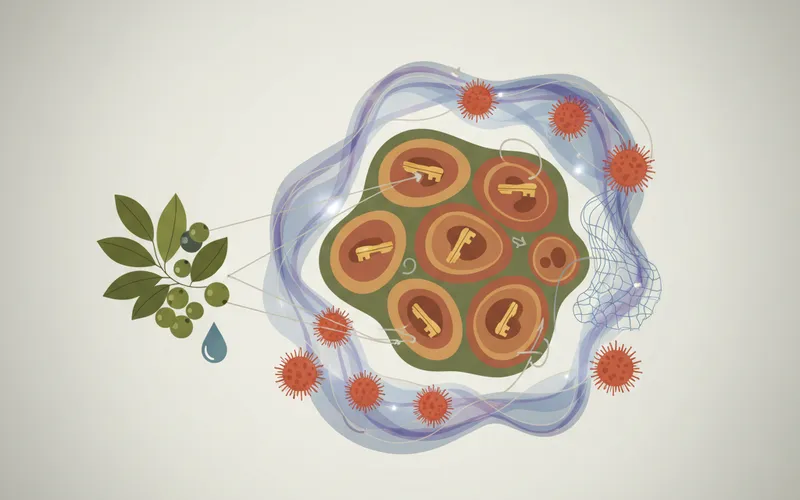
Die Studie – Was wurde untersucht und warum betrifft dich das?
Stell dir vor, dein Körper wäre ein komplexes Uhrwerk, bei dem jedes Rädchen perfekt in das andere greift. Wenn ein kleines Rädchen – in diesem Fall das Insulin – nicht mehr optimal funktioniert, kann das weitreichende Folgen haben. Eine neue Übersichtsarbeit, publiziert im renommierten Fachjournal Nutrients, beleuchtet genau so eine weitreichende Verbindung: wie Insulinresistenz nicht nur den Blutzucker beeinflusst, sondern auch die Aktivität deiner Blutplättchen – und damit dein Risiko für Herz-Kreislauf-Erkrankungen. Die Forschenden aus dem Iran, Polen und Italien haben akribisch zusammengetragen, wie Insulinresistenz ein Umfeld schafft, das Thrombosen begünstigt, indem sie Blutplättchen übermässig aktiv macht.
Diese Arbeit ist eine Synthese mechanistischer Erkenntnisse. Das bedeutet, das Team um Mohammadian, Basirian, Fakhar, Keramat und Stanek hat nicht selbst experimentiert, sondern die Ergebnisse vieler anderer Studien ausgewertet und zusammengeführt, um ein umfassendes Bild zu zeichnen. Sie haben untersucht, wie Insulinresistenz die Blutplättchen dazu bringt, sich schneller zu aktivieren, empfindlicher auf Signale zu reagieren, die zur Verklumpung führen, und weniger auf hemmende Signale anzusprechen. Kurz gesagt: Deine Blutplättchen werden zu überaktiven Wächtern, die bei jeder Kleinigkeit Alarm schlagen und sich unnötig zusammenrotten.
Die Studie erklärt die molekularen Mechanismen dahinter: Wie reaktive Sauerstoffspezies (ROS), sogenannte «Advanced Glycation End-products» (AGEs), ein gestörter Kalziumhaushalt und beeinträchtigte Stickoxid-/Prostazyklin-Pfade die übermässige Aktivierung der Blutplättchen fördern. Klinisch führt dies zu einem erhöhten Risiko für arterielle Thrombosen, koronare Herzkrankheiten, Schlaganfälle und mikrovaskuläre Schäden wie Nieren- und Netzhauterkrankungen. Aber die gute Nachricht ist: Die Studie zeigt auch auf, dass gezielte Ernährungsinterventionen als wirksame Modulatoren der Blutplättchenfunktion und der Gefässgesundheit wirken können. Diäten wie die mediterrane Kost, DASH, solche mit niedrigem glykämischen Index und pflanzliche Ernährungsweisen, zusammen mit bioaktiven Verbindungen wie Omega-3-Fettsäuren, Polyphenolen, den Vitaminen D, E, C sowie Mineralien wie Magnesium und Zink, können die Blutplättchenaggregation, oxidativen Stress und systemische Entzündungen reduzieren und die Endothelfunktion wiederherstellen. Klinische und epidemiologische Daten untermauern dies, indem sie Verbesserungen der flussvermittelten Dilatation (ein Mass für die Gefässgesundheit), der arteriellen Elastizität und eine Stabilisierung atherosklerotischer Plaques nach Ernährungsumstellungen aufzeigen. Die Integration von ganzheitlichen Ernährungsstrategien mit gezielten Nährstoffen bietet synergistische Vorteile. Personalisierte Ernährungsansätze können so die durch Insulinresistenz verursachte Plättchenhyperaktivität mindern und das vaskuläre Risiko senken. Diese Ergebnisse unterstreichen, dass Ernährung eine praktische, evidenzbasierte Ergänzung zur medikamentösen Therapie für den Herz-Kreislauf-Schutz bei insulinresistenten Personen darstellt.
Quelle: Mohammadian K, Basirian N, Fakhar F, Keramat S, Stanek A (2026). Insulin Resistance and Platelet Hyperactivity: Hematological Insights and Nutritional Strategies for Vascular Protection. Nutrients, 18(5):763. PubMed-ID: 41829931
Diese Erkenntnisse sind für dich relevant, weil Insulinresistenz weit verbreitet ist und oft unbemerkt bleibt, bis sich bereits Komplikationen zeigen. Zu verstehen, wie dein Lebensstil hier präventiv wirken kann, ist ein mächtiges Werkzeug für deine Gesundheit.
Was heisst das wirklich? – Die kritische Einordnung
Diese Übersichtsarbeit liefert eine beeindruckende Zusammenstellung von Wissen und untermauert, wie zentral die Insulinresistenz für die Gesundheit unserer Gefässe ist. Der Fokus auf die Blutplättchen ist dabei besonders spannend, da diese oft als blosse «Bausteine» für die Blutgerinnung angesehen werden, ihre Rolle bei chronischen Entzündungsprozessen und der Entstehung von Gefässerkrankungen aber immer deutlicher wird.
Du bist kein Durchschnitt: Die Studie fasst Ergebnisse aus einer Vielzahl von Untersuchungen zusammen. Das ist eine Stärke, weil es ein breites Bild vermittelt, aber auch eine Grenze. Wenn von «Verbesserungen» die Rede ist, handelt es sich um statistische Durchschnittswerte. Das heisst nicht, dass jede einzelne Person, die eine mediterrane Diät beginnt, automatisch das gleiche Ausmass an Verbesserung erfahren wird. Dein Körper ist einzigartig, und deine Reaktion auf Ernährungsinterventionen kann variieren.
Was wurde wirklich gemessen? Hier handelt es sich um eine Literaturübersicht, die auf vielen verschiedenen Studien basiert. Diese Studien haben sowohl harte Endpunkte (wie die Reduktion von Herzinfarkten) als auch Surrogatparameter (wie verbesserte flussvermittelte Dilatation oder reduzierte Plättchenaggregation) gemessen. Die Stärke der Übersicht liegt darin, diese verschiedenen Ebenen der Evidenz zusammenzuführen. Die Autoren zeigen auf, dass die positiven Effekte der Ernährung nicht nur Laborwerte verbessern, sondern auch klinisch relevante Auswirkungen haben.
Methodische Stärken und Grenzen: Die grosse Stärke dieser Arbeit ist ihre umfassende Natur. Sie integriert mechanistische Details auf molekularer Ebene mit klinischen und epidemiologischen Beobachtungen. Das gibt uns ein tiefes Verständnis dafür, warum bestimmte Ernährungsweisen wirken. Eine Grenze von Übersichtsartikeln ist jedoch, dass sie die Qualität der einzelnen eingeschlossenen Studien widerspiegeln. Schwächen in den Primärstudien – sei es bei der Stichprobengrösse, dem Design oder der Dauer – können sich auch im Gesamtbild niederschlagen. Die Autoren betonen die Notwendigkeit personalisierter Ansätze, was zeigt, dass es keine „Einheitslösung“ gibt.
Für wen gelten die Ergebnisse? Die Ergebnisse sind besonders relevant für Menschen mit Insulinresistenz, Prädiabetes oder Typ-2-Diabetes, da diese Gruppen ein erhöhtes Risiko für Herz-Kreislauf-Erkrankungen haben. Aber auch für jeden, der seine Gefässgesundheit präventiv schützen möchte, sind die Erkenntnisse wertvoll, da Insulinresistenz oft lange unentdeckt bleibt.
Denkwerkzeug: Stell dir die Frage: Betrifft mich das Thema Insulinresistenz? Habe ich Symptome wie Heisshunger, Müdigkeit nach dem Essen oder Schwierigkeiten beim Abnehmen, die darauf hindeuten könnten? Ein offenes Gespräch mit deinem Arzt oder deiner Ärztin kann hier Klarheit schaffen.
Aber selbst wenn deine Insulinwerte perfekt sind, gibt es einen Faktor, der in solchen Studien oft nur am Rande erwähnt wird, dessen Einfluss aber enorm ist: deine Psyche.
Der Geist im Körper – Die psychophysiologische Perspektive
Hier kommen wir zum Kern dessen, was wir bei Jürg Hösli immer wieder betonen: Dein Körper ist keine Maschine, die isoliert von deinen Gedanken und Gefühlen funktioniert. Gerade bei Themen wie Insulinresistenz und Herz-Kreislauf-Erkrankungen spielt die psychophysiologische Interaktion eine entscheidende Rolle, die in vielen medizinischen Studien systematisch unterschätzt wird.
Stress und Insulinresistenz: Chronischer Stress – sei es beruflich, privat oder durch ständige Sorgen – führt zu einer anhaltenden Aktivierung des sympathischen Nervensystems und der Hypothalamus-Hypophysen-Nebennieren-Achse (HPA-Achse). Das bedeutet eine erhöhte Ausschüttung von Stresshormonen wie Cortisol. Cortisol wiederum erhöht den Blutzuckerspiegel, um dem Körper schnell Energie für eine vermeintliche „Kampf-oder-Flucht“-Situation bereitzustellen. Geschieht dies chronisch, kann es die Insulinresistenz massiv fördern oder verschlimmern. Dein Körper wird weniger empfindlich gegenüber Insulin, selbst wenn du dich vermeintlich gesund ernährst. Die Blutplättchen, die in der Studie als hyperaktiv beschrieben werden, reagieren auch auf Stresshormone. Eine stressbedingte Erhöhung von Adrenalin und Noradrenalin kann die Gerinnungsneigung des Blutes erhöhen – evolutionär sinnvoll bei Verletzungen, aber chronisch schädlich.
Erwartungen und Placebo-/Nocebo-Effekte: Wenn du dich bewusst für eine gesunde Ernährungsweise entscheidest, wie die mediterrane Diät, spielst du nicht nur mit den bioaktiven Substanzen. Du aktivierst auch einen mächtigen Placebo-Effekt. Die Überzeugung, etwas Gutes für dich zu tun, die Hoffnung auf Besserung und das Gefühl von Selbstwirksamkeit können physiologische Veränderungen bewirken. Dein Körper schüttet andere Neurotransmitter aus, deine Entzündungswerte können sich verbessern, und sogar die Funktion deiner Blutplättchen kann sich positiv beeinflussen lassen – einfach, weil du daran glaubst und dich besser fühlst. Umgekehrt kann der Nocebo-Effekt wirken: Wenn du ständig Angst vor Herzinfarkt oder Schlaganfall hast, kann diese Angst allein physiologische Stressreaktionen auslösen, die das Risiko eher erhöhen als senken. Die im Abstract erwähnten bioaktiven Verbindungen – Omega-3, Polyphenole, Vitamine – wirken nicht nur auf chemischer Ebene, sondern auch im Kontext deiner Erwartungen und deines Wohlbefindens.
Emotionale Regulation und Essverhalten: Viele Menschen essen nicht nur aus Hunger, sondern auch aus emotionalen Gründen: Stressessen, Frustessen, Langeweile. Wenn du lernst, deine Emotionen besser zu regulieren und gesündere Bewältigungsstrategien zu entwickeln, kann das einen enormen Einfluss auf deine Ernährungsgewohnheiten und damit indirekt auf deine Insulinresistenz und Gefässgesundheit haben. Die beste Diät nützt nichts, wenn sie psychisch nicht integriert werden kann.
Es ist gut denkbar, dass die positiven Effekte der erwähnten Ernährungsweisen in den Studien auch teilweise durch diese psychophysiologischen Mechanismen verstärkt wurden. Ein Mensch, der sich bewusst für eine gesunde Ernährung entscheidet, ist oft auch motivierter, achtsamer mit sich umzugehen, und erlebt möglicherweise weniger chronischen Stress oder geht besser damit um. Dies wird in den reinen physiologischen Messungen der Studien nicht explizit erfasst, ist aber ein integraler Bestandteil des Gesamterfolgs.
Der grössere Kontext – Einordnung und Abhängigkeiten
Diese Übersichtsarbeit ist ein wichtiges Puzzleteil in der immer komplexer werdenden Landschaft der Herz-Kreislauf-Forschung. Sie bestätigt und vertieft unser Verständnis dafür, dass Insulinresistenz weit mehr ist als ein Blutzuckerproblem – sie ist ein systemisches Problem mit weitreichenden Folgen für die Gefässgesundheit.
Wer steht dahinter? Die Autorenschaft ist international und umfasst Forschende aus verschiedenen Disziplinen, darunter Hämatologie, Labormedizin und Innere Medizin/Angiologie. Die Beteiligung der VAS-European Independent Foundation in Angiology/Vascular Medicine und einer Patientenvereinigung für Buerger's Disease deutet auf ein breites Interesse an klinischer Relevanz und Patientennähe hin. Die Studie wurde im Journal Nutrients veröffentlicht, einem Open-Access-Journal, das oft von der Industrie finanziert wird, was in diesem Fall aber nicht direkt aus dem Abstract hervorgeht. Es ist wichtig, immer zu prüfen, ob Interessenkonflikte angegeben sind, um die Unabhängigkeit der Forschung zu beurteilen. In diesem Fall sind die Autorenangaben jedoch primär akademisch und klinisch, was für eine unabhängige wissenschaftliche Aufarbeitung spricht.
Wo steht diese Studie in der Forschungslandschaft? Diese Übersichtsarbeit bestätigt im Grossen und Ganzen bestehende Erkenntnisse, vertieft sie aber, indem sie detailliert die molekularen Mechanismen zwischen Insulinresistenz und Blutplättchenhyperaktivität aufzeigt. Sie ist kein revolutionärer Ausreisser, sondern eine solide Zusammenfassung des aktuellen Wissensstands, die die Bedeutung von Ernährung als präventive und therapeutische Strategie noch einmal unterstreicht. Sie fügt sich nahtlos in die wachsende Evidenz ein, die einen ganzheitlichen Ansatz bei der Behandlung von chronischen Krankheiten fordert.
Was wurde nicht kontrolliert? Wie bei jeder wissenschaftlichen Arbeit gibt es Faktoren, die in den zugrunde liegenden Studien oft nicht vollständig kontrolliert werden können. Dazu gehören: das individuelle Stresslevel der Probanden, ihre Schlafqualität, ihr sozioökonomischer Status, ihre psychische Verfassung und ihre genaue Adhärenz zu den Ernährungsinterventionen. Während die Studien die Diäten vorgeben, ist die Umsetzung im Alltag der Probanden immer eine Herausforderung. Diese Faktoren können die Ergebnisse beeinflussen und sind Teil des «Rauschens» in den Daten, die durch die psychophysiologische Linse besser verstanden werden können.
Denkwerkzeug: Überlege dir: Vertraue ich dieser einen Studie so sehr, dass ich mein gesamtes Gesundheitsverhalten umstellen würde? Oder nehme ich sie als einen von vielen Hinweisen, die mich ermutigen, bestehende Empfehlungen zu einem gesunden Lebensstil noch ernster zu nehmen?
Was heisst das für dich? – Fazit und Alltagsrelevanz
Diese umfassende Übersichtsarbeit sendet eine klare Botschaft: Deine Ernährung ist ein mächtiges Werkzeug im Kampf gegen die negativen Auswirkungen der Insulinresistenz auf deine Gefässe. Es ist nicht nur eine Frage des Blutzuckerspiegels, sondern eine tiefgreifende Beeinflussung deines gesamten Herz-Kreislauf-Systems.
- Was du mitnehmen kannst:
- Priorisiere eine vollwertige Ernährung: Die Studie hebt hervor, dass Diäten wie die mediterrane Kost, DASH oder pflanzliche Ansätze von Vorteil sind. Das bedeutet weniger verarbeitete Lebensmittel, mehr Gemüse, Obst, Vollkornprodukte, gesunde Fette (Olivenöl, Nüsse, Samen) und magere Proteine. Dies hilft nicht nur, deine Insulinempfindlichkeit zu verbessern, sondern liefert auch die genannten bioaktiven Substanzen, die deine Blutplättchenfunktion positiv beeinflussen.
- Achte auf spezifische Nährstoffe: Omega-3-Fettsäuren (aus Fisch oder Algenöl), Polyphenole (in Beeren, dunkler Schokolade, grünem Tee), Vitamine D, E, C und Mineralien wie Magnesium und Zink sind keine Wundermittel, aber wichtige Bausteine. Integriere Lebensmittel, die reich an diesen Stoffen sind, in deinen Alltag.
- Verstehe die Verbindung zwischen Geist und Körper: Erinnere dich daran, dass Stress, Ängste und negative Überzeugungen deine Physiologie direkt beeinflussen können. Eine gesunde Ernährung ist am effektivsten, wenn sie von einem achtsamen Umgang mit dir selbst begleitet wird. Stressmanagement, ausreichend Schlaf und eine positive Lebenseinstellung sind keine netten Extras, sondern fundamentale Säulen deiner Gefässgesundheit.
- Was du NICHT daraus schliessen solltest:
- Kein Ersatz für medizinische Behandlung: Wenn bei dir bereits Insulinresistenz oder Diabetes diagnostiziert wurde, sind Ernährungsänderungen eine wichtige Ergänzung, aber kein Ersatz für die ärztliche Behandlung oder verschriebene Medikamente. Sprich immer mit deinem Arzt oder deiner Ärztin, bevor du grössere Änderungen vornimmst.
- Keine Patentlösung: Die Studie spricht von «personalisierten Ernährungsansätzen». Das bedeutet, was für den einen funktioniert, ist für den anderen möglicherweise nicht optimal. Höre auf deinen Körper, beobachte, wie du auf bestimmte Lebensmittel reagierst, und sei geduldig.
- Für wen ist das besonders relevant? Diese Erkenntnisse sind besonders wichtig für Menschen mit einem erhöhten Risiko für Herz-Kreislauf-Erkrankungen, dazu gehören Personen mit Übergewicht, Prädiabetes, Typ-2-Diabetes, Bluthochdruck oder einer familiären Vorbelastung. Aber im Grunde profitieren alle davon, die ihre langfristige Gefässgesundheit aktiv unterstützen möchten.
Die Brücke zum ganzheitlichen Ansatz von Jürg Hösli ist hier offensichtlich: Dein Körper reagiert nicht nur auf das, was du isst, sondern auch auf das, was du denkst und fühlst. Die Fähigkeit deiner Blutplättchen, richtig zu reagieren, und die Empfindlichkeit deiner Zellen gegenüber Insulin sind eng mit deinem emotionalen und mentalen Zustand verknüpft. Es ist ein Zusammenspiel, das du aktiv gestalten kannst.
Welche Fragen bleiben offen? Wie können wir diese personalisierten Ernährungsansätze noch präziser gestalten? Und wie können wir die psychophysiologischen Aspekte noch besser in die Therapie und Prävention integrieren? Die Forschung geht weiter, aber die Botschaft ist klar: Du hast mehr Einfluss auf deine Gefässgesundheit, als du vielleicht denkst.
Nimm diese Erkenntnisse als Inspiration, achtsamer mit deinem Körper umzugehen und die Kraft deiner Ernährung und deines Geistes zu nutzen. Deine Gefässe werden es dir danken.