Hämangiosarkom beim Hund: Biomarker für Diagnose und Therapie
Eine systematische Übersichtsarbeit beleuchtet neue Biomarker für das aggressive Hämangiosarkom bei Hunden und zeigt auf, wie diese die Diagnostik und Therapie verbessern könnten. Erfahre, was diese Forschung für die Gesundheit deines Vierbeiners bedeutet.
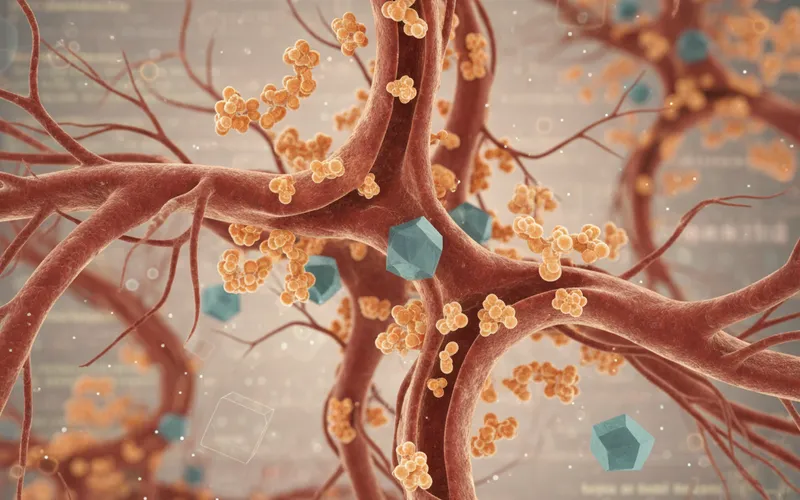
Die Studie – Was wurde untersucht und warum betrifft dich das?
Stell dir vor, dein geliebter Hund ist plötzlich schlapp, frisst nicht richtig, oder du bemerkst unerklärliche Schwellungen. Im schlimmsten Fall könnte dahinter eine aggressive Krebsart stecken, das sogenannte Hämangiosarkom. Diese bösartige Form des Blutgefässkrebses wächst schnell, streut früh im Körper und spricht oft schlecht auf herkömmliche Therapien an. Für betroffene Hunde bedeutet das meist eine kurze Überlebenszeit, was für uns Menschen, die wir unsere Vierbeiner als Familienmitglieder sehen, besonders schmerzhaft ist.
Genau an diesem Punkt setzt eine aktuelle und umfassende systematische Übersichtsarbeit an, die im renommierten Journal «Veterinary and Comparative Oncology» veröffentlicht wurde. Ein internationales Forschungsteam unter der Leitung von S. Vercammen, H.T.T. Luong und weiteren Kollegen der Universitäten Gent, Luxemburg und Nova Gorica hat sich der Frage gewidmet, welche Biomarker – also messbare Indikatoren im Körper – uns helfen könnten, das Hämangiosarkom bei Hunden besser zu diagnostizieren, den Krankheitsverlauf vorherzusagen und gezieltere Therapien zu entwickeln. Die Forschenden wollten herausfinden, was die bisherige Wissenschaft dazu an Erkenntnissen gesammelt hat.
Für diese Übersicht wurde eine systematische Recherche in den grossen wissenschaftlichen Datenbanken PubMed und Embase durchgeführt. Die Suche umfasste Studien, die zwischen 1996 und 2024 veröffentlicht wurden. Von Hunderten potenziellen Artikeln wurden 51 Studien identifiziert, die die strengen Qualitätskriterien erfüllten und in die Analyse einflossen. Die methodische Qualität dieser Studien wurde mithilfe der Newcastle-Ottawa Scale bewertet, einem Werkzeug, das die Zuverlässigkeit von nicht-randomisierten Studien einschätzt. Die Autoren konzentrierten sich dabei explizit auf das Hämangiosarkom beim Hund und zogen Parallelen zur Forschung am menschlichen Angiosarkom, um neue Wege für die vergleichende Onkologie aufzuzeigen. Im Kern ging es darum, vielversprechende Protein-, molekulare und hämatologische Biomarker-Kandidaten zu identifizieren, ihre klinische Relevanz zu bewerten und Lücken im aktuellen Wissen aufzudecken.
Quelle: Vercammen S, Luong HTT, De Cock H, De Spiegelaere W, Cosma A, de Marco A, de Rooster H (2026). Hemangiosarcoma: A Systematic Review of Biomarkers in Diagnosis, Prognosis, and Therapeutic Strategies. Veterinary and comparative oncology. PubMed-ID: 41793295
Was heisst das wirklich? – Die kritische Einordnung
Diese systematische Übersichtsarbeit ist ein wichtiges Puzzleteil in der veterinärmedizinischen Forschung, besonders wenn es um eine so aggressive Krankheit wie das Hämangiosarkom geht. Die Stärke liegt in der umfassenden und systematischen Vorgehensweise: Die Forschenden haben eine grosse Menge an Literatur durchforstet, nach klaren Kriterien bewertet und die Ergebnisse zusammengetragen. Damit bieten sie einen wertvollen Überblick über den aktuellen Stand der Wissenschaft zu Biomarkern bei dieser spezifischen Krebsart.
Doch auch hier gilt: Eine systematische Übersicht ist immer nur so gut wie die Studien, die darin enthalten sind. Die Autoren heben selbst hervor, dass es noch erhebliche Lücken im Wissen gibt. Wenn wir über Biomarker sprechen, müssen wir uns immer fragen: Was genau messen wir hier? Sind es Marker, die direkt die Tumormasse oder die Aggressivität widerspiegeln, oder sind es eher indirekte Anzeichen einer Entzündungsreaktion oder Zellschädigung, die auch bei anderen Erkrankungen auftreten können?
Für dich als Tierhalter ist es wichtig zu verstehen, dass die Identifizierung eines vielversprechenden Biomarkers in der Forschung nicht gleichbedeutend damit ist, dass dieser morgen in jeder Tierarztpraxis verfügbar ist und eine definitive Diagnose liefert. Der Weg von der Entdeckung eines Biomarkers bis zu seiner validierten klinischen Anwendung ist lang und erfordert weitere, oft kostspielige Studien. Zudem ist entscheidend, ob ein Biomarker wirklich einen Unterschied für das Überleben oder die Lebensqualität deines Hundes macht – also klinisch bedeutsam ist – oder ob er lediglich statistisch signifikant ist, ohne grosse praktische Relevanz.
Ein Denkwerkzeug für dich: Stell dir vor, du hörst von einem neuen Bluttest für eine Krankheit. Deine erste Frage sollte sein: «Was genau sagt mir dieser Test, das ich nicht schon durch eine körperliche Untersuchung oder andere, einfachere Methoden erfahren könnte, und wie sicher ist das Ergebnis?»
Der Geist im Körper – Die psychophysiologische Perspektive
Auch wenn diese Studie sich primär mit molekularen und zellulären Biomarkern befasst, dürfen wir die psychophysiologische Dimension nicht ausser Acht lassen – selbst bei unseren tierischen Begleitern. Stress, Angst und die allgemeine Lebensqualität eines Hundes haben einen erheblichen Einfluss auf sein Immunsystem, seine Entzündungsreaktionen und potenziell sogar auf die Progression von Krankheiten wie Krebs.
Ein Hund, der unter chronischem Stress steht – sei es durch eine unpassende Umgebung, Trennungsangst oder Schmerzen, die nicht adäquat behandelt werden – zeigt messbare physiologische Veränderungen. Dazu gehören erhöhte Cortisolspiegel, eine veränderte Immunantwort und eine gesteigerte Entzündungsaktivität. Es ist gut denkbar, dass diese Faktoren die Anfälligkeit für Krebserkrankungen erhöhen oder deren Verlauf negativ beeinflussen können. Ein geschwächtes Immunsystem könnte beispielsweise die Fähigkeit des Körpers beeinträchtigen, entartete Zellen frühzeitig zu erkennen und zu eliminieren.
Auch die Reaktion auf eine Krebserkrankung selbst ist psychophysiologisch geprägt. Ein Hund, der Schmerzen hat, sich unwohl fühlt oder unter Angst leidet, wird anders auf eine Therapie ansprechen als ein Tier, dessen seelisches Wohlbefinden so gut wie möglich unterstützt wird. Während die Studie sich auf messbare Biomarker konzentriert, sollten wir nicht vergessen, dass das gesamte System des Hundes – inklusive seines emotionalen Zustands – eine Rolle spielt. Eine verbesserte Diagnostik durch Biomarker ist ein grosser Schritt, aber die bestmögliche Behandlung umfasst immer auch die Berücksichtigung des psychischen Wohlbefindens des Tieres, um die körpereigenen Heilungs- und Abwehrmechanismen zu unterstützen.
Der grössere Kontext – Einordnung und Abhängigkeiten
Diese systematische Übersicht ist ein Baustein in einem viel grösseren Forschungskontext, der nicht nur die Veterinärmedizin, sondern auch die Humanmedizin betrifft. Die Autoren erwähnen explizit die Parallelen zur Forschung am menschlichen Angiosarkom. Das Konzept der „vergleichenden Onkologie“ ist hier entscheidend: Erkenntnisse aus der Tiermedizin können der Humanmedizin neue Impulse geben und umgekehrt. Bestätigt diese Studie bestehende Hypothesen oder liefert sie völlig neue Ansätze? Die Antwort ist: beides. Sie konsolidiert das bisherige Wissen und zeigt gleichzeitig auf, wo noch Forschungsbedarf besteht.
Ein wichtiger Aspekt, der in solchen Übersichten immer beleuchtet werden muss, ist die Finanzierung und mögliche Interessenkonflikte. Auch wenn der Abstract hierzu keine direkten Angaben macht, ist es in der Wissenschaft üblich, dass solche Informationen im Volltext der Studie transparent gemacht werden. Die Liste der beteiligten Institutionen – Universitäten und Forschungsinstitute aus Belgien, Luxemburg und Slowenien – deutet auf eine breite akademische Zusammenarbeit hin, was die Glaubwürdigkeit der Arbeit stärkt.
Was oft nicht direkt kontrolliert werden kann, aber die Ergebnisse von Biomarker-Studien beeinflussen könnte, sind Faktoren wie die Ernährung des Hundes, sein allgemeiner Gesundheitszustand abseits des Tumors, die Exposition gegenüber Umweltgiften oder auch die genetische Prädisposition bestimmter Rassen. All diese Lebensstilfaktoren sind in der Komplexität eines lebenden Organismus schwer zu isolieren, spielen aber im Gesamtbild der Krankheitsentstehung und -progression eine Rolle. Eine einzelne Studie oder Übersicht kann nicht alle diese Variablen abdecken, aber es ist wichtig, sich dieser potenziellen Einflüsse bewusst zu sein.
Ein Denkwerkzeug für dich: Wenn du von einer Studie hörst, die ein neues Medikament oder eine neue Diagnosemethode anpreist, frage dich: «Wurde diese Methode an einer breiten Palette von Tieren getestet, oder nur an einer spezifischen Gruppe, deren Ergebnisse möglicherweise nicht auf meinen Hund übertragbar sind?»
Was heisst das für dich? – Fazit und Alltagsrelevanz
Für dich als Tierhalter sind die Erkenntnisse dieser systematischen Übersichtsarbeit ein Zeichen der Hoffnung. Auch wenn die Forschung noch nicht am Ziel ist, so zeigt sie doch, dass intensiv daran gearbeitet wird, Diagnose und Therapie des Hämangiosarkoms bei Hunden zu verbessern. Was kannst du konkret daraus mitnehmen?
- Früherkennung ist entscheidend: Auch wenn noch keine perfekten Biomarker verfügbar sind, ist es wichtig, auf Veränderungen im Verhalten oder im körperlichen Zustand deines Hundes zu achten. Je früher eine mögliche Erkrankung erkannt wird, desto besser sind die Chancen.
- Ganzheitlicher Ansatz: Unterstütze das allgemeine Wohlbefinden deines Hundes. Eine ausgewogene Ernährung, ausreichend Bewegung und ein stressarmes Umfeld stärken sein Immunsystem und seine Resilienz. Diese Faktoren sind zwar keine direkten Biomarker, beeinflussen aber die physiologischen Prozesse im Körper deines Hundes massgeblich.
- Sprich mit deinem Tierarzt: Diese Studie ist vor allem für die Forschung und die spezialisierte Tiermedizin relevant. Wenn dein Hund von einer solchen Erkrankung betroffen ist, sprich mit deinem Tierarzt über die neuesten diagnostischen und therapeutischen Möglichkeiten. Er kann einschätzen, welche Optionen für deinen Hund infrage kommen.
Was du auf keinen Fall aus dieser Studie schliessen solltest, ist, dass es morgen einen einfachen Bluttest geben wird, der das Hämangiosarkom bei deinem Hund zu 100% vorhersagt oder heilt. Die Wissenschaft ist ein schrittweiser Prozess. Diese Übersicht zeigt vielversprechende Ansätze, aber es wird noch weitere Forschung und klinische Studien brauchen, bis diese Biomarker routinemässig eingesetzt werden können.
Diese Forschung ist besonders relevant für Tierhalter von Hunderassen, die eine höhere Prädisposition für Hämangiosarkome haben, wie zum Beispiel Deutsche Schäferhunde, Golden Retriever oder Boxer. Aber letztlich ist es für jeden Hundebesitzer wichtig zu wissen, dass die Wissenschaft mit Hochdruck daran arbeitet, unseren treuen Begleitern ein längeres und gesünderes Leben zu ermöglichen. Dein Hund reagiert nicht nur auf das, was er frisst oder wie er sich bewegt, sondern auch auf deine Aufmerksamkeit, deine Fürsorge und die emotionale Sicherheit, die du ihm bietest. Halte Augen und Ohren offen für die Zeichen deines Tieres und vertraue auf die Verbindung zwischen euch.
Welche Fragen bleiben offen? Es muss noch genauer erforscht werden, welche der identifizierten Biomarker die höchste Spezifität und Sensitivität aufweisen und wie sie in der Praxis am besten kombiniert werden können, um eine frühe und zuverlässige Diagnose zu ermöglichen. Auch die Entwicklung gezielter Therapien auf Basis dieser Biomarker ist ein spannendes, aber noch offenes Feld.
Die Forschung schreitet voran, und mit jedem Schritt kommen wir dem Ziel näher, unseren geliebten Vierbeinern ein längeres und gesünderes Leben an unserer Seite zu ermöglichen.