Lungenentzündung und Herzrisiko: Die TIN-CAP-Studie und die Rolle der Entzündung
Eine Lungenentzündung kann das Herz belasten, auch lange nach der Genesung. Die TIN-CAP-Studie untersucht, wie eine spezielle Omega-3-Fettsäure diese Nachwirkungen mildern könnte. Erfahre, warum Entzündungen so entscheidend sind und was das für deine Herzgesundheit bedeutet.
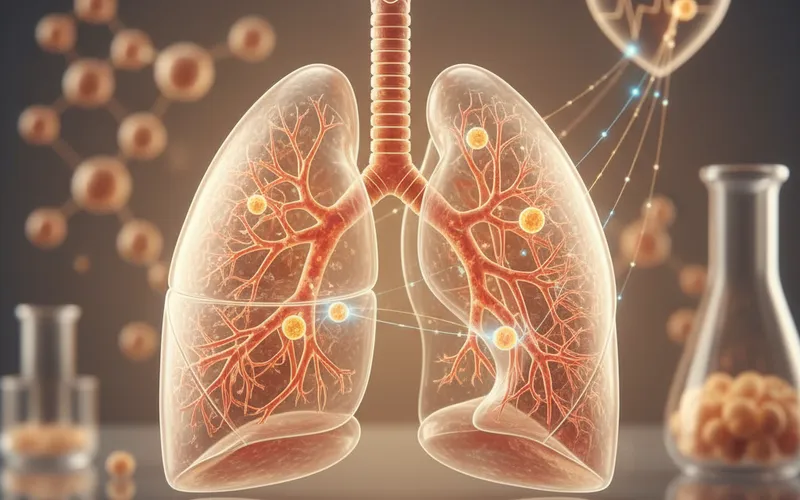
Die Studie – Was wurde untersucht und warum betrifft dich das?
Stell dir vor, du hast eine schwere Lungenentzündung überstanden. Du bist froh, wieder auf den Beinen zu sein, doch dein Körper hat eine enorme Belastung hinter sich. Was viele nicht wissen: Eine solche Infektion kann auch dein Herz-Kreislauf-System langfristig beeinträchtigen. Tatsächlich haben Menschen, die eine Lungenentzündung hatten, ein erhöhtes Risiko für Herzinfarkte und Schlaganfälle – und das auch noch Monate oder Jahre später. Das ist ein ernstes Thema, das uns alle betrifft, denn Lungenentzündungen sind weit verbreitet.
Genau hier setzt die TIN-CAP-Studie (Targeting Vascular Inflammation In Patients with Community-Acquired Pneumonia) an. Ein Team von Forschenden aus Kanada und den USA, darunter C. Stotts, V. F. Corrales-Medina und R. Beanlands, hat sich vorgenommen, diesen Zusammenhang genauer zu untersuchen. Sie wollen herausfinden, ob eine gezielte Entzündungshemmung nach einer Lungenentzündung das Risiko für Herz-Kreislauf-Ereignisse reduzieren kann.
Die zentrale Fragestellung der TIN-CAP-Studie ist: Kann Icosapent-Ethyl (IPE), eine gereinigte Omega-3-Fettsäure, die Entzündung in den Blutgefässen von Patienten nach einer ambulant erworbenen Lungenentzündung (CAP) reduzieren und dadurch das Risiko für Herz-Kreislauf-Komplikationen senken? Die Forschenden gehen davon aus, dass die Lungenentzündung eine systemische Entzündungsreaktion auslöst, die nicht vollständig abklingt und die Gefässe schädigt. IPE ist bekannt für seine entzündungsauflösenden und herzschützenden Eigenschaften.
Es handelt sich um ein multizentrisches, randomisiertes, doppelblindes, placebokontrolliertes Design. Das bedeutet, dass die Studie an verschiedenen Standorten durchgeführt wird, die Teilnehmer zufällig einer Behandlungs- oder Placebo-Gruppe zugeteilt werden und weder die Patienten noch die behandelnden Ärzte wissen, wer den Wirkstoff und wer das Placebo erhält. Dieses Design ist der Goldstandard in der klinischen Forschung, da es Verzerrungen minimiert. Die Studie wird sich auf erwachsene Patienten konzentrieren, die wegen einer ambulant erworbenen Lungenentzündung ins Spital eingeliefert wurden und bei denen ein erhöhtes Risiko für Herz-Kreislauf-Ereignisse besteht. Die genaue Stichprobengrösse wird im Protokoll definiert, aber solche Studien umfassen oft Hunderte bis Tausende von Teilnehmern.
Die Forschenden werden nicht nur klinische Ereignisse beobachten, sondern auch bildgebende Verfahren wie die Positronen-Emissions-Tomographie (PET) einsetzen, um die Entzündung in den Blutgefässen direkt zu messen. Dies ist ein innovativer Ansatz, da er über reine Blutmarker hinausgeht und eine direkte Visualisierung der Gefässentzündung ermöglicht.
Quelle: Stotts C, Corrales-Medina VF, deKemp RA, Wells GA, Beanlands R, Raggi P, Ferrara G, Sligl W, Connelly KA, Paul N, Brouwers M, Contreras-Dominguez V, Yadav K, Torres C, Tavoosi A, Wiefels C, Kirpalani A, Romsa JG, Grey B, Deva D, Rayner K, Boczar KE. (2026). Targeting Vascular Inflammation In Patients with Community-Acquired Pneumonia (TIN-CAP): protocol for a multicentre, randomised, double-blind, placebo-controlled trial. BMJ Open, 16(3):e114239. PubMed-ID: 41781043
Was heisst das wirklich? – Die kritische Einordnung
Diese Studie ist aktuell noch ein Protokoll, das heisst, die Ergebnisse liegen noch nicht vor. Das gibt uns aber die wunderbare Möglichkeit, uns im Voraus Gedanken über die potenziellen Implikationen und die Methodik zu machen. Ein Studienprotokoll ist wie der Bauplan eines Hauses: Es zeigt uns, was gebaut werden soll und wie es gebaut werden soll, aber das fertige Haus müssen wir noch abwarten.
Der Ansatz, die Gefässentzündung direkt mittels PET zu messen, ist eine Stärke. Herkömmliche Entzündungsmarker im Blut, wie CRP, sind zwar nützlich, aber sie geben nur ein allgemeines Bild. Die direkte Visualisierung der Entzündung in den Gefässwänden könnte ein viel präziserer Indikator für das Risiko sein. Das ist wichtig, denn «Entzündung» ist ein breiter Begriff. Hier wird versucht, sie sehr spezifisch zu lokalisieren.
Allerdings ist es wichtig zu bedenken, dass die Reduktion der Gefässentzündung, selbst wenn sie messbar ist, ein Surrogatparameter ist. Das ultimative Ziel ist die Reduktion von Herzinfarkten und Schlaganfällen (harte Endpunkte). Die Studie müsste zeigen, dass eine Veränderung im Surrogatparameter auch tatsächlich zu einer Verbesserung der harten Endpunkte führt. Eine kleine Reduktion der Entzündung mag statistisch signifikant sein, aber ist sie auch klinisch bedeutsam für dich persönlich? Das ist die Kernfrage.
Ein weiteres Augenmerk muss auf die Auswahl der Studienteilnehmer gelegt werden. Wer genau wird eingeschlossen? Sind es Patienten mit Vorerkrankungen, die ohnehin ein höheres Herzrisiko haben, oder eine breitere Population? Die Übertragbarkeit der Ergebnisse auf dich hängt stark davon ab, wie sehr du den Studienteilnehmern ähnelst. Wenn die Studie nur an einer sehr spezifischen Patientengruppe durchgeführt wird, sind die Ergebnisse möglicherweise nicht auf alle Menschen übertragbar, die eine Lungenentzündung hatten.
Denkwerkzeug: Wenn du eine Lungenentzündung hattest, frage dich: Wie alt war ich? Hatte ich bereits Vorerkrankungen? Wie hat sich mein Lebensstil danach verändert? So kannst du besser einschätzen, ob du zu der Gruppe gehörst, für die diese Studie besonders relevant sein könnte.
Der Geist im Körper – Die psychophysiologische Perspektive
Hier kommen wir zum Kern dessen, was auf der Plattform von Jürg Hösli so wichtig ist: die untrennbare Verbindung von Körper und Psyche. Eine Lungenentzündung ist nicht nur eine körperliche Infektion; sie ist auch ein massiver Stressor für den gesamten Organismus. Das Erlebnis einer schweren Krankheit, die Angst um die eigene Gesundheit, die Erholung – all das hinterlässt Spuren.
Aus psychophysiologischer Sicht ist es gut denkbar, dass das erhöhte Herz-Kreislauf-Risiko nach einer Lungenentzündung nicht nur auf die direkte, physiologische Entzündungsreaktion zurückzuführen ist. Chronischer Stress, Angstzustände und die psychische Belastung durch die Krankheit können das Immunsystem und das Herz-Kreislauf-System nachhaltig beeinflussen. Stress aktiviert die Hypothalamus-Hypophysen-Nebennieren (HPA)-Achse, führt zu erhöhten Cortisolwerten und kann Entzündungsprozesse im Körper anheizen – auch in den Gefässen. Dies ist ein Aspekt, der in der TIN-CAP-Studie, die sich auf einen pharmakologischen Wirkstoff konzentriert, wahrscheinlich nicht explizit erfasst wird.
Die Erwartungshaltung und das Gefühl der Kontrolle spielen ebenfalls eine Rolle. Wenn Patienten wissen, dass sie ein Medikament erhalten, das ihre Herzgesundheit verbessern könnte, könnte allein diese Überzeugung einen Placebo-Effekt auslösen, der sich positiv auf physiologische Parameter auswirkt. Die doppelblinde Natur der Studie versucht zwar, dies zu kontrollieren, aber die generelle psychische Verfassung der Genesenden – zum Beispiel, ob sie sich aktiv um ihre Erholung kümmern oder sich hilflos fühlen – hat einen entscheidenden Einfluss auf den Heilungsprozess und langfristige Gesundheitsoutcomes. Ein Patient, der psychisch gut mit der Krankheit umgeht, könnte auch physiologisch besser reagieren, unabhängig vom Wirkstoff.
Es ist also nicht nur der entzündungshemmende Effekt von IPE, der wirken könnte, sondern auch die Art und Weise, wie der Körper und die Psyche des Patienten mit der Genesung umgehen. Eine ganzheitliche Betrachtung würde auch die psychische Unterstützung und Stressreduktion als Teil der Behandlungsstrategie in Betracht ziehen, um das Herz-Kreislauf-Risiko nach einer Lungenentzündung zu minimieren.
Der grössere Kontext – Einordnung und Abhängigkeiten
Diese Studie ist ein wichtiger Baustein in einem grösseren Forschungsfeld, das sich mit dem Zusammenhang zwischen Infektionen und Herz-Kreislauf-Erkrankungen beschäftigt. Es ist seit Längerem bekannt, dass Grippe, Lungenentzündungen und andere schwere Infektionen das Risiko für Herzereignisse erhöhen können. Die TIN-CAP-Studie versucht, einen möglichen Mechanismus – die Gefässentzündung – und eine mögliche Interventionsstrategie zu beleuchten.
Die Finanzierung und mögliche Interessenkonflikte sind bei Studien, die sich mit spezifischen Medikamenten befassen, immer ein wichtiger Punkt. Auch wenn das Protokoll keine expliziten Angaben zur Finanzierung im Abstract enthält, ist es üblich, dass pharmazeutische Unternehmen, die an der Entwicklung oder Vermarktung von Icosapent-Ethyl interessiert sind, solche Studien unterstützen. Dies ist an sich nicht verwerflich, aber es ist wichtig, die Ergebnisse immer mit diesem Wissen im Hinterkopf zu interpretieren. Eine unabhängige Bewertung ist entscheidend.
Was in dieser Studie wahrscheinlich nicht kontrolliert wird, sind umfassende Lebensstilfaktoren. Ernährungsgewohnheiten, Schlafmuster, Stresslevel vor und nach der Lungenentzündung, sowie das Mass an körperlicher Aktivität – all diese Faktoren können die Entzündungsreaktion und die Herz-Kreislauf-Gesundheit massgeblich beeinflussen. Während ein randomisiertes Design darauf abzielt, solche Faktoren zwischen den Gruppen auszugleichen, können sie innerhalb der Gesamtpopulation die individuellen Ergebnisse stark variieren lassen. Auch die Trainingshistorie der Probanden und ihr Ernährungsstatus vor der Erkrankung und während der Genesung sind entscheidende Confounders, die die Ergebnisse beeinflussen könnten.
Denkwerkzeug: Wenn du von einer Studie hörst, die ein bestimmtes Medikament untersucht, frage dich immer: Gibt es auch nicht-medikamentöse Ansätze, die ähnliche oder ergänzende Effekte haben könnten? Welche Rolle spielen mein eigener Lebensstil und meine psychische Verfassung in diesem Kontext?
Was heisst das für dich? – Fazit und Alltagsrelevanz
Auch wenn die Ergebnisse der TIN-CAP-Studie noch ausstehen, können wir bereits jetzt wichtige Erkenntnisse daraus ableiten, die für dich relevant sind:
- Entzündung ist der Schlüssel: Diese Studie unterstreicht einmal mehr die zentrale Rolle von Entzündungsprozessen bei der Entstehung von Herz-Kreislauf-Erkrankungen. Eine Lungenentzündung ist ein akuter Entzündungsschock, der langfristige Folgen haben kann. Das Bewusstsein dafür ist der erste Schritt zur Prävention.
- Ganzheitliche Genesung: Wenn du eine Lungenentzündung oder eine andere schwere Infektion hattest, betrachte die Genesung nicht nur als das Abklingen der akuten Symptome. Kümmere dich auch um dein Herz-Kreislauf-System. Das bedeutet, nach Rücksprache mit deinem Arzt, eine gesunde Ernährung, regelmässige Bewegung und vor allem Stressmanagement zu integrieren.
- Omega-3 als Unterstützer: Die Untersuchung von Icosapent-Ethyl (einer Omega-3-Fettsäure) in diesem Kontext ist spannend. Auch wenn wir die Studienergebnisse abwarten müssen, ist die allgemeine Empfehlung für eine ausreichende Zufuhr von Omega-3-Fettsäuren (z.B. durch fettreichen Fisch oder hochwertige Nahrungsergänzungsmittel) zur Unterstützung der Herzgesundheit und Entzündungsregulation bereits gut etabliert.
Was du NICHT daraus schliessen solltest, ist, dass eine Lungenentzündung zwangsläufig zu Herzproblemen führt oder dass IPE die alleinige Lösung ist. Eine einzelne Studie ist immer ein Puzzleteil, nicht das ganze Bild. Es ist ein Hinweis, dass du nach einer schweren Infektion besonders auf deine Herzgesundheit achten solltest.
Diese Erkenntnisse sind besonders relevant für Menschen, die bereits ein erhöhtes Risiko für Herz-Kreislauf-Erkrankungen haben oder bei denen in der Familie solche Erkrankungen vorkommen. Aber auch für jeden anderen ist es eine Erinnerung daran, dass Gesundheit ein komplexes Zusammenspiel ist.
Der psychophysiologische Gedanke zum Schluss: Dein Körper und dein Geist sind untrennbar miteinander verbunden. Die Art und Weise, wie du eine Krankheit erlebst, wie du mit Stress umgehst und welche Erwartungen du an deine Genesung hast, beeinflusst deinen Heilungsprozess massgeblich. Achte nicht nur auf die Symptome, sondern auch auf dein inneres Erleben. Denn dein Körper reagiert nicht nur auf Medikamente, sondern auch auf das, was du denkst und fühlst.
Welche Rolle spielen psychische Faktoren bei der Genesung nach einer Infektion? Welche Lebensstilinterventionen könnten die Wirkung eines Medikaments verstärken oder sogar unnötig machen? Diese Fragen werden uns auch in Zukunft beschäftigen. Bleibe neugierig und höre auf deinen Körper!