Rheumatoide Arthritis und hormonelle Übergänge: Eine neue Perspektive durch Fasten und Ernährung
Rheumatoide Arthritis trifft Frauen häufiger. Eine neue Übersichtsarbeit beleuchtet, wie Fasten und pflanzliche Ernährung in hormonellen Übergangsphasen wie Schwangerschaft und Menopause die Symptome lindern könnten. Entdecke, wie dein Lebensstil deine Gesundheit beeinflusst.
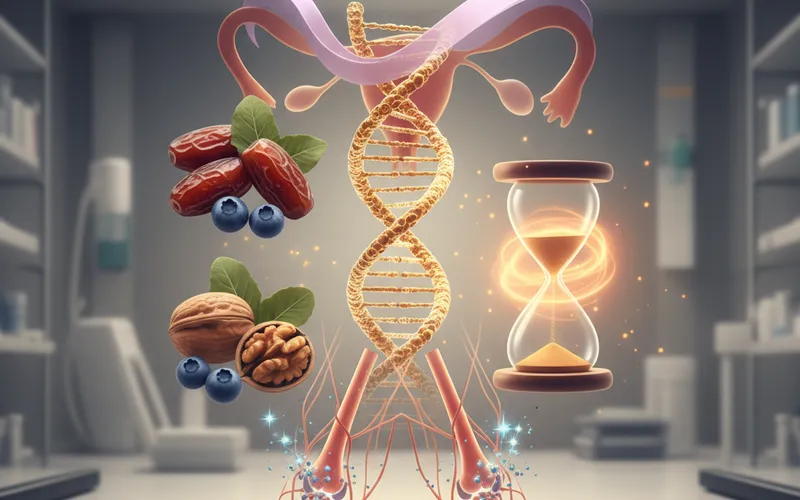
1. Die Studie – Was wurde untersucht und warum betrifft dich das?
Stell dir vor, du wachst morgens auf und deine Gelenke fühlen sich steif und schmerzhaft an – ein Gefühl, das viele Menschen mit rheumatoider Arthritis (RA) nur zu gut kennen. Diese chronische Autoimmunerkrankung betrifft weltweit etwa ein Prozent der Bevölkerung, und es ist auffällig, dass Frauen deutlich häufiger betroffen sind als Männer. Besonders in hormonellen Übergangsphasen wie Schwangerschaft oder Menopause kann die Erkrankung eine zusätzliche Herausforderung darstellen. Trotz grosser Fortschritte in der Behandlung gibt es noch keine endgültige Heilung, und genau hier setzt eine spannende neue Übersichtsarbeit an.
Forschende um Hansen, Alvanou, Pavlou, Wilmes und Schneider vom Luxembourg Centre for Systems Biomedicine und der Universität Luxemburg haben sich die Frage gestellt, ob Fasten und spezifische Ernährungsweisen vielversprechende Behandlungsstrategien für Frauen mit rheumatoider Arthritis in diesen sensiblen hormonellen Phasen sein könnten. Sie haben dafür eine umfassende Literaturrecherche durchgeführt und die bisherigen Erkenntnisse zu diesen Themen zusammengetragen.
Die zentrale Fragestellung war: Welches präventive und therapeutische Potenzial bieten Fasten und Ernährung bei rheumatoider Arthritis, insbesondere im Kontext hormoneller Schwankungen und Übergangsphasen im Leben einer Frau? Die Autoren untersuchten dabei, wie diese Interventionen Entzündungen reduzieren, die Zellreinigung (Autophagie) fördern, die Aktivität von Immunzellen modulieren und das Darmmikrobiom beeinflussen könnten. Es handelt sich hierbei um eine Review-Studie, das heisst, die Forschenden haben keine eigenen Experimente durchgeführt, sondern eine Vielzahl bestehender Studien analysiert und deren Ergebnisse zusammengefasst. Solche Übersichtsartikel sind wertvoll, um einen Überblick über den aktuellen Forschungsstand zu erhalten und neue Forschungsrichtungen aufzuzeigen.
Die Review zeigt auf, dass Fasten das Potenzial hat, systemische Entzündungen zu verringern, die Autophagie anzuregen und die Immunzellaktivität zu beeinflussen, was möglicherweise zu weniger Gelenkschmerzen und Schwellungen führt. Ernährungsstrategien wie entzündungshemmende oder pflanzliche Diäten wiederum könnten das Darmmikrobiom positiv beeinflussen, das Gewichtsmanagement unterstützen, die metabolische Gesundheit verbessern und oxidativen Stress reduzieren. All diese Faktoren können zu besseren Krankheitsergebnissen bei RA beitragen. Obwohl die genauen Mechanismen noch erforscht werden müssen, bieten diese Ansätze vielversprechende ergänzende Strategien zur Verbesserung der RA-Behandlung und der Lebensqualität der Patientinnen.
Quelle: Hansen B, Alvanou E, Pavlou MAS, Wilmes P, Schneider JG (2026). Fasting and Nutrition as Promising Treatment Strategies for Women with Rheumatoid Arthritis in Transitional Hormonal Stages. Nutrients, 18(4):580. PubMed-ID: 41754097
2. Was heisst das wirklich? – Die kritische Einordnung
Diese Übersichtsarbeit liefert einen faszinierenden Einblick in das Potenzial von Fasten und Ernährung bei rheumatoider Arthritis, insbesondere für Frauen in hormonellen Übergangsphasen. Doch was bedeutet das konkret für dich? Grosse Studien liefern oft Durchschnittswerte, aber du bist kein Durchschnitt. Während die hier zusammengetragenen Erkenntnisse vielversprechend sind, ist es wichtig, sie richtig einzuordnen.
Die Studie beleuchtet mögliche Zusammenhänge und Mechanismen, die Fasten und Ernährung auf die RA-Symptomatik haben könnten. Es werden hier aber keine harten klinischen Endpunkte wie eine definitive Heilung oder eine langfristig signifikante Reduktion der Medikamentenbedürftigkeit gemessen. Vielmehr handelt es sich um eine Literaturübersicht, die aufzeigt, welche physiologischen Veränderungen durch Fasten und Ernährung eintreten können (z.B. Reduktion von Entzündungsmarkern, Modulation des Darmmikrobioms) und wie diese theoretisch die RA beeinflussen könnten. Diese sind wichtige Surrogatparameter, aber sie sind noch kein direkter Beweis für eine klinisch bedeutsame Verbesserung der Lebensqualität oder des Krankheitsverlaufs im Einzelfall.
Die methodische Stärke dieser Review liegt darin, dass sie eine breite Palette von Studien zusammenfasst und somit einen guten Überblick über den aktuellen Forschungsstand bietet. Sie identifiziert vielversprechende Ansätze und regt zu weiterer Forschung an. Eine Grenze ist jedoch, dass es sich um eine Zusammenfassung von bestehenden Studien handelt. Die Qualität und das Design der einzelnen zugrundeliegenden Studien können variieren, und die Review kann immer nur so gut sein wie die Daten, die sie analysiert. Zudem werden hier Hypothesen und potenzielle Mechanismen diskutiert, die in der Praxis noch durch robuste, randomisierte kontrollierte Studien weiter untermauert werden müssen.
Die Ergebnisse gelten potenziell für Frauen mit rheumatoider Arthritis, insbesondere in Phasen hormoneller Veränderungen. Es bleibt aber die Frage offen, inwiefern die hier diskutierten Effekte für jede einzelne Frau gleichermassen relevant sind. Jeder Körper reagiert anders, und die genaue Ausprägung der RA, die individuelle hormonelle Situation und der allgemeine Gesundheitszustand spielen eine grosse Rolle.
Denkwerkzeug: Wenn du diese Ergebnisse für dich selbst betrachtest, frage dich: Welche Rolle spielen meine individuellen hormonellen Schwankungen und mein aktueller Lebensstil bei meinen Symptomen, und könnten Fasten oder eine Ernährungsumstellung hier einen spürbaren Unterschied machen, der über die statistischen Durchschnittswerte hinausgeht?
3. Der Geist im Körper – Die psychophysiologische Perspektive
Hier kommen wir zum Kern dessen, was in vielen Studien oft übersehen wird: Die untrennbare Verbindung zwischen Psyche und Körper. Gerade bei chronischen Erkrankungen wie rheumatoider Arthritis, die von Entzündungen und Schmerzen geprägt sind, spielt die psychophysiologische Interaktion eine entscheidende Rolle. Fasten und Ernährung sind nicht nur physiologische Prozesse; sie sind tief mit unseren Erwartungen, unserem Stresslevel und unserer emotionalen Verfassung verbunden.
Betrachten wir den Placebo-Effekt: Allein die Überzeugung, dass eine Ernährungsintervention oder Fasten hilfreich sein wird, kann physiologische Reaktionen auslösen, die messbar sind. Wenn du mit der festen Überzeugung in eine Fastenkur gehst, dass sie deine Entzündungen lindern wird, kann dies bereits positive Veränderungen im Körper hervorrufen. Deine Erwartungshaltung beeinflusst die Freisetzung von Endorphinen, die Schmerzempfindung und sogar die Aktivität des Immunsystems. Hier ist es gut denkbar, dass ein Grossteil der positiven Effekte, die in Selbstberichten oder unkontrollierten Studien beobachtet werden, durch diese psychophysiologischen Mechanismen verstärkt wird.
Chronischer Stress ist ein bekannter Trigger für Entzündungen und kann die RA-Symptomatik verschlimmern. Fasten und eine bewusste Ernährung können, wenn sie als eine Form der Selbstfürsorge und Kontrolle erlebt werden, das Stresserleben reduzieren. Die Auseinandersetzung mit der eigenen Ernährung und dem Körper kann ein Gefühl von Selbstwirksamkeit vermitteln, was wiederum psychischen Stress abbaut und sich positiv auf die Entzündungsprozesse im Körper auswirkt. Rumination – das ständige Grübeln über Schmerzen und Krankheit – kann die Schmerzempfindung verstärken und die Erholung behindern. Eine strukturierte Ernährungsweise oder Fasten kann helfen, den Fokus zu verlagern und eine proaktive Rolle im Umgang mit der Krankheit einzunehmen.
Es ist auch denkbar, dass der Hawthorne-Effekt eine Rolle spielt: Wenn Frauen wissen, dass sie an einer Studie teilnehmen oder eine bestimmte Diät befolgen, ändern sie oft ihr Verhalten in anderen Lebensbereichen unbewusst positiv. Sie achten möglicherweise mehr auf Schlaf, Bewegung oder Stressmanagement, was ebenfalls zur Verbesserung der Symptome beitragen kann, aber nicht direkt der Ernährung oder dem Fasten zuzuschreiben ist.
Kurz gesagt: Die positiven Effekte von Fasten und Ernährung bei RA sind wahrscheinlich nicht nur auf biochemischer Ebene angesiedelt, sondern werden massgeblich von deiner Psyche, deinen Erwartungen und deinem Umgang mit Stress mitbestimmt. Dein Körper reagiert nicht nur auf das, was du isst, sondern auch auf das, was du denkst und fühlst.
4. Der grössere Kontext – Einordnung und Abhängigkeiten
Diese Übersichtsarbeit ist ein wichtiges Puzzleteil in der wachsenden Erkenntnis, dass Lebensstilfaktoren einen erheblichen Einfluss auf Autoimmunerkrankungen haben können. Sie bestätigt und erweitert bestehende Hypothesen, dass Ernährung und Fasten nicht nur bei metabolischen Erkrankungen, sondern auch bei entzündlichen Prozessen eine Rolle spielen. Die Autoren dieser Studie haben übrigens
Es ist wichtig zu verstehen, dass diese Studie nicht isoliert steht. Sie fügt sich ein in eine Forschungslandschaft, die zunehmend die Bedeutung des Darmmikrobioms, von Entzündungsprozessen und des Stoffwechsels für die Entstehung und den Verlauf von Autoimmunerkrankungen hervorhebt. Fasten und pflanzliche Ernährung sind bekannte Modulatoren dieser Systeme. Die Studie beleuchtet auch den besonderen Kontext hormoneller Übergangsphasen, was ein bislang unterrepräsentiertes Forschungsfeld ist und eine wichtige Lücke schliesst. Sie ist also kein Ausreisser, sondern eine solide Zusammenfassung, die bestehende Erkenntnisse in einem spezifischen Kontext neu bewertet.
Was jedoch nicht kontrolliert wurde – und in einer Review-Studie auch nicht kontrolliert werden kann – sind die unzähligen anderen Lebensstilfaktoren, die die Ergebnisse beeinflussen könnten. Denke an den individuellen Schlaf-Wach-Rhythmus, das Stressmanagement, das Ausmass an körperlicher Aktivität, die Einnahme weiterer Medikamente (die nicht direkt im Fokus standen) oder die genetische Prädisposition. All diese Faktoren spielen eine Rolle im Verlauf der rheumatoiden Arthritis und können die Wirkung von Fasten und Ernährung modulieren. Eine Frau, die zusätzlich zu einer Ernährungsumstellung auch ihren Schlaf optimiert und Stress reduziert, wird wahrscheinlich bessere Ergebnisse erzielen als jemand, der nur seine Ernährung anpasst, aber weiterhin unter hohem Stress leidet.
Denkwerkzeug: Bevor du auf Basis dieser Studie dein Leben umkrempelst, frage dich: Welche anderen Aspekte meines Lebensstils könnten meine RA-Symptome beeinflussen, und wie könnte ich diese Faktoren ebenfalls gezielt angehen, um eine ganzheitlichere Verbesserung zu erzielen?
5. Was heisst das für dich? – Fazit und Alltagsrelevanz
Was kannst du aus dieser wichtigen Übersichtsarbeit für dich mitnehmen? Erstens: Es gibt vielversprechende Hinweise darauf, dass Fasten und eine pflanzliche, entzündungshemmende Ernährung komplementäre Strategien sein können, um die Symptome der rheumatoiden Arthritis zu lindern, insbesondere wenn du dich in hormonellen Übergangsphasen befindest. Diese Ansätze können Entzündungen reduzieren und die Zellgesundheit fördern.
Zweitens: Es lohnt sich, diese Optionen mit deinem Arzt oder Therapeuten zu besprechen. Ein individueller Ansatz, der auf deine spezifische Situation zugeschnitten ist, ist hier entscheidend. Experimentiere achtsam und beobachte genau, wie dein Körper reagiert. Ein Wechsel zu einer pflanzlichen Ernährung oder die Integration von Intervallfasten könnte ein wertvoller Baustein in deinem Gesundheitsmanagement sein.
Was du jedoch
Diese Erkenntnisse sind besonders relevant für Frauen mit rheumatoider Arthritis, die nach zusätzlichen Wegen suchen, ihre Symptome zu managen, insbesondere wenn sie schwanger werden möchten, sich in der Perimenopause oder Menopause befinden. Aber auch für alle anderen, die an entzündlichen Erkrankungen leiden, bieten diese Ansätze spannende Perspektiven. Dein Körper reagiert nicht nur auf das, was du isst, sondern auch auf das, was du denkst und fühlst. Die psychophysiologische Komponente ist hierbei entscheidend: Deine Überzeugungen, deine emotionale Verfassung und dein Stresslevel können die Wirkung jeder Ernährungsintervention massgeblich beeinflussen.
Welche Fragen bleiben offen? Es braucht weitere, gut konzipierte klinische Studien, die die Effekte von Fasten und spezifischen Ernährungsweisen bei RA in hormonellen Übergangsphasen genauer untersuchen. Eine individualisierte Diagnostik, die nicht nur auf Blutwerten, sondern auch auf dem Stresslevel, dem Mikrobiom und der psychischen Verfassung basiert, könnte den Weg zu noch präziseren Empfehlungen ebnen. Bleibe neugierig und experimentierfreudig, aber immer im Dialog mit deinem Körper und professioneller Unterstützung. Dein Weg zu mehr Wohlbefinden ist ein individueller, ganzheitlicher Prozess.