Adipositas, Diabetes und Verdauungskrebs: Ein komplexes Zusammenspiel
Übergewicht und Typ-2-Diabetes erhöhen das Risiko für bestimmte Krebserkrankungen des Verdauungssystems. Eine neue Review-Studie beleuchtet die komplexen Zusammenhänge und zeigt, wie Stoffwechselstörungen die Krebsentstehung beeinflussen. Was bedeutet das für dich und deine Gesundheit?
Die Studie – Was wurde untersucht und warum betrifft dich das?
Stell dir vor, du sitzt beim Arzt und bekommst die Diagnose Typ-2-Diabetes oder Adipositas. Die möglichen Folgen für Herz-Kreislauf-Erkrankungen oder Gelenkprobleme sind dir vielleicht bewusst. Aber hast du auch schon an das erhöhte Krebsrisiko gedacht, das mit diesen Stoffwechselstörungen einhergehen kann? Genau diesem wichtigen, aber oft unterschätzten Zusammenhang widmet sich eine aktuelle Übersichtsarbeit im renommierten Fachjournal «Seminars in Cancer Biology».
Ein Team internationaler Forschender, darunter Simona Cernea aus Rumänien und Oliver P. Zaharia sowie S. Gancheva aus Deutschland, hat die verfügbare wissenschaftliche Literatur zusammengetragen und analysiert. Ihre zentrale Fragestellung war: Wie genau beeinflussen Adipositas (starkes Übergewicht) und Typ-2-Diabetes das Risiko für Krebserkrankungen des Verdauungssystems? Und welche Mechanismen stecken dahinter?
Dabei handelt es sich um eine sogenannte Review-Studie. Das bedeutet, die Autoren haben nicht selbst neue Daten erhoben, sondern eine Vielzahl bestehender Studien – darunter epidemiologische Untersuchungen, die grosse Bevölkerungsgruppen über längere Zeiträume beobachten – systematisch ausgewertet. Ihr Ziel war es, ein umfassendes Bild der aktuellen Forschungslage zu zeichnen. Die Studie beleuchtet die Zusammenhänge zwischen Adipositas, Typ-2-Diabetes und verschiedenen Krebsarten des Verdauungstrakts, wie zum Beispiel Speiseröhren-, Magen-, Leber-, Bauchspeicheldrüsen- und Darmkrebs. Die Forschenden stellten fest, dass beide Stoffwechselerkrankungen das Risiko für die Entwicklung und das Fortschreiten dieser Krebserkrankungen erhöhen. Interessanterweise gibt es dabei geschlechts- und ethnienspezifische Unterschiede bei bestimmten Krebsarten.
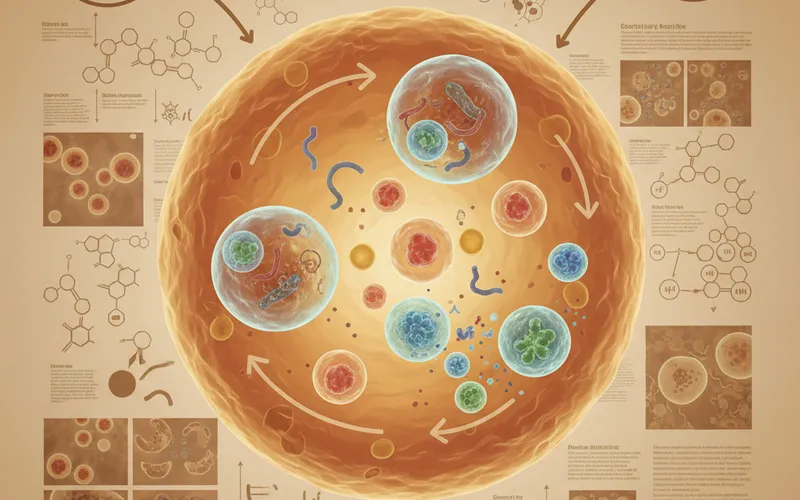
Die Studie identifiziert komplexe biologische Mechanismen, die diese Verbindung erklären könnten: erhöhte Verfügbarkeit von Nährstoffen, eine gestörte Stoffwechselregulation, die ein zelluläres Milieu schafft, das das Krebswachstum begünstigt. Dazu gehören Hyperglykämie (chronisch hoher Blutzucker), Insulinresistenz, veränderte Insulin-like Growth Factor-1 (IGF-1)-Signalwege und chronische Entzündungen. All diese Faktoren können die Aktivierung von Signalwegen fördern, die das Tumorwachstum und die Zellproliferation antreiben.
Am Ende dieses Abschnitts hast du hoffentlich ein klares Bild davon, worum es in dieser Studie geht. Aber was bedeuten diese Erkenntnisse nun wirklich für dich und deine Gesundheit?
Quelle: Cernea S, Crişan D, Lăcătuşu CM, Zaharia OP, Gancheva S (2026). Obesity, type 2 diabetes and cancers of the digestive system. Seminars in cancer biology. PubMed-ID: 41763280
Was heisst das wirklich? – Die kritische Einordnung
Diese Review-Studie fasst eine beeindruckende Menge an Forschung zusammen und bestätigt einen wichtigen Zusammenhang: Adipositas und Typ-2-Diabetes sind nicht nur eigenständige Gesundheitsprobleme, sondern auch Treiber für bestimmte Krebserkrankungen. Aber wie ordnen wir diese Informationen für unseren Alltag ein?
Du bist kein Durchschnitt. Die Studie basiert auf epidemiologischen Daten, die Risikozunahmen für grosse Bevölkerungsgruppen zeigen. Das bedeutet, dass das individuelle Risiko variieren kann. Wenn die Studie beispielsweise sagt, dass das Risiko für eine bestimmte Krebsart um 20% steigt, heisst das nicht, dass du persönlich mit 20% höherer Wahrscheinlichkeit erkrankst. Es bedeutet, dass in einer grossen Gruppe von Menschen mit Adipositas oder Diabetes statistisch gesehen 20% mehr Krebsfälle auftreten als in einer vergleichbaren Gruppe ohne diese Bedingungen. Für dich persönlich kann das Risiko höher oder tiefer sein, je nach deiner individuellen Genetik, deinem Lebensstil und anderen Faktoren.
Die Forschenden weisen selbst darauf hin, dass bei der Interpretation der Ergebnisse Vorsicht geboten ist. Dies liegt an Unterschieden im Studiendesign, der Qualität der Studien, der ungleichmässigen Anpassung an Störfaktoren (Konfounding-Faktoren) sowie an der Heterogenität und verschiedenen Verzerrungen (Biases) in den analysierten Einzelstudien. Das ist ein ehrlicher und wichtiger Hinweis: Wissenschaft ist ein Mosaik, und jedes Puzzleteil muss sorgfältig betrachtet werden.
Was wurde hier gemessen? Es wurden keine harten Endpunkte wie Sterblichkeit im direkten Sinne durch die Review neu erhoben, sondern Zusammenhänge zwischen bestehenden Diagnosen (Adipositas, Diabetes) und dem Auftreten von Krebs. Die Stärke dieser Studie liegt darin, dass sie die zugrunde liegenden biologischen Mechanismen detailliert beleuchtet. Das hilft uns zu verstehen, warum diese Zusammenhänge existieren könnten und bietet Ansatzpunkte für Prävention.
Methodische Stärken und Grenzen: Die Stärke dieser Review ist die umfassende Synthese der vorhandenen Literatur, die ein klares Bild der aktuellen Forschung liefert. Die detaillierte Beschreibung der molekularen und zellulären Mechanismen ist besonders wertvoll, da sie uns hilft, die biologische Plausibilität der Zusammenhänge zu verstehen. Eine Grenze ist jedoch, dass eine Review immer nur so gut sein kann wie die zugrunde liegenden Einzelstudien. Wenn diese Studien methodische Schwächen haben oder wichtige Störfaktoren nicht berücksichtigt haben, können diese Schwächen auch in der Review fortbestehen.
Für wen gelten die Ergebnisse? Die Ergebnisse gelten prinzipiell für alle Menschen, die von Adipositas oder Typ-2-Diabetes betroffen sind. Da die Zusammenhänge jedoch geschlechts- und ethnienspezifische Unterschiede zeigen, ist es wichtig zu wissen, dass die Relevanz für dich persönlich von diesen Faktoren beeinflusst werden kann. Sprich mit deinem Arzt, um eine individuelle Einschätzung zu erhalten.
Denkwerkzeug: Wenn du eine Studie wie diese siehst, frage dich: Basieren die Ergebnisse auf Beobachtungen in grossen Gruppen oder auf experimentellen Studien, die direkte Ursache-Wirkungs-Beziehungen aufzeigen? Und wie gut passen die Studienteilnehmer zu meiner eigenen Situation?
Diese Studie zeigt uns also klar auf, dass der Körper als Ganzes funktioniert und Störungen in einem System weitreichende Konsequenzen haben können. Aber was ist mit dem Faktor, der oft übersehen wird, wenn wir über körperliche Gesundheit sprechen?
Der Geist im Körper – Die psychophysiologische Perspektive
Wenn wir über Adipositas, Typ-2-Diabetes und Krebs sprechen, fokussiert die medizinische Forschung oft auf stoffliche Aspekte: Gene, Hormone, Entzündungsmarker, Ernährung. Doch als Psychophysiologe weiss ich, dass der Mensch keine Maschine, sondern ein komplexes System ist, in dem Psyche und Körper untrennbar miteinander verbunden sind. Was, wenn ein grosser Teil des Risikos nicht nur in den Kalorien oder dem Blutzucker liegt, sondern auch in dem, was in unserem Kopf abläuft?
Betrachte zum Beispiel die Rolle von chronischem Stress. Menschen mit Adipositas oder Typ-2-Diabetes erleben oft einen erhöhten mentalen Stress – sei es durch die Stigmatisierung, die Herausforderungen der Krankheitsbewältigung oder die Sorge um die Zukunft. Chronischer Stress wiederum führt zu einer dauerhaften Aktivierung der Stressachsen, insbesondere der Hypothalamus-Hypophysen-Nebennieren-Achse (HPA-Achse), was eine erhöhte Ausschüttung von Cortisol zur Folge hat. Cortisol hat weitreichende Auswirkungen auf den Stoffwechsel: Es erhöht den Blutzucker, fördert die Insulinresistenz und kann entzündliche Prozesse im Körper verstärken. All das sind Mechanismen, die in der vorliegenden Studie als Treiber für die Krebsentstehung genannt werden.
Auch unsere Erwartungshaltungen und Überzeugungen spielen eine Rolle. Wenn jemand beispielsweise glaubt, dass er aufgrund seiner Genetik oder seiner Situation ohnehin keine Kontrolle über sein Gewicht oder seinen Blutzucker hat, kann das zu Resignation führen. Diese mentale Haltung kann sich direkt auf das Verhalten auswirken: Weniger Motivation für Ernährungsumstellung oder Bewegung. Und diese Verhaltensweisen haben wiederum direkte physiologische Folgen, die das Risiko für Adipositas, Diabetes und letztlich auch Krebs erhöhen können.
Die Studie spricht von einem „zellulären Mikroenvironment, das Krebswachstum begünstigt“. Es ist gut denkbar, dass dieses Mikroenvironment nicht nur durch Ernährung und Bewegung, sondern auch durch psychischen Stress und die damit verbundenen hormonellen und entzündlichen Veränderungen massgeblich mitgestaltet wird. Ein Teufelskreis kann entstehen: Stress führt zu physiologischen Veränderungen, die wiederum psychischen Stress verstärken. Und dieser Kreislauf kann das Risiko für Krebs erhöhen.
Dieser Aspekt wird in den meisten medizinischen Studien nicht systematisch erfasst. Doch für dich als Mensch ist es entscheidend: Dein psychischer Zustand ist keine Randnotiz, sondern ein zentraler Faktor für deine körperliche Gesundheit und kann die Wirkung von Ernährung, Bewegung und Medikamenten massgeblich beeinflussen. Die Verbindung zwischen „Geist“ und „Körper“ ist hier nicht abstrakt, sondern manifestiert sich in messbaren physiologischen Prozessen.
Der grössere Kontext – Einordnung und Abhängigkeiten
Diese Review-Studie ist ein wichtiges Puzzleteil in einem immer komplexer werdenden Bild der Gesundheitsforschung. Sie bestätigt und vertieft unser Verständnis dafür, dass Stoffwechselerkrankungen wie Adipositas und Typ-2-Diabetes nicht isoliert betrachtet werden können, sondern systemische Auswirkungen auf den gesamten Körper haben – einschliesslich des Krebsrisikos.
Wer steht dahinter? Die Autoren stammen von verschiedenen Universitäten und Kliniken in Rumänien, Deutschland und Chile. Das ist ein gutes Zeichen für eine breite wissenschaftliche Perspektive. Die Studie wurde in einem angesehenen Journal publiziert, was für die Qualität der Arbeit spricht. Im Abstract sind keine spezifischen Angaben zur Finanzierung oder zu Interessenkonflikten aufgeführt, was in der Regel als positiv zu werten ist, da es auf eine unabhängige Forschung hindeutet.
Wo steht diese Studie in der Forschungslandschaft? Diese Review fasst den aktuellen Stand der Forschung zusammen und bestätigt im Wesentlichen bestehende Erkenntnisse, vertieft aber die mechanistischen Erklärungen. Sie ist keine einzelne revolutionäre Entdeckung, sondern eine konsolidierende Arbeit, die die Evidenzbasis stärkt. Das ist in der Wissenschaft oft genauso wertvoll wie die Entdeckung von etwas völlig Neuem. Es hilft, das Gesamtbild zu schärfen und die biologische Plausibilität zu untermauern. Wir wissen schon länger, dass es einen Zusammenhang gibt; diese Studie erklärt uns besser, warum.
Was wurde nicht kontrolliert? Wie bei jeder Review ist es schwierig, alle potenziellen Störfaktoren aus den zugrunde liegenden Studien zu kontrollieren. Lebensstilfaktoren wie der Grad der körperlichen Aktivität, die Qualität der Ernährung über die reine Kalorienzufuhr hinaus, der Konsum von Alkohol oder ultra-verarbeiteten Lebensmitteln, aber auch genetische Prädispositionen und Umweltfaktoren können die Ergebnisse beeinflussen und wurden in den analysierten Studien möglicherweise nicht immer einheitlich oder umfassend erfasst. Auch der psychologische Stress, den wir im vorherigen Abschnitt beleuchtet haben, ist ein Faktor, der in den meisten epidemiologischen Studien nur schwer zu quantifizieren und zu kontrollieren ist.
Denkwerkzeug: Frage dich bei solchen Studien: Bestätigt diese Forschung etwas, das ich schon vermutet habe, oder liefert sie eine völlig neue Perspektive? Und welche Aspekte meines Lebensstils, die nicht direkt gemessen wurden, könnten hier noch eine Rolle spielen?
Die Erkenntnis, dass Adipositas und Typ-2-Diabetes das Krebsrisiko erhöhen, ist ernst zu nehmen. Aber was bedeutet das konkret für dich in deinem Alltag?
Was heisst das für dich? – Fazit und Alltagsrelevanz
Diese Studie liefert eine klare Botschaft: Adipositas und Typ-2-Diabetes sind keine harmlosen Zustände, sondern erhöhen das Risiko für verschiedene Krebsarten des Verdauungssystems erheblich. Aber lass dich davon nicht verunsichern, sondern nutze dieses Wissen als Motivation, aktiv zu werden.
Was kannst du mitnehmen?
- Prävention ist entscheidend: Der beste Weg, das Risiko zu minimieren, ist die Prävention von Adipositas und Typ-2-Diabetes oder deren konsequente Behandlung, falls sie bereits bestehen. Das heisst: Achte auf ein gesundes Körpergewicht, eine ausgewogene Ernährung mit viel Gemüse, Obst und Vollkornprodukten und regelmässige Bewegung.
- Dein Stoffwechsel ist ein System: Verstehe, dass dein Stoffwechsel nicht isoliert funktioniert. Hoher Blutzucker, Insulinresistenz und chronische Entzündungen, wie sie bei Adipositas und Diabetes auftreten, schaffen ein Umfeld, das Krebszellen begünstigen kann. Jede Massnahme, die deinen Stoffwechsel verbessert, ist somit auch eine Massnahme zur Krebsprävention.
- Der psychische Faktor zählt: Unterschätze niemals den Einfluss von Stress und psychischer Verfassung auf deinen Stoffwechsel und damit auf dein Krebsrisiko. Stressmanagement, ausreichend Schlaf und das Pflegen positiver Überzeugungen sind keine Luxusgüter, sondern essenzielle Bestandteile einer ganzheitlichen Gesundheitsstrategie.
Was solltest du NICHT daraus schliessen?
- Keine Panik: Ein erhöhtes Risiko bedeutet nicht, dass du automatisch an Krebs erkranken wirst. Es ist ein statistischer Zusammenhang, der dich zu proaktiven Massnahmen ermutigen sollte, nicht zu Angst.
- Keine Schuldzuweisung: Adipositas und Typ-2-Diabetes sind komplexe Erkrankungen, die von vielen Faktoren beeinflusst werden, nicht nur von persönlicher Disziplin. Es geht nicht darum, sich selbst die Schuld zu geben, sondern darum, die Kontrolle über das zu übernehmen, was du beeinflussen kannst.
Für wen ist das besonders relevant? Diese Erkenntnisse sind besonders relevant für Menschen, die bereits an Adipositas oder Typ-2-Diabetes leiden oder ein erhöhtes Risiko dafür haben (z.B. aufgrund familiärer Vorbelastung oder eines ungesunden Lebensstils). Aber im Grunde ist es eine Botschaft für uns alle: Die Gesundheit unseres Stoffwechsels ist ein Pfeiler unserer gesamten Gesundheit und hat weitreichende Konsequenzen.
Der psychophysiologische Gedanke zum Schluss: Dein Körper reagiert nicht nur auf das, was du isst und wie du dich bewegst. Er reagiert auch auf das, was du denkst, fühlst und glaubst. Die Verknüpfung von Stoffwechselstörungen und Krebs ist ein eindrückliches Beispiel dafür, wie eng Körper und Geist miteinander verwoben sind. Indem du dich um beide kümmerst – deinen Körper und deine Psyche – schaffst du die besten Voraussetzungen für ein gesundes und langes Leben. Bleibe neugierig und achtsam mit dir selbst.
Welche Fragen bleiben offen? Es wäre spannend zu sehen, wie spezifische Interventionen, die sowohl den Stoffwechsel als auch den psychischen Stress adressieren, das Krebsrisiko beeinflussen könnten. Auch die genaue Rolle von Darmmikrobiom und individuellen genetischen Unterschieden in diesem Zusammenspiel erfordert weitere Forschung.
Nimm dieses Wissen als Anlass, liebevoll und bewusst mit dir umzugehen. Dein Körper ist dein Tempel – und deine Psyche ist der Architekt.