Ernährung und dein Epigenom: Wie das, was du isst, deine Gene prägt
Deine Ernährung ist mehr als nur Kalorien: Sie beeinflusst direkt, wie deine Gene arbeiten. Eine aktuelle Übersichtsarbeit beleuchtet, wie Essen dein Epigenom formt und welche Folgen das für deine Gesundheit hat. Entdecke, wie du mit jedem Bissen deine biologische Uhr beeinflusst.
1. Die Studie – Was wurde untersucht und warum betrifft dich das?
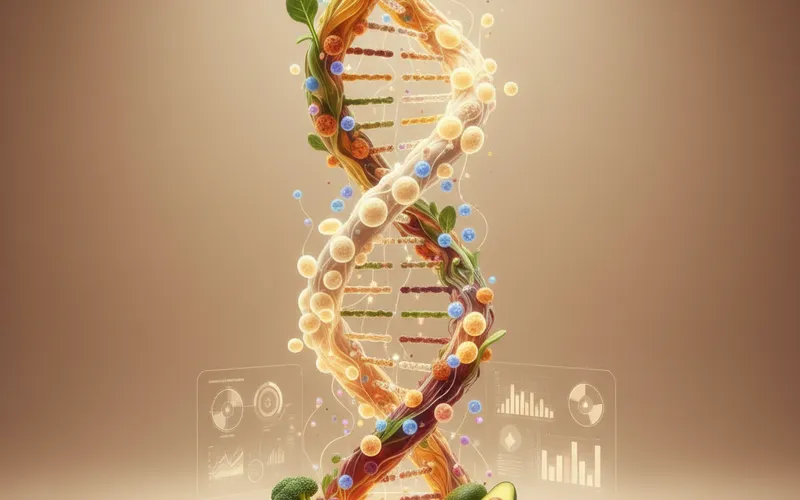
Stell dir vor, dein Körper wäre ein Orchester. Jedes Gen ist ein Instrument, und deine DNA ist die Partitur. Doch wer entscheidet, wann welches Instrument spielt und wie laut? Hier kommt das Epigenom ins Spiel – es ist der Dirigent, der bestimmt, welche Noten gespielt werden und welche stumm bleiben. Und das Faszinierende ist: Du selbst hältst einen Teil des Taktstocks in der Hand, und zwar mit jedem Bissen, den du isst.
Genau diesem Zusammenhang widmet sich eine spannende Übersichtsarbeit von Anastasopoulou, Dereki, Sgourou und Lagoumintzis. Sie haben untersucht, wie unsere Ernährung auf epigenetische Prozesse einwirkt und welche weitreichenden Implikationen das für unsere Gesundheit und sogar für die öffentliche Gesundheitspolitik haben könnte. Sie beleuchten, wie unsere Essgewohnheiten die Aktivität unserer Gene beeinflussen, ohne die Gene selbst zu verändern. Das ist eine entscheidende Unterscheidung, denn es bedeutet, dass wir nicht machtlos unseren genetischen Veranlagungen ausgeliefert sind, sondern aktiv mitgestalten können.
Die Forschenden aus Griechenland haben sich in dieser Perspektivarbeit darauf konzentriert, wie Ernährung spezifische epigenetische Mechanismen wie die DNA-Methylierung, Histonmodifikationen und die Rolle nicht-kodierender RNAs beeinflusst. Sie klären zudem den Zusammenhang zwischen diesen ernährungsbedingten epigenetischen Veränderungen und dem erhöhten Risiko für chronische Krankheiten wie Adipositas, Herz-Kreislauf-Erkrankungen, Krebs und neurokognitive Beeinträchtigungen. Ein besonderer Fokus liegt dabei auf der Erkenntnis, dass die Ernährung bereits während der Schwangerschaft, in der Adoleszenz und im Erwachsenenalter das Epigenom prägen kann – mit Langzeitwirkungen auf unsere Gesundheit. Die Autoren stellen auch die Herausforderungen dar, diese komplexen mechanistischen Erkenntnisse in praktische, skalierbare Massnahmen für die öffentliche Gesundheit zu übersetzen.
Quelle: Anastasopoulou M, Dereki I, Sgourou A, Lagoumintzis G (2026). Interactions between nutrition and the epigenome: how can it be harnessed for public health?. Future science OA, 12(1). PubMed-ID: 41817235
2. Was heisst das wirklich? – Die kritische Einordnung
Diese Übersichtsarbeit ist ein wichtiges Puzzleteil, das uns hilft, die tieferen Zusammenhänge zwischen unserer Ernährung und unserer Gesundheit zu verstehen. Sie fasst den aktuellen Forschungsstand zusammen und zeigt das immense Potenzial der Nutriepigenetik. Doch wie bei jeder wissenschaftlichen Veröffentlichung ist es wichtig, genau hinzuschauen, was sie wirklich aussagt und wo ihre Grenzen liegen.
Zunächst einmal ist es entscheidend zu verstehen: Hier geht es um eine
Die Studie betont den Zusammenhang zwischen Ernährung und epigenetischen Markern wie DNA-Methylierung oder Histonmodifikationen. Das sind Surrogatparameter – also indirekte Messgrössen, die auf eine Veränderung hindeuten. Eine veränderte Methylierung an einem Gen bedeutet nicht automatisch, dass du krank wirst, sondern dass sich die Genaktivität verändern
Die Autoren weisen selbst auf die methodischen Herausforderungen hin: „Individual variability, epigenome-wide association study confounders, and tissue specificity remain methodological challenges.“ Das ist ein zentraler Punkt! Was für die eine Person gilt, muss nicht für die andere gelten. Unsere genetische Ausstattung, unser Lebensstil, unser Mikrobiom – all das sind Störfaktoren (Confounder), die die Ergebnisse beeinflussen können und die es sehr schwierig machen, allgemeingültige Aussagen zu treffen. Zudem sind epigenetische Veränderungen oft gewebespezifisch. Eine Veränderung in einer Blutzelle muss nicht unbedingt eine Veränderung in einer Gehirnzelle bedeuten.
Dein Denkwerkzeug: Wenn du von einer neuen Ernährungsstudie hörst, frage dich immer: Wurden hier harte Endpunkte gemessen (z.B. tatsächliche Krankheitsfälle, Lebensqualität) oder eher indirekte Marker (z.B. Laborwerte, epigenetische Veränderungen)? Und wie gut passen die Studienteilnehmer zu dir – sind sie in einem ähnlichen Alter, haben sie einen ähnlichen Lebensstil oder ähnliche Vorerkrankungen?
3. Der Geist im Körper – Die psychophysiologische Perspektive
Hier wird es besonders spannend aus psychophysiologischer Sicht. Die Studie spricht von der Prägung des Epigenoms durch Ernährung. Doch was ist mit den anderen mächtigen Prägefaktoren, die in der Regel in solchen Studien kaum Beachtung finden? Dein Epigenom wird nicht nur durch das, was du isst, beeinflusst, sondern massgeblich auch durch das, was du erlebst, denkst und fühlst.
Chronischer Stress beispielsweise ist ein bekannter Modulator des Epigenoms. Dauerhafte Ausschüttung von Stresshormonen wie Cortisol kann die DNA-Methylierung und Histonmodifikationen beeinflussen und somit die Expression von Genen verändern, die an Entzündungsprozessen, Immunantworten oder Stoffwechsel beteiligt sind. Das heisst: Selbst wenn du dich perfekt ernährst, kann anhaltender psychischer Stress die positiven epigenetischen Effekte deiner Ernährung untergraben oder sogar ins Gegenteil verkehren.
Auch deine Erwartungen und Überzeugungen spielen eine Rolle. Wenn du fest daran glaubst, dass eine bestimmte Ernährungsweise gesund ist und dir guttut, kann dieser Glaube allein schon physiologische Veränderungen bewirken – den sogenannten Placebo-Effekt. Diese positiven Erwartungen können Stress reduzieren, die Verdauung verbessern und somit indirekt auch epigenetische Prozesse beeinflussen. Umgekehrt kann die Angst vor bestimmten Lebensmitteln oder eine restriktive Diät Stress auslösen und negative epigenetische Spuren hinterlassen.
Ein weiterer Aspekt ist der Schlaf. Schlafmangel ist ein massiver Stressor für den Körper und kann Entzündungen fördern und den Stoffwechsel durcheinanderbringen. Diese physiologischen Reaktionen sind ebenfalls mit epigenetischen Veränderungen verknüpft. Du siehst also: Deine psychische Verfassung, dein Stresslevel und dein Schlaf sind keine isolierten Faktoren, sondern stehen in einer untrennbaren Wechselwirkung mit deiner Ernährung und deinem Epigenom.
Es ist gut denkbar, dass die „individuelle Variabilität“, die die Autoren als methodische Herausforderung nennen, zu einem erheblichen Teil durch diese psychophysiologischen Faktoren erklärt werden kann. Zwei Menschen, die sich identisch ernähren, aber unterschiedliche Stresslevel oder Schlafgewohnheiten haben, werden wahrscheinlich unterschiedliche epigenetische Profile entwickeln.
4. Der grössere Kontext – Einordnung und Abhängigkeiten
Die Studie betont die Relevanz der Nutriepigenetik für die öffentliche Gesundheit. Das ist ein wichtiger Ansatz, denn es rückt die Ernährung als mächtiges Werkzeug in den Fokus, das über Kalorienzählen und Nährstofftabellen hinausgeht. Es zeigt, dass Ernährung nicht nur Symptome lindert, sondern am Ursprung von Krankheiten ansetzen kann, indem sie die Genexpression beeinflusst.
Die Finanzierung der Studie wird im Abstract nicht explizit genannt. Die Autoren sind jedoch an Universitäten in Griechenland angesiedelt, was auf eine wissenschaftliche, unabhängige Forschung hindeutet. Das Journal „Future Science OA“ ist ein Open-Access-Journal, was grundsätzlich gut ist, da es die freie Zugänglichkeit von Forschungsergebnissen fördert.
Diese Übersichtsarbeit ordnet sich in einen wachsenden Forschungszweig ein, der sich mit der personalisierten Medizin und Ernährung beschäftigt. Sie bestätigt bestehende Erkenntnisse, dass unsere Umwelt – und dazu gehört massgeblich die Ernährung – die Aktivität unserer Gene beeinflusst. Sie ist kein Ausreisser, sondern ein weiteres Puzzleteil in einem immer komplexer werdenden Bild. Was diese Studie jedoch nicht kontrolliert und auch nicht kontrollieren kann, sind all die anderen Lebensstilfaktoren, die ebenfalls Einfluss auf das Epigenom nehmen: körperliche Aktivität, Umweltgifte, soziale Interaktionen, Bildung, und eben auch psychischer Stress und Schlaf.
Die Autoren sprechen von der Notwendigkeit von „kausaler Forschung“ und „methodischer Strenge“. Das ist ein Aufruf zu mehr Interventionsstudien, die nicht nur Korrelationen aufzeigen, sondern beweisen, dass eine bestimmte Ernährungsweise direkt zu einer spezifischen epigenetischen Veränderung führt, die wiederum eine messbare Gesundheitsauswirkung hat. Das ist extrem aufwendig und schwierig, da die menschliche Ernährung und der Lebensstil so vielfältig sind und sich nicht leicht in kontrollierten Laborbedingungen nachbilden lassen.
Dein Denkwerkzeug: Wenn du eine neue Studie liest, die eine einzelne Ernährungsweise oder ein einzelnes Lebensmittel hervorhebt, frage dich: Welche anderen Lebensstilfaktoren könnten hier noch eine Rolle spielen, die in der Studie nicht berücksichtigt wurden? Und könnte der Effekt, der hier beschrieben wird, nicht auch durch eine Kombination vieler Faktoren entstehen?
5. Was heisst das für dich? – Fazit und Alltagsrelevanz
Was kannst du aus dieser tiefen Reise in die Welt deiner Gene und deines Tellers mitnehmen?
- Du bist der Dirigent deines Genorchesters: Deine Ernährung hat einen direkten Einfluss darauf, welche Gene in deinem Körper aktiv sind und welche nicht. Das ist eine ermächtigende Botschaft: Du bist deinen Genen nicht machtlos ausgeliefert, sondern hast die Möglichkeit, durch deine Lebensweise einen positiven Einfluss zu nehmen.
- Die Qualität zählt: Die Studie hebt hervor, dass Nährstoffe wie Folsäure, B-Vitamine und Omega-3-Fettsäuren wichtig für epigenetische Prozesse sind. Das unterstreicht die Bedeutung einer vollwertigen, nährstoffreichen Ernährung mit viel frischem Gemüse, Obst, Hülsenfrüchten und gesunden Fetten. Es geht hier nicht um eine einzelne "Wunderzutat", sondern um die Gesamtheit deines Ernährungsstils.
- Prävention beginnt früh: Die Erkenntnis, dass die Ernährung während der Schwangerschaft und in jungen Jahren das Epigenom prägt und langfristige Auswirkungen hat, ist besonders relevant. Das unterstreicht die Bedeutung einer gesunden Ernährung für werdende Mütter und Kinder, um die Weichen für ein gesundes Leben zu stellen.
Was du daraus NICHT schliessen solltest:
- Keine Patentrezepte: Die Studie betont die individuelle Variabilität. Es gibt keine „One-size-fits-all“-Ernährung, die für jeden optimal ist. Was für den einen gut ist, kann für den anderen weniger wirksam sein.
- Epigenetik ist kein Freifahrtschein: Auch wenn du deine Gene beeinflussen kannst, heisst das nicht, dass du jede schlechte Gewohnheit mit einer „epigenetischen Pille“ ausgleichen kannst. Es ist ein komplexes Zusammenspiel, bei dem alle Faktoren – Ernährung, Bewegung, Schlaf, Stressmanagement – eine Rolle spielen.
Für wen ist das besonders relevant? Diese Erkenntnisse sind für jeden relevant, der seine Gesundheit proaktiv gestalten möchte. Besonders wichtig sind sie für Menschen, die familiär vorbelastet sind für chronische Krankheiten, da sie zeigen, dass Gene nicht Schicksal sind. Aber auch für alle, die verstehen wollen, wie ihr Körper funktioniert und wie sie durch bewusste Entscheidungen ihre biologische Uhr positiv beeinflussen können.
Der psychophysiologische Gedanke zum Schluss bleibt bestehen: Deine Gesundheit ist das Ergebnis eines komplexen Tanzes zwischen Körper und Geist. Die Ernährung ist ein wichtiger Tänzer, aber nicht der einzige. Dein Epigenom reagiert nicht nur auf das, was du isst, sondern auch auf das, was du denkst, fühlst und wie du mit Stress umgehst. Eine optimale Ernährung wird ihre volle Wirkung nur entfalten können, wenn auch dein Geist in Balance ist und du ausreichend Erholung findest. Nimm diese Erkenntnisse als Einladung, dein Leben ganzheitlich zu betrachten und neugierig zu bleiben, wie du dein Wohlbefinden auf allen Ebenen stärken kannst.
Die Forschung zur Nutriepigenetik ist noch jung, aber sie verspricht spannende Einblicke in die personalisierte Medizin und Ernährung. Welche spezifischen epigenetischen Veränderungen durch welche exakten Nährstoffe ausgelöst werden und welche langfristigen Auswirkungen das auf die Gesundheit hat, wird uns die Zukunft zeigen. Bleib dran und hör auf deinen Körper – er erzählt dir mehr, als du denkst.