Ernährung bei Hirnverletzungen: Wie Nährstoffe das Gehirn heilen können
Eine aktuelle Übersichtsarbeit beleuchtet, wie die richtige Ernährung nach einer Hirnverletzung entscheidend für die Genesung ist. Erfahre, warum Nährstoffe, Timing und die psychische Verfassung eine so grosse Rolle spielen.
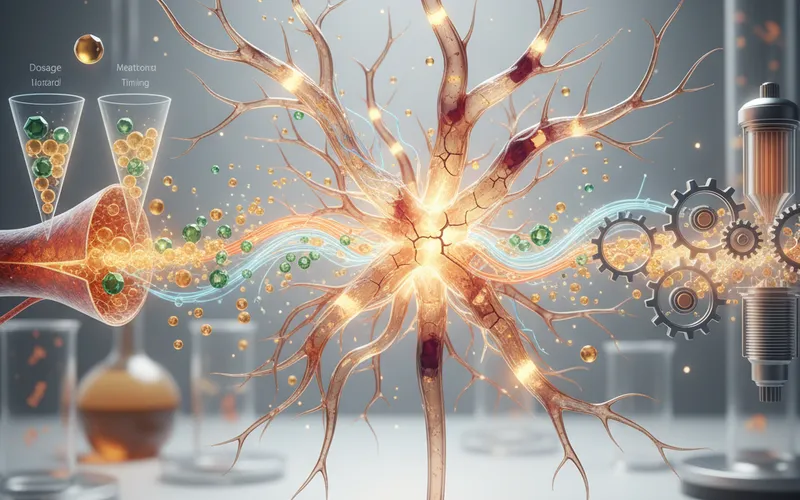
Die Studie – Was wurde untersucht und warum betrifft dich das?
Stell dir vor, dein Gehirn – das komplexeste Organ deines Körpers, das deine Gedanken, Gefühle und jede Bewegung steuert – erleidet eine schwere Verletzung. Plötzlich kämpft es nicht nur mit dem Trauma selbst, sondern auch mit Entzündungen, einem gestörten Stoffwechsel und einem enormen Energiebedarf. In dieser kritischen Phase ist die Frage, wie wir dieses Gehirn am besten unterstützen können, von entscheidender Bedeutung. Genau dieser Thematik widmet sich eine neue und sehr umfassende Übersichtsarbeit von einem internationalen Forschungsteam um Yaseen M. Arabi, C. Stoppe und weiteren renommierten Experten.
Diese Studie, die voraussichtlich im März 2026 im renommierten Journal Intensive Care Medicine erscheinen wird, fasst den aktuellen Stand der Wissenschaft zur Ernährung von neurokritisch kranken Patientinnen und Patienten zusammen. Die Forschenden wollten verstehen, wie Nährstoffe, deren Dosis, der Zeitpunkt der Verabreichung und die Überwachung der Therapie die Genesung nach Hirnverletzungen beeinflussen. Sie haben sich angesehen, wie sich die Pathophysiologie des Gehirns nach einer Verletzung verändert, welche metabolischen Phasen es durchläuft und welche individualisierten Ernährungsstrategien sich daraus ableiten lassen.
Die gesunde Hirnmasse verbraucht bereits bis zu 25 Prozent des gesamten Ruheenergiebedarfs deines Körpers. Nach einer Verletzung steigt dieser Bedarf oft drastisch an, während gleichzeitig Entzündungsprozesse toben und der Glukosestoffwechsel entgleist. Die Übersichtsarbeit diskutiert, dass die enterale Ernährung – also die Zufuhr von Nährstoffen über den Verdauungstrakt, oft per Sonde – der bevorzugte Weg ist. Eine frühe, niederdosierte Einleitung innerhalb von 24 bis 48 Stunden nach der Verletzung wird generell empfohlen. Die Forschenden betonen jedoch, dass häufige Barrieren wie Fütterungsintoleranz, Aspirationsrisiko und eine gestörte Magen-Darm-Motilität diese Therapie erschweren können. Parenterale Ernährung (Nährstoffe direkt in die Blutbahn) kann eine Alternative sein, wenn die enterale Ernährung nicht ausreicht oder kontraindiziert ist. Interessanterweise zeigen Studien an allgemeinen Intensivpatienten, dass eine zu frühe und zu aggressive parenterale Ernährung sogar schädlich sein kann, was im neurokritischen Bereich noch genauer untersucht werden muss.
Die Studie erörtert auch die Bedeutung des Zeitpunkts des Ernährungsbeginns, die richtige Dosis von Energie und Proteinen, die Supplementierung von Mikronährstoffen und die metabolische Überwachung mittels indirekter Kalorimetrie. Aktuelle Studien stellen traditionelle Zielwerte in Frage, was die Notwendigkeit einer kontinuierlichen Anpassung der Ernährungstherapie unterstreicht.
Quelle: Arabi YM, Stoppe C, Casaer MP, Ridley EJ, Reignier J, Al-Dorzi HM, Annoni F, Preiser JC (2026). Feeding the injured brain: nutrients, dose, timing, and monitoring. Intensive care medicine. PubMed-ID: 41801269
Was heisst das wirklich? – Die kritische Einordnung
Diese Übersichtsarbeit ist ein wertvolles Dokument, da sie die komplexe Materie der Ernährung bei Hirnverletzungen für Fachleute aufbereitet. Doch was bedeuten diese Erkenntnisse für dich, wenn du oder jemand, den du kennst, betroffen ist? Zunächst einmal ist es wichtig zu verstehen, dass es sich hier um eine Übersichtsarbeit handelt. Das bedeutet, die Autoren haben eine Vielzahl bestehender Studien analysiert und zusammengefasst, anstatt eine eigene, neue Untersuchung durchzuführen. Der Vorteil ist eine breite Perspektive; der Nachteil ist, dass die Qualität der Empfehlungen stark von der Qualität der zugrundeliegenden Einzelstudien abhängt.
Die Studie betont die Wichtigkeit einer individualisierten Strategie. Das ist entscheidend: Es gibt keine Einheitslösung, denn jeder Hirnverletzung ist anders, und jeder Mensch reagiert anders. Wenn die Studie von «generell empfohlenen» Zeitpunkten oder Dosen spricht, sind das Durchschnittswerte. Du bist aber kein Durchschnitt. Für dich persönlich kann der optimale Zeitpunkt oder die optimale Dosis variieren, abhängig von deinem spezifischen Zustand, deinen Vorerkrankungen und deiner individuellen Reaktion auf die Therapie.
Die Unterscheidung zwischen harten Endpunkten (wie Überleben oder funktionelle Genesung) und Surrogatparametern (wie Laborwerte oder Stoffwechselaktivität) ist hier besonders relevant. Während die Studie detailliert auf metabolische Veränderungen eingeht, ist der ultimative Erfolg der Ernährungstherapie die verbesserte Genesung des Patienten. Es ist eine Stärke der Studie, dass sie diese Komplexität berücksichtigt und die Notwendigkeit einer ganzheitlichen Betrachtung hervorhebt.
Eine weitere Stärke ist die Betonung der frühen enteralen Ernährung. Das ist ein Paradigmenwechsel der letzten Jahrzehnte, weg von «NPO» (nothing per os) hin zu einer aktiven Unterstützung des Darms, der oft als «zweites Gehirn» bezeichnet wird. Die Grenzen liegen in der Komplexität der Patientengruppe: Neurokritisch kranke Patienten sind äusserst fragil, und die Risiken (z.B. Aspiration bei gestörtem Schluckreflex) sind real. Die Studie macht deutlich, dass ein sorgfältiges Abwägen und Monitoring unerlässlich sind.
Denkwerkzeug: Wenn du von einer medizinischen Empfehlung hörst, die auf «Durchschnittswerten» basiert, frage dich: Wie ähnlich bin ich den Studienteilnehmern, auf denen diese Empfehlung beruht? Gibt es Aspekte meiner persönlichen Situation, die eine Abweichung vom Durchschnitt sinnvoll machen könnten?
Der Geist im Körper – Die psychophysiologische Perspektive
Dies ist der Punkt, an dem die meisten rein medizinischen Studien – und auch diese Übersichtsarbeit – an ihre Grenzen stossen. Sie konzentrieren sich verständlicherweise auf physiologische Parameter, biochemische Prozesse und messbare Ergebnisse. Doch gerade bei Hirnverletzungen ist die psychophysiologische Dimension von überragender Bedeutung, auch wenn sie in einem solchen Review kaum explizit erwähnt wird.
Die Psyche spielt hier eine mehrfache Rolle. Erstens: Stress und Trauma. Eine schwere Hirnverletzung ist ein immenses Trauma, nicht nur physisch, sondern auch psychisch. Der massive Stress, den der Körper und Geist erleben, führt zu einer Aktivierung der Stressachsen (Hypothalamus-Hypophysen-Nebennierenrinde-Achse) und einer Ausschüttung von Stresshormonen wie Cortisol. Diese Hormone beeinflussen massiv den Stoffwechsel, die Entzündungsreaktion und die Immunfunktion – alles Faktoren, die auch in der Studie als kritisch für die Genesung genannt werden. Ein Patient, der psychisch extrem gestresst ist, wird Nährstoffe anders verarbeiten und verwerten als ein Patient, der sich – so gut es geht – in einem Zustand der inneren Ruhe befindet.
Zweitens: Erwartungshaltung und Placebo/Nocebo-Effekte. Auch wenn ein Patient nach einer Hirnverletzung oft nicht voll ansprechbar ist, spielen die Erwartungen des medizinischen Personals und der Angehörigen eine Rolle. Die Überzeugung, dass eine Therapie (in diesem Fall die Ernährung) wirksam und hilfreich ist, kann subtile, aber messbare physiologische Effekte haben. Umgekehrt kann Angst oder Pessimismus die Genesung behindern. Auch wenn die Ernährung über eine Sonde verabreicht wird, beeinflusst die gesamte Atmosphäre und die innere Haltung des Umfelds den Genesungsprozess, der wiederum physiologische Reaktionen auslösen kann.
Drittens: Motivation und Compliance nach der Akutphase. Sobald der Patient wieder bewusster ist und selbst essen kann, werden Motivation und die innere Überzeugung, etwas Gutes für sich zu tun, entscheidend. Wenn die Ernährung als Last oder Bestrafung empfunden wird, beeinflusst das die Verdauung und Verwertung. Das «Wie» der Nahrungsaufnahme – mit Genuss, mit Dankbarkeit, in Ruhe – kann physiologisch einen Unterschied machen, der weit über die reinen Kalorien hinausgeht.
Es ist gut denkbar, dass die psychische Verfassung des Patienten, seine Stressantwort und die Qualität der emotionalen Unterstützung, die er erhält, einen signifikanten Einfluss darauf haben, wie gut die zugeführten Nährstoffe vom verletzten Gehirn verarbeitet und zur Regeneration genutzt werden können. Diese Aspekte werden in einer medizinischen Übersichtsarbeit naturgemäss nicht erfasst, sind aber aus psychophysiologischer Sicht untrennbar mit dem Genesungsprozess verbunden.
Der grössere Kontext – Einordnung und Abhängigkeiten
Diese Übersichtsarbeit ist ein wichtiges Puzzleteil im immer komplexer werdenden Bild der Intensivmedizin. Sie bestätigt viele bestehende Erkenntnisse bezüglich der Bedeutung einer frühen und adäquaten Ernährung, wirft aber auch neue Fragen auf, insbesondere hinsichtlich der optimalen Dosis und des Timings der parenteralen Ernährung. Die Tatsache, dass sie in einem führenden Journal wie Intensive Care Medicine veröffentlicht wird und von einem internationalen Team mit Forschenden aus Saudi-Arabien, Deutschland, Belgien, Australien und Frankreich verfasst wurde, unterstreicht ihre Relevanz und den multidisziplinären Ansatz des Themas.
Interessenskonflikte werden in der Regel von den Autoren offengelegt. In der Regel haben solche Übersichtsarbeiten keine direkten kommerziellen Interessen, da sie bestehende Daten zusammenfassen. Die Finanzierung der einzelnen Studien, die in die Übersicht eingeflossen sind, kann jedoch variieren und sollte bei der Interpretation berücksichtigt werden.
Was oft nicht kontrolliert werden kann, aber die Ergebnisse stark beeinflusst, sind eine Vielzahl von Lebensstilfaktoren vor der Verletzung (z.B. chronische Krankheiten, Mangelernährung, Drogenkonsum) sowie die individuelle genetische Veranlagung. Auch die Qualität der allgemeinen Intensivpflege, die nicht direkt ernährungsbezogen ist, spielt eine grosse Rolle. Eine Studie kann nicht alles abbilden, und das ist auch nicht ihr Anspruch. Aber für den Leser ist es wichtig zu wissen, dass die Ernährung nur ein – wenn auch sehr wichtiger – Faktor in einem komplexen System ist.
Denkwerkzeug: Wenn du eine neue Studie siehst, die eine klare Empfehlung ausspricht, frage dich: Welche anderen Faktoren, die in der Studie nicht berücksichtigt wurden, könnten das Ergebnis in meinem persönlichen Fall beeinflussen? Reicht diese einzelne Information aus, um eine Entscheidung zu treffen, oder brauche ich mehr Kontext?
Was heisst das für dich? – Fazit und Alltagsrelevanz
Die Erkenntnisse dieser Übersichtsarbeit sind für dich als gesundheitsbewussten Menschen indirekt, aber dennoch bedeutsam. Auch wenn du hoffentlich nie eine schwere Hirnverletzung erleidest, kannst du daraus wichtige Prinzipien für den Erhalt deiner Hirngesundheit ableiten:
- Nährstoffe sind entscheidend: Dein Gehirn benötigt eine konstante Zufuhr von qualitativ hochwertigen Nährstoffen, um optimal zu funktionieren. Das gilt im Alltag und erst recht in Stresssituationen oder bei Verletzungen. Eine ausgewogene Ernährung mit ausreichend Proteinen, gesunden Fetten und Mikronährstoffen ist die beste Prävention.
- Darmgesundheit ist Hirngesundheit: Die Betonung der enteralen Ernährung unterstreicht die Wichtigkeit eines funktionierenden Verdauungssystems. Eine gesunde Darmflora und eine intakte Darmbarriere (Stichwort «Leaky Gut») sind grundlegend für die Aufnahme von Nährstoffen und die Reduktion von Entzündungen, die auch im Gehirn Schaden anrichten können.
- Frühzeitige und angepasste Unterstützung: Im Falle eines Traumas ist eine schnelle und massgeschneiderte Unterstützung entscheidend. Auch wenn dies primär eine Aufgabe der Intensivmedizin ist, erinnert es uns daran, wie wichtig es ist, auf die ersten Anzeichen von Problemen zu achten und frühzeitig zu handeln.
Was du daraus NICHT schliessen solltest: Diese Studie ist kein Freifahrtschein für die Selbstmedikation mit Supplementen nach einer Kopfverletzung. Die hier diskutierten Therapien werden unter strengster medizinischer Aufsicht auf der Intensivstation durchgeführt. Eine Überinterpretation der Ergebnisse könnte zu schädlichen Praktiken führen. Immer gilt: Bei gesundheitlichen Problemen konsultiere medizinisches Fachpersonal.
Für wen ist das besonders relevant? Für alle, die sich für die Schnittstelle zwischen Körper und Geist interessieren und verstehen wollen, wie tiefgreifend unser Stoffwechsel und unsere Psyche miteinander verbunden sind. Es ist eine Erinnerung daran, dass Gesundheit ein ganzheitliches Konzept ist.
Dein Körper reagiert nicht nur auf das, was du isst, sondern auch auf das, was du denkst und fühlst. Das psychophysiologische Interaktionsmodell zeigt uns, dass optimale Ernährung nur dann ihre volle Wirkung entfalten kann, wenn auch der Geist in einem Zustand ist, der Heilung und Regeneration fördert. Welche Rolle spielen Stressmanagement, Achtsamkeit und positive Erwartungen bei der Genesung nach einer Hirnverletzung? Das ist eine spannende Frage für zukünftige Forschung.
Bleib neugierig, achtsam und nähre dein Gehirn – sowohl mit guten Nährstoffen als auch mit positiven Gedanken.