Sportverletzungen und Epigenetik: Wie Nahrungsergänzungsmittel deine Gene beeinflussen können
Verletzungen im Sport sind frustrierend. Eine neue Übersichtsarbeit beleuchtet, wie epigenetisch wirksame Nährstoffe wie Omega-3 oder Vitamin D die Genexpression beeinflussen und so die Heilung von Muskeln und Gelenken unterstützen könnten. Erfahre, was das für dich bedeutet und wo die Grenzen der Forschung liegen.
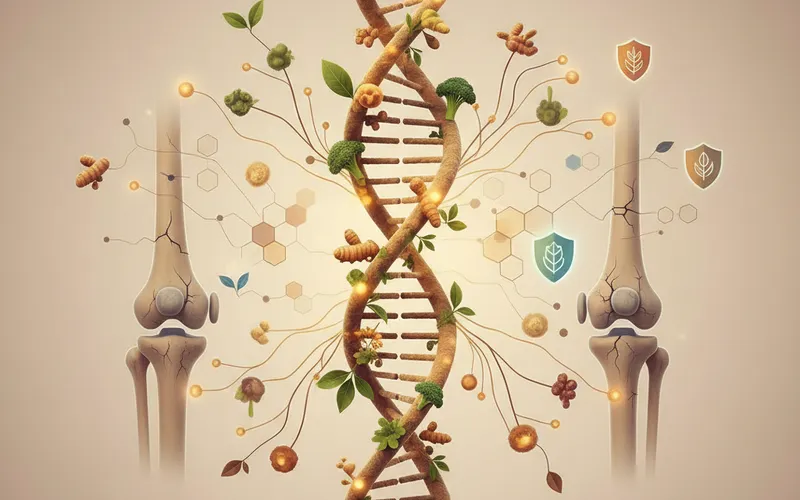
Die Studie – Was wurde untersucht und warum betrifft dich das?
Stell dir vor, du bist topfit, trainierst regelmässig, und dann passiert es: Eine Sportverletzung zwingt dich zu einer Pause. Der Heilungsprozess kann langwierig und frustrierend sein. Während wir oft an Biomechanik oder reine Genetik denken, wenn es um Verletzungsrisiken und Heilung geht, gibt es einen weiteren, faszinierenden Einflussfaktor: die Epigenetik. Das ist die Wissenschaft von den Mechanismen, die bestimmen, welche deiner Gene aktiv sind und welche nicht – ohne die DNA-Sequenz selbst zu verändern.
Eine neue narrative Übersichtsarbeit von Agnieszka Leońska-Duniec von der Universität für Sport und Sportwissenschaft in Danzig, Polen, hat sich genau diesem Thema gewidmet. Sie untersuchte, wie sogenannte "epigenetisch aktive" Nahrungsergänzungsmittel die Genexpression beeinflussen und damit möglicherweise das Risiko von Sportverletzungen oder den Heilungsprozess beeinflussen können. Die zentrale Frage war: Können Nährstoffe, die wir über Nahrungsergänzungsmittel aufnehmen, unsere Gene so beeinflussen, dass sie uns widerstandsfähiger gegen Verletzungen machen oder die Heilung beschleunigen?
Für diese Arbeit wurden gezielte Suchen in wissenschaftlichen Datenbanken wie PubMed, Scopus und Web of Science durchgeführt. Die Autorin konzentrierte sich auf Studien, die zwischen 2000 und 2026 veröffentlicht wurden und sich mit Epigenetik, Verletzungen, Bewegung und Nahrungsergänzungsmitteln befassten, wobei der Schwerpunkt auf mechanistischen und translationalen Erkenntnissen lag. Im Fokus standen dabei Nährstoffe wie Methylspender (z.B. Folsäure, B12), Polyphenole, Omega-3-Fettsäuren, Vitamin D und redoxaktive Nährstoffe, also solche, die an Oxidations-Reduktions-Prozessen beteiligt sind.
Die Ergebnisse zeigen, dass diese Verbindungen tatsächlich molekulare Mechanismen beeinflussen können, die an der Erholung des Bewegungsapparates beteiligt sind. Es gibt also eine plausible Verbindung auf zellulärer Ebene. Allerdings – und das ist ein wichtiger Punkt – stammen die meisten menschlichen Daten aus peripheren Geweben und indirekten molekularen Markern. Eine klare Verbindung zu klinisch bedeutsamen Verletzungsergebnissen wie der Häufigkeit von Verletzungen, deren Schweregrad oder der Zeit bis zur Rückkehr zum Sport ist bisher nur begrenzt vorhanden. Die Autorin schlussfolgert daher, dass diese Nährstoffe eher als Modulatoren der erholungsbezogenen Biologie denn als direkte therapeutische Mittel zu betrachten sind.
*Quelle: Leońska-Duniec A (2026). Epigenetically Active Supplements and the Risk of Sports Injuries: Narrative Review from Molecular Mechanisms to Practical Implications. Nutrients, 18(5):762. PubMed-ID: 41829930*Was heisst das wirklich? – Die kritische Einordnung
Diese Übersichtsarbeit öffnet eine spannende Tür zur epigenetischen Dimension von Sportverletzungen und Erholung. Die Idee, dass unsere Ernährung unsere Genaktivität so beeinflussen kann, dass wir schneller heilen oder robuster werden, ist faszinierend. Aber was bedeutet das genau für dich?
Die Studie hebt hervor, dass die untersuchten Nahrungsergänzungsmittel auf molekularer Ebene wirken können. Das heisst, sie beeinflussen Prozesse in deinen Zellen, die für die Gewebsanpassung und -reparatur wichtig sind. Das ist eine starke methodische Stärke dieser Arbeit: Sie beleuchtet die grundlegenden Mechanismen, die hinter der potenziellen Wirkung stehen könnten. Wir sprechen hier nicht von einem vagen Gefühl, sondern von konkreten Veränderungen in der Genexpression.
Doch die Einschränkungen sind ebenso wichtig. Die Autorin weist darauf hin, dass die menschlichen Daten hauptsächlich aus peripheren Geweben stammen – also zum Beispiel aus Blutzellen, die nicht direkt das verletzte Muskel- oder Knochengewebe widerspiegeln. Zudem werden oft indirekte molekulare Marker gemessen, nicht aber direkte klinische Verbesserungen. Das bedeutet, dass wir zwar sehen können, wie ein Nährstoff die Aktivität eines bestimmten Gens verändert, aber wir wissen noch nicht mit Sicherheit, ob diese Veränderung tatsächlich dazu führt, dass du weniger Verletzungen hast oder schneller wieder auf dem Spielfeld stehst. Der Unterschied zwischen «statistisch signifikant» (eine molekulare Veränderung ist nachweisbar) und «klinisch bedeutsam» (diese Veränderung hat einen spürbaren positiven Effekt auf deine Gesundheit) ist hier entscheidend.
Die Studie ist eine narrative Übersichtsarbeit, was bedeutet, dass sie bestehende Forschung zusammenfasst und interpretiert, aber keine neuen Daten generiert. Das ist wertvoll, um den aktuellen Stand des Wissens zu überblicken, ersetzt aber nicht die Notwendigkeit von grossen, randomisierten kontrollierten Studien, die direkt die Wirkung von Nahrungsergänzungsmitteln auf Verletzungshäufigkeit und Heilungsdauer messen. Für wen gelten diese Ergebnisse? Im Moment primär für Forschende, die ein Bild davon bekommen, welche epigenetischen Pfade relevant sein könnten, und für dich als Sportler, der ein grundlegendes Verständnis dafür entwickeln möchte, wie tiefgreifend Ernährung wirken kann.
Denkwerkzeug: Wenn du eine neue Studie über Nahrungsergänzungsmittel liest, frage dich immer: Wurde hier eine Veränderung im Labor gemessen, oder wurde ein konkreter Nutzen für die Gesundheit im Alltag gezeigt?
Der Geist im Körper – Die psychophysiologische Perspektive
Hier kommen wir zu einem Punkt, der in vielen rein mechanistischen Studien oft zu kurz kommt: die untrennbare Verbindung zwischen Psyche und Physiologie. Selbst wenn ein Nahrungsergänzungsmittel epigenetisch aktiv ist und molekulare Prozesse beeinflusst, spielt deine innere Haltung eine entscheidende Rolle für dessen Wirksamkeit.
Stell dir vor, du nimmst ein Omega-3-Präparat ein, weil du glaubst, dass es dir hilft, schneller von einer Verletzung zu genesen. Allein diese Erwartung kann über den Placebo-Effekt bereits physiologische Veränderungen auslösen. Dein Körper reagiert auf das, was du glaubst, genauso wie auf das, was du einnimmst. Wenn du fest davon überzeugt bist, dass du etwas Gutes für deine Heilung tust, kann dies Stress reduzieren, die Motivation zur Rehabilitation steigern und sogar die Schmerzwahrnehmung beeinflussen – alles Faktoren, die sich direkt auf den Heilungsprozess auswirken. Ein ruhigerer Geist, weniger Grübeln über die Verletzung und eine positive Einstellung zur Genesung können die physiologischen Reparaturmechanismen deines Körpers optimieren.
Umgekehrt: Wenn du ein Supplement nimmst, aber skeptisch bist oder dich durch die Verletzung mental sehr belastet fühlst, kann selbst ein epigenetisch wirksamer Nährstoff in seiner Wirkung abgeschwächt werden. Chronischer Stress, Angst vor einer erneuten Verletzung oder eine negative Selbstwirksamkeitserwartung (der Glaube, dass du die Situation nicht kontrollieren kannst) können Entzündungsprozesse im Körper aufrechterhalten und die Heilung verlangsamen – selbst bei optimaler Nährstoffzufuhr.
Es ist gut denkbar, dass die epigenetischen Effekte dieser Nahrungsergänzungsmittel durch die psychische Verfassung des Sportlers moduliert werden. Ein Athlet, der an die Wirksamkeit seiner Strategien glaubt und mental stark ist, könnte die molekularen Vorteile dieser Nährstoffe besser nutzen als jemand, der mit Zweifeln und Ängsten kämpft. Dies ist ein Aspekt, der in rein molekularen Studien naturgemäss nicht erfasst wird, aber für dich als Mensch mit einem Körper und einem Geist von grösster Bedeutung ist.
Der grössere Kontext – Einordnung und Abhängigkeiten
Diese Übersichtsarbeit ist ein wichtiges Puzzleteil in der aufstrebenden Forschung im Bereich der Ernährungs-Epigenomik. Sie bestätigt, dass die Idee, Nährstoffe könnten unsere Gene beeinflussen, keine Science-Fiction ist, sondern auf handfesten molekularen Mechanismen beruht. Die Studie passt gut in den breiteren Kontext, dass Ernährung weit mehr ist als nur Kalorienzufuhr; sie ist eine Informationsquelle für unsere Zellen.
Die Autorin hebt hervor, dass es eine "bemerkenswerte Übersetzungslücke zwischen mechanistischer Plausibilität und klinischer Evidenz" gibt. Das bedeutet, dass wir zwar verstehen, wie etwas wirken könnte, aber noch nicht ausreichend belegen können, dass es im Alltag wirklich einen spürbaren Unterschied macht. Dies ist ein häufiges Muster in der Nährstoffforschung. Viele Studien zeigen Effekte auf Biomarker, aber der Weg zu echten Gesundheitsvorteilen ist oft länger und komplexer.
Was wurde nicht kontrolliert? In einer Übersichtsarbeit werden keine neuen Daten generiert, aber die Autorin weist auf die Notwendigkeit zukünftiger Forschung hin. Faktoren wie die individuelle genetische Ausstattung (die bestimmt, wie gut du bestimmte Nährstoffe verstoffwechselst), der allgemeine Lebensstil (Schlafqualität, Stressmanagement), das Trainingsvolumen und die Intensität der körperlichen Aktivität sind allesamt entscheidende Einflussgrössen, die die Wirkung von Nahrungsergänzungsmitteln auf Verletzungen überlagern oder verstärken können. Eine einzelne Studie oder Übersicht kann diese komplexen Wechselwirkungen nicht abbilden, aber du als Leser solltest sie im Hinterkopf behalten.
Die Studie wurde von Agnieszka Leońska-Duniec verfasst, die keine Interessenkonflikte angibt. Das ist ein positiver Aspekt, da es die Unabhängigkeit der Forschung unterstreicht und das Vertrauen in die Ergebnisse stärkt.
Denkwerkzeug: Bevor du auf Basis einer Studie dein Verhalten änderst, frage dich: Wird hier ein isolierter Effekt im Labor beschrieben oder ein ganzheitlicher, klinisch relevanter Nutzen im realen Leben? Und wie passt das zu meinem individuellen Lebensstil?
Was heisst das für dich? – Fazit und Alltagsrelevanz
Diese Übersichtsarbeit liefert einen spannenden Einblick in die Zukunft der Sporternährung und Verletzungsprävention. Auch wenn die klinische Evidenz noch nicht robust genug ist, um konkrete Empfehlungen für Nahrungsergänzungsmittel zur Verletzungsprävention oder -heilung zu geben, kannst du dennoch wichtige Erkenntnisse mitnehmen:
- Ernährung ist mehr als Kalorien: Deine Ernährung beeinflusst nicht nur deinen Energiehaushalt, sondern auch, welche Gene in deinen Zellen aktiv sind. Eine nährstoffreiche Ernährung mit ausreichend Omega-3-Fettsäuren, Vitamin D, Polyphenolen und B-Vitaminen ist essenziell für die allgemeine Gesundheit und potenziell auch für die Resilienz deines Bewegungsapparates. Sie schafft eine gute "epigenetische Grundlage".
- Supplements sind keine Wundermittel: Betrachte epigenetisch aktive Nahrungsergänzungsmittel als mögliche Modulatoren, nicht als direkte Therapeutika. Sie können biologische Prozesse unterstützen, aber sie ersetzen keine gute Rehabilitation, keinen ausreichenden Schlaf oder ein intelligentes Trainingsmanagement.
- Deine Psyche zählt: Das ist der wichtigste Punkt: Deine Einstellung, deine Erwartungen und dein Stresslevel beeinflussen massgeblich, wie dein Körper auf Verletzungen reagiert und wie schnell er heilt. Eine positive mentale Haltung, Stressmanagement und der Glaube an die Wirksamkeit deiner Heilungsstrategien können die physiologischen Prozesse unterstützen, die auch epigenetisch durch Nährstoffe beeinflusst werden.
Was solltest du NICHT daraus schliessen? Kaufe jetzt blind alle genannten Nahrungsergänzungsmittel in der Hoffnung, nie wieder eine Sportverletzung zu erleiden. Die Forschung ist hier noch am Anfang, und die individuelle Reaktion auf Supplements kann stark variieren. Höre auf deinen Körper, beobachte, wie er auf verschiedene Nährstoffe reagiert, und experimentiere mit Bedacht.
Diese Erkenntnisse sind besonders relevant für dich, wenn du aktiv Sport treibst und nach Wegen suchst, deine Gesundheit und Leistung ganzheitlich zu optimieren. Für Menschen, die wenig Sport treiben, sind diese spezifischen epigenetischen Effekte auf Sportverletzungen weniger relevant, aber die allgemeine Botschaft einer nährstoffreichen Ernährung bleibt universell.
Der psychophysiologische Gedanke zum Schluss: Dein Körper reagiert nicht nur auf das, was du isst und wie du dich bewegst, sondern auch auf das, was du denkst und fühlst. Die Epigenetik bietet eine faszinierende Brücke zwischen diesen Welten und zeigt, wie tiefgreifend dein Lebensstil – inklusive deiner mentalen Verfassung – deine biologischen Prozesse beeinflusst. Es bleibt spannend zu sehen, welche weiteren Erkenntnisse die Forschung in diesem Bereich zutage fördern wird. Bis dahin: Bleib neugierig, achtsam und vertraue auf die erstaunliche Fähigkeit deines Körpers zur Selbstheilung.