Hefe als EPA-Fabrik: Wie Biotechnologie die Omega-3-Versorgung verbessern könnte
Eine bahnbrechende Studie zeigt, wie gentechnisch veränderte Hefe das wichtige Omega-3-Fett EPA produzieren kann. Was das für die Zukunft unserer Ernährung und die Rolle individueller Bedürfnisse bedeutet, erfährst du hier.
Die Studie – Was wurde untersucht und warum betrifft dich das?
Stell dir vor, du könntest dein wichtigstes Omega-3-Fett nicht mehr nur aus Fisch oder Algen gewinnen, sondern aus einem unscheinbaren Helfer, den wir alle kennen: Hefe. Klingt nach Science-Fiction? Ist es aber nicht! Eine aktuelle Studie aus Deutschland erforscht genau diese Möglichkeit und könnte damit die Art und Weise revolutionieren, wie wir in Zukunft unsere Versorgung mit essenziellen Fettsäuren sicherstellen.
Die Wissenschaftlerinnen und Wissenschaftler vom Institute of Systems Biotechnology der Universität Saarland und dem Helmholtz Institute for Pharmaceutical Research Saarland haben sich der Frage gewidmet, wie die Bäckerhefe Yarrowia lipolytica so modifiziert werden kann, dass sie effizient Eicosapentaensäure (EPA) produziert. EPA ist eine langkettige Omega-3-Fettsäure, die für unsere Gesundheit von entscheidender Bedeutung ist – sie spielt eine Rolle bei Entzündungsprozessen, der Herz-Kreislauf-Funktion und der Gehirnleistung. Bisher gewinnen wir EPA hauptsächlich aus fettem Fisch oder Algen, was mit ökologischen Herausforderungen und begrenzten Ressourcen verbunden ist.
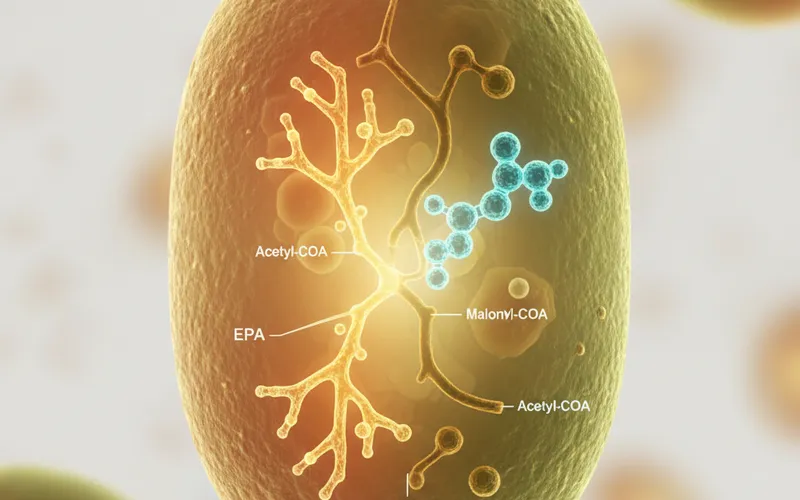
Die Forschenden konzentrierten sich dabei auf die Verfügbarkeit von Acetyl- und Malonyl-CoA, zwei Schlüsselmoleküle im Stoffwechsel der Hefe. Sie vermuteten, dass sie durch gezielte genetische Veränderungen die Produktion von EPA in der Hefe steuern und optimieren könnten. Konkret haben sie die Hefe mit Polyketidsynthase-Enzymen ausgestattet, die für die Synthese ungesättigter Fettsäuren verantwortlich sind. Das Studiendesign war also ein biotechnologischer Ansatz im Labor, bei dem die genetischen und metabolischen Wege der Hefe manipuliert wurden, um die Ausbeute an EPA zu maximieren. Die Stichprobe bestand aus verschiedenen gentechnisch veränderten Stämmen der Hefe Yarrowia lipolytica, die unter kontrollierten Bedingungen kultiviert wurden, um ihre Fähigkeit zur EPA-Produktion zu testen.
Die zentralen Ergebnisse zeigen, dass die Verfügbarkeit von Acetyl- und Malonyl-CoA tatsächlich die Selektivität der EPA-Produktion in der Hefe massgeblich beeinflusst. Durch gezielte Anpassung dieser Vorläufermoleküle konnten die Forschenden die Effizienz der EPA-Herstellung in der Hefe deutlich steigern. Dies legt den Grundstein für eine nachhaltigere und potenziell kostengünstigere Produktion von EPA, die unabhängig von marinen Quellen sein könnte.
Quelle: Qi H, Ries F, Jovanovic Gasovic S, Dietrich D, Gemperlein K, Müller R, Kohlstedt M, Wittmann C (2026). Acetyl- and malonyl-CoA availability drive EPA selectivity in polyketide synthase-engineered Yarrowia lipolytica. Microbial cell factories. PubMed-ID: 41781957
Was heisst das wirklich? – Die kritische Einordnung
Die Ergebnisse dieser Studie sind faszinierend und vielversprechend, aber es ist wichtig, sie richtig einzuordnen. Du bist kein Hefepilz, und was im Labor funktioniert, muss nicht morgen schon auf deinem Teller liegen. Die Studie liefert einen wichtigen Nachweis, dass die biotechnologische Produktion von EPA in Hefe prinzipiell möglich und optimierbar ist. Das ist ein grosser Schritt in der Grundlagenforschung.
Du bist kein Durchschnitt. Die Studie misst die Effizienz der EPA-Produktion in Hefestämmen unter Laborbedingungen. Das sind harte Endpunkte für die Biotechnologie – wie viel EPA kann ein bestimmter Hefestamm unter optimalen Bedingungen herstellen. Für dich als Mensch sind das aber noch keine harten Endpunkte im Sinne von Gesundheit oder Wohlbefinden. Ein hohes Mass an EPA in einer Hefe bedeutet nicht automatisch, dass du die gleiche Menge EPA aufnimmst oder dass es die gleiche positive Wirkung hat wie EPA aus anderen Quellen. Die Bioverfügbarkeit und die Integration in den menschlichen Stoffwechsel sind noch nicht Teil dieser Untersuchung.
Die methodischen Stärken der Studie liegen in der präzisen gentechnischen Modifikation und der detaillierten Analyse der Stoffwechselwege. Die Forschenden haben klar gezeigt, welche molekularen Schalter sie umlegen müssen, um die EPA-Produktion zu optimieren. Die Grenzen liegen jedoch darin, dass es sich um eine Laborstudie handelt. Sie wurde nicht am Menschen oder Tier durchgeführt und sagt nichts über die Sicherheit, Verträglichkeit oder Bioverfügbarkeit der so gewonnenen EPA für den menschlichen Verzehr aus. Auch Fragen der Skalierbarkeit für die industrielle Produktion sind noch offen.
Für wen gelten die Ergebnisse? Im Moment gelten sie für biotechnologisch interessierte Wissenschaftler und Unternehmen, die an der Entwicklung neuer Produktionsmethoden für Omega-3-Fettsäuren arbeiten. Für dich als Endverbraucher sind die Ergebnisse noch nicht direkt relevant, aber sie zeigen eine vielversprechende zukünftige Möglichkeit auf.
Denkwerkzeug: Wenn du von einer neuen Technologie hörst, die ein Nahrungsergänzungsmittel oder einen Nährstoff produziert – frag dich immer: Ist das Produkt aus dieser neuen Quelle chemisch identisch mit dem natürlichen Produkt? Und noch wichtiger: Wie verhält es sich im menschlichen Körper? Gibt es bereits Studien zur Bioverfügbarkeit und Wirkung am Menschen?
Der Geist im Körper – Die psychophysiologische Perspektive
Diese Studie konzentriert sich auf die biotechnologische Produktion eines Nährstoffs, und auf den ersten Blick scheint der psychophysiologische Aspekt weit entfernt. Doch selbst hier können wir die Brücke schlagen. Denk mal darüber nach, wie unsere Erwartungen und Überzeugungen die Wahrnehmung und Wirkung von Nahrungsmitteln und Supplementen beeinflussen. Wenn du ein Omega-3-Supplement einnimmst, spielt nicht nur die reine chemische Zusammensetzung eine Rolle, sondern auch deine innere Haltung dazu.
- Placebo-/Nocebo-Effekte: Wenn in Zukunft EPA aus Hefe auf den Markt kommt, werden die PR und das Marketing eine grosse Rolle spielen. Wird es als "natürlich" oder "künstlich" wahrgenommen? Die Überzeugung, etwas Gutes und Reines zu sich zu nehmen, kann die subjektive Wirkung des Supplements verstärken – ein klassischer Placebo-Effekt. Umgekehrt kann die Skepsis gegenüber "gentechnisch hergestellten" Produkten einen Nocebo-Effekt hervorrufen, selbst wenn das Produkt objektiv sicher und wirksam ist.
- Stress und Nährstoffbedarf: Chronischer Stress, Ängste und emotionale Belastungen können unseren Bedarf an bestimmten Nährstoffen erhöhen und die Aufnahme sowie Verwertung beeinflussen. EPA ist bekannt für seine entzündungshemmenden Eigenschaften, die bei stressbedingten Entzündungen im Körper von Bedeutung sein können. Wenn du also unter hohem Stress leidest, könnte dein Körper möglicherweise mehr EPA benötigen, um die Balance zu halten – unabhängig davon, woher dieses EPA kommt. Die psychische Verfassung beeinflusst also den physiologischen Bedarf und die Reaktion auf Nährstoffe.
- Motivation und Compliance: Auch die Motivation, ein Supplement regelmässig einzunehmen, hängt stark von der individuellen Überzeugung und dem Vertrauen in das Produkt ab. Wenn eine nachhaltige und ethisch vertretbare Produktionsmethode wie die Hefe-Synthese das Vertrauen der Konsumenten stärkt, kann dies die Compliance erhöhen und somit indirekt die Wirksamkeit verbessern, weil das Supplement konsistenter eingenommen wird.
Es ist gut denkbar, dass die Akzeptanz einer solchen biotechnologisch gewonnenen EPA stark von der Kommunikation und der Aufklärung abhängt. Ein Aspekt, der in dieser reinen Laborstudie natürlich nicht erfasst wurde, aber für die spätere Anwendung von grosser Bedeutung sein wird.
Der grössere Kontext – Einordnung und Abhängigkeiten
Diese Studie ist ein kleines, aber wichtiges Puzzleteil in der grösseren Anstrengung, unsere Nahrungsmittelsysteme nachhaltiger zu gestalten. Die Abhängigkeit von Fisch als EPA-Quelle ist ökologisch problematisch – Überfischung und die Belastung der Meere mit Schwermetallen und Mikroplastik sind ernste Themen. Biotechnologische Ansätze wie die Hefe-Produktion bieten hier eine vielversprechende Alternative.
Die Studie bestätigt die Machbarkeit der Produktion von Omega-3-Fettsäuren durch Mikroorganismen, ein Forschungsfeld, das seit Jahren an Bedeutung gewinnt. Sie ist kein Ausreisser, sondern eine Weiterentwicklung bestehender Erkenntnisse und Technologien. Andere Studien haben bereits die Produktion von Omega-3-Fettsäuren in Algen oder anderen Mikroorganismen untersucht. Diese Arbeit hier fokussiert sich detailliert auf die Optimierung der Stoffwechselwege in Yarrowia lipolytica, was sie zu einem wertvollen Beitrag macht.
Die Finanzierung der Studie ist nicht explizit genannt, aber die Autoren sind an renommierten deutschen Forschungseinrichtungen tätig. Ein potenzieller Interessenkonflikt ist jedoch die eingereichte Patentanmeldung der Autoren im Zusammenhang mit dieser Forschung. Das ist üblich und legitim in der biotechnologischen Entwicklung, aber es ist wichtig, dies als Kontextinformation zu wissen. Es zeigt, dass hier nicht nur Grundlagenforschung betrieben, sondern auch an einer kommerziellen Verwertung gearbeitet wird.
Was wurde nicht kontrolliert? In dieser Laborstudie wurden natürlich keine Lebensstilfaktoren wie Ernährung, Bewegung oder Stress der "Hefe-Teilnehmer" kontrolliert – diese sind in einem solchen Kontext irrelevant. Aber für die spätere Anwendung am Menschen muss bedacht werden, dass viele Faktoren die Aufnahme und Verwertung von EPA beeinflussen können. Eine Studie allein ist nie die ganze Wahrheit; sie ist immer ein Schritt auf einem längeren Weg.
Denkwerkzeug: Wenn du eine neue Technologie siehst, die ein bestehendes Problem lösen will – frag dich: Löst sie wirklich das Kernproblem oder nur ein Symptom? Und welche neuen Fragen oder Herausforderungen könnten sich aus dieser Lösung ergeben? Ist die Hefe-EPA wirklich nachhaltiger als Algen-EPA, oder nur eine andere Form der Produktion?
Was heisst das für dich? – Fazit und Alltagsrelevanz
Diese Studie ist ein spannender Blick in die Zukunft der Nährstoffproduktion. Was kannst du daraus mitnehmen?
- Nachhaltigkeit im Blick: Es ist ermutigend zu sehen, wie die Wissenschaft an nachhaltigen Alternativen zur Gewinnung wichtiger Nährstoffe arbeitet. Wenn du Wert auf ökologisch vertretbare Produkte legst, könnten solche biotechnologischen Ansätze in Zukunft eine gute Option für dich sein, um deinen Omega-3-Bedarf zu decken.
- Nährstoff ist nicht gleich Nährstoff: Auch wenn EPA chemisch identisch ist, egal ob aus Fisch, Algen oder Hefe, können die Wahrnehmung und die damit verbundenen Erwartungen einen Unterschied machen. Achte auf deine innere Haltung gegenüber neuen Nahrungsmitteln oder Supplementen.
- Individuelle Diagnostik bleibt König: Unabhängig von der Quelle deines EPA ist es entscheidend, dass deine individuelle Versorgung optimal ist. Pauschale Empfehlungen sind schwierig. Eine umfassende Diagnostik – beispielsweise über Blutanalysen, die deinen Omega-3-Index bestimmen – gibt dir Klarheit, ob du überhaupt einen zusätzlichen Bedarf hast. Dein Körper reagiert einzigartig, und nur du weisst, was für dich am besten funktioniert.
Was solltest du NICHT daraus schliessen? Du solltest nicht erwarten, dass morgen schon Hefe-EPA-Kapseln in deiner Apotheke liegen. Es ist noch ein weiter Weg von der Laborbank zur Marktreife. Und du solltest auch nicht glauben, dass diese Technologie alle Probleme der Omega-3-Versorgung löst. Die gesamte Ernährung und der Lebensstil spielen immer eine Rolle.
Für wen ist das besonders relevant? Für Menschen, die sich vegan oder vegetarisch ernähren und nach ethisch vertretbaren Omega-3-Quellen suchen, könnte dies eine spannende Entwicklung sein. Auch für alle, die sich Gedanken über die Umweltfolgen der Fischerei machen, bietet diese Forschung eine Perspektive. Für dich ist es ein weiteres Beispiel dafür, dass Gesundheit immer ein Zusammenspiel von Körper und Geist ist. Dein Körper reagiert nicht nur auf das, was du isst – sondern auch auf das, was du denkst und fühlst, und wie du über die Herkunft deiner Nährstoffe denkst.
Welche Fragen bleiben offen? Wie hoch sind die Produktionskosten im industriellen Massstab? Wie wird die Akzeptanz der Verbraucher sein? Und welche weiteren gesundheitlichen Vorteile oder potenziellen Risiken gibt es bei der langfristigen Einnahme von Hefe-produziertem EPA? Die Forschung geht weiter, und es bleibt spannend, wie sich diese innovative Technologie entwickeln wird. Bleib neugierig und informier dich kritisch!