Entzündung bei chronischer Gliedmassen-Ischämie: Eine unterschätzte Gefahr
Chronische Gliedmassen-Ischämie (CLTI) ist eine schwere Form der peripheren Arterienerkrankung. Eine neue Übersichtsarbeit beleuchtet, wie Entzündungen dabei eine zentrale Rolle spielen und welche entzündungshemmenden Ansätze zukünftig helfen könnten. Entdecke die neusten Erkenntnisse und was sie für dich bedeuten.
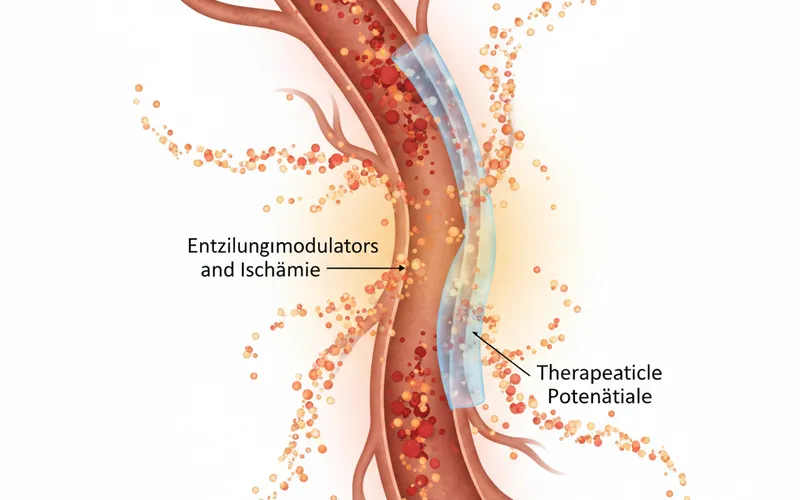
1. Die Studie – Was wurde untersucht und warum betrifft dich das?
Stell dir vor, deine Beine schmerzen bei jedem Schritt, Wunden heilen nicht mehr und die Gefahr einer Amputation droht. Das ist die Realität für Menschen mit chronischer Gliedmassen-Ischämie (CLTI), einer der schwersten Formen der peripheren Arterienerkrankung (PAD). Bei CLTI sind die Blutgefässe in den Beinen so stark verengt, dass die Versorgung mit Sauerstoff und Nährstoffen kritisch beeinträchtigt ist. Trotz Fortschritten in der Chirurgie und Medikamenten bleiben die Aussichten für Betroffene oft schlecht.
Eine aktuelle Übersichtsarbeit von Gaur A. und seinem Team, publiziert in den Annals of Medicine and Surgery, hat sich genau diesem Problem gewidmet. Die Forschenden aus verschiedenen Institutionen weltweit, darunter das Yeovil District Hospital in Grossbritannien und die University College Hospital in Nigeria, wollten verstehen, welche Rolle chronische Entzündung bei CLTI spielt und welche entzündungsmodulierenden Substanzen therapeutisches Potenzial haben könnten. Sie haben dafür eine umfassende Literaturrecherche in medizinischen Datenbanken wie PubMed, Scopus und Google Scholar durchgeführt, um Studien aus den Jahren 1990 bis 2025 zu identifizieren, die sich mit Entzündungen bei Atherosklerose und Gliedmassen-Ischämie beschäftigen.
Das Studiendesign war eine narrative Übersichtsarbeit, was bedeutet, dass die Autoren die vorhandene Literatur zusammengetragen und interpretiert haben, anstatt selbst neue Daten zu erheben. Sie suchten nach Originalstudien, klinischen Studien, systematischen Übersichten und relevanten Leitlinien. Die zentralen Ergebnisse zeigen, dass Entzündung ein entscheidender Faktor bei der Entstehung und dem Fortschreiten von CLTI ist. Mehrere entzündungshemmende Substanzen wurden beleuchtet:
- Colchicin: Dieses Medikament zeigte in grossen Studien und retrospektiven PAD-Studien signifikante Reduktionen schwerwiegender unerwünschter kardiovaskulärer Ereignisse, obwohl es noch keine randomisierten kontrollierten Studien (RCTs) speziell für CLTI gibt.
- Canakinumab: Bei PAD-Patienten reduzierte es Entzündungsbiomarker und verbesserte die Gehfähigkeit, hatte aber keinen Einfluss auf das Fortschreiten von Plaque.
- Methotrexat: Eine Studie zeigte keinen kardiovaskulären Nutzen.
- NLRP3-Inflammasom-Hemmer (z.B. MCC950): Diese präklinischen Substanzen zeigten entzündungshemmende Effekte, es fehlen jedoch noch Daten am Menschen.
- Nutraceuticals: Omega-3-Fettsäuren und Polyphenole könnten als ergänzende Massnahmen Vorteile bieten.
Die Studie hebt hervor, dass Entzündung ein vielversprechendes therapeutisches Ziel bei CLTI darstellt. Doch die Suche nach effektiven und sicheren entzündungsmodulierenden Medikamenten ist noch im Gange.
Quelle: Gaur A, Dike P, Mayowa T, Mekowulu FC, Abdulkader A, Rao MS, Shola A, Ajala P, Oluwatobi O, Abraham IC, Kokori E, Olatunji G, Aderinto N (2025). Inflammation-modulating agents in chronic limb-threatening ischemia: a narrative review of therapeutic potential and future directions. Ann Med Surg (Lond), 88(3):2298-2311. PubMed-ID: 41789236
Diese Ergebnisse zeigen uns, dass wir uns nicht nur auf die Symptome konzentrieren, sondern auch die zugrundeliegenden Prozesse verstehen müssen. Aber was bedeuten diese Erkenntnisse wirklich für dich, abseits der Laborwerte und komplizierten Fachbegriffe?
2. Was heisst das wirklich? – Die kritische Einordnung
Die Übersichtsarbeit von Gaur et al. liefert einen wertvollen Überblick über den aktuellen Stand der Forschung zur Rolle der Entzündung bei CLTI. Es ist wichtig zu verstehen, dass es sich hier um eine narrative Übersicht handelt – sie fasst vorhandenes Wissen zusammen und identifiziert Forschungslücken, generiert aber keine neuen Daten. Das ist eine Stärke, da sie einen breiten Überblick ermöglicht, aber auch eine Grenze, da die Qualität der inkludierten Einzelstudien variieren kann.
Du bist kein Durchschnitt. Die Studie spricht von signifikanten Reduktionen kardiovaskulärer Ereignisse bei Colchicin oder verbesserten Gehfähigkeiten bei Canakinumab. Solche Aussagen basieren auf Durchschnittswerten grosser Patientengruppen. Was für den Durchschnitt gilt, muss noch lange nicht für jeden Einzelnen zutreffen. Eine statistische Signifikanz bedeutet, dass ein Effekt wahrscheinlich nicht zufällig ist, aber nicht unbedingt, dass er klinisch bedeutsam ist oder für dich persönlich eine grosse Veränderung mit sich bringt. Ein kleiner p-Wert ist wichtig für die Forschung, sagt aber nichts über die individuelle Relevanz aus.
Was wurde wirklich gemessen? Die Autoren sprechen von reduzierten Entzündungsbiomarkern oder Verbesserungen der Gehfähigkeit. Das sind wichtige Parameter, aber es sind oft Surrogatparameter. Ein verbesserter Laborwert ist ein vielversprechender Hinweis, aber das ultimative Ziel ist immer eine Verbesserung der Lebensqualität, eine Reduktion der Amputationsrate oder eine Verlängerung der Lebensdauer – also harte Endpunkte. Die Studie erwähnt, dass Canakinumab zwar Entzündungsmarker senkte und die Gehfähigkeit verbesserte, aber keinen Effekt auf das Plaqueprogression hatte. Das ist ein wichtiger Hinweis darauf, dass das Reduzieren eines einzelnen Markers nicht immer das Gesamtproblem löst.
Methodische Stärken und Grenzen: Die Stärke dieser Arbeit liegt in ihrer umfassenden Recherche über verschiedene Datenbanken und der Zusammenfassung der vielfältigen Forschungsansätze. Sie beleuchtet sowohl etablierte Medikamente als auch präklinische Substanzen und Nutraceuticals. Eine Grenze ist jedoch, dass es für viele der vielversprechenden Ansätze, insbesondere für Colchicin, noch keine spezifischen RCTs für CLTI gibt. Die Daten stammen oft aus Studien zu breiteren kardiovaskulären Endpunkten oder zu PAD im Allgemeinen. Zudem ist die Evidenz für Nutraceuticals oft heterogen und weniger robust als für pharmazeutische Wirkstoffe.
Für wen gelten die Ergebnisse? Die Ergebnisse sind primär für Menschen mit CLTI relevant, da sie die therapeutischen Optionen erweitern könnten. Doch auch hier gilt: Jeder Patient ist anders. Begleiterkrankungen, der allgemeine Gesundheitszustand und die individuelle Reaktion auf Medikamente spielen eine grosse Rolle.
Denkwerkzeug: Wenn du von neuen Therapieansätzen hörst, frage dich: Basieren die vielversprechenden Ergebnisse auf harten klinischen Endpunkten, die meine Lebensqualität direkt verbessern, oder auf Surrogatparametern, deren langfristige Bedeutung noch nicht vollständig klar ist?
Diese kritische Einordnung ist essenziell, denn Studien liefern uns Bausteine, aber wir müssen sie ins richtige Gebäude einordnen. Und dabei dürfen wir einen ganz entscheidenden Faktor nie vergessen: den Geist im Körper.
3. Der Geist im Körper – Die psychophysiologische Perspektive
Die vorliegende Übersichtsarbeit konzentriert sich auf die biochemischen und pharmakologischen Aspekte der Entzündungshemmung bei CLTI – ein absolut notwendiger Fokus. Doch als Psychophysiologe weiss ich, dass der Mensch keine Maschine aus isolierten Systemen ist. Der Geist und der Körper sind untrennbar miteinander verbunden, und gerade bei chronischen Erkrankungen wie CLTI spielt die psychische Verfassung eine oft unterschätzte Rolle.
Stell dir vor, du leidest unter chronischen Schmerzen und der ständigen Angst vor einer Amputation. Dieser anhaltende Stress ist nicht nur eine subjektive Belastung, er hat auch messbare physiologische Auswirkungen. Chronischer psychischer Stress führt zu einer Aktivierung der Hypothalamus-Hypophysen-Nebennierenrinden-Achse (HPA-Achse) und des sympathischen Nervensystems. Das Ergebnis? Eine erhöhte Ausschüttung von Stresshormonen wie Cortisol und Katecholaminen.
Diese Stresshormone sind mächtige Entzündungsmodulatoren. Langfristig können sie die Immunantwort dysregulieren, proinflammatorische Zytokine freisetzen und damit die chronische Entzündung, die bei CLTI eine zentrale Rolle spielt, weiter anheizen. Es ist gut denkbar, dass Patienten mit hohem Stresslevel oder Depressionen, die bei chronischen Schmerzzuständen häufig sind, eine stärkere oder länger anhaltende Entzündungsreaktion zeigen. Medikamente, die auf Entzündungen abzielen, könnten bei diesen Patienten möglicherweise weniger effektiv sein oder eine höhere Dosis erfordern, wenn der psychische Stress nicht gleichzeitig adressiert wird.
Ein weiterer Aspekt ist der Placebo- und Nocebo-Effekt. Die Erwartungshaltung des Patienten an eine Therapie kann deren Wirksamkeit massgeblich beeinflussen. Wenn ein Patient fest daran glaubt, dass ein neues Medikament oder eine neue Ernährungsstrategie ihm helfen wird, aktiviert dies körpereigene Heilungsmechanismen, die die physiologische Wirkung verstärken können. Umgekehrt kann eine negative Erwartung (Nocebo-Effekt) die Wirkung schmälern oder sogar Nebenwirkungen hervorrufen. Diese psychischen Faktoren – obwohl in dieser Art von pharmakologisch orientierter Übersichtsarbeit nicht explizit thematisiert – sind im Alltag der Patienten von enormer Bedeutung und interagieren direkt mit den biologischen Prozessen.
Die psychophysiologische Perspektive lehrt uns, dass wir nicht nur die Entzündungsmarker im Blut behandeln dürfen. Wir müssen den Menschen als Ganzes sehen, mit seinen Ängsten, seinem Stress und seinen Überzeugungen. Diese emotionalen und mentalen Zustände sind keine Randerscheinungen, sondern integrale Bestandteile der Krankheitsdynamik und der Genesung.
4. Der grössere Kontext – Einordnung und Abhängigkeiten
Diese Übersichtsarbeit ist ein wichtiges Puzzleteil in der Erforschung von CLTI. Sie bestätigt die wachsende Erkenntnis, dass chronische Entzündung nicht nur ein Begleitsymptom, sondern ein treibender Faktor bei der Progression der peripheren Arterienerkrankung ist. Die Identifizierung potenzieller entzündungsmodulierender Wirkstoffe ist ein vielversprechender Ansatz, um die schlechten Behandlungsergebnisse bei CLTI zu verbessern.
Wer steht dahinter? Die Autoren stammen aus verschiedenen Ländern und Institutionen, was auf eine breite internationale Zusammenarbeit hindeutet. Die Finanzierung oder mögliche Interessenkonflikte werden im Abstract nicht explizit genannt. In der Regel ist es jedoch so, dass die Forschung an neuen Medikamenten oft von Pharmaunternehmen unterstützt wird, was an sich nicht problematisch ist, aber immer als Kontextinformation berücksichtigt werden sollte. Das Fehlen expliziter Angaben im Abstract ist hier ein kleiner Wermutstropfen, da Transparenz immer von Vorteil ist.
Wo steht diese Studie in der Forschungslandschaft? Die Studie bestätigt und konsolidiert bestehende Erkenntnisse zur Rolle der Entzündung bei Atherosklerose. Sie zeigt auf, dass Substanzen wie Colchicin, die bereits bei anderen kardiovaskulären Erkrankungen positive Effekte zeigten, auch für CLTI relevant sein könnten. Gleichzeitig macht sie deutlich, dass die Forschung noch am Anfang steht, insbesondere was spezifische RCTs für CLTI und die Entwicklung neuer, zielgerichteter Wirkstoffe wie NLRP3-Inflammasom-Hemmer angeht. Sie ist also ein Wegweiser für zukünftige Forschung, kein abschliessendes Urteil.
Was wurde nicht kontrolliert? Bei einer Übersichtsarbeit liegt der Fokus auf der Zusammenfassung vorhandener Studien. Die Originalstudien, die hier besprochen werden, haben natürlich verschiedene Lebensstilfaktoren kontrolliert. Dennoch gibt es immer Faktoren, die schwer zu erfassen sind und die Ergebnisse beeinflussen könnten. Dazu gehören der Ernährungsstatus im Detail, das Ausmass körperlicher Aktivität abseits des reinen Gehtests, Schlafqualität und vor allem der psychische Zustand der Probanden. Wie bereits erwähnt, können Stress, Depressionen oder eine geringe Selbstwirksamkeitserwartung die Entzündungsreaktion und damit den Krankheitsverlauf beeinflussen. Diese Faktoren sind in vielen klinischen Studien schwer zu kontrollieren, spielen aber im echten Leben eine entscheidende Rolle.
Denkwerkzeug: Wenn du überlegst, eine neue Therapie oder ein Supplement aus einer Studie auszuprobieren, frage dich: Wurde in dieser Studie mein individueller Lebensstil – meine Ernährung, mein Stresslevel, meine Bewegung – ausreichend berücksichtigt und wie könnte dieser meine persönliche Reaktion auf die Therapie beeinflussen?
Diese Betrachtung des grösseren Kontextes ist entscheidend, um die Relevanz einer einzelnen Studie richtig einzuordnen und nicht in die Falle der Vereinfachung zu tappen.
5. Was heisst das für dich? – Fazit und Alltagsrelevanz
Die Übersichtsarbeit zu entzündungsmodulierenden Wirkstoffen bei chronischer Gliedmassen-Ischämie ist ein wichtiger Beitrag zur medizinischen Forschung. Aber was kannst du als gesundheitsbewusster Mensch daraus mitnehmen?
- Entzündung ist ein zentraler Faktor: Auch wenn du nicht an CLTI leidest, erinnert diese Studie daran, wie wichtig es ist, chronische Entzündungen im Körper zu minimieren. Ein entzündungshemmender Lebensstil – reich an unverarbeiteten Lebensmitteln, Omega-3-Fettsäuren und Antioxidantien (Polyphenole!), mit ausreichend Bewegung und gutem Schlaf – ist die beste präventive Massnahme gegen viele chronische Erkrankungen, inklusive Herz-Kreislauf-Problemen.
- Neue Medikamente sind vielversprechend, aber kein Allheilmittel: Die Forschung an Colchicin und anderen Wirkstoffen ist ermutigend. Solltest du von CLTI betroffen sein, sprich mit deinem Arzt über diese Optionen. Aber erwarte keine Wunder – sie sind ein Teil eines umfassenden Behandlungsplans.
- Die Psyche spielt immer mit: Dein Stresslevel, deine Ängste und deine Überzeugungen beeinflussen, wie dein Körper auf Krankheit und Therapie reagiert. Wenn du unter chronischem Stress leidest, suche aktiv nach Bewältigungsstrategien. Achtsamkeit, Entspannungstechniken oder psychologische Unterstützung können die physiologischen Prozesse im Körper positiv beeinflussen und die Wirkung jeder medizinischen Intervention unterstützen.
Was solltest du NICHT daraus schliessen? Diese Studie ist keine Anleitung zur Selbstmedikation mit entzündungshemmenden Wirkstoffen. Gerade Substanzen wie Colchicin sind potente Medikamente mit potenziellen Nebenwirkungen und gehören in ärztliche Hände. Auch der isolierte Einsatz von Nahrungsergänzungsmitteln wie Omega-3-Fettsäuren ersetzt keinen gesunden Lebensstil oder eine notwendige medizinische Behandlung.
Für wen ist das besonders relevant? Dieser Artikel ist besonders relevant für Menschen mit peripherer Arterienerkrankung oder einem erhöhten Risiko dafür (z.B. Raucher, Diabetiker, Menschen mit hohem Blutdruck oder Cholesterin). Aber auch für jeden, der die Bedeutung von chronischer Entzündung für seine Gesundheit verstehen möchte, bietet er wichtige Einblicke.
Der psychophysiologische Gedanke zum Schluss: Dein Körper ist keine isolierte Maschine, die auf einzelne Medikamente reagiert. Er ist ein komplexes System, in dem dein Geist und deine Gefühle eine entscheidende Rolle spielen. Die beste Medizin ist oft eine, die sowohl den Körper als auch die Seele berücksichtigt. Bleibe neugierig, hinterfrage kritisch und höre auf die Signale deines eigenen Körpers – er ist dein bester Ratgeber.
Welche Fragen bleiben offen? Wie können wir psychologische Interventionen gezielter in die Behandlung von CLTI integrieren? Und wie können wir die entzündungshemmenden Effekte von Lebensstilmassnahmen noch besser quantifizieren und kommunizieren? Die Forschung geht weiter, und mit ihr unser Verständnis für die faszinierende Verbindung von Körper und Geist.
Bleib achtsam und gesund!