Weniger Protein, mehr Bewegung: Der Körper spart Energie – oder doch nicht?
Eine neue Studie an Mäusen zeigt, dass eine proteinarme Ernährung unerwartete Auswirkungen auf unseren Energiehaushalt haben könnte. Dein Körper jongliert ständig mit Energie – und Protein spielt dabei eine zentrale Rolle. Was bedeutet das für deine Ernährung und deinen Alltag?
1. Die Studie – Was wurde untersucht und warum betrifft dich das?
Stell dir vor, du versuchst, deine Ernährung umzustellen, vielleicht um Gewicht zu verlieren oder einfach gesünder zu leben. Oft wird dabei der Proteingehalt diskutiert. Aber hast du dir schon einmal überlegt, wie eine Ernährung mit weniger Protein deinen gesamten Energiehaushalt beeinflussen könnte? Nicht nur, wie viele Kalorien du aufnimmst, sondern auch, wie dein Körper diese Kalorien verbrennt und verteilt?
Genau dieser Frage ist ein internationales Forscherteam um Rusu PM und Rose AJ von der Monash University in Australien und der Universität Kiel in Deutschland nachgegangen. Sie wollten verstehen, warum Säugetiere ihren täglichen Energieverbrauch erhöhen, wenn sie eine proteinarme Diät zu sich nehmen. Das klingt auf den ersten Blick vielleicht widersprüchlich: Man würde erwarten, dass der Körper bei einer vermeintlich 'mangelhafteren' Ernährung eher spart. Die Forschenden vermuteten, dass es einen Zusammenhang zwischen dem Ruheenergieverbrauch, der durch Proteinmangel ausgelöst wird, und den nachfolgenden Auswirkungen auf das Körpergewicht sowie den Energieverbrauch während körperlicher Aktivität gibt.
Für ihre Untersuchung nutzten die Wissenschaftler Mäuse – sowohl normale als auch genetisch veränderte. Sie fütterten die Tiere mit genau definierten Diäten, analysierten deren Körperzusammensetzung und massen den Energieverbrauch mittels indirekter Kalorimetrie. Das ist eine Methode, um zu bestimmen, wie viel Sauerstoff ein Lebewesen verbraucht und wie viel Kohlendioxid es produziert, was Rückschlüsse auf den metabolischen Umsatz erlaubt. Ergänzt wurden diese Messungen durch forcierte Laufbandtests, um den Energieverbrauch während Bewegung zu erfassen.
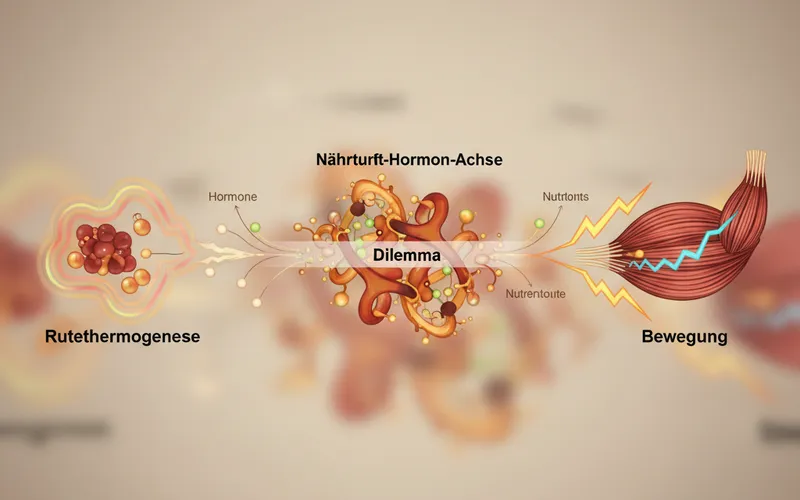
Die zentralen Ergebnisse zeigen, dass eine proteinarme Ernährung bei Mäusen tatsächlich zu einem erhöhten Ruheenergieverbrauch führt. Interessanterweise scheint der Körper diese 'Mehrausgabe' in der Ruhephase aber auszugleichen, indem er den Energieverbrauch während der Bewegung reduziert. Es scheint, als ob ein Nährstoff-Hormon-Signalweg existiert, der eine Art Energie-Tauschhandel zwischen der Energie, die der Körper in Ruhe verbrennt (Ruhethermogenese), und der Energie, die für Bewegung aufgewendet wird, steuert. Diese Achse könnte erklären, wie der Körper trotz einer proteinarmen Diät ein stabiles Körpergewicht aufrechterhält, indem er Energie umverteilt.
Quelle: Rusu PM, Aung OH, Chan AY, et al. (2026). A nutrient-hormone axis pivots an energy trade-off between resting thermogenesis and movement expenditure. J Sport Health Sci, 101132. PubMed-ID: 41812727
Das ist ein faszinierender Mechanismus, der uns zeigt, wie komplex unser Körper auf Veränderungen in der Ernährung reagiert. Doch was bedeutet das nun wirklich für dich?
2. Was heisst das wirklich? – Die kritische Einordnung
Diese Studie liefert spannende Einblicke in die Feinjustierung unseres Energiehaushalts. Aber bevor du jetzt deine Proteinaufnahme drastisch reduzierst, lass uns die Ergebnisse gemeinsam einordnen.
Du bist kein Durchschnitt. Die Studie wurde an Mäusen durchgeführt. Auch wenn Mäuse wichtige Modellorganismen sind und wir viele grundlegende biologische Prozesse mit ihnen teilen, sind sie keine kleinen Menschen. Ihre Stoffwechselraten, ihre Lebensweise und ihre Reaktionen auf Diäten können sich erheblich von unseren unterscheiden. Was bei einer Maus funktioniert, muss nicht 1:1 auf den Menschen übertragbar sein. Das ist ein ganz wichtiger Punkt in der Wissenschaft: Eine Studie an Tieren ist immer ein erster Hinweis, keine endgültige Antwort für den Menschen.
Was wurde wirklich gemessen? Die Forscher haben den Ruheenergieverbrauch und den Energieverbrauch während der Bewegung gemessen. Das sind sogenannte physiologische Parameter. Sie geben uns Aufschluss über die Energieverteilung im Körper. Was die Studie nicht direkt misst, sind langfristige Gesundheitsauswirkungen, die Lebensqualität oder die Leistungsfähigkeit der Mäuse unter diesen Bedingungen. Wir wissen also, dass Energie anders verteilt wird, aber nicht unbedingt, ob das für den Organismus langfristig vorteilhaft oder nachteilig ist.
Methodische Stärken und Grenzen: Die Studie ist methodisch sauber aufgebaut, verwendet definierte Diäten und moderne Messtechniken wie die indirekte Kalorimetrie. Die Nutzung genetisch veränderter Mäuse erlaubt es den Forschenden, spezifische Mechanismen auf molekularer Ebene zu untersuchen, was ein grosser Vorteil ist. Eine klare Grenze ist jedoch die Übertragbarkeit auf den Menschen und die Tatsache, dass es sich um eine Kurzzeitstudie handelt. Langzeitwirkungen einer proteinarmen Ernährung wurden hier nicht untersucht.
Für wen gelten die Ergebnisse? Aktuell nur für Mäuse. Für dich als Mensch ist es noch zu früh, direkte Schlussfolgerungen zu ziehen. Die Studie legt aber eine wichtige Grundlage für weitere Forschung, die dann auch am Menschen durchgeführt werden könnte.
Denkwerkzeug: Wenn du eine Ernährungsstudie siehst, frage dich immer: Wurde diese Studie am Menschen durchgeführt und über einen relevanten Zeitraum, oder handelt es sich um Tierversuche oder Kurzzeitbeobachtungen? Das hilft dir, die Aussagekraft für dein eigenes Leben besser einzuschätzen.
Diese Studie kratzt an der Oberfläche eines hochkomplexen Systems. Aber was, wenn wir die rein physiologischen Messwerte um eine weitere Dimension erweitern?
3. Der Geist im Körper – Die psychophysiologische Perspektive
Die Studie zeigt uns, wie ausgeklügelt der Körper Energie verwaltet, selbst unter veränderten Ernährungsbedingungen. Doch was ist mit den Faktoren, die weit über die reine Nährstoffzufuhr hinausgehen? Das psychophysiologische Interaktionsmodell lehrt uns, dass Psyche und Körper untrennbare Partner sind. Gerade bei Ernährung und Energieverbrauch spielen unsere Erwartungen, unser Stresslevel und unsere Emotionen eine viel grössere Rolle, als viele Studien abbilden können.
Stell dir vor, du beginnst eine proteinarme Diät, weil du gehört hast, dass sie gesund ist oder dir beim Abnehmen hilft. Allein diese Überzeugung kann physiologische Veränderungen in Gang setzen. Der sogenannte Placebo-Effekt ist hier ein mächtiger Faktor. Wenn du fest daran glaubst, dass eine Ernährungsumstellung gut für dich ist, kann das deine Wahrnehmung von Energie, Sättigung und Wohlbefinden beeinflussen. Dein Körper könnte sich "leichter" oder "energetischer" anfühlen, selbst wenn die reinen physiologischen Effekte noch nicht so ausgeprägt sind.
Umgekehrt kann Stress den gesamten Energiehaushalt durcheinanderbringen. Chronischer Stress führt zu einer erhöhten Ausschüttung von Stresshormonen wie Cortisol. Diese Hormone beeinflussen den Stoffwechsel massiv: Sie können die Insulinsensitivität verändern, die Fettverteilung beeinflussen und Entzündungsreaktionen verstärken. Eine proteinarme Ernährung in Kombination mit hohem Stress könnte also ganz andere Auswirkungen haben, als die Studie an entspannten Labormäusen zeigt.
Auch deine Motivation spielt eine Rolle. Wenn du dich zu einer Diät zwingst und dabei ständig hungrig oder unzufrieden bist, wird das deinen Energielevel und deine Bewegungslust beeinflussen. Die Mäuse in der Studie wurden zu Bewegung gezwungen (forcierter Laufbandtest). Im echten Leben entscheidest du, ob du dich bewegen möchtest oder nicht. Und diese Entscheidung wird stark von deiner Stimmung, deiner Energie und deiner Selbstwirksamkeitserwartung beeinflusst.
Es ist gut denkbar, dass die psychische Einstellung zu einer Diät die hormonellen Signalwege, die in dieser Studie identifiziert wurden, modulieren kann. Eine positive Erwartungshaltung könnte die Anpassungsfähigkeit des Körpers an eine proteinarme Ernährung unterstützen, während negative Emotionen oder Stress sie behindern könnten. Die reine Nährstoff-Hormon-Achse mag existieren, aber sie ist immer eingebettet in ein komplexes System aus Emotionen, Überzeugungen und dem Erleben des eigenen Körpers.
4. Der grössere Kontext – Einordnung und Abhängigkeiten
Diese Studie ist ein wichtiges Puzzleteil, das uns hilft, die komplexen Mechanismen der Energiehomöostase besser zu verstehen. Sie bestätigt und erweitert die bereits bestehende Erkenntnis, dass der Proteingehalt der Nahrung eine entscheidende Rolle für den Stoffwechsel spielt. Es ist bekannt, dass eine proteinreiche Ernährung oft mit einer höheren Sättigung und einem höheren thermischen Effekt der Nahrung (der Energie, die zur Verdauung benötigt wird) verbunden ist. Diese Studie schlägt nun eine Brücke zu einem potenziellen Ausgleichsmechanismus bei proteinarmer Ernährung, der bisher weniger im Fokus stand.
Wer steht dahinter? Die Studie wurde von renommierten Institutionen wie der Monash University und der Universität Kiel durchgeführt. Die Autorenliste ist lang und enthält Experten aus verschiedenen Bereichen wie Biochemie, Molekularbiologie und Physiologie. Es sind keine offensichtlichen kommerziellen Interessenkonflikte angegeben, was die Glaubwürdigkeit der Forschung stärkt. Die Finanzierung erfolgte durch Forschungszuschüsse, was typisch für grundlagenwissenschaftliche Studien ist.
Was wurde nicht kontrolliert? Wie bereits erwähnt, wurde die Studie an Mäusen durchgeführt. Viele Faktoren des menschlichen Lebensstils – wie chronischer Stress, Schlafmangel, Medikamenteneinnahme, Darmmikrobiom oder individuelle genetische Variationen – wurden nicht berücksichtigt. Auch die genaue Zusammensetzung der proteinarmen Diät (welche anderen Makronährstoffe wurden erhöht, um die Kalorien auszugleichen?) kann einen Einfluss haben, der in dieser Kurzfassung nicht detailliert beschrieben wird. Diese Faktoren sind im menschlichen Alltag allgegenwärtig und könnten die hier beobachteten Effekte erheblich modifizieren.
Denkwerkzeug: Wenn du eine Studie liest, frage dich: Könnten andere, unkontrollierte Lebensstilfaktoren, die in meinem Leben eine Rolle spielen, die Ergebnisse dieser Studie für mich persönlich verändern oder sogar ins Gegenteil verkehren? Das hilft dir, vorschnelle Schlüsse zu vermeiden.
Diese Forschung liefert eine wichtige Grundlage, aber sie ist nur ein Schritt auf einem langen Weg zum vollständigen Verständnis.
5. Was heisst das für dich? – Fazit und Alltagsrelevanz
Was kannst du also aus dieser komplexen Mäusestudie für deinen eigenen Alltag mitnehmen?
Was du mitnehmen kannst:
- Dein Körper ist ein Meister der Anpassung: Die Studie erinnert uns eindringlich daran, dass unser Körper kein passiver Empfänger von Nahrung ist, sondern ein hochintelligentes System, das ständig versucht, ein Gleichgewicht zu finden. Wenn du deine Ernährung änderst – sei es bewusst oder unbewusst –, reagiert dein Körper mit komplexen Anpassungsmechanismen.
- Protein ist ein wichtiger Player: Auch wenn die Studie an Mäusen durchgeführt wurde, unterstreicht sie die zentrale Rolle von Protein im Stoffwechsel und bei der Energieverteilung. Achte auf eine ausreichende, aber nicht übermässige Proteinzufuhr, die zu deinen individuellen Bedürfnissen passt.
- Energie ist mehr als Kalorien: Es geht nicht nur darum, wie viele Kalorien du isst, sondern auch, wie dein Körper diese Kalorien verarbeitet, speichert und verbrennt. Die Verteilung der Makronährstoffe (Protein, Fett, Kohlenhydrate) hat einen grossen Einfluss auf diese Prozesse.
Was du NICHT daraus schliessen solltest:
- Fange jetzt keine proteinarme Diät an, um mehr Kalorien zu verbrennen: Die Studie ist an Mäusen durchgeführt worden und die langfristigen Auswirkungen auf die menschliche Gesundheit sind unbekannt. Es wäre voreilig und potenziell riskant, auf Basis dieser Ergebnisse eine drastische Ernährungsumstellung vorzunehmen.
- Ignoriere dein Hunger- und Sättigungsgefühl: Dein Körper sendet dir wichtige Signale. Eine Diät, die dich ständig hungrig macht oder dich unwohl fühlen lässt, ist selten nachhaltig oder gesund, egal was eine Studie an Mäusen suggeriert.
Für wen ist das besonders relevant? Diese Erkenntnisse sind besonders relevant für Forschende und Ernährungswissenschaftler, die sich mit dem Stoffwechsel und der Energiehomöostase beschäftigen. Für dich als gesundheitsbewussten Menschen ist es eine spannende Information, die zeigt, wie komplex dein Körper funktioniert. Es ist eine Einladung, neugierig zu bleiben und nicht blind jedem Ernährungstrend zu folgen.
Der psychophysiologische Gedanke zum Schluss: Denke daran, dass dein Körper nicht nur auf die Nährstoffe reagiert, die du ihm zuführst, sondern auch auf deine Gedanken, Gefühle und Erwartungen. Eine Diät, die du mit Stress und Unzufriedenheit verbindest, wird wahrscheinlich anders wirken als eine, die du mit Freude und Überzeugung umsetzt. Dein Wohlbefinden ist das Ergebnis eines Zusammenspiels von Körper und Geist. Bleib achtsam, höre auf deinen Körper und informiere dich kritisch, bevor du weitreichende Entscheidungen für deine Gesundheit triffst.
Welche Rolle dieser neu entdeckte Nährstoff-Hormon-Signalweg beim Menschen spielt und wie wir ihn gezielt nutzen können, bleibt eine spannende Frage für zukünftige Forschung. Bleib neugierig auf die Wunder deines Körpers!