Zystennieren und der verborgene Kampf gegen Mangelernährung und Muskelschwund
Eine neue Studie enthüllt, dass Menschen mit Zystennieren (ADPKD) oft schon früh mit Mangelernährung und Muskelschwund kämpfen, lange bevor die Nierenfunktion stark abnimmt. Erfahre, warum das so ist und was du dagegen tun kannst.
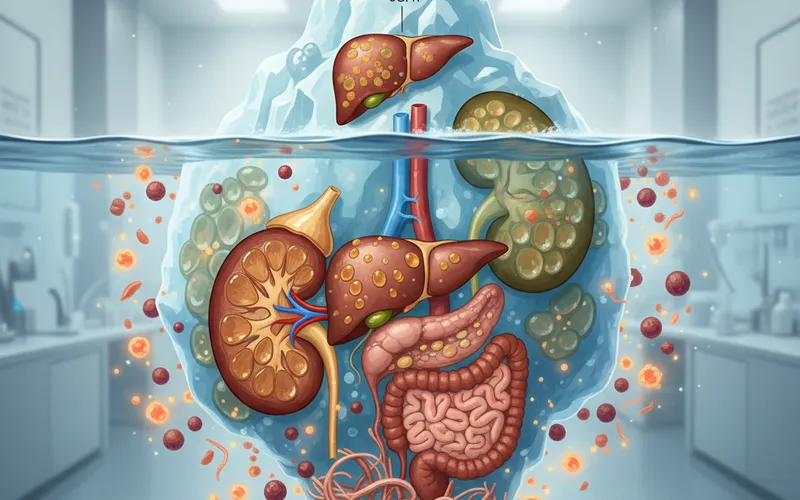
1. Die Studie – Was wurde untersucht und warum betrifft dich das?
Stell dir vor, dein Körper wäre ein Haus, dessen Fundament und Struktur sich langsam, aber stetig verändern. Von aussen sieht es vielleicht noch stabil aus, doch innen nagen bereits versteckte Prozesse an der Substanz. Genau so ergeht es vielen Menschen, die an der autosomal dominanten polyzystischen Nierenerkrankung (ADPKD) leiden – besser bekannt als Zystennieren. Diese häufigste genetische Nierenerkrankung betrifft etwa 4 von 10'000 Menschen und ist eine Hauptursache für Nierenversagen im Endstadium.
Eine neue Review-Studie, die im International Journal of Molecular Sciences veröffentlicht wurde, beleuchtet nun einen lange unterschätzten Aspekt dieser Krankheit: Mangelernährung und Muskelschwund, auch Sarcopenie genannt. Die Forscher um Brambilla Pisoni und Kollegen aus Mailand haben zusammengetragen, warum herkömmliche Messmethoden wie der Body-Mass-Index (BMI) bei ADPKD oft in die Irre führen und welche Rolle die vergrösserten Organe dabei spielen.
Die zentrale Fragestellung der Studie war: Wie beeinflussen die massiv vergrösserten Nieren und Leber bei ADPKD die Körperzusammensetzung und den Ernährungszustand der Betroffenen, und das oft schon, bevor die Nierenfunktion stark abnimmt? Bisher wurde Mangelernährung bei Nierenerkrankungen meist nur mit fortgeschrittenem Nierenversagen in Verbindung gebracht. Die Autoren wollten zeigen, dass bei ADPKD ein einzigartiger «Körperphänotyp» existiert, der zu Problemen führt, die über die reine Nierenfunktion hinausgehen.
Die Studie ist eine narrative Übersichtsarbeit (Review), was bedeutet, dass die Autoren die aktuell verfügbare Forschung zu diesem Thema zusammengefasst und bewertet haben. Sie haben dabei Studien berücksichtigt, die sich mit anthropometrischen Messungen, Bioelektrischer Impedanzanalyse (BIA) und der subjektiven globalen Einschätzung (SGA) des Ernährungszustands befassten. Die Stichprobengrössen variierten je nach zitierter Einzelstudie, umfassten aber oft Patienten mit unterschiedlich stark ausgeprägter ADPKD.
Die wichtigsten Ergebnisse sind bemerkenswert: Etwa ein Drittel der ADPKD-Patienten ist laut einer modifizierten SGA-Bewertung bereits von Mangelernährung bedroht oder betroffen. Der stärkste klinische Prädiktor für diese Mangelernährung war nicht die Nierenfunktion (eGFR), sondern das höhenadjustierte Gesamtvolumen von Nieren und Leber (htTKLV). Die Bioelektrische Impedanzanalyse zeigte zudem einen krankheitsspezifischen Körperzusammensetzungstyp: erhöhtes Gesamtkörperwasser, insbesondere im Rumpfbereich, ein reduzierter Phasenwinkel und eine verringerte Magermasse. Diese Veränderungen waren selbst bei relativ gut erhaltener Nierenfunktion vorhanden und unterschieden ADPKD-Patienten von Menschen mit anderen chronischen Nierenerkrankungen. Langzeitdaten deuteten sogar darauf hin, dass der Ernährungszustand zu Beginn der Studie den kurzfristigen Rückgang der Nierenfunktion vorhersagen konnte, was darauf hindeutet, dass Mangelernährung die Nierenentwicklung beeinflusst und nicht nur eine Folge der fortgeschrittenen Krankheit ist.
Diese Erkenntnisse werfen ein neues Licht auf die Krankheit und zeigen, dass der Blick über die reine Nierenfunktion hinaus essenziell ist. Doch was bedeuten diese Ergebnisse wirklich für dich?
Quelle: Brambilla Pisoni M, Catania M, Rivera RF, De Rosa LI, Kola K, Paolisi M, Bianca P, Farinone S, Petrone M, Citterio L, Vezzoli G, Sciarrone Alibrandi MT (2026). The Hidden Iceberg of ADPKD: Early Organomegaly-Driven Malnutrition and Sarcopenia Beyond Preserved eGFR. International journal of molecular sciences, 27(4):1667. PubMed-ID: 41751804
2. Was heisst das wirklich? – Die kritische Einordnung
Die Studie zeigt eindrücklich, dass bei ADPKD die oberflächlichen Messwerte trügen können. Wenn du an ADPKD leidest, kennst du vielleicht das Gefühl, dass dein Bauchumfang zunimmt, obwohl du nicht zwingend an Gewicht zulegst oder sogar abnimmst. Die Zysten in Nieren und Leber können so gross werden, dass sie den Bauchraum ausfüllen und zu einer erheblichen Gewichts- und Volumenzunahme führen. Das Problem: Dieses Volumen besteht nicht aus Muskeln oder Fett, sondern aus Zystenflüssigkeit und vernarbtem Gewebe – also nicht-ernährungsrelevanten Massen. Der BMI, ein beliebter Index, kann dadurch normal oder sogar erhöht erscheinen, während gleichzeitig Mangelernährung und Muskelschwund vorliegen.
Die Studie hebt hervor, dass die vergrösserten Organe der stärkste Prädiktor für Mangelernährung sind, noch vor der Nierenfunktion. Das ist ein wichtiger Punkt, denn es bedeutet, dass du nicht warten solltest, bis deine Nierenfunktion stark beeinträchtigt ist, um deinen Ernährungszustand zu überprüfen. Die Tatsache, dass Mangelernährung den Nierenfunktionsverlust beschleunigen kann, ist ebenfalls alarmierend und unterstreicht die Notwendigkeit einer frühzeitigen Intervention.
Die Methodik der Studie als Review ist gut gewählt, um einen Überblick über ein komplexes Thema zu geben. Sie fasst die Erkenntnisse aus verschiedenen Studien zusammen, die unterschiedliche Messmethoden wie SGA und BIA verwendeten. Die SGA ist eine subjektive, aber klinisch bewährte Methode zur Beurteilung des Ernährungszustands, während die BIA objektivere Daten zur Körperzusammensetzung liefert. Die Kombination beider Ansätze stärkt die Aussagekraft.
Eine Grenze der Studie ist, dass sie selbst keine neuen Daten generiert, sondern bestehende Forschung zusammenführt. Obwohl die Erkenntnisse als fundierte Hypothesen präsentiert werden, sind weitere prospektive Studien mit grösseren Kohorten notwendig, um die Kausalität zwischen Organvergrösserung, Mangelernährung und Nierenfunktionsverlust noch detaillierter zu untersuchen. Zudem ist zu beachten, dass es sich um Durchschnittswerte und Trends handelt. Nicht jeder ADPKD-Patient wird zwangsläufig an Mangelernährung leiden, aber das Risiko ist signifikant erhöht.
Denkwerkzeug: Wenn du an ADPKD leidest, frag dich: Wie schätze ich meinen Ernährungszustand ein, und habe ich das Gefühl, dass mein Körper sich verändert, auch wenn mein Gewicht stabil bleibt? Sprich mit deinem Arzt darüber, ob eine detailliertere Untersuchung deiner Körperzusammensetzung sinnvoll wäre.
3. Der Geist im Körper – Die psychophysiologische Perspektive
Hier kommen wir zu einem entscheidenden Aspekt, der in vielen medizinischen Studien, auch in dieser Review, oft nur am Rande oder gar nicht beleuchtet wird: die Rolle der Psyche. Bei einer chronischen, fortschreitenden Erkrankung wie ADPKD ist der psychische Druck enorm. Die ständige Sorge um die Nierenfunktion, die Angst vor Dialyse oder Transplantation, die körperlichen Beschwerden wie Schmerzen, Müdigkeit und der zunehmende Bauchumfang – all das kann zu chronischem Stress führen.
Chronischer Stress ist kein rein psychisches Phänomen; er hat tiefgreifende physiologische Auswirkungen. Er beeinflusst den Stoffwechsel, die Verdauung und das Immunsystem. Unter Dauerstress kann der Körper Nährstoffe schlechter aufnehmen und verwerten. Die erhöhte Ausschüttung von Stresshormonen wie Cortisol kann zu einem verstärkten Abbau von Muskelmasse führen, was den Muskelschwund (Sarcopenie) weiter begünstigt. Gleichzeitig kann Stress den Appetit beeinflussen – bei manchen führt er zu Überessen, bei anderen zu Appetitlosigkeit, beides kann zu einer unausgewogenen Nährstoffzufuhr führen.
Die Vergrösserung der Organe kann zudem zu einem Gefühl der Fülle führen, selbst wenn nicht ausreichend gegessen wurde. Das kann die Nahrungsaufnahme zusätzlich erschweren. Wenn du dich ständig unwohl fühlst, Schmerzen hast oder das Gefühl hast, dass dein Körper dich im Stich lässt, kann das deine Motivation für gesunde Ernährung und körperliche Aktivität stark beeinträchtigen. Die Überzeugung, dass man ohnehin nichts ändern kann, weil die Krankheit genetisch bedingt ist, kann zu einer Art erlernter Hilflosigkeit führen, die sich wiederum negativ auf den Ernährungszustand auswirkt.
Es ist gut denkbar, dass die psychische Belastung durch ADPKD und die damit verbundenen körperlichen Veränderungen massgeblich zur Mangelernährung und Sarcopenie beitragen. Eine adäquate psychologische Unterstützung und Stressmanagement könnten daher entscheidende Bausteine in der Therapie sein, um den Teufelskreis aus körperlicher Belastung und psychischem Stress zu durchbrechen und die physiologischen Auswirkungen abzumildern.
4. Der grössere Kontext – Einordnung und Abhängigkeiten
Die vorliegende Review-Studie stammt von einem renommierten Forschungsteam aus dem IRCCS San Raffaele Scientific Institute in Mailand, einer bekannten Einrichtung im Bereich der Nephrologie. Die Autoren haben potenzielle Interessenkonflikte offengelegt, was die Transparenz und Glaubwürdigkeit der Arbeit unterstreicht. Die Studie wurde im International Journal of Molecular Sciences veröffentlicht, einem peer-reviewten Journal, was für die wissenschaftliche Qualität spricht.
Diese Studie bestätigt und erweitert bestehende Erkenntnisse, die darauf hindeuten, dass bei chronischen Krankheiten, insbesondere Nierenerkrankungen, der Ernährungszustand ein entscheidender Faktor für den Krankheitsverlauf ist. Sie ist jedoch ein wichtiges Puzzleteil, das den Fokus speziell auf ADPKD legt und zeigt, dass die Organvergrösserung ein einzigartiger und frühzeitiger Treiber für Mangelernährung ist, der bei anderen Nierenerkrankungen in dieser Form nicht auftritt.
Was oft nicht kontrolliert werden kann, aber die Ergebnisse stark beeinflussen kann, sind die individuellen Lebensstilfaktoren der Patienten. Wie ist die Ernährungsweise (qualitativ und quantitativ)? Wie hoch ist das Aktivitätsniveau? Gibt es Begleiterkrankungen? Wie ist der sozioökonomische Status, der den Zugang zu gesunder Ernährung und medizinischer Versorgung beeinflussen kann? Diese Faktoren sind schwer in Studien zu standardisieren, spielen aber im Alltag eine grosse Rolle.
Die Studie legt nahe, dass wir bei ADPKD nicht nur auf die eGFR schauen sollten, sondern einen viel umfassenderen Blick auf den Patienten werfen müssen, der die Körperzusammensetzung und den Ernährungszustand frühzeitig mit einbezieht. Das ist keine Kritik an der bisherigen Forschung, sondern eine wichtige Ergänzung, die das Verständnis der Krankheit vertieft und neue Ansatzpunkte für die Behandlung bietet.
Denkwerkzeug: Frage dich: Wenn du Symptome hast, die nicht direkt mit deiner Nierenfunktion zusammenhängen, wie Müdigkeit oder ungewollter Gewichtsverlust, werden diese von deinem Behandlungsteam ausreichend berücksichtigt? Oder liegt der Fokus ausschliesslich auf den Nierenwerten?
5. Was heisst das für dich? – Fazit und Alltagsrelevanz
Die Erkenntnisse dieser Review-Studie sind für dich von grosser Bedeutung, wenn du selbst von ADPKD betroffen bist oder jemanden kennst, der es ist. Hier sind 2–3 konkrete, umsetzbare Erkenntnisse:
- Frühzeitige und umfassende Ernährungsberatung: Warte nicht, bis deine Nierenfunktion stark abnimmt. Sprich proaktiv mit deinem Arzt über eine Ernährungsberatung, die auf ADPKD spezialisiert ist. Es geht nicht nur darum, was du isst, sondern auch darum, wie dein Körper diese Nährstoffe verwertet. Eine Bioelektrische Impedanzanalyse (BIA) kann dir helfen, deine Körperzusammensetzung (Muskelmasse, Fettmasse, Wasserhaushalt) objektiv zu beurteilen, auch wenn dein BMI normal ist.
- Muskelerhalt ist entscheidend: Sarcopenie ist ein ernstes Problem. Regelmässige, an deine Möglichkeiten angepasste körperliche Aktivität, insbesondere Krafttraining, ist essenziell, um Muskelmasse zu erhalten oder aufzubauen. Auch hier ist eine professionelle Anleitung wichtig, um Überlastung zu vermeiden.
- Achte auf dein Bauchgefühl – im wahrsten Sinne des Wortes: Die Vergrösserung von Nieren und Leber kann zu Völlegefühl und Verdauungsbeschwerden führen, was die Nahrungsaufnahme erschwert. Versuche, kleinere, häufigere Mahlzeiten zu dir zu nehmen, die nährstoffreich sind. Und vergiss nicht: Mangelernährung ist nicht nur das Fehlen von Essen; es ist das Fehlen von richtigen Nährstoffen für deinen Körper.
Was solltest du NICHT daraus schliessen? Diese Studie ist kein Grund zur Panik. Sie zeigt vielmehr, dass es neue Wege gibt, die Krankheit besser zu verstehen und zu behandeln. Sie bedeutet nicht, dass jeder ADPKD-Patient zwangsläufig mangelernährt ist, sondern dass das Risiko erhöht ist und frühzeitig darauf geachtet werden sollte.
Diese Erkenntnisse sind besonders relevant für alle ADPKD-Patienten, aber auch für Ärzte und Ernährungsberater, die Patienten mit dieser Erkrankung betreuen. Für Menschen ohne ADPKD sind die direkten Schlussfolgerungen weniger relevant, aber sie unterstreichen einmal mehr die Bedeutung einer ganzheitlichen Betrachtung von Gesundheit.
Der psychophysiologische Gedanke zum Schluss: Denk daran, dein Körper reagiert nicht nur auf das, was du isst und wie du dich bewegst, sondern auch auf das, was du denkst und fühlst. Chronischer Stress, Ängste und die psychische Belastung durch eine chronische Krankheit können den Stoffwechsel und die Fähigkeit deines Körpers, sich zu regenerieren, massgeblich beeinflussen. Eine gute psychische Verfassung ist ein wichtiger Pfeiler im Kampf gegen körperliche Beschwerden. Bleib neugierig auf die Zusammenhänge deines Körpers und Geistes und nimm deine Gesundheit selbst in die Hand. Dein Körper wird es dir danken.