Cystatin C: Präzisere Nierenfunktionsdiagnose bei chronischer Nierenerkrankung
Eine neue Studie beleuchtet, wie Cystatin C die Diagnose von Nierenerkrankungen verbessern kann – ein wichtiger Schritt für frühzeitige Behandlung und bessere Patientenergebnisse. Erfahre, was das für dich bedeutet.
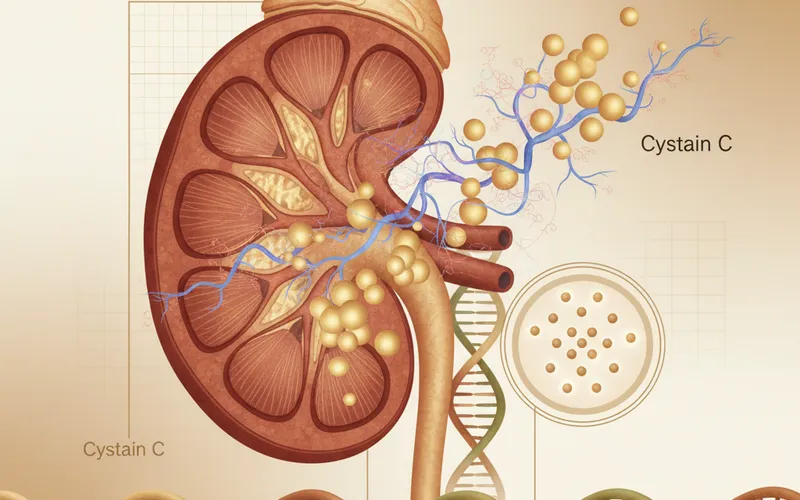
Die Studie – Was wurde untersucht und warum betrifft dich das?
Stell dir vor, du gehst zur Routineuntersuchung, und dein Arzt macht einen Bluttest, um zu sehen, wie gut deine Nieren arbeiten. Bisher war der Standardwert dafür das Serumkreatinin. Aber wusstest du, dass dieser Wert trügerisch sein kann? Er lässt sich von vielen Faktoren beeinflussen – deinem Alter, deinem Geschlecht, wie viel Muskelmasse du hast oder sogar was du gegessen hast. Das kann dazu führen, dass eine beginnende Nierenerkrankung übersehen oder falsch eingeschätzt wird. Und genau hier setzt eine spannende neue Studie an, die im Journal Postgraduate medicine veröffentlicht wurde.
Ein internationales Forschungsteam um Patel, Dhalani und Reddy hat untersucht, wie ein anderer Biomarker, das Cystatin C, die Genauigkeit der Nierenfunktionsdiagnose verbessern kann. Sie wollten herausfinden, ob Cystatin C als Alternative oder Ergänzung zum Kreatinin helfen kann, die glomeruläre Filtrationsrate (GFR) – das Mass für die Nierenfunktion – präziser zu bestimmen. Dies ist entscheidend, denn die chronische Nierenerkrankung (CKD) ist weltweit ein riesiges Gesundheitsproblem, das über 850 Millionen Menschen betrifft. Eine frühzeitige und genaue Diagnose ist der Schlüssel für eine effektive Behandlung und um schwerwiegende Folgen zu vermeiden.
Die Forschenden führten eine umfassende Übersichtsstudie durch. Das bedeutet, sie haben nicht selbst neue Daten erhoben, sondern eine Vielzahl bereits bestehender epidemiologischer, mechanistischer und klinischer Studien analysiert und deren Ergebnisse zusammengefasst. Sie untersuchten, wie Cystatin C im Körper metabolisiert wird, welche Messmethoden es gibt und wie gut es im Vergleich zu Kreatinin die GFR schätzen und CKD-bezogene Ergebnisse vorhersagen kann. Insbesondere verglichen sie Gleichungen zur Schätzung der GFR, die auf Kreatinin, auf Cystatin C oder auf einer Kombination beider Werte basieren.
Was haben sie dabei herausgefunden? Cystatin C ist ein Protein mit niedrigem Molekulargewicht, das von allen kernhaltigen Zellen im Körper produziert wird. Der grosse Vorteil: Es wird deutlich weniger von Faktoren wie Muskelmasse oder Ernährung beeinflusst als Kreatinin. Die Analyse zeigte, dass GFR-Gleichungen, die auf Cystatin C basieren oder beide Biomarker kombinieren, die Diagnose einer frühen CKD genauer machen. Zudem können sie die Progression der CKD, das Risiko für Herz-Kreislauf-Ereignisse und die Sterblichkeit zuverlässiger vorhersagen. Die Studie betont jedoch auch, dass Cystatin C-Werte durch bestimmte Bedingungen wie Schilddrüsenfunktionsstörungen, Kortikosteroid-Einnahme, Entzündungen, Rauchen, Übergewicht und Krebserkrankungen beeinflusst werden können, was eine sorgfältige Interpretation erfordert. Trotzdem liefert Cystatin C wichtige diagnostische und prognostische Informationen, die über die des Serumkreatinins hinausgehen und die Genauigkeit der GFR-Schätzung verbessern, besonders in Fällen, wo Kreatinin-basierte Schätzungen nicht zuverlässig sind.
Quelle: Patel S, Dhalani M, Reddy M, Ruhela N, Jain R, Kaur G (2026). Cystatin C in chronic kidney disease: enhancing diagnostic accuracy and patient outcomes. Postgraduate medicine, 138(2). PubMed-ID: 41733278
Was heisst das wirklich? – Die kritische Einordnung
Diese Übersichtsstudie bringt eine wichtige Erkenntnis mit sich: Wir haben möglicherweise ein besseres Werkzeug zur Hand, um die Nierenfunktion zu beurteilen als das, was wir bisher standardmässig genutzt haben. Aber was bedeutet das genau für dich?
Du bist kein Durchschnitt. Die Studie spricht von verbesserter Genauigkeit und zuverlässigeren Vorhersagen. Das sind statistische Aussagen. Sie bedeuten, dass auf Bevölkerungsebene die Wahrscheinlichkeit steigt, dass eine Diagnose korrekter ist oder eine Prognose zutreffender. Für den Einzelnen bedeutet das: Wenn dein Arzt in Zukunft auch Cystatin C misst, ist die Chance grösser, dass du eine frühe Nierenerkrankung früher erkennst. Das ist ein grosser Vorteil, denn je früher du handelst, desto besser sind in der Regel die Behandlungsmöglichkeiten und die langfristigen Aussichten. Die Studie hebt hervor, dass Cystatin C besonders in Populationen nützlich ist, bei denen Kreatinin-basierte Schätzungen unzuverlässig sind – denk an Menschen mit ungewöhnlicher Muskelmasse (sehr muskulös oder sehr kachektisch), ältere Menschen oder Menschen mit bestimmten Ernährungsweisen.
Was wurde wirklich gemessen? Hier wurde nicht ein harter Endpunkt wie die Sterblichkeit direkt gemessen, sondern die Genauigkeit der GFR-Schätzung und die Vorhersagekraft für zukünftige Ereignisse wie CKD-Progression oder Herz-Kreislauf-Ereignisse. Das ist enorm wichtig, denn eine präzisere Schätzung der GFR ist ein Surrogatparameter für eine bessere Diagnose und damit potenziell bessere Patientenergebnisse. Wenn die Diagnose genauer ist, kann die Behandlung früher und gezielter erfolgen. Die Studie fasst die Ergebnisse vieler anderer Studien zusammen, was ihr eine hohe Aussagekraft verleiht. Es ist keine einzelne Beobachtung, sondern ein Konsens aus der Forschung.
Methodische Stärken und Grenzen: Die Stärke dieser Arbeit liegt in ihrer Form als Übersichtsstudie. Sie bündelt das Wissen aus zahlreichen Einzelstudien und bietet einen umfassenden Überblick über den aktuellen Forschungsstand zu Cystatin C. Das ist wertvoll, da es uns einen konsolidierten Blick auf die Evidenz gibt. Eine Grenze ist jedoch, dass die Übersichtsstudie selbst keine neuen Daten generiert. Sie ist so gut wie die zugrunde liegenden Studien. Die Autoren weisen auch darauf hin, dass Cystatin C-Werte durch andere Faktoren beeinflusst werden können – das ist eine wichtige Einschränkung, die bei der Interpretation im Einzelfall berücksichtigt werden muss. Es ist also kein perfekter Biomarker, aber ein besserer.
Für wen gelten die Ergebnisse? Die Ergebnisse gelten prinzipiell für alle, bei denen eine Nierenfunktionsdiagnose ansteht. Besonders relevant sind sie aber für jene, bei denen die Kreatinin-Werte aufgrund individueller Merkmale (Muskelmasse, Alter, Geschlecht, Diät) weniger aussagekräftig sind. Das sind zum Beispiel Bodybuilder, ältere, gebrechliche Menschen oder Personen mit spezifischen Ernährungsweisen. Denkwerkzeug: Wenn du das nächste Mal einen Nierenfunktionstest machst, frage dich: Bin ich vielleicht jemand, bei dem der Kreatinin-Wert nicht ganz akkurat sein könnte?
Der Geist im Körper – Die psychophysiologische Perspektive
Auch wenn diese Studie primär um Biomarker und physiologische Messungen geht, dürfen wir den psychophysiologischen Aspekt nicht vergessen. Denn wie du dich fühlst, was du denkst und wie du mit Stress umgehst, hat immer einen Einfluss auf deine Physiologie – und damit auch, wie dein Körper auf Diagnosen und Behandlungen reagiert.
Stell dir vor, du erhältst eine unklare oder gar eine falsche Nierendiagnose aufgrund ungenauer Kreatinin-Werte. Das kann zu enormem Stress führen. Die Ungewissheit, die Sorge um die Gesundheit, vielleicht unnötige Behandlungen oder das Ausbleiben notwendiger Therapien – all das belastet die Psyche. Chronischer Stress wiederum beeinflusst den gesamten Körper. Er kann Entzündungsprozesse fördern, das Immunsystem schwächen und auch die Schilddrüsenfunktion beeinflussen. Und siehe da, die Studie erwähnt, dass Schilddrüsendysfunktionen und Entzündungen die Cystatin C-Werte beeinflussen können. Es ist also gut denkbar, dass dein psychischer Zustand indirekt auch die Biomarker beeinflusst, die wir zur Diagnose nutzen.
Ein weiterer Punkt: Die Studie erwähnt, dass Cystatin C-Werte durch Kortikosteroid-Einnahme, Entzündungen, Rauchen und Übergewicht beeinflusst werden können. Viele dieser Faktoren sind eng mit unserem Lebensstil und unserem psychischen Zustand verbunden. Chronischer Stress kann zu Entzündungen beitragen, das Rauchverhalten beeinflussen oder auch zu ungesunden Essgewohnheiten führen, die Übergewicht fördern. Die Wechselwirkung ist also komplex: Dein psychischer Zustand beeinflusst physiologische Parameter, die wiederum Einfluss auf die Interpretation von Biomarkern haben können. Eine präzisere Diagnose durch Cystatin C kann hier eine positive Rückkopplung schaffen: Weniger Ungewissheit führt zu weniger Stress, was sich wiederum positiv auf die gesamte Physiologie auswirken kann.
Der Hawthorne-Effekt spielt hier eine Rolle, wenn es um die Verhaltensänderung geht. Wenn du weisst, dass deine Nierenfunktion genauer überwacht wird, kann das deine Motivation steigern, gesundheitsförderliche Verhaltensweisen anzunehmen. Die blosse Beobachtung und das Wissen um eine präzisere Diagnose können dich dazu anregen, besser auf dich zu achten – was sich positiv auf deine Nieren und deine allgemeine Gesundheit auswirkt.
Der grössere Kontext – Einordnung und Abhängigkeiten
Diese Studie ist ein wichtiges Puzzleteil in der stetigen Verbesserung der medizinischen Diagnostik. Sie bestätigt und konsolidiert die wachsende Evidenz, dass Cystatin C ein wertvollerer Marker für die Nierenfunktion ist als Kreatinin allein. Es ist keine revolutionäre Einzelentdeckung, sondern eine Bestätigung und Zusammenfassung jahrelanger Forschung, die den Weg für eine breitere klinische Anwendung ebnen soll.
Wer steht dahinter? Das internationale Forschungsteam kommt von verschiedenen medizinischen Institutionen, hauptsächlich aus Indien und den USA. Die Finanzierung der Studie wird im Abstract nicht explizit genannt, was bei Übersichtsstudien oft der Fall ist, da sie auf bereits publizierten Daten basieren. Es gibt keine Hinweise auf Interessenkonflikte, was die Glaubwürdigkeit der Zusammenfassung stärkt.
Wo steht diese Studie in der Forschungslandschaft? Diese Übersichtsstudie passt sehr gut in den aktuellen Trend der personalisierten Medizin. Es geht darum, Diagnosen und Behandlungen so genau wie möglich auf den Einzelnen abzustimmen. Da Kreatinin so stark von individuellen Faktoren beeinflusst wird, ist die Suche nach einem robusteren Biomarker wie Cystatin C ein logischer und notwendiger Schritt. Die Studie bestätigt, dass Cystatin C die bestehenden Erkenntnisse über die Vorteile dieses Biomarkers untermauert und dass die Kombination von Kreatinin und Cystatin C die derzeit beste Option darstellt, um die Nierenfunktion zu beurteilen.
Was wurde nicht kontrolliert? Bei einer Übersichtsstudie, die auf bestehenden Daten basiert, kann man nicht von Kontrollgruppen im Sinne einer Interventionsstudie sprechen. Die Limitationen der einzelnen Studien, die in die Analyse eingeflossen sind, bleiben bestehen. Auch wenn Cystatin C weniger anfällig für Muskelmasse und Ernährung ist, so wurde in der Studie doch erwähnt, dass Faktoren wie Schilddrüsenfunktionsstörungen, Kortikosteroid-Einnahme, Entzündungen, Rauchen, Übergewicht und Krebserkrankungen die Werte beeinflussen können. Diese Faktoren sind im Einzelfall entscheidend und müssen bei der Interpretation der Cystatin C-Werte immer mitberücksichtigt werden. Denkwerkzeug: Frage dich: Gibt es in meinem Leben Faktoren wie chronische Entzündungen, Medikamente oder Vorerkrankungen, die auch einen «besseren» Nierenmarker beeinflussen könnten?
Was heisst das für dich? – Fazit und Alltagsrelevanz
Diese Studie liefert dir zwei bis drei konkrete Erkenntnisse, die du für deine Gesundheit nutzen kannst:
- Spreche mit deinem Arzt über Cystatin C: Wenn bei dir in Zukunft die Nierenfunktion getestet wird, insbesondere wenn du zu einer Risikogruppe gehörst (z.B. Diabetes, Bluthochdruck, älteres Alter, ungewöhnliche Muskelmasse) oder wenn die Kreatinin-Werte unklar sind, kannst du deinen Arzt auf die Messung von Cystatin C ansprechen. Eine präzisere Diagnose ist der erste Schritt zu einer besseren Behandlung.
- Verstehe die Grenzen des Kreatinins: Sei dir bewusst, dass der traditionelle Kreatinin-Wert allein nicht immer das vollständige Bild deiner Nierenfunktion liefert. Das bedeutet nicht, dass er nutzlos ist, aber er sollte im Kontext betrachtet werden.
- Lebe nierenfreundlich: Unabhängig von den Biomarkern bleibt die Grundlage für gesunde Nieren ein gesunder Lebensstil: Ausreichend trinken, eine ausgewogene Ernährung, regelmässige Bewegung, Rauchen vermeiden und Übergewicht reduzieren. Diese Massnahmen helfen nicht nur deinen Nieren, sondern beeinflussen auch die Faktoren (wie Entzündungen oder Übergewicht), die Cystatin C-Werte beeinflussen können.
Was solltest du NICHT daraus schliessen? Du solltest jetzt nicht in Panik verfallen, wenn bisher nur dein Kreatinin gemessen wurde. Diese Studie ist ein Schritt zur Verbesserung der Diagnostik, aber Nierenerkrankungen entwickeln sich oft langsam. Es ist auch kein Grund, selbständig Diagnosen zu stellen. Die Interpretation der Werte, sei es Kreatinin oder Cystatin C, gehört immer in die Hände eines erfahrenen Arztes oder einer Ärztin.
Diese Erkenntnisse sind besonders relevant für Menschen mit einem erhöhten Risiko für Nierenerkrankungen oder bei denen bereits eine unklare Nierenfunktionsstörung diagnostiziert wurde. Für gesunde Menschen ohne spezifische Risikofaktoren ist die regelmässige Kontrolle beim Hausarzt oft ausreichend, aber das Wissen um Cystatin C kann auch hier hilfreich sein, um bei Bedarf proaktiv zu handeln. Am Ende des Tages erinnert uns diese Studie daran, dass unser Körper auf vielfältige Weise reagiert. Gesundheit ist ein komplexes Zusammenspiel von Körper und Geist. Dein psychischer Zustand, dein Stresslevel und deine Überzeugungen sind keine Nebensächlichkeiten, sondern beeinflussen direkt deine Physiologie und damit auch, wie gut deine Nieren arbeiten. Bleibe neugierig, höre auf deinen Körper und sprich mit deinem Arzt, um die bestmöglichen Entscheidungen für deine Gesundheit zu treffen.