Chrononutrition und mentale Gesundheit: Wie Essenszeiten Psyche und Körper verbinden
Eine neue Perspektivstudie beleuchtet, wie unsere Essenszeiten – die Chrononutrition – weit mehr als nur den Stoffwechsel beeinflussen. Sie zeigt einen überraschenden Zusammenhang zwischen dem Wann und Was wir essen und unserer mentalen Gesundheit, insbesondere bei atypischer Depression und dem Konsum ultra-verarbeiteter Lebensmittel.
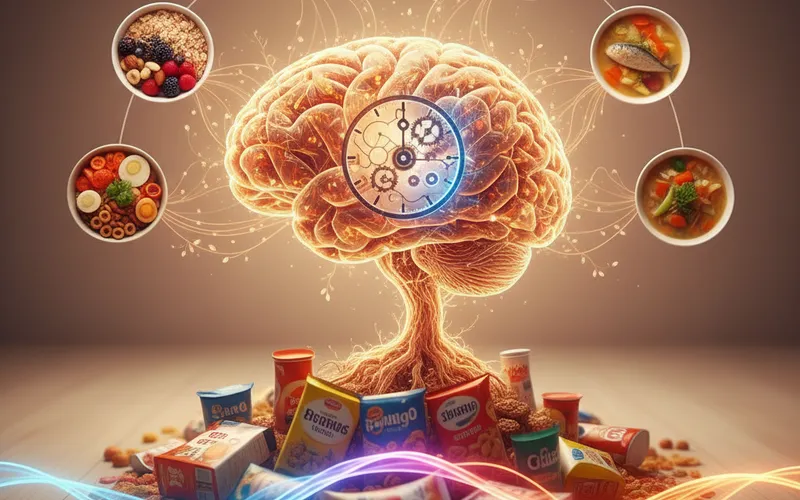
Die Studie – Was wurde untersucht und warum betrifft dich das?
Hast du dich jemals gefragt, ob der Zeitpunkt deiner Mahlzeiten mehr Einfluss auf deine Stimmung und dein Wohlbefinden hat, als du denkst? Vielleicht kennst du das Gefühl, dass sich nach einem unregelmässigen Essverhalten nicht nur dein Magen meldet, sondern auch deine Energie und Konzentration leiden. Eine spannende neue Perspektivstudie, veröffentlicht in Frontiers in Psychiatry, beleuchtet genau diesen Zusammenhang und geht der Frage nach, wie unsere Essenszeiten – ein Konzept, das als Chrononutrition bekannt ist – unsere mentale Gesundheit beeinflussen können. Diese Studie ist besonders relevant, weil sie einen ganzheitlichen Ansatz wählt, der über die reine Nährstoffaufnahme hinausgeht und die oft unterschätzte Rolle unserer inneren Uhr und unseres Essverhaltens für unser psychisches Gleichgewicht hervorhebt.
Die Studie, verfasst von I. Cuaranta von der Asociación de Psiquiatría de Rosario in Argentinien, konzentriert sich auf die sogenannte atypische Depression, die oft mit Stoffwechselproblemen und Entzündungen einhergeht. Ein wesentlicher Faktor, der diese Symptome verschärfen kann, ist der chronische Konsum ultra-verarbeiteter Lebensmittel (UPFs), die Sucht-ähnliche Eigenschaften entwickeln können. Interessanterweise wird dieser ernährungsbedingte Hintergrund in der psychiatrischen Standardversorgung selten berücksichtigt. Die Forschung in der Chronobiologie zeigt jedoch, dass die Zeitpunkte der Mahlzeiten – sogenannte Zeitgeber – gestörte zirkadiane Rhythmen neu ausrichten können. Diese Rhythmen wiederum spielen eine zentrale Rolle bei verschiedenen psychiatrischen Symptomen, von atypischer Depression und Angstzuständen bis hin zu Schlaflosigkeit und Impulsivität.
Cuaranta schlägt in dieser Perspektivstudie einen Ansatz des zeitlich begrenzten Essens (Time-Restricted Eating, TRE) innerhalb des Rahmens der Chrononutrition vor. Ziel ist es, gleichzeitig die metabolischen, zirkadianen und verhaltensbezogenen Ursachen psychischer Erkrankungen anzugehen. Durch die Reduzierung der Abhängigkeit von ultra-verarbeiteten Lebensmitteln und die Umstrukturierung der täglichen Essenszeiten könnten Kliniker Verbesserungen sowohl bei stimmungsbezogenen als auch bei neurovegetativen Symptomen über eine Reihe von psychiatrischen Erkrankungen hinweg beobachten. Die Arbeit synthetisiert aktuelle Erkenntnisse darüber, wie zirkadiane Fehlausrichtung, Stoffwechselstörungen und entzündliche Prozesse in der mentalen Gesundheit zusammenspielen. Anschliessend wird diskutiert, wie eine strukturierte Chrononutrition-Intervention, insbesondere TRE, als Screening- und therapeutisches Instrument für Patientengruppen dienen kann, die Symptome wie Hypersomnie, Angst, Agitation, Zwanghaftigkeit und beeinträchtigte Konzentration zeigen.
Die Schlussfolgerung der Studie ist, dass Chrononutrition, ergänzend zu etablierten psychiatrischen Behandlungen, eine risikoarme, aber potenziell sehr wirksame Strategie zur Verbesserung der mentalen Gesundheitsergebnisse bieten könnte. Es wird jedoch betont, dass weitere Forschung notwendig ist, um Definitionen, Bewertungsinstrumente und Best Practices für den Umgang mit ultra-verarbeiteter Lebensmittelabhängigkeit und zirkadianer Störung in klinischen Umgebungen zu festigen.
Quelle: Cuaranta, I. (2026). Chrononutrition interventions for mental health: addressing atypical depression, ultra-processed food use disorder, and circadian dysregulation. Front Psychiatry, 16. PubMed-ID: 41573037
Diese Perspektivstudie öffnet die Tür zu einer faszinierenden Diskussion darüber, wie unser tägliches Essverhalten weit über die reine Kalorienzufuhr hinausgeht und tief in die komplexen Mechanismen unserer mentalen Gesundheit eingreift. Doch was bedeutet das nun wirklich für dich?
Was heisst das wirklich? – Die kritische Einordnung
Diese Arbeit ist eine Perspektivstudie, was bedeutet, dass sie bestehende Forschung synthetisiert und eine Hypothese oder einen Rahmen für zukünftige Forschung und klinische Praxis vorschlägt. Es ist keine Interventionsstudie mit einer randomisierten Kontrollgruppe und konkreten Ergebnismessungen. Das ist wichtig zu verstehen: Es werden keine neuen Daten generiert, sondern bestehende Erkenntnisse neu interpretiert und in einen Kontext gebracht. Das ist eine wertvolle Arbeit, um neue Forschungsrichtungen aufzuzeigen, aber es liefert noch keine direkten Beweise für die Wirksamkeit von Chrononutrition-Interventionen in der Klinik.
Der Fokus auf atypische Depression ist interessant, da diese Form oft eine stärkere metabolische Komponente aufweist. Auch die Rolle von ultra-verarbeiteten Lebensmitteln (UPFs) als potenziell süchtig machend und als Faktor für Stoffwechselstörungen wird gut herausgearbeitet. Die Studie identifiziert hier eine klare Lücke in der aktuellen psychiatrischen Versorgung, die sich oft zu stark auf pharmakologische Ansätze konzentriert und Lifestyle-Faktoren vernachlässigt.
Die vorgeschlagene Methode des zeitlich begrenzten Essens (TRE) ist ein gängiger Ansatz in der Chrononutrition, der in vielen Studien positive Effekte auf den Stoffwechsel gezeigt hat. Die Idee, dass dies auch psychische Symptome verbessern kann, ist plausibel, da Stoffwechsel und zirkadiane Rhythmen eng mit der Hirnfunktion und Neurotransmitter-Produktion verknüpft sind. Die Studie betont die Bedeutung der zirkadianen Rhythmen als fundamentale Grundlage für unsere Gesundheit. Wenn diese Rhythmen durch unregelmässiges Essen, Schlafstörungen oder andere Faktoren gestört sind, kann das weitreichende Folgen haben – auch für unsere Psyche.
Ein wichtiger Punkt ist, dass diese Studie keine harten Endpunkte wie eine Reduktion der Depressionswerte nach einer TRE-Intervention misst. Sie schlägt vielmehr vor, dass TRE als ein Werkzeug dienen kann, um die zugrunde liegenden metabolischen und zirkadianen Dysfunktionen anzugehen, die zu psychischen Symptomen beitragen. Die Stärke dieser Arbeit liegt in der Synthese verschiedener Forschungsfelder – Chronobiologie, Ernährungswissenschaft, Psychiatrie – und dem Aufzeigen von Synergien. Die Schwäche ist, dass sie selbst noch keine konkreten klinischen Daten liefert. Es ist ein Aufruf zur weiteren Forschung, der aber sehr fundiert ist.
Denkwerkzeug: Wenn du diese Studie betrachtest, frage dich: Wie regelmässig sind meine eigenen Essenszeiten und wie viele ultra-verarbeitete Lebensmittel konsumiere ich täglich? Könnte eine Veränderung hier einen spürbaren Unterschied für mein Wohlbefinden machen, auch wenn ich keine diagnostizierte psychische Erkrankung habe?
Der Geist im Körper – Die psychophysiologische Perspektive
Hier kommen wir zum Kern dessen, was Jürg Hösli und seine Plattform ausmacht: der untrennbaren Verbindung von Psyche und Körper. Die vorliegende Perspektivstudie ist ein Paradebeispiel dafür, wie das psychophysiologische Interaktionsmodell relevant wird. Sie spricht explizit an, dass die Rolle von Ernährung und zirkadianen Rhythmen in der psychiatrischen Versorgung oft unterschätzt wird. Doch genau hier setzen Stress, Emotionen und Erwartungen an.
Denke an den Placebo-Effekt: Wenn du glaubst, dass eine Umstellung deiner Essgewohnheiten dir guttut, ist die Wahrscheinlichkeit viel höher, dass du dich besser fühlst und auch physiologische Verbesserungen eintreten. Allein die bewusste Entscheidung, etwas für deine Gesundheit zu tun, kann eine Kaskade positiver Effekte auslösen. Das Gegenteil ist der Nocebo-Effekt: Wenn du mit Skepsis oder Widerstand an eine solche Umstellung herangehst, können auch die besten Interventionen in ihrer Wirkung gemindert werden. Deine Erwartungen und Überzeugungen sind mächtige «Zeitgeber» für dein inneres System.
Chronischer Stress, Sorgen und emotionale Belastungen sind bekannte Störfaktoren für unsere zirkadianen Rhythmen. Wer nachts grübelt, schläft schlecht. Wer unter Druck steht, greift oft zu bequemeren, meist ultra-verarbeiteten Lebensmitteln. Diese Verhaltensweisen sind nicht nur «schlechte Angewohnheiten», sondern Ausdruck eines gestörten psychophysiologischen Gleichgewichts. Die Studie spricht von Impulsivität und Agitation – beides Zustände, die eng mit Stress und emotionaler Dysregulation verbunden sind und die wiederum das Essverhalten und die Schlafqualität negativ beeinflussen können.
Die psychophysiologische Perspektive legt nahe, dass eine Intervention wie Time-Restricted Eating (TRE) nicht nur über den Stoffwechsel wirkt, sondern auch über die psychische Komponente. Die Struktur und Disziplin, die TRE erfordert, kann ein Gefühl von Kontrolle und Selbstwirksamkeit vermitteln. Das Wissen, aktiv etwas für seine Gesundheit zu tun, kann Stress reduzieren und das allgemeine Wohlbefinden steigern. Diese positiven mentalen Effekte können dann die physiologischen Anpassungen an TRE verstärken und zu nachhaltigeren Verbesserungen führen.
Es ist gut denkbar, dass der Erfolg von Chrononutrition-Interventionen nicht nur auf der reinen physiologischen Anpassung der zirkadianen Rhythmen beruht, sondern auch darauf, dass sie den Menschen ein Gefühl von Struktur und Selbstwirksamkeit zurückgeben. Das ist ein Aspekt, der in den meisten rein physiologischen Studien nicht explizit erfasst wird, aber für den Therapieerfolg von entscheidender Bedeutung sein kann.
Der grössere Kontext – Einordnung und Abhängigkeiten
Diese Perspektivstudie reiht sich in eine wachsende Zahl von Forschungsarbeiten ein, die die Bedeutung von Chronobiologie und Ernährung für die mentale Gesundheit hervorheben. Sie bestätigt im Grunde bestehende Erkenntnisse aus verschiedenen Disziplinen und verbindet sie zu einem neuen, kohärenten Modell. Sie ist kein Ausreisser, sondern ein wichtiges Puzzleteil, das hilft, die komplexen Zusammenhänge besser zu verstehen.
Die Finanzierung und mögliche Interessenkonflikte sind hier erfreulich transparent: Die Autorin hat erklärt, dass die Arbeit ohne kommerzielle oder finanzielle Beziehungen durchgeführt wurde, die als potenzieller Interessenkonflikt ausgelegt werden könnten. Das stärkt die Glaubwürdigkeit der vorgeschlagenen Hypothesen und Ideen.
Was oft nicht kontrolliert werden kann, sind die unzähligen anderen Lebensstilfaktoren, die die Ergebnisse beeinflussen könnten. Denke an Bewegung, soziale Interaktion, Sonneneinstrahlung, die Qualität des Schlafs abseits der Essenszeiten oder den Umgang mit chronischem Stress. Eine reine Chrononutrition-Intervention mag vielversprechend sein, aber im echten Leben interagiert sie immer mit dem gesamten Lebensstil. Wenn jemand beispielsweise seine Essenszeiten optimiert, aber weiterhin unter extremem Arbeitsstress leidet und sich kaum bewegt, werden die Effekte der Chrononutrition wahrscheinlich gemindert sein. Diese Studie ist sich dieser Komplexität bewusst und schlägt Chrononutrition als Ergänzung zu etablierten Behandlungen vor, nicht als alleinige Lösung.
Denkwerkzeug: Überlege, ob du in deinem eigenen Leben die Tendenz hast, einzelne Interventionen (wie eine neue Diät oder ein Supplement) isoliert zu betrachten, anstatt sie im Kontext deines gesamten Lebensstils zu sehen. Welche anderen Faktoren könnten die Wirkung einer Veränderung in deiner Ernährung zusätzlich beeinflussen?
Was heisst das für dich? – Fazit und Alltagsrelevanz
Diese Perspektivstudie liefert dir wichtige Erkenntnisse, die du direkt in deinem Alltag anwenden kannst, auch wenn sie selbst noch keine klinischen Daten liefert. Es geht darum, bewusster mit deinem Körper und deiner Psyche umzugehen:
- Achte auf deine Essenszeiten: Versuche, deine Mahlzeiten regelmässiger zu gestalten und einen festen Zeitraum für die Nahrungsaufnahme einzuhalten (z.B. 8-12 Stunden pro Tag). Das Prinzip des Time-Restricted Eating (TRE) könnte helfen, deine zirkadianen Rhythmen zu stabilisieren und damit auch deine Stimmung und Konzentration zu verbessern. Dein Körper liebt Rhythmus und Vorhersehbarkeit.
- Reduziere ultra-verarbeitete Lebensmittel: Diese Studie unterstreicht einmal mehr die problematische Rolle von UPFs. Sie können nicht nur Stoffwechselprobleme verursachen, sondern auch Sucht-ähnliche Verhaltensweisen fördern und damit deine mentale Gesundheit direkt beeinflussen. Versuche, so oft wie möglich auf frische, unverarbeitete Lebensmittel zurückzugreifen.
- Erkenne die Verbindung von Körper und Geist: Deine Psyche und dein Körper sind keine getrennten Einheiten. Dein Stresslevel, deine Emotionen und deine Überzeugungen beeinflussen direkt, wie dein Körper Nährstoffe verarbeitet und wie gut deine inneren Uhren ticken. Eine bewusste Ernährungsumstellung kann nicht nur physiologische, sondern auch psychologische Vorteile bringen, indem sie dir ein Gefühl von Kontrolle und Selbstwirksamkeit vermittelt.
Was du daraus NICHT schliessen solltest: Diese Studie ist kein Ersatz für professionelle medizinische oder psychiatrische Hilfe. Wenn du unter Depressionen oder anderen psychischen Problemen leidest, ist es entscheidend, qualifizierte Fachpersonen aufzusuchen. Chrononutrition kann eine wertvolle Ergänzung sein, aber keine alleinige Therapie. Auch solltest du nicht erwarten, dass eine Umstellung deiner Essenszeiten über Nacht alle Probleme löst. Es ist ein Prozess, bei dem Geduld und Beobachtung wichtig sind.
Für wen ist das besonders relevant? Für alle, die das Gefühl haben, dass ihre Stimmung und Energie schwanken, und die gleichzeitig unregelmässige Essgewohnheiten oder einen hohen Konsum von ultra-verarbeiteten Lebensmitteln haben. Es ist auch für Menschen relevant, die bereits etablierte psychiatrische Behandlungen erhalten und nach Möglichkeiten suchen, diese durch Lifestyle-Interventionen zu unterstützen.
Die Botschaft ist klar: Deine Gesundheit ist ein Gesamtkunstwerk, bei dem jedes Puzzleteil zählt. Dein Körper reagiert nicht nur auf das, was du isst, sondern auch auf das Wann, wie du darüber denkst und wie du dich fühlst. Indem du dich um deine Chrononutrition kümmerst, gibst du deiner inneren Uhr die Signale, die sie braucht, um dich besser zu synchronisieren – physisch und psychisch. Bleibe neugierig, experimentiere achtsam mit deinem eigenen Rhythmus und entdecke, wie du dein Wohlbefinden aktiv gestalten kannst.