Mangroven-Bakterien im Kampf gegen Plastik: Eine neue Hoffnung?
Plastikmüll ist eine globale Herausforderung. Eine aktuelle Studie aus Indien zeigt nun, dass Bakteriengemeinschaften aus Mangroven in der Lage sind, verschiedene Kunststoffe abzubauen. Was bedeutet das für die Zukunft der Plastikentsorgung?
Die Studie – Was wurde untersucht und warum betrifft dich das?
Stell dir vor, du gehst am Strand entlang und siehst überall Plastik. Eine traurige Realität, die uns alle betrifft. Denn Plastikmüll ist nicht nur ein optisches Problem, sondern eine massive Bedrohung für unsere Ökosysteme und letztendlich auch für unsere Gesundheit. Die meisten Kunststoffe sind extrem widerstandsfähig und verrotten nur sehr langsam, wenn überhaupt. Doch was wäre, wenn die Natur selbst Lösungen bereithält, um dieses Problem zu bekämpfen? Genau dieser Frage sind Forschende in Indien nachgegangen.
Ein Team um Bhattacharya S., Kolandhasamy P. und Mandal A. von verschiedenen indischen Instituten, darunter die Bharathidasan University und das Indian Institute of Science Education and Research Kolkata, hat untersucht, ob Bakteriengemeinschaften aus Mangroven in der Lage sind, verschiedene synthetische Polymere abzubauen. Mangrovenwälder sind faszinierende Ökosysteme, die eine enorme Artenvielfalt beherbergen und eine wichtige Rolle im Küstenschutz spielen. Sie sind aber auch Orte, an denen sich viel Müll sammelt, einschliesslich Plastik. Die Forschenden wollten wissen, ob die dort lebenden Mikroorganismen eine natürliche Fähigkeit entwickelt haben, mit dieser Belastung umzugehen.
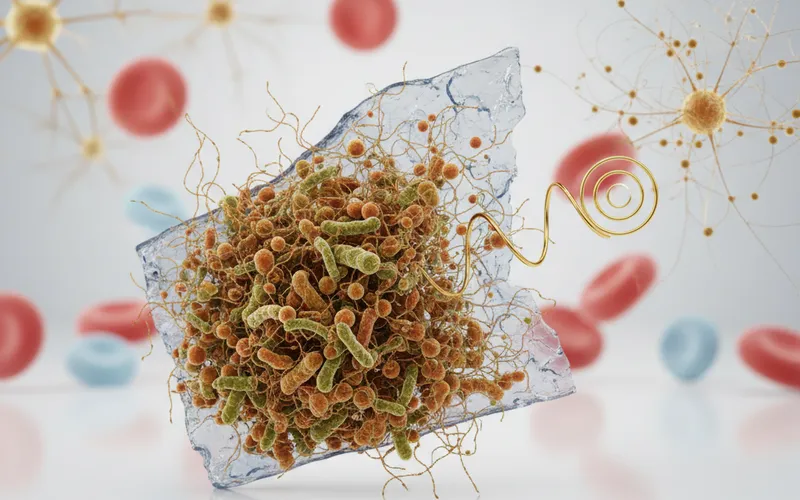
Für ihre Studie isolierten sie Bakteriengemeinschaften aus Mangroven-Sedimenten und setzten diese unter kontrollierten Laborbedingungen fünf verschiedenen gängigen Kunststoffen aus: Polyethylenterephthalat (PET), Polystyrol (PS), Polyethylen niedriger Dichte (LDPE), Polyethylen hoher Dichte (HDPE) und Polypropylen (PP). Über einen Zeitraum von 120 Tagen beobachteten sie, wie die Bakterien mit den Kunststoffen interagierten. Dabei analysierten sie nicht nur den Gewichtsverlust der Plastikproben, sondern auch Veränderungen an der Oberfläche und der mechanischen Stabilität. Mithilfe modernster Techniken wie konfokaler Laser-Scanning-Mikroskopie, Atomkraftmikroskopie und Fourier-Transform-Infrarot-Spektroskopie untersuchten sie die Bildung von Biofilmen, mikroskopisch kleine Vertiefungen und chemische Veränderungen an den Polymerketten.
Die Ergebnisse waren bemerkenswert: Alle untersuchten Kunststoffarten zeigten einen Abbau durch die Bakteriengemeinschaften. Besonders anfällig waren Polystyrol (PS) mit einem Gewichtsverlust von 20.14% und PET mit 8.33%. Die Analysen zeigten eine ausgeprägte Biofilmbildung auf den Oberflächen, was auf eine aktive Interaktion der Bakterien hindeutet. Es wurden auch nanoskalige Vertiefungen und die Einlagerung oxidativer funktioneller Gruppen festgestellt, die auf einen chemischen Abbau der Polymere hindeuten. Sogar die mechanische Integrität der Kunststoffe litt, was mit der oberflächengesteuerten strukturellen Schwächung übereinstimmt.
Quelle: Bhattacharya S, Kolandhasamy P, Mandal A, Rajaram R, Darbha GK (2026). Biofilm-mediated surface depolymerization of multiple synthetic polymers by mangrove-derived bacterial consortia. J Hazard Mater, 507. PubMed-ID: 41880855
Was heisst das wirklich? – Die kritische Einordnung
Diese Studie liefert spannende Einblicke und quantitative Beweise dafür, dass umweltangepasste mikrobielle Gemeinschaften den Abbau von Kunststoffen fördern können. Aber was bedeutet das genau, und wie sollten wir diese Ergebnisse einordnen?
Zunächst ist es wichtig zu verstehen, dass diese Experimente unter kontrollierten Laborbedingungen stattfanden. Das heisst, die Forschenden konnten Faktoren wie Temperatur, Nährstoffverfügbarkeit und die Zusammensetzung der Bakteriengemeinschaften genau steuern. In der realen Umwelt, mit ihren komplexen und wechselhaften Bedingungen, läuft der Abbau von Plastik ungleich langsamer und ist vielen weiteren Einflussfaktoren unterworfen. Ein Gewichtsverlust von 20% bei PS über 120 Tage ist im Labor ein grosser Erfolg, aber in der Natur, wo Plastik oft Hunderte von Jahren überdauert, ist das nur ein Tropfen auf den heissen Stein.
Die Studie konzentrierte sich auf die „frühen Phasen“ des Abbaus und die Oberflächenveränderungen. Das ist ein wichtiger Schritt, aber es ist noch ein langer Weg, bis ein Plastikstück vollständig verschwunden ist und seine Bestandteile sicher in den Naturkreislauf zurückgeführt wurden. Es wurde auch nicht detailliert untersucht, welche spezifischen Abbauprodukte entstehen und ob diese möglicherweise selbst schädlich sein könnten. Ein verbesserter Laborwert ist ein Hinweis, aber noch kein Beweis, dass es dir besser geht – und ein gemessener Gewichtsverlust am Plastik ist ein Hinweis, aber noch kein Beweis, dass das Umweltproblem gelöst ist.
Die Stärke der Studie liegt in der detaillierten methodischen Analyse der Oberflächenveränderungen, die auf einen echten biologischen Abbau hindeuten. Die Verwendung verschiedener hochauflösender Techniken untermauert die Beobachtungen. Eine Grenze ist jedoch, dass die Studie mit Bakteriengemeinschaften und nicht mit einzelnen Stämmen arbeitete. Das macht die Analyse komplexer, spiegelt aber auch die Realität von Ökosystemen besser wider. Für wen gelten die Ergebnisse? Primär für die spezifischen Mangroven-Bakteriengemeinschaften unter den getesteten Laborbedingungen. Ob diese Ergebnisse direkt auf andere Ökosysteme oder gar auf industrielle Massstäbe übertragbar sind, muss noch gezeigt werden.
Denkwerkzeug: Wenn du eine Studie liest, die über den Abbau von Schadstoffen in der Natur berichtet, frage dich: Findet dieser Prozess unter idealen Laborbedingungen statt oder unter den komplexen, oft widrigen Bedingungen der realen Welt? Wie gross ist die gemessene Veränderung im Vergleich zum Gesamtproblem?
Der Geist im Körper – Die psychophysiologische Perspektive
Diese Studie handelt zwar nicht direkt von menschlicher Gesundheit, aber das psychophysiologische Interaktionsmodell lässt sich auch auf unser Verhältnis zur Umwelt und zu solchen Forschungsergebnissen anwenden. Hier geht es um unsere Wahrnehmung, unsere Erwartungen und unsere Motivation, wenn wir über grosse Probleme wie die Plastikverschmutzung sprechen.
Wie reagierst du, wenn du solche Nachrichten liest? Fühlst du dich erleichtert, dass die Natur vielleicht eine Lösung findet? Oder bleibst du skeptisch und denkst, dass es sich nur um einen Tropfen auf den heissen Stein handelt? Deine innere Haltung beeinflusst, wie du diese Information verarbeitest und welche Konsequenzen du daraus ziehst. Wenn wir zum Beispiel zu optimistisch sind und glauben, dass die Natur das Problem schon regeln wird, könnten wir dazu neigen, unsere eigenen Anstrengungen zur Plastikreduktion zu vernachlässigen.
Umgekehrt kann die schiere Grösse des Problems – Berge von Plastikmüll, die sich über Jahrhunderte nicht abbauen – zu einer Art Ohnmachtsgefühl oder Stress führen. Das Gefühl, nichts bewirken zu können, kann demotivierend wirken und dazu führen, dass wir uns vom Problem abwenden. Hier wirken psychologische Mechanismen wie die sogenannte „Learned Helplessness“, die uns glauben lässt, dass unsere Handlungen bedeutungslos sind.
Die psychophysiologische Brücke hier ist die **Erwartungshaltung** und die **Selbstwirksamkeit**. Die Erwartung, dass es biologische Lösungen für Plastikmüll gibt, kann grundsätzlich positiv sein, da sie Hoffnung weckt. Aber entscheidend ist, ob diese Hoffnung mit einer gesteigerten oder verringerten Selbstwirksamkeit einhergeht. Fühlt sich der Mensch durch solche Entdeckungen ermutigt, seinen eigenen Beitrag zu leisten, weil er sieht, dass Lösungen möglich sind? Oder delegiert er die Verantwortung an die Natur und die Wissenschaft?
Es ist gut denkbar, dass die Präsentation solcher Studien einen Hawthorne-Effekt auslösen kann: Wenn wir wissen, dass an Lösungen geforscht wird, kann das unser Bewusstsein für das Problem schärfen und unser Verhalten subtil beeinflussen, auch wenn wir nicht direkt an der Studie beteiligt sind. Die reine Kenntnis, dass „etwas passiert“, kann eine psychologische Wirkung entfalten und uns vielleicht dazu anregen, bewusster mit Plastik umzugehen.
Der grössere Kontext – Einordnung und Abhängigkeiten
Diese Studie ist ein weiteres wichtiges Puzzleteil in der globalen Forschung zum Plastikabbau. Sie bestätigt und erweitert frühere Erkenntnisse, dass Mikroorganismen, insbesondere Bakterien, in der Lage sind, Kunststoffe zu zersetzen. Die Mangroven-Sedimente werden hier als „underexplored reservoirs“ – unzureichend erforschte Quellen – von Plastik-interagierenden Mikroben identifiziert, was die Bedeutung dieser einzigartigen Ökosysteme unterstreicht.
Die Finanzierung der Studie und mögliche Interessenkonflikte werden im Abstract nicht explizit genannt. Da es sich um eine Grundlagenforschungsstudie von akademischen Institutionen handelt, sind grosse kommerzielle Interessen in dieser Phase unwahrscheinlich. Das stärkt die wissenschaftliche Glaubwürdigkeit der Ergebnisse, da keine direkten kommerziellen Anwendungen im Vordergrund stehen.
Es ist wichtig zu betonen, dass diese Studie nicht isoliert betrachtet werden darf. Sie reiht sich ein in eine wachsende Zahl von Veröffentlichungen, die sich mit dem mikrobiellen Plastikabbau beschäftigen. Während einige Studien einzelne Bakterienstämme oder Enzyme identifizieren, die spezifische Polymere abbauen können, konzentriert sich diese auf die komplexen Interaktionen innerhalb einer Bakteriengemeinschaft. Das ist realistischer, da in der Natur selten ein einzelner Akteur das Problem löst.
Was wurde nicht kontrolliert? In einem Laborexperiment ist es unmöglich, alle Umweltfaktoren abzubilden, die in einem komplexen Ökosystem wie einer Mangrove wirken. Faktoren wie UV-Strahlung, Strömungen, die Anwesenheit anderer Organismen und die vielfältige chemische Zusammensetzung des Wassers und Sediments könnten den Abbauprozess in der Natur beschleunigen oder verlangsamen. Auch die Langzeitwirkung und das Schicksal der Abbauprodukte sind in dieser Studie noch nicht vollständig geklärt.
Denkwerkzeug: Wenn du von einer neuen wissenschaftlichen Entdeckung liest, frage dich: Ist dies eine isolierte Erkenntnis oder passt sie in ein bereits bestehendes Bild? Gibt es andere Studien, die ähnliche oder gegensätzliche Ergebnisse zeigen? Und vor allem: Welche Lücken bleiben bestehen, die weitere Forschung erfordern?
Was heisst das für dich? – Fazit und Alltagsrelevanz
Diese Forschung aus den Mangroven Indiens ist ein Hoffnungsschimmer im Kampf gegen die Plastikflut. Sie zeigt uns, dass die Natur erstaunliche Anpassungsfähigkeiten besitzt und uns vielleicht eines Tages Werkzeuge an die Hand geben kann, um mit unserem Plastikmüll umzugehen. Doch was kannst du konkret daraus mitnehmen?
- Grund zur Hoffnung, aber keine Entwarnung: Die Entdeckung von Bakterien, die Plastik abbauen können, ist wissenschaftlich faszinierend und bietet langfristig Potenzial für biotechnologische Lösungen. Es ist wichtig, diese Entwicklungen positiv zu sehen und zu erkennen, dass die Wissenschaft aktiv an Lösungen arbeitet.
- Deine Rolle bleibt entscheidend: Auch wenn die Natur ihren Teil beitragen kann, ist die beste Lösung immer noch die Vermeidung von Plastikmüll. Diese Studie entbindet uns nicht von der Verantwortung, unseren eigenen Plastikverbrauch kritisch zu hinterfragen und zu reduzieren. Betrachte diese Forschung als Ergänzung, nicht als Ersatz für dein eigenes Handeln.
- Komplexe Probleme erfordern komplexe Lösungen: Der Plastikabbau ist ein vielschichtiges Problem. Es gibt nicht die eine Wunderlösung. Vielmehr braucht es ein Zusammenspiel aus Forschung, politischer Regulierung, industrieller Innovation und individuellem Verhalten.
Was solltest du NICHT daraus schliessen? Du solltest nicht denken, dass du jetzt unbesorgt Plastik verwenden kannst, weil die Natur es schon abbauen wird. Die Geschwindigkeit und Effizienz des Abbaus in der Natur ist immer noch viel zu gering, um die riesigen Mengen an neu produziertem Plastik zu bewältigen. Die Studie ist ein erster Schritt, keine fertige Lösung.
Für wen ist das besonders relevant? Diese Erkenntnisse sind vor allem für Forschende in der Umweltmikrobiologie und Biotechnologie von Bedeutung, da sie neue Wege für die Entwicklung von Bioremediationsstrategien aufzeigen. Aber auch für jeden von uns ist es relevant, da es unser Verständnis für die Komplexität und die potenziellen Lösungen für ein globales Umweltproblem erweitert.
Der psychophysiologische Gedanke zum Schluss: Denk daran, dass deine Einstellung zu Umweltproblemen und deine Überzeugung, etwas bewirken zu können, einen grossen Einfluss auf dein Handeln haben. Der Körper reagiert nicht nur auf das, was du isst oder wie du dich bewegst, sondern auch darauf, wie du die Welt um dich herum wahrnimmst und welche Rolle du dir selbst in ihr zuschreibst. Bleib neugierig, kritisch und engagiert.
Welche Fragen bleiben offen? Wie schnell können diese Bakterien unter realen Bedingungen Plastik abbauen? Welche spezifischen Gene sind für den Abbau verantwortlich? Und können wir diese Prozesse so optimieren, dass sie in grossem Massstab angewendet werden können? Die Forschung geht weiter, und es bleibt spannend, welche weiteren Erkenntnisse uns die Mangroven und ihre mikroskopischen Bewohner noch bescheren werden.
Lass uns diese faszinierenden Entdeckungen als Motivation verstehen, weiterhin verantwortungsvoll mit unserer Umwelt umzugehen und gleichzeitig die wissenschaftliche Suche nach innovativen Lösungen zu unterstützen.