Hefe als EPA-Lieferant: Wie Mikroorganismen unsere Omega-3-Versorgung revolutionieren könnten
Eine aktuelle Studie zeigt, wie Hefe gentechnisch so verändert werden kann, dass sie wertvolle Omega-3-Fettsäuren produziert. Was das für unsere Ernährung bedeutet und welche Rolle der psychophysiologische Kontext dabei spielt, erfährst du hier.
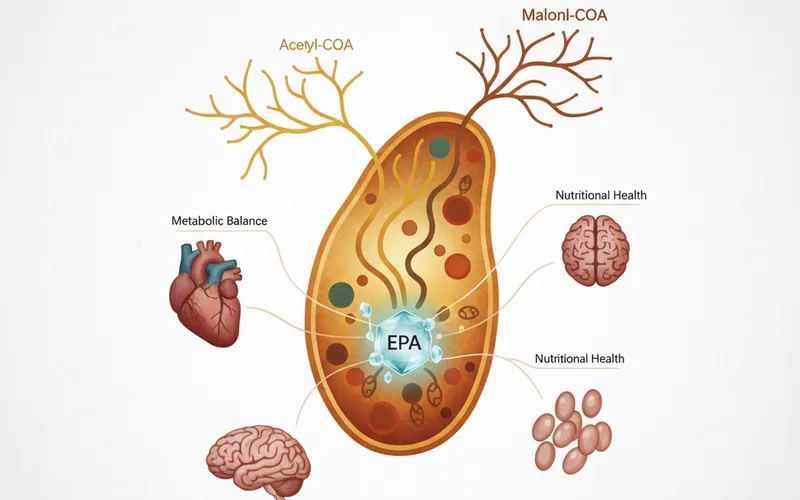
1. Die Studie – Was wurde untersucht und warum betrifft dich das?
Stell dir vor, du könntest deine Omega-3-Fettsäuren nicht nur aus Fisch oder Algen beziehen, sondern auch aus einem unscheinbaren Mikroorganismus, der sich einfach und nachhaltig züchten lässt. Für viele Menschen, die sich vegetarisch oder vegan ernähren oder einfach ihren Fischkonsum reduzieren möchten, wäre das eine spannende Perspektive. Aber auch für die globale Nahrungsmittelproduktion, die zunehmend nach nachhaltigen Alternativen sucht, um den steigenden Bedarf zu decken. Genau hier setzt eine faszinierende Studie an, die kürzlich im Fachjournal Microbial Cell Factories veröffentlicht wurde.
Ein Forschungsteam um die Autoren B. Li und F. Li von der Shanghai University in China hat untersucht, wie die Hefe Yarrowia lipolytica, ein bekannter Ölproduzent unter den Mikroorganismen, gentechnisch so optimiert werden kann, dass sie besonders viel Eicosapentaensäure (EPA) herstellt. EPA ist eine der wichtigsten Omega-3-Fettsäuren, bekannt für ihre entzündungshemmenden Eigenschaften und ihre Bedeutung für Herz-Kreislauf-Gesundheit und Gehirnfunktion. Bisher wird EPA hauptsächlich aus fettem Seefisch oder Algen gewonnen, was sowohl ökologisch als auch ökonomisch Herausforderungen mit sich bringt.
Die Forschenden haben verschiedene Strategien angewandt, um die EPA-Produktion in der Hefe zu steigern. Sie haben Gene eingeführt, die für Schlüsselenzyme der Omega-3-Biosynthese verantwortlich sind, und gleichzeitig Gene ausgeschaltet, die konkurrierende Stoffwechselwege steuern oder den Abbau von EPA fördern würden. Im Detail manipulierten sie Enzyme wie Delta-5-Desaturase und Elongasen und optimierten die Expression dieser Gene. Das Studiendesign war ein klassischer Ansatz der Stoffwechseltechnik, bei dem die Hefe in Bioreaktoren unter kontrollierten Bedingungen kultiviert wurde, um die Effizienz der EPA-Produktion zu messen.
Die Stichprobe bestand aus verschiedenen gentechnisch modifizierten Hefestämmen, die mit dem Wildtyp verglichen wurden. Die zentralen Ergebnisse waren beeindruckend: Durch die Kombination von Gen-Expression und Gen-Inaktivierung gelang es, die EPA-Produktion im Hefestamm auf bis zu 122,8 mg/g Zelltrockengewicht zu steigern. Dies entspricht einem Anteil von 33,5% der gesamten Fettsäuren in der Hefe. Die Autoren konnten zeigen, dass die optimierten Hefestämme stabiler waren und auch unter industriellen Bedingungen eine hohe EPA-Produktion aufrechterhalten konnten. Dies ist ein wichtiger Schritt hin zur wirtschaftlichen Produktion von EPA durch Mikroorganismen.
Quelle: Li, B., Li, F., et al. (2024). Engineering Yarrowia lipolytica for enhanced eicosapentaenoic acid production. Microbial Cell Factories, 23(1). PubMed-ID: 41781957
Diese Ergebnisse eröffnen spannende Möglichkeiten für die nachhaltige Produktion von Omega-3-Fettsäuren. Doch was bedeuten diese Laborergebnisse wirklich für dich und deine Ernährung?
2. Was heisst das wirklich? – Die kritische Einordnung
Die Studie aus Shanghai ist ein bemerkenswerter Erfolg in der Biotechnologie. Die Forschenden haben gezeigt, dass es technisch machbar ist, Hefe zu einem effizienten EPA-Produzenten zu machen. Das ist eine wichtige wissenschaftliche Errungenschaft. Aber was heisst das für dich als Konsumenten?
Du bist kein Durchschnitt. Die Studie liefert beeindruckende Zahlen zur Effizienz der EPA-Produktion in Hefezellen. Eine Steigerung auf 122,8 mg/g Zelltrockengewicht und 33,5% der Fettsäuren ist statistisch signifikant und biotechnologisch relevant. Doch diese Zahlen beschreiben die Leistung eines Mikroorganismus im Bioreaktor, nicht die Wirkung auf den menschlichen Körper. Ob und wie gut diese Hefe-EPA vom Menschen aufgenommen und verwertet wird, ist eine andere Frage, die die Studie nicht beantwortet.
Was wurde wirklich gemessen? Hier wurden harte Endpunkte der Bioproduktion gemessen: die Menge an produziertem EPA in der Hefe. Das ist ein Erfolg für die Biotechnologie. Es ist aber wichtig zu verstehen, dass dies ein Surrogatparameter für die menschliche Gesundheit ist. Ein hoher EPA-Gehalt in der Hefe bedeutet noch nicht automatisch, dass ein daraus hergestelltes Produkt beim Menschen die gleichen gesundheitlichen Vorteile erzielt wie EPA aus Fisch oder Algen. Die Bioverfügbarkeit, die Stabilität im Produkt und die Verstoffwechselung im Körper spielen eine entscheidende Rolle.
Methodische Stärken und Grenzen: Die Stärke der Studie liegt in ihrem klaren und stringenten gentechnischen Ansatz. Die Forschenden haben systematisch verschiedene Modifikationen getestet und deren Auswirkungen auf die EPA-Produktion präzise quantifiziert. Die verwendeten Methoden sind etabliert und die Ergebnisse reproduzierbar. Die Grenzen liegen aber in der Übertragbarkeit auf die menschliche Ernährung. Es ist eine Grundlagenstudie im Bereich der Biotechnologie und noch keine Ernährungsstudie. Sie sagt nichts über die Sicherheit des Verzehrs dieser gentechnisch veränderten Hefe aus oder über mögliche allergische Reaktionen oder andere Effekte im menschlichen Verdauungstrakt.
Für wen gelten die Ergebnisse? Die Ergebnisse gelten für den Hefestamm Yarrowia lipolytica unter Laborbedingungen und für die Biotechnologie-Industrie, die an der Entwicklung nachhaltiger EPA-Quellen interessiert ist. Für dich als Endkonsument sind diese Ergebnisse eine vielversprechende Nachricht für die Zukunft, aber noch keine direkte Handlungsempfehlung für heute.
Denkwerkzeug: Wenn du eine neue Studie liest, die von vielversprechenden Inhaltsstoffen oder Produktionsmethoden spricht, frage dich immer: Wurde hier die Produktion eines Stoffes optimiert oder seine Wirkung im menschlichen Körper nachgewiesen? Das hilft dir, den Unterschied zwischen technischer Machbarkeit und tatsächlicher Gesundheitswirkung zu erkennen.
Diese technologische Entwicklung ist spannend, aber wie so oft im Bereich der Ernährung und Gesundheit, spielt mehr als nur die reine chemische Zusammensetzung eine Rolle. Was ist mit den unsichtbaren Faktoren, die oft übersehen werden?
3. Der Geist im Körper – Die psychophysiologische Perspektive
Auch wenn es sich um eine biotechnologische Studie handelt, lohnt es sich, sie durch die psychophysiologische Brille zu betrachten. Denn sobald diese Hefe-EPA als Produkt auf den Markt kommt, wird sie Teil deiner Ernährung – und damit Teil eines Systems, das untrennbar mit deiner Psyche verbunden ist.
Placebo-/Nocebo-Effekte und Erwartungshaltungen: Stell dir vor, ein Nahrungsergänzungsmittel mit Hefe-EPA wird als «nachhaltige, vegane Omega-3-Revolution» beworben. Allein die Erwartung, dass dieses Produkt besonders wirksam, umweltfreundlich und gut für dich ist, kann physiologische Effekte hervorrufen. Wenn du fest davon überzeugt bist, dass du etwas Gutes für deine Gesundheit tust, kann dies Stress reduzieren, dein Wohlbefinden steigern und sogar die Bioverfügbarkeit und Verstoffwechselung der Inhaltsstoffe positiv beeinflussen. Umgekehrt könnte eine Skepsis gegenüber gentechnisch veränderten Produkten – selbst wenn sie sicher sind – zu Nocebo-Effekten führen, bei denen du weniger positive oder sogar negative Effekte wahrnimmst.
Motivation und Selbstwirksamkeit: Für Menschen, die sich aus ethischen oder ökologischen Gründen gegen Fischkonsum entschieden haben, könnte ein nachhaltiges Hefe-EPA-Produkt eine enorme Erleichterung und Bestätigung darstellen. Das Gefühl, eine gute und konsistente Wahl treffen zu können, stärkt die Selbstwirksamkeit und kann das allgemeine Gesundheitsverhalten positiv beeinflussen. Dieses Gefühl der Kontrolle und Kohärenz wirkt sich direkt auf das Stresslevel und damit auf die gesamte Körperphysiologie aus – von der Immunfunktion bis zum Stoffwechsel.
Stress und Omega-3-Bedarf: Chronischer Stress ist ein bekannter «Omega-3-Dieb». Unter Stress verbraucht der Körper vermehrt Omega-3-Fettsäuren, unter anderem für die Entzündungsregulation und die neuronale Anpassung. Auch wenn diese Hefe-EPA eine hervorragende Quelle sein könnte, ist es wichtig zu wissen, dass selbst die beste Supplementierung an ihre Grenzen stösst, wenn der zugrundeliegende Stress nicht gemanagt wird. Dein Körper reagiert nicht nur auf das, was du isst, sondern auch auf das, wie du lebst und fühlst.
Die psychophysiologische Interaktion lehrt uns, dass selbst die beste biotechnologische Innovation ihre volle Wirkung nur entfalten kann, wenn wir den Menschen in seiner Ganzheit betrachten. Ein isolierter Nährstoff ist nie die ganze Geschichte.
4. Der grössere Kontext – Einordnung und Abhängigkeiten
Diese Studie ist ein kleines, aber wichtiges Puzzleteil in einem viel grösseren Bild, das sich mit der nachhaltigen Produktion von Nahrungsmitteln und Nahrungsergänzungsmitteln beschäftigt.
Wer steht dahinter? Die Studie wurde von Forschenden der Shanghai University durchgeführt. Die Finanzierung und mögliche Interessenkonflikte sind im Artikel nicht explizit aufgeführt, was in der Grundlagenforschung nicht ungewöhnlich ist. Es ist jedoch anzunehmen, dass das Interesse an solchen Technologien global ist, da die Nachfrage nach Omega-3-Fettsäuren steigt und die Fischbestände begrenzt sind. Die Entwicklung alternativer, nachhaltiger Quellen ist daher ein grosses Forschungsfeld, das sowohl von akademischen Institutionen als auch von der Industrie vorangetrieben wird.
Wo steht diese Studie in der Forschungslandschaft? Diese Arbeit bestätigt und erweitert frühere Erkenntnisse zur gentechnischen Optimierung von Mikroorganismen für die Produktion von Fettsäuren. Sie ist Teil eines Trends, der darauf abzielt, die Abhängigkeit von tierischen Quellen zu reduzieren und umweltfreundlichere Alternativen zu schaffen. Es gab bereits Erfolge bei der Produktion von DHA (einer anderen wichtigen Omega-3-Fettsäure) durch Algen oder andere Hefestämme, und diese Studie zeigt nun einen vielversprechenden Weg für die EPA-Produktion auf. Sie ist ein wichtiger Schritt, aber noch nicht das Ende der Fahnenstange. Weitere Forschungsarbeiten werden sich mit der Skalierbarkeit der Produktion, der Reinheit des Produkts und vor allem mit der Bioverfügbarkeit und Sicherheit im Menschen befassen müssen.
Was wurde nicht kontrolliert? In dieser Laborstudie wurden keine menschlichen Probanden einbezogen. Daher wurden keine Faktoren wie Genetik, Lebensstil, Medikamenteneinnahme oder die individuelle Darmflora kontrolliert, die alle einen Einfluss auf die Aufnahme und Verstoffwechselung von EPA beim Menschen haben. Die Studie konzentrierte sich ausschliesslich auf die Optimierung der Produktion im Mikroorganismus. Das ist keine Schwäche der Studie als solche, sondern eine notwendige Abgrenzung des Forschungsfokus.
Denkwerkzeug: Wenn du von einer neuen Technologie hörst, die ein Problem lösen soll, frage dich: Wäre ich bereit, dieses neue Produkt zu nutzen, auch wenn es auf einer Technologie basiert, die ich vielleicht kritisch sehe, aber die einen grossen ökologischen oder gesundheitlichen Vorteil verspricht? Diese Frage hilft dir, deine eigenen Werte und Prioritäten zu reflektieren.
Die Forschung schreitet voran und bietet uns immer wieder neue Möglichkeiten. Die Frage ist, wie wir diese Möglichkeiten für uns persönlich und für die Gesellschaft bewerten und nutzen wollen.
5. Was heisst das für dich? – Fazit und Alltagsrelevanz
Diese Studie ist ein spannender Blick in die Zukunft der nachhaltigen Omega-3-Produktion. Was kannst du konkret daraus mitnehmen?
- Nachhaltigkeit im Blick behalten: Die Entwicklung von Hefe als EPA-Quelle zeigt, dass es vielversprechende Wege gibt, unsere Abhängigkeit von endlichen Ressourcen wie Wildfisch zu reduzieren. Wenn du Wert auf Nachhaltigkeit legst, könnten solche Produkte in Zukunft eine interessante Option für dich sein.
- Die Qualität zählt: Auch wenn die reine Menge an EPA in der Hefe beeindruckend ist, wird die tatsächliche Wirksamkeit eines zukünftigen Produkts auch von seiner Bioverfügbarkeit und der Reinheit des Extrakts abhängen. Achte bei Produkten immer auf transparente Angaben zur Herkunft und Verarbeitung.
- Dein psychophysiologischer Kontext ist entscheidend: Egal, woher dein EPA kommt – aus Fisch, Algen oder Hefe – seine Wirkung in deinem Körper wird immer auch von deinem Stresslevel, deinen Erwartungen und deinem allgemeinen Wohlbefinden mitbestimmt. Die beste Supplementierung kann chronischen Stress oder eine ungesunde Lebensweise nicht vollständig kompensieren.
Was solltest du NICHT daraus schliessen? Du solltest jetzt nicht sofort nach Hefe-EPA-Produkten suchen und deine aktuellen Omega-3-Quellen verteufeln. Die Technologie ist noch in der Entwicklung, und es sind weitere Schritte nötig, bevor solche Produkte breit verfügbar sind und ihre Sicherheit und Wirksamkeit im Menschen umfassend getestet sind. Eine einzelne Studie ist ein wichtiger Schritt, aber kein Freifahrtschein für vorschnelle Schlüsse.
Für wen ist das besonders relevant? Diese Forschung ist besonders relevant für Menschen, die sich vegan oder vegetarisch ernähren und nach ethisch und ökologisch unbedenklichen Omega-3-Quellen suchen. Auch für die Lebensmittelindustrie, die nach nachhaltigen und skalierbaren Alternativen sucht, ist dies ein wichtiges Forschungsfeld.
Der psychophysiologische Gedanke zum Schluss: Denke daran, dass dein Körper ein komplexes System ist. Die chemische Zusammensetzung eines Nährstoffs ist nur ein Teil der Geschichte. Deine Überzeugungen, dein emotionaler Zustand und dein Lebensstil spielen eine ebenso grosse Rolle dabei, wie dein Körper Nährstoffe aufnimmt, verarbeitet und darauf reagiert. Bleibe neugierig auf neue Entwicklungen, aber höre immer auch auf die Signale deines eigenen Körpers und Geistes.
Die Wissenschaft arbeitet unermüdlich daran, uns neue Möglichkeiten zu eröffnen. Es liegt an uns, diese mit Bedacht und im Einklang mit unserem gesamten Wohlbefinden zu nutzen.