Die verborgene Verbindung: Wie Polyphenole die Darm-Hirn-Brust-Achse in der Mutterschaft beeinflussen
Die Mutterschaft ist eine Zeit tiefgreifender Veränderungen. Eine neue Übersichtsarbeit beleuchtet, wie Polyphenole aus der Nahrung über die Darm-Hirn-Brust-Achse das Wohlbefinden von Müttern und die Zusammensetzung der Muttermilch beeinflussen können. Entdecke die faszinierende Verbindung von Ernährung, Psyche und Körper in dieser besonderen Lebensphase.
1. Die Studie – Was wurde untersucht und warum betrifft dich das?
Stell dir vor, du bist gerade Mutter geworden. Dein Körper hat Unglaubliches geleistet, und jetzt jonglierst du mit Schlafmangel, hormonellen Achterbahnfahrten und einer völlig neuen Identität. In dieser intensiven Zeit sind dein Wohlbefinden und die Gesundheit deines Babys untrennbar miteinander verbunden. Aber wusstest du, dass das, was du isst, nicht nur deine Stimmung beeinflussen, sondern auch die Qualität deiner Muttermilch und sogar die Entwicklung des Gehirns deines Kindes mitprägen könnte?
Eine spannende neue Übersichtsarbeit von Forschenden aus Frankreich und Argentinien beleuchtet genau diese faszinierende Verbindung. Sie haben sich mit der sogenannten Darm-Hirn-Brust-Achse beschäftigt und untersucht, welche Rolle Polyphenole – das sind bioaktive Pflanzenstoffe, die in vielen Früchten, Gemüse, Kaffee und Tee vorkommen – dabei spielen. Es geht um nicht weniger als die Frage, wie Ernährung, psychische Gesundheit und die Zusammensetzung der Muttermilch in der Zeit nach der Geburt zusammenhängen.
Die Autorinnen und Autoren, darunter Agustin Miranda und Kollegen, haben eine Vielzahl von Studien zusammengetragen, um ein integratives Bild dieser komplexen Zusammenhänge zu zeichnen. Ihre narrative Übersichtsarbeit untersucht, wie die Ernährung der Mutter, insbesondere die Aufnahme von Polyphenolen, die kognitiven Funktionen der Mutter und die Zusammensetzung der Muttermilch während der Stillzeit beeinflusst. Sie stellen fest, dass die frühe Mutterschaft erhebliche neurobiologische und psychologische Anpassungen mit sich bringt, die zusammen mit Stress, Schlafstörungen und anderen psychischen Herausforderungen die kognitiven Fähigkeiten der Mutter und die Laktationsphysiologie beeinflussen können.
Die Studie hebt hervor, dass Polyphenole mit dem Darmmikrobiom interagieren, um bioaktive Metaboliten zu produzieren. Diese Metaboliten sind in der Lage, neuroinflammatorische Signalwege, die Neurotransmission und die endokrine Signalgebung zu modulieren – allesamt Prozesse, die für die kognitive Funktion der Mutter relevant sind. Darüber hinaus könnte der mütterliche Polyphenolkonsum auch die Zusammensetzung der Muttermilch beeinflussen, einschliesslich ihrer antioxidativen Aktivität und ihres Lipidprofils, was sich wiederum auf die Gesundheit von Mutter und Kind auswirken kann.
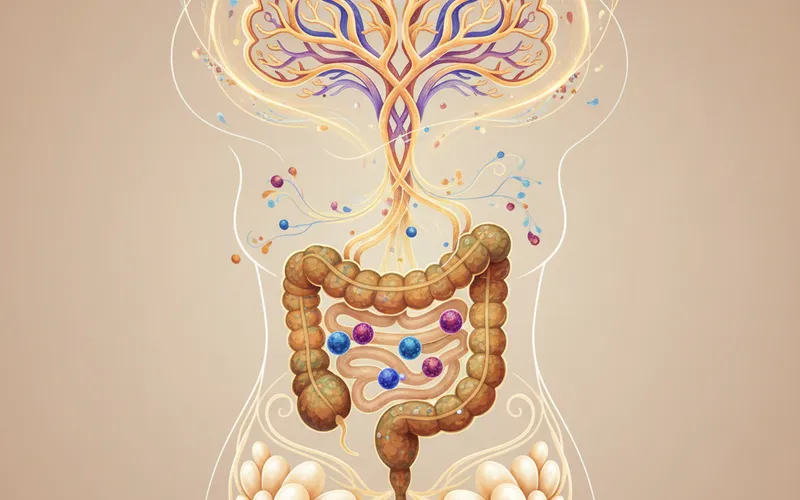
Diese komplexen Wechselwirkungen werden im Rahmen der Darm-Hirn-Brust-Achse konzeptualisiert. Diese Achse zeigt auf, wie ernährungsbedingte, psychologische und mikrobielle Faktoren zusammenwirken, um das Wohlbefinden nach der Geburt zu unterstützen. Obwohl die meisten aktuellen Erkenntnisse aus präklinischen Studien stammen, unterstreichen diese Ergebnisse das Potenzial integrativer perinataler Strategien, die Ernährung, psychische Unterstützung und mikrobiota-gezielte Interventionen kombinieren, um die Ergebnisse für Mutter und Kind zu optimieren.
Die Forschenden betonen, dass zukünftige Studien am Menschen notwendig sind, um die zugrunde liegenden Mechanismen und Effekte zu klären und evidenzbasierte Ernährungsstrategien zu entwickeln, die die Darm-Hirn-Brust-Achse stärken und die psychische Gesundheit der Mutter unterstützen.
Quelle: Miranda AR, Barral PE, Serra SV, Soria EA (2026). Integrative perspective on the maternal Gut-Brain-Breast axis: Linking dietary polyphenols, mental health, and human milk composition. The Journal of nutritional biochemistry, 110334. PubMed-ID: 41775285
2. Was heisst das wirklich? – Die kritische Einordnung
Diese Übersichtsarbeit ist, wie der Name schon sagt, eine Zusammenfassung und Interpretation bereits vorhandener Forschungsergebnisse, hauptsächlich aus präklinischen Studien. Das bedeutet, hier wurden keine neuen Experimente an Menschen durchgeführt, sondern die Forschenden haben die Literatur gesichtet und ein Modell entwickelt, das die verschiedenen Puzzleteile zusammenfügt. Das ist eine wichtige und wertvolle Arbeit, denn sie hilft uns, Querverbindungen zu erkennen, die in Einzelstudien oft übersehen werden.
Du bist kein Durchschnitt. Eine narrative Übersichtsarbeit liefert keine statistisch signifikanten Ergebnisse im klassischen Sinne, aber sie kann Hypothesen aufstellen, die für dich persönlich sehr relevant sein könnten. Wenn die Studie davon spricht, dass Polyphenole die Neurotransmission modulieren können, heisst das nicht, dass jeder Schluck Kaffee dich sofort zur Super-Mutter macht. Es bedeutet vielmehr, dass es plausible biologische Mechanismen gibt, wie deine Ernährung dein Gehirn und deine Milchproduktion beeinflussen könnte. Die Effekte können von Person zu Person stark variieren, abhängig von deiner individuellen Darmflora, Genetik und deinem allgemeinen Gesundheitszustand.
Was wurde wirklich gemessen? Hier wurden keine harten Endpunkte wie eine reduzierte Rate von Wochenbettdepressionen oder eine verbesserte Säuglingsentwicklung gemessen. Stattdessen werden mögliche Mechanismen und Zusammenhänge aufgezeigt, die auf Laborwerten oder Tierstudien basieren. Das ist der Startpunkt für weitere Forschung, aber noch keine direkte Handlungsempfehlung für dich. Ein verbesserter Laborwert bei einem Tier bedeutet nicht zwingend, dass es dir als Mutter besser geht.
Methodische Stärken und Grenzen: Die grosse Stärke dieser Arbeit liegt darin, dass sie verschiedene Forschungsfelder – Ernährung, Mikrobiom, Neurowissenschaften, Endokrinologie und Laktationsphysiologie – zusammenführt. Sie zeigt auf, wie komplex die Zusammenhänge sind und wie wichtig ein ganzheitlicher Blick ist. Die grosse Grenze ist gleichzeitig ihre Natur: Es ist eine narrative Übersicht. Sie kann keine kausalen Zusammenhänge beweisen, sondern nur aufzeigen, welche Zusammenhänge plausibel sind und wo weitere Forschung ansetzen sollte. Die Betonung der präklinischen Studien bedeutet, dass viele dieser Erkenntnisse noch nicht direkt auf den Menschen übertragbar sind.
Für wen gelten die Ergebnisse? Die Ergebnisse sind als Modell für alle Mütter relevant, die sich für die Zusammenhänge zwischen Ernährung, Wohlbefinden und Stillen interessieren. Die konkreten Auswirkungen können aber, wie erwähnt, individuell sehr unterschiedlich sein.
Denkwerkzeug: Wenn du eine neue Mutter bist oder bald wirst, frage dich: Welche Rolle spielt meine Ernährung bereits jetzt für mein Energielevel und meine Stimmung? Bin ich bereit, kleine Anpassungen vorzunehmen, auch wenn die wissenschaftlichen Beweise noch nicht abschliessend sind?
3. Der Geist im Körper – Die psychophysiologische Perspektive
Hier kommen wir zum Kern dessen, was wir bei Jürg Hösli immer wieder betonen: Körper und Psyche sind keine voneinander getrennten Einheiten. Gerade in der sensiblen Phase der Mutterschaft wird das besonders deutlich. Die Forschenden erwähnen explizit, dass «Stress, Schlafstörungen und andere psychische Herausforderungen» die kognitiven Funktionen der Mutter und die Laktationsphysiologie beeinflussen können. Das ist genau der Punkt!
Nehmen wir das Beispiel der Polyphenole. Die Studie postuliert, dass diese Pflanzenstoffe über das Darmmikrobiom neuroinflammatorische Bahnen und Neurotransmitter beeinflussen können. Das ist hochinteressant, denn wir wissen, dass chronischer Stress und psychische Belastung genau diese Bahnen massgeblich beeinflussen. Wenn du dich als Mutter überfordert, ängstlich oder traurig fühlst, wirken sich diese Emotionen direkt auf dein Hormonsystem, dein Immunsystem und dein Darmmikrobiom aus. Es ist gut denkbar, dass selbst die besten Polyphenole nur eine begrenzte Wirkung entfalten können, wenn der psychische Stress übermächtig ist oder du dich in einer negativen Erwartungshaltung befindest.
Denk an den Placebo-/Nocebo-Effekt: Allein die Überzeugung, dass eine bestimmte Nahrung oder ein Supplement helfen wird, kann physiologische Veränderungen hervorrufen. Wenn eine Mutter also bewusst polyphenolreiche Lebensmittel zu sich nimmt, weil sie daran glaubt, dass sie ihr und ihrem Baby guttun, kann diese positive Erwartungshaltung bereits einen Teil des Effekts ausmachen. Umgekehrt könnte Stress die Aufnahme und Verwertung von Nährstoffen beeinträchtigen oder die Zusammensetzung des Darmmikrobioms so verändern, dass die positiven Effekte der Polyphenole abgeschwächt werden.
Es ist auch wichtig zu bedenken, dass die psychische Verfassung der Mutter die Ernährungsgewohnheiten selbst beeinflusst. Wer gestresst ist, greift vielleicht eher zu schnellen, weniger nahrhaften Lebensmitteln, anstatt sich Zeit für eine ausgewogene, polyphenolreiche Mahlzeit zu nehmen. Die psychische Gesundheit ist also nicht nur ein Endpunkt, der von Polyphenolen beeinflusst wird, sondern auch ein Faktor, der die Aufnahme und Wirkung dieser Stoffe massgeblich mitbestimmt. Die Darm-Hirn-Brust-Achse ist somit keine Einbahnstrasse, sondern ein komplexes, interaktives System, in dem Psyche und Körper untrennbar verwoben sind.
4. Der grössere Kontext – Einordnung und Abhängigkeiten
Diese Übersichtsarbeit ist ein wichtiges Puzzleteil in der wachsenden Erkenntnis, dass die Ernährung weit mehr ist als nur die Zufuhr von Kalorien. Sie bestätigt und erweitert die Forschung zur Bedeutung des Mikrobioms und der Darm-Hirn-Achse, die in den letzten Jahren immer mehr an Bedeutung gewonnen hat. Die Idee einer Darm-Hirn-Brust-Achse für die Mutterschaft ist eine logische Weiterentwicklung dieser Konzepte und zeigt, wie der mütterliche Körper ein hochintegriertes System ist.
Wer steht dahinter? Die Autoren sind an renommierten Forschungsinstituten und Universitäten in Frankreich und Argentinien tätig, was für eine solide akademische Verankerung spricht. Explizite Interessenkonflikte wurden von den Autoren verneint, was die Glaubwürdigkeit der Arbeit stärkt.
Wo steht diese Studie in der Forschungslandschaft? Diese Arbeit fasst den aktuellen Wissensstand zusammen und weist auf die Notwendigkeit weiterer Forschung am Menschen hin. Sie widerspricht keinen etablierten Erkenntnissen, sondern ergänzt sie, indem sie die Rolle der Polyphenole und die spezifische Situation der Mutterschaft in den Fokus rückt. Sie ist ein Aufruf zu mehr integrativer Forschung, die Ernährung, Mikrobiom und psychische Gesundheit in der perinatalen Phase gemeinsam betrachtet. Eine einzelne Übersichtsarbeit allein ist nie die ganze Wahrheit, aber sie hilft, die Forschungsagenda für die Zukunft zu definieren.
Was wurde nicht kontrolliert? In einer Übersichtsarbeit werden keine Variablen kontrolliert, da sie auf vorhandenen Daten basiert. Die zugrunde liegenden präklinischen Studien können jedoch oft nicht alle relevanten Lebensstilfaktoren berücksichtigen, die die Ergebnisse beeinflussen könnten. Faktoren wie der soziale Support, die finanzielle Situation der Familie, die Qualität der Partnerschaft oder der Zugang zu Gesundheitsversorgung – all das sind Aspekte, die den Stresslevel und damit die psychische und physiologische Gesundheit einer Mutter massgeblich beeinflussen und wiederum die Wirkung von Polyphenolen überlagern könnten. Diese Faktoren sind in der realen Welt untrennbar mit der Ernährung und dem Wohlbefinden verbunden.
Denkwerkzeug: Wenn du überlegst, deine Ernährung aufgrund solcher Studienergebnisse anzupassen, frage dich: Welche anderen Faktoren in meinem Leben könnten gerade einen stärkeren Einfluss auf mein Wohlbefinden haben als nur die Polyphenole in meiner Ernährung? Bin ich in der Lage, auch diese Faktoren anzugehen?
5. Was heisst das für dich? – Fazit und Alltagsrelevanz
Diese Übersichtsarbeit liefert spannende Hypothesen und zeigt dir, wie tiefgreifend die Verbindung zwischen deiner Ernährung, deinem Darm, deinem Gehirn und der Produktion deiner Muttermilch ist. Auch wenn noch viel Forschung nötig ist, bevor wir konkrete Ernährungsempfehlungen geben können, gibt es doch einige wichtige Erkenntnisse, die du für dich mitnehmen kannst:
- Ernähre dich polyphenolreich: Auch ohne abschliessende Studien am Menschen schadet es nicht, viele pflanzliche Lebensmittel zu essen. Beeren, dunkle Schokolade, Kaffee, Tee, Nüsse und buntes Gemüse sind reich an Polyphenolen und bieten viele weitere gesundheitliche Vorteile. Sie können dein Darmmikrobiom positiv beeinflussen, was wiederum gut für deine Stimmung und deine allgemeine Gesundheit ist.
- Achte auf dein psychisches Wohlbefinden: Stress, Ängste und Schlafstörungen können die positiven Effekte einer guten Ernährung untergraben. Nimm deine psychische Gesundheit ernst und suche dir Unterstützung, wenn du sie brauchst. Das kann so einfach sein wie Gespräche mit Freunden, Entspannungstechniken oder professionelle Hilfe.
- Dein Darm ist dein zweites Gehirn: Die Gesundheit deines Darms ist entscheidend. Eine vielfältige, pflanzenbasierte Ernährung, die reich an Ballaststoffen und präbiotischen Lebensmitteln ist, fördert ein gesundes Mikrobiom. Dies wiederum kann die Produktion von bioaktiven Metaboliten verbessern, die dein Gehirn und deine Hormonsysteme positiv beeinflussen.
Was solltest du NICHT daraus schliessen? Diese Studie ist keine Aufforderung, teure Polyphenol-Supplemente zu kaufen oder dich unter Druck zu setzen, perfekt zu essen. Es ist ein Hinweis darauf, dass deine Ernährung eine Rolle spielt, aber es ist nur ein Faktor unter vielen. Eine einzelne Studie oder Übersichtsarbeit ist kein Freifahrtschein für radikale Veränderungen. Dein Körper ist ein komplexes System, und kleine, nachhaltige Änderungen sind oft wirksamer als überstürzte Diäten.
Für wen ist das besonders relevant? Diese Erkenntnisse sind besonders relevant für (werdende) Mütter, Stillende und alle, die sich für die ganzheitliche Gesundheit von Mutter und Kind interessieren. Auch Fachpersonen im Gesundheitsbereich können diese Informationen nutzen, um eine noch umfassendere Beratung anzubieten.
Der psychophysiologische Gedanke zum Schluss: Deine Gesundheit, gerade in der Mutterschaft, ist ein wunderbares Zusammenspiel von Körper und Geist. Was du isst, was du denkst, wie du dich fühlst – all das wirkt sich auf dich und dein Baby aus. Nimm dir die Zeit, auf deinen Körper zu hören, dich gut zu ernähren und vor allem: Sei nachsichtig mit dir selbst. Du leistest Grossartiges!
Bleib neugierig und offen für die faszinierenden Verbindungen in deinem Körper. Die Wissenschaft macht ständig Fortschritte, und es ist spannend zu sehen, wie wir immer besser verstehen, wie Ernährung, Geist und körperliches Wohlbefinden zusammenwirken.