Dein Gehirn und Schmerz: Wie Wissen über Schmerz nach einer Wirbelsäulen-OP helfen kann
Kann das Verständnis von Schmerz die Genesung nach einer Wirbelsäulen-OP beeinflussen? Eine Studie vergleicht zwei Aufklärungsmethoden und zeigt, wie unser Gehirn auf Schmerz reagiert – und wie wir lernen können, damit umzugehen.
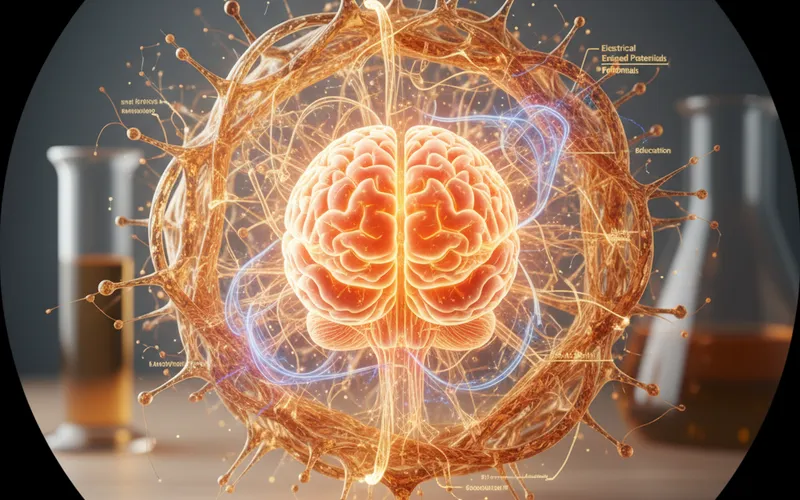
1. Die Studie – Was wurde untersucht und warum betrifft dich das?
Stell dir vor, du stehst vor einer Operation, die dir Erleichterung von chronischen Rückenschmerzen verspricht. Gleichzeitig weisst du, dass Schmerzen nach dem Eingriff unvermeidlich sind. Wie gehst du damit um? Kann die Art und Weise, wie du über Schmerz denkst und wie er dir erklärt wird, einen Unterschied machen? Genau diese Frage hat ein belgisch-schwedisches Forschungsteam um Goudman und Kollegen untersucht – und die Ergebnisse sind faszinierend, denn sie zeigen, wie tief das Verständnis von Schmerz unsere körperliche Reaktion beeinflussen kann.
Die Studie, die im Januar 2026 im renommierten Journal of Clinical Medicine veröffentlicht wurde, konzentrierte sich auf Patientinnen und Patienten, die sich einer Wirbelsäulenoperation unterzogen. Das Team wollte herausfinden, ob eine spezielle Form der Schmerzaufklärung, die sogenannte Schmerz-Neuroscience-Aufklärung (Pain Neuroscience Education, PNE), die Hirnreaktionen auf Schmerz anders beeinflusst als eine herkömmliche Aufklärung über Rückenerkrankungen (Back School Education, BSE). Die PNE vermittelt dabei ein biopsychosoziales Verständnis von Schmerz, erklärt also, dass Schmerz nicht nur ein rein körperliches Phänomen ist, sondern stark von psychologischen und sozialen Faktoren mitgeprägt wird. Es geht darum zu verstehen, dass Schmerz ein Alarmsignal des Gehirns ist, das nicht immer direkt mit dem Ausmass einer Gewebeschädigung korreliert.
Für diese spezifische Subgruppenanalyse einer grösseren randomisierten kontrollierten Studie wurden 23 Teilnehmende mit vollständigen EEG-Aufzeichnungen (Elektroenzephalogramm) zu Beginn und sechs Wochen nach dem Eingriff verglichen. Die Patientinnen und Patienten wurden zufällig einer von zwei Gruppen zugeteilt: Eine Gruppe erhielt die perioperative Schmerz-Neuroscience-Aufklärung (PPNE), die andere die perioperative Rückenschul-Aufklärung (PBSE). Die Forschenden massen die kortikalen evozierten Potenziale – das sind die elektrischen Reaktionen des Gehirns auf experimentell ausgelösten Schmerz – und nutzten dafür ein sogenanntes Conditioned Pain Modulation (CPM)-Paradigma. Dieses Paradigma testet die Fähigkeit des Körpers, Schmerz durch einen anderen Schmerzreiz zu modulieren, was oft als Mass für die körpereigene Schmerzhemmung dient. Das Ziel war es, zu sehen, ob die unterschiedlichen Aufklärungsansätze die Art und Weise verändern, wie das Gehirn Schmerz verarbeitet.
Die zentralen Ergebnisse zeigten, dass die Gruppe, die die Schmerz-Neuroscience-Aufklärung erhalten hatte, spezifische Veränderungen in der Hirnaktivität aufwies. Insbesondere zeigten sie eine erhöhte Amplitude des P2-Potenzials im EEG während der Schmerzverarbeitung, was auf eine veränderte kognitive Verarbeitung von Schmerz hindeuten könnte. Interessanterweise korrelierte diese Veränderung auch mit einer besseren funktionellen Genesung und weniger postoperativen Schmerzen. Die Gruppe mit der herkömmlichen Rückenschul-Aufklärung zeigte diese spezifischen Veränderungen nicht in gleichem Masse. Dies deutet darauf hin, dass ein tieferes Verständnis des Schmerzmechanismus nicht nur das subjektive Schmerzerleben beeinflussen, sondern auch messbare Spuren im Gehirn hinterlassen kann.
Quelle: Goudman, L., Huysmans, E., Van Bogaert, W., Coppieters, I., Ickmans, K., Nijs, J., ... & Moens, M. (2026). Electrical Evoked Potentials After Perioperative Pain Neuroscience Education or Back School Education: A Subgroup Analysis of a Randomized Controlled Trial. Journal of Clinical Medicine, 15(1), 398. PubMed-ID: 41517647
2. Was heisst das wirklich? – Die kritische Einordnung
Diese Studie liefert spannende Einblicke in die neurophysiologischen Effekte von Schmerzaufklärung. Doch was bedeuten diese Ergebnisse für dich persönlich? Grosse Studien liefern oft Durchschnittswerte, aber du bist kein Durchschnitt. Eine statistische Signifikanz, wie sie hier angedeutet wird, bedeutet nicht automatisch, dass das Ergebnis für jeden Einzelnen gleich relevant ist.
Was wurde hier wirklich gemessen? Die Forschenden haben kortikale evozierte Potenziale im EEG gemessen. Das sind sogenannte Surrogatparameter – also indirekte Messgrössen der Hirnaktivität, die mit Schmerzverarbeitung in Verbindung gebracht werden. Sie sind ein wichtiger Hinweis, aber kein direkter Beweis dafür, dass du weniger Schmerz empfindest oder dich besser fühlst. Allerdings wurden auch klinische Endpunkte wie funktionelle Genesung und postoperative Schmerzen erfasst, was die Relevanz der EEG-Befunde unterstreicht. Eine Verbesserung in diesen Bereichen ist ein „harter“ Endpunkt, der für Patientinnen und Patienten direkt spürbar ist.
Die Studie hat einige Stärken: Es war eine randomisierte kontrollierte Studie, was für eine hohe methodische Qualität spricht. Die Messung von Hirnaktivität liefert objektive Daten, die über reine Selbstauskünfte hinausgehen. Die Stichprobengrösse von 23 Teilnehmenden in dieser Subgruppenanalyse ist allerdings relativ klein. Das macht die Ergebnisse interessant, aber eine Replikation in grösseren Studien ist notwendig, um die Verallgemeinerbarkeit zu bestätigen. Für wen gelten die Ergebnisse? Die Studie wurde an Patientinnen und Patienten durchgeführt, die sich einer Wirbelsäulenoperation unterzogen haben. Wenn du nicht in diese Gruppe fällst, sind die Ergebnisse möglicherweise nicht direkt auf dich übertragbar, auch wenn die grundlegenden Prinzipien der Schmerzverarbeitung universeller sind.
Denkwerkzeug: Wenn du eine Studie liest, die über neue Behandlungsmethoden oder Aufklärungsansätze berichtet, frag dich: Bin ich Teil der Zielgruppe dieser Studie, oder sind die Ergebnisse auf meine Situation übertragbar?
3. Der Geist im Körper – Die psychophysiologische Perspektive
Hier kommen wir zum Kern dessen, was wir auf Jürg Höslis Plattform immer wieder betonen: Die untrennbare Verbindung von Psyche und Körper. Diese Studie ist ein Paradebeispiel dafür, wie unser Verständnis und unsere Erwartungen die Physiologie – in diesem Fall die Schmerzverarbeitung im Gehirn – beeinflussen können. Die Schmerz-Neuroscience-Aufklärung ist im Grunde eine gezielte Intervention, die darauf abzielt, die kognitiven und emotionalen Aspekte des Schmerzes zu beeinflussen.
Stell dir vor, du hast Schmerzen. Wenn dir gesagt wird, dass dieser Schmerz ausschliesslich von einer Gewebeschädigung herrührt, und du dir Sorgen machst, dass jede Bewegung weiteren Schaden anrichtet, wird dein Gehirn diese Information verarbeiten und möglicherweise die Schmerzintensität erhöhen, um dich zu schützen. Wenn du jedoch verstehst, dass Schmerz ein komplexes Signal ist, das von vielen Faktoren beeinflusst wird – einschliesslich deiner Ängste, deines Stresses und deiner Überzeugungen –, dann verändert sich deine Perspektive. Du lernst, dass Schmerz nicht immer gleichbedeutend mit Gefahr ist.
Diese veränderte kognitive Einschätzung kann die Aktivität deines limbischen Systems, das für Emotionen und die Schmerzverarbeitung mitverantwortlich ist, beeinflussen. Es ist gut denkbar, dass die PNE-Gruppe durch das neue Schmerzverständnis weniger Angst vor Bewegung hatte, was wiederum die Heilung und funktionelle Genesung unterstützen kann. Die erhöhte P2-Amplitude im EEG könnte ein Hinweis darauf sein, dass das Gehirn den Schmerz anders interpretiert und verarbeitet – vielleicht weniger als reine Bedrohung und mehr als ein modulierbares Signal.
Ein Aspekt, der in der Studie nicht explizit erfasst wurde, aber aus psychophysiologischer Sicht zentral ist, sind die Erwartungshaltungen. Wenn Patientinnen und Patienten durch die Aufklärung ein stärkeres Gefühl der Selbstwirksamkeit entwickeln – also die Überzeugung, dass sie einen Einfluss auf ihren Schmerz haben können –, kann dies die Schmerzhemmung fördern und die Genesung beschleunigen. Das ist der Placebo-Effekt im besten Sinne: Die Überzeugung, dass eine Massnahme hilft, kann physiologische Veränderungen hervorrufen. Die PNE nutzt dieses Prinzip, indem sie Wissen vermittelt, das zu einer positiveren und aktiveren Haltung gegenüber Schmerz führt.
4. Der grössere Kontext – Einordnung und Abhängigkeiten
Diese Studie reiht sich in eine wachsende Zahl von Forschungsarbeiten ein, die die Bedeutung der Schmerz-Neuroscience-Aufklärung für verschiedene chronische Schmerzzustände unterstreichen. Sie bestätigt und erweitert bestehende Erkenntnisse, dass ein biopsychosoziales Schmerzmodell nicht nur theoretisch relevant, sondern auch praktisch wirksam ist. Es ist kein Ausreisser, sondern ein weiteres Puzzleteil, das zeigt, wie mächtig unser Gehirn im Umgang mit Schmerz ist.
Die Finanzierung der Studie erfolgte unter anderem durch die Research Foundation-Flanders (FWO), eine öffentliche Forschungseinrichtung, was für eine unabhängige Forschung spricht. Es wurden keine offensichtlichen Interessenkonflikte der Autoren deklariert, was die Glaubwürdigkeit der Ergebnisse stärkt.
Was wurde nicht kontrolliert? Wie bei jeder Studie können verschiedene Lebensstilfaktoren die Ergebnisse beeinflusst haben, die nicht explizit erfasst wurden. Zum Beispiel der allgemeine Stresslevel der Patientinnen und Patienten, ihre sozialen Unterstützungssysteme oder ihre individuellen Bewältigungsstrategien abseits der Aufklärung. Auch die Qualität der therapeutischen Beziehung zwischen den Aufklärenden und den Patientinnen und Patienten könnte eine Rolle gespielt haben. Diese Faktoren sind schwer zu isolieren, können aber das Ergebnis mitprägen. Dennoch ist die Randomisierung ein wichtiges Werkzeug, um solche unbekannten Faktoren gleichmässig auf die Gruppen zu verteilen.
Denkwerkzeug: Wenn du eine neue Behandlungsmethode oder Therapiestrategie in Betracht ziehst, frag dich: Stärkt diese Methode meine Eigenverantwortung und mein Verständnis für meinen Körper, oder macht sie mich von externen Lösungen abhängig?
5. Was heisst das für dich? – Fazit und Alltagsrelevanz
Was kannst du aus dieser Studie für deinen Alltag mitnehmen? Die wichtigste Erkenntnis ist: Dein Verständnis von Schmerz ist entscheidend. Wenn du Schmerzen hast, insbesondere chronische Schmerzen oder Schmerzen nach einem Eingriff, kann ein fundiertes Wissen über die Funktionsweise von Schmerz – dass er ein komplexes Signal des Gehirns ist und nicht immer eine direkte Anzeige von Gewebeschaden – dir helfen, besser damit umzugehen.
- Bildung ist Macht: Nimm dir die Zeit, dich über Schmerz zu informieren. Bücher, seriöse Online-Ressourcen oder Therapeuten, die das biopsychosoziale Schmerzmodell vertreten, können dir helfen, deine Perspektive zu ändern.
- Aktive Rolle einnehmen: Verstehe, dass du nicht hilflos bist. Deine Gedanken, Gefühle und Überzeugungen können die Schmerzverarbeitung beeinflussen. Das gibt dir Werkzeuge an die Hand, um aktiv deine Genesung zu unterstützen.
- Nicht nur auf den Körper schauen: Wenn du Schmerzen hast, frage dich nicht nur, wo es weh tut, sondern auch, was dich emotional oder mental belastet. Stress, Angst und negative Erwartungen können den Schmerz verstärken.
Was solltest du NICHT daraus schliessen? Diese Studie bedeutet nicht, dass Schmerz nur «im Kopf» stattfindet oder dass körperliche Beschwerden ignoriert werden sollten. Ganz im Gegenteil: Sie zeigt, wie eng Körper und Geist miteinander verbunden sind. Es geht nicht darum, körperliche Probleme zu leugnen, sondern darum, den Schmerz in seiner ganzen Komplexität zu verstehen und alle verfügbaren Hebel – körperliche und geistige – zu nutzen.
Für wen ist das besonders relevant? Diese Erkenntnisse sind besonders wichtig für Menschen, die unter chronischen Schmerzen leiden, sich auf eine Operation vorbereiten oder nach einem Eingriff Schwierigkeiten mit der Schmerzbewältigung haben. Aber auch für jeden, der ein umfassenderes Verständnis seines Körpers und seiner Gesundheit entwickeln möchte, sind die Prinzipien der Schmerz-Neuroscience-Aufklärung von grossem Wert.
Dein Körper reagiert nicht nur auf das, was du isst oder wie du dich bewegst – sondern auch auf das, was du denkst und fühlst. Das ist der Kern des psychophysiologischen Interaktionsmodells. Die Fähigkeit, Schmerz anders zu verstehen, ist ein mächtiges Werkzeug, das dir helfen kann, deine Gesundheit selbst in die Hand zu nehmen. Bleib neugierig und offen für die komplexen Zusammenhänge deines Seins. Dein Gehirn ist vielleicht dein bester Verbündeter im Kampf gegen den Schmerz.