Fett-Preload nach Magenverkleinerung: Keine Magie für den Blutzucker
Eine aktuelle Studie untersucht, ob ein kleiner Fett-Snack vor einer kohlenhydratreichen Mahlzeit den Blutzucker nach einer Magenverkleinerung stabilisieren kann. Die Ergebnisse sind überraschend und zeigen, wie komplex unser Stoffwechsel auf Eingriffe reagiert.
Die Studie – Was wurde untersucht und warum betrifft dich das?
Stell dir vor, du hast eine Magenverkleinerung hinter dir. Dein Leben hat sich verändert, deine Essgewohnheiten auch. Eine der Herausforderungen nach einem solchen Eingriff kann sein, dass dein Blutzucker Achterbahn fährt. Manchmal steigt er nach einer Mahlzeit sehr schnell und stark an, nur um dann genauso schnell wieder abzufallen – im schlimmsten Fall sogar unter einen gesunden Wert. Das kann unangenehme Symptome wie Schwäche, Schwindel oder Herzklopfen verursachen. Für viele Betroffene ist das eine grosse Belastung im Alltag.
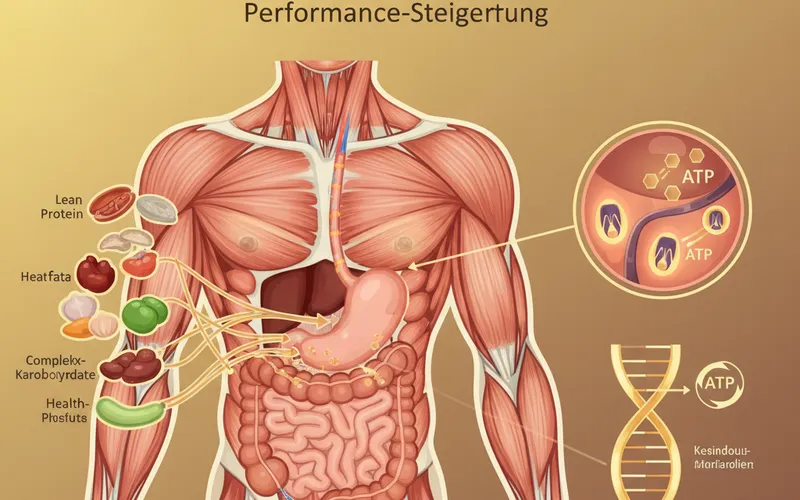
Genau hier setzt eine neue Studie aus Grossbritannien, Japan und Hongkong an, die im renommierten Journal «Nutrients» erschienen ist. Forschende um Whelehan und Kollegen wollten herausfinden, ob ein einfacher Trick helfen kann: Ein kleiner, fetthaltiger Snack, ein sogenannter «Fett-Preload», kurz bevor man eine kohlenhydratreiche Mahlzeit isst. Die Idee dahinter ist, dass Fett die Magenentleerung verlangsamt. Wenn der Mageninhalt langsamer in den Dünndarm gelangt, könnte das den Blutzuckeranstieg nach der Mahlzeit abmildern und die Gefahr einer Unterzuckerung reduzieren.
Die Forschenden führten eine randomisierte, offene Crossover-Studie durch. Das bedeutet, dass jeder der zehn erwachsenen Teilnehmenden, die alle mindestens ein Jahr nach einer Schlauchmagen-Operation (Sleeve Gastrectomy, SG) waren und keinen Diabetes hatten, beide Bedingungen durchlief: einmal mit Fett-Preload und einmal mit Wasser als Kontrolle. 30 Minuten vor einer gemischten Testmahlzeit erhielten sie entweder 28 Gramm Paranüsse (als fett-dominanter Preload) oder 100 ml Wasser. Über drei Stunden wurden regelmässig Blutproben entnommen, um Glukose, Insulin, C-Peptid und GLP-1 (ein Darmhormon) zu messen. Auch Symptome einer Unterzuckerung und des Dumping-Syndroms (schnelle Magenentleerung mit unangenehmen Symptomen) wurden mittels Fragebögen erfasst. Das primäre Ziel der Studie war, zu sehen, ob der tiefste Blutzuckerwert (Nadir-Plasma-Glukose) durch den Fett-Preload beeinflusst wurde.
Und was kam dabei heraus? Überraschenderweise zeigte sich, dass der Fett-Preload keinen signifikanten Unterschied beim tiefsten Blutzuckerwert machte. In beiden Bedingungen lag dieser bei 3.8 mmol/L. Auch der Blutzucker-Spitzenwert und die gesamte Blutzuckerbelastung nach der Mahlzeit unterschieden sich nicht zwischen der Nuss- und der Wassergruppe. Interessanterweise waren die Insulin- und C-Peptid-Werte (ein Mass für die körpereigene Insulinproduktion) direkt vor der Testmahlzeit nach dem Fett-Preload höher, aber die gesamte Insulin- und C-Peptid-Antwort während der Mahlzeit war in beiden Gruppen ähnlich.
Quelle: Whelehan G, Herring LY, Tziannou A, et al. (2026). The Impact of a Fat-Dominant Preload Before a Carbohydrate-Rich Meal on Glucose Homeostasis in Patients Without Diabetes After Sleeve Gastrectomy: A Proof-of-Concept, Randomised, Open-Label, Crossover Study. Nutrients, 18(3):469. PubMed-ID: 41683291
Was heisst das wirklich? – Die kritische Einordnung
Diese Studie liefert uns eine wichtige Erkenntnis, auch wenn sie vielleicht nicht das erwartete Ergebnis zeigte. Grosse Studien geben uns oft Durchschnittswerte, aber du bist kein Durchschnitt. Die Ergebnisse dieser Untersuchung, so präzise sie auch gemessen wurden, müssen wir für dich persönlich einordnen.
Das Studiendesign als Crossover-Studie ist methodisch stark, da jeder Proband seine eigene Kontrolle ist, was individuelle Unterschiede minimiert. Die Messung von harten Endpunkten wie Glukose, Insulin und C-Peptid im Blut ist ebenfalls ein Pluspunkt. Was jedoch auffällt, ist die sehr kleine Stichprobengrösse von nur zehn Personen. Das ist für eine Proof-of-Concept-Studie zwar üblich, aber es bedeutet auch, dass selbst kleine Effekte übersehen werden könnten, die in einer grösseren Gruppe statistisch signifikant wären. Auch wenn die Forschenden keinen signifikanten Unterschied fanden, heisst das nicht zwingend, dass es gar keinen Effekt gibt, sondern nur, dass mit dieser Stichprobengrösse kein statistisch signifikanter Effekt nachgewiesen werden konnte.
Ein weiterer Punkt ist die Auswahl des Preloads: 28 Gramm Paranüsse. Paranüsse sind reich an Fett, aber sie enthalten auch Ballaststoffe und Spuren von Kohlenhydraten. Es ist denkbar, dass ein reiner Fett-Preload oder ein Preload mit einer anderen Zusammensetzung andere Effekte gezeigt hätte. Zudem wurden die Teilnehmer, die alle eine Schlauchmagen-Operation hinter sich hatten, sorgfältig ausgewählt. Das macht die Ergebnisse spezifisch für diese Gruppe, aber auch weniger direkt übertragbar auf Menschen ohne Magenverkleinerung.
Denkwerkzeug: Wenn du eine Magenverkleinerung hattest und ähnliche Blutzuckerprobleme kennst, frag dich: Wie ähnlich sind meine Essgewohnheiten und mein Stoffwechsel den Studienteilnehmenden? Könnte ein geringer, nicht-statistisch signifikanter Effekt für mich persönlich dennoch spürbar sein?
Der Geist im Körper – Die psychophysiologische Perspektive
Hier kommen wir zu dem Aspekt, der in vielen Studien oft zu kurz kommt: die untrennbare Verbindung zwischen Psyche und Körper. Auch wenn die Studie keine signifikanten physiologischen Unterschiede durch den Fett-Preload feststellen konnte, heisst das nicht, dass psychologische Faktoren keine Rolle spielen.
Stell dir vor, du bist jemand, der nach einer Magenverkleinerung ständig Angst vor Blutzuckerschwankungen hat. Allein die Überzeugung, etwas zu tun, das helfen könnte – wie das Essen von Paranüssen vor der Mahlzeit – kann bereits einen Placebo-Effekt auslösen. Diese Erwartungshaltung kann Stress reduzieren und das Wohlbefinden steigern, was wiederum indirekt den Stoffwechsel beeinflussen könnte, selbst wenn der direkte physiologische Effekt der Nüsse gering ist. Dein Stresslevel, deine Ängste oder deine Überzeugungen können die Art und Weise, wie dein Körper auf Nahrung reagiert, subtil, aber wirkungsvoll verändern.
Es ist gut denkbar, dass die psychische Belastung durch die ständige Sorge um den Blutzucker nach einer Magenverkleinerung selbst einen Einfluss auf die Glukosehomöostase hat. Chronischer Stress kann die Cortisol-Ausschüttung beeinflussen, was wiederum die Insulinsensitivität verändern kann. Auch wenn die Studie diese Aspekte nicht direkt gemessen hat, ist es wichtig, sie in Betracht zu ziehen. Die Teilnehmer wussten, ob sie Nüsse oder Wasser erhielten (Open-Label-Studie), was bedeutet, dass ein potenzieller Placebo-Effekt oder der Hawthorne-Effekt (Verhaltensänderung durch Beobachtung) nicht ausgeschlossen werden kann. Vielleicht haben die Teilnehmer, die Nüsse assen, unbewusst andere Erwartungen gehabt.
Der grössere Kontext – Einordnung und Abhängigkeiten
Diese Studie ist ein kleines, aber wichtiges Puzzleteil in der Forschung zur postoperativen Ernährung nach einer Magenverkleinerung. Während in der allgemeinen Bevölkerung Fett-Preloads tatsächlich die Blutzuckerantwort abmildern können, scheint dieser Mechanismus nach einer Sleeve Gastrectomy nicht so ausgeprägt zu sein. Das deutet darauf hin, dass die drastischen Veränderungen der Magenanatomie und -physiologie die üblichen Reaktionen des Körpers auf Nahrungsbestandteile überlagern oder verändern.
Die Studie wurde von einem Konsortium aus verschiedenen Forschungseinrichtungen und Universitäten durchgeführt, darunter das Diabetes Research Centre der University of Leicester und die Loughborough University. Die Autoren geben an, dass keine relevanten Interessenkonflikte vorliegen, was die Glaubwürdigkeit der Ergebnisse stärkt. Es ist jedoch wichtig zu beachten, dass eine einzelne Proof-of-Concept-Studie mit einer kleinen Stichprobe selten das letzte Wort zu einem Thema hat. Sie dient eher dazu, Hypothesen zu generieren und den Weg für grössere, umfassendere Studien zu ebnen.
Was in dieser Studie nicht kontrolliert wurde, sind andere Lifestyle-Faktoren, die den Blutzucker ebenfalls beeinflussen können, wie körperliche Aktivität am Studientag, Schlafqualität in der Nacht zuvor oder das allgemeine Stresslevel der Teilnehmenden. Zwar wurden die Probanden randomisiert und durchliefen beide Bedingungen, was viele dieser Faktoren ausgleicht, aber die Komplexität des menschlichen Körpers lässt immer Raum für unberücksichtigte Variablen.
Denkwerkzeug: Bevor du aufgrund dieser Studie deine Ernährungsgewohnheiten nach einer Magenverkleinerung änderst, frag dich: Gibt es andere Studien mit grösseren Teilnehmerzahlen, die ähnliche oder gegenteilige Ergebnisse zeigen? Wie passt das Ergebnis in das Gesamtbild der Forschung?
Was heisst das für dich? – Fazit und Alltagsrelevanz
Was kannst du nun aus dieser Studie mitnehmen, wenn du selbst eine Magenverkleinerung hattest oder jemanden kennst, der davon betroffen ist? Hier sind ein paar konkrete Erkenntnisse:
- Ernährung nach Magenverkleinerung bleibt komplex: Ein einfacher Fett-Preload vor einer kohlenhydratreichen Mahlzeit scheint die Blutzuckerschwankungen nach einer Schlauchmagen-Operation nicht signifikant zu verbessern. Das unterstreicht, dass der Stoffwechsel nach einem solchen Eingriff anders funktioniert und einfache «Tricks» aus der allgemeinen Ernährungslehre hier nicht immer greifen.
- Individuelle Reaktionen beobachten: Auch wenn die Studie keinen Durchschnittseffekt zeigte, ist es immer wichtig, auf den eigenen Körper zu hören. Wenn du persönlich das Gefühl hast, dass ein kleiner Snack vor der Mahlzeit dir guttut und deine Symptome lindert, dann spricht nichts dagegen, dies beizubehalten – solange es nicht zu einer übermässigen Kalorienzufuhr führt.
- Fokus auf die Gesamtstrategie: Statt auf einzelne Preloads zu setzen, ist es weiterhin entscheidend, eine umfassende Ernährungsstrategie mit deinem Arzt oder Ernährungsberater zu entwickeln, die auf deinen individuellen Bedarf zugeschnitten ist. Das beinhaltet die Zusammensetzung der Mahlzeiten, die Portionsgrössen und die Essgeschwindigkeit.
Was solltest du **NICHT** daraus schliessen? Nur weil Paranüsse in dieser Studie keinen Effekt zeigten, heisst das nicht, dass Fett generell schlecht ist oder dass alle anderen Ernährungsstrategien nach einer Magenverkleinerung nutzlos sind. Es bedeutet lediglich, dass dieser spezifische Ansatz in dieser kleinen Gruppe nicht die erhoffte Wirkung zeigte.
Diese Erkenntnisse sind besonders relevant für Menschen, die nach einer Schlauchmagen-Operation mit Blutzuckerschwankungen kämpfen. Für Menschen ohne diesen Eingriff sind die Ergebnisse weniger direkt übertragbar, da die physiologischen Bedingungen anders sind.
Denk daran: Dein Körper reagiert nicht nur auf das, was du isst, sondern auch auf deine Gedanken und Gefühle. Die psychische Anpassung nach einer Magenverkleinerung ist genauso wichtig wie die physische. Eine Studie wie diese hilft uns, die Komplexität des menschlichen Stoffwechsels besser zu verstehen und nicht vorschnell einfache Lösungen zu erwarten. Bleib neugierig auf das, was dein Körper dir erzählt, und suche stets nach einem ganzheitlichen Verständnis deiner Gesundheit.