Muskelabbau auf Intensivstation: COVID-19 und andere kritische Erkrankungen im Vergleich
Verliert man auf der Intensivstation immer Muskeln? Eine Studie vergleicht COVID-19-Patienten mit anderen kritisch Kranken und zeigt, wie kritische Krankheit generell den Körper herausfordert – und warum die Psyche dabei eine unterschätzte Rolle spielt.
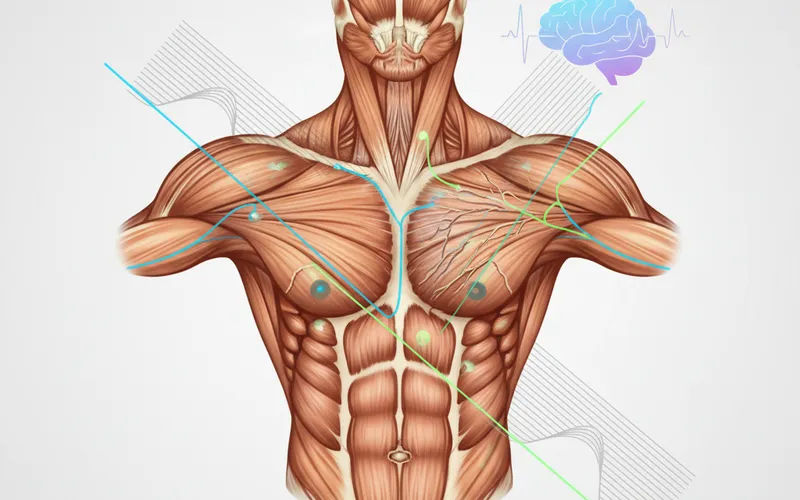
Die Studie – Was wurde untersucht und warum betrifft dich das?
Stell dir vor, du liegst im Bett, schaffst es kaum, dich zu bewegen, und jeder Tag zehrt an deinen Kräften. Genau das erleben Menschen auf der Intensivstation. Der Körper ist im Überlebensmodus, und eine der dramatischsten Folgen ist oft ein schneller und massiver Muskelabbau. Das ist nicht nur für Spitzensportler relevant, sondern für jeden von uns, denn Muskeln sind weit mehr als nur Kraftpakete: Sie sind ein zentrales Stoffwechselorgan, wichtig für das Immunsystem und entscheidend für unsere Selbstständigkeit im Alltag.
Die COVID-19-Pandemie hat die Intensivstationen weltweit vor enorme Herausforderungen gestellt. Es gab viele Spekulationen darüber, ob die SARS-CoV-2-Infektion selbst in besonderem Masse zum Muskelabbau beiträgt – sei es durch eine direkte Schädigung der Muskeln (virale Myopathie) oder durch die spezifischen Entzündungsreaktionen. Ein Team von Forschenden der Universität Vilnius in Litauen hat genau das untersucht. Sie wollten herausfinden, ob COVID-19-Patienten auf der Intensivstation tatsächlich mehr Muskelmasse und -kraft verlieren als andere kritisch kranke Patienten, die aus anderen Gründen intensivmedizinisch behandelt werden.
Für ihre Studie wählten die Wissenschaftler ein nicht-konkurrierendes, Propensity-Score-gematchtes Design. Das bedeutet, sie verglichen zwei Patientengruppen, die nicht zur gleichen Zeit auf der Intensivstation lagen, aber nachträglich so ausgewählt wurden, dass sie sich in wichtigen Ausgangsmerkmalen (wie Schwere der Erkrankung, Ernährungsrisiko und Notwendigkeit künstlicher Beatmung) möglichst ähnelten. So konnten sie die Auswirkungen der COVID-19-Erkrankung besser von den allgemeinen Folgen einer kritischen Krankheit abgrenzen. Insgesamt wurden 143 Patienten (101 ohne COVID-19, 42 mit COVID-19) in die Analyse einbezogen. Nach dem Matching blieben 23 Paare übrig. Die Messungen von Muskelmasse und -kraft erfolgten an den Tagen 1, 5 und 7 des Intensivaufenthalts. Die Muskelmasse wurde mittels Ultraschall (Muskeldicke) und Bioelektrischer Impedanzanalyse (BIA, Phasenwinkel) bestimmt. Die Muskelkraft wurde mit einem Handdynamometer gemessen, das die Greifkraft erfasst.
Die zentralen Ergebnisse der Studie zeigten, dass beide Patientengruppen – sowohl die mit COVID-19 als auch die ohne – im Laufe ihres Intensivaufenthalts einen signifikanten Verlust an Muskeldicke verzeichneten. Überraschenderweise gab es jedoch keine statistisch signifikanten Unterschiede im Ausmass des Muskelabbaus zwischen den beiden Gruppen. Auch bei der Messung der Muskelkraft (Handgreifkraft) zeigte sich nach dem Matching kein signifikanter Unterschied zwischen den Gruppen, obwohl COVID-19-Patienten anfänglich tendenziell eine höhere Prävalenz von Muskelschwäche aufwiesen. Der BIA-Phasenwinkel, ein Marker für Zellgesundheit und Ernährung, war bei COVID-19-Patienten durchweg niedriger, dieser Unterschied verlor aber nach dem Matching an statistischer Signifikanz. Die Forschenden schlussfolgern, dass der Muskelabbau und die Muskelschwäche auf der Intensivstation eher mit der allgemeinen Schwere der kritischen Erkrankung und den intensivmedizinischen Behandlungen zusammenhängen als mit der SARS-CoV-2-Infektion selbst. Dabei erwies sich die Ultraschallmessung als weniger anfällig für Flüssigkeitsverschiebungen im Körper, während der BIA-Phasenwinkel stärker vom Hydratationsstatus beeinflusst wurde.
Quelle: Šostakaitė G, Šalčiūtė-Šimėnė E, Svetikienė M, Danilenko S, Klimašauskas A, Šipylaitė J (2026). Assessment of muscle wasting in intensive care unit patients with and without COVID-19 using ultrasound imaging and bioimpedance analysis. BMC Anesthesiology, 26(1):156. PubMed-ID: 41634576
Was heisst das wirklich? – Die kritische Einordnung
Diese Studie liefert eine wichtige Erkenntnis: Der massive Muskelabbau auf der Intensivstation ist ein allgemeines Problem kritisch kranker Patienten und nicht primär eine spezifische Folge einer COVID-19-Infektion. Das mag auf den ersten Blick enttäuschend wirken, weil wir gerne klare Schuldige hätten. Aber es ist eine wichtige Information, denn sie lenkt den Fokus auf die universellen Mechanismen der kritischen Krankheit.
Du bist kein Durchschnitt. Die Studie spricht von statistischer Signifikanz – oder deren Fehlen. Wenn es heisst, es gab keine statistisch signifikanten Unterschiede, bedeutet das, dass die beobachteten Unterschiede wahrscheinlich Zufall waren. Das heisst aber nicht, dass es für den Einzelnen keine Unterschiede gab oder geben kann. Grosse Studien liefern Durchschnittswerte, aber du als Individuum bist immer einzigartig. Für manche COVID-19-Patienten mag die Infektion selbst durchaus eine Rolle gespielt haben, auch wenn der Durchschnittswert das nicht abbildet. Das ist der Unterschied zwischen «statistisch signifikant» und «klinisch bedeutsam». Ein Ergebnis kann statistisch signifikant sein, aber für den einzelnen Patienten kaum eine Rolle spielen (z.B. eine minimale Blutdrucksenkung). Umgekehrt kann ein nicht-signifikantes Ergebnis für einen Einzelnen sehr wohl relevant sein.
Was wurde wirklich gemessen? Hier wurden sowohl strukturelle als auch funktionelle Parameter gemessen. Die Muskeldicke per Ultraschall ist ein direkter Marker für Muskelmasse. Die Handgreifkraft ist ein guter Indikator für die allgemeine Muskelfunktion und hat sich als Prädiktor für Genesung und Sterblichkeit erwiesen. Der BIA-Phasenwinkel ist ein Surrogatparameter, der Rückschlüsse auf die Zellintegrität zulässt, aber stark von Hydratation und Elektrolytstatus beeinflusst wird. Die Forschenden haben das erkannt und weisen darauf hin, dass die Ultraschallmessung robuster ist. Die Messung von harten Endpunkten wie Sterblichkeit oder Dauer des Intensivaufenthalts wurde nicht als primäres Ergebnis untersucht, was die direkte Übertragbarkeit auf langfristige Patientenergebnisse einschränkt.
Methodische Stärken und Grenzen: Die Stärke dieser Studie liegt im Propensity-Score-Matching, das versucht, die Gruppen vergleichbar zu machen und somit die Kausalität besser zu beurteilen. Ohne dieses Matching wären die Ergebnisse möglicherweise ganz anders ausgefallen und hätten zu falschen Schlüssen geführt. Die kleine Stichprobengrösse von nur 23 Paaren nach dem Matching ist jedoch eine Limitation. Kleinere Stichproben haben eine geringere statistische Power, um kleine, aber möglicherweise relevante Unterschiede aufzudecken. Zudem ist es eine Beobachtungsstudie, die keine kausalen Zusammenhänge beweisen kann, sondern nur Korrelationen aufzeigt. Auch wenn die Forschenden betonen, dass der Muskelabbau eher mit der Schwere der Krankheit zusammenhängt, können sie nicht ausschliessen, dass spezifische Aspekte von COVID-19 bei grösseren Fallzahlen doch eine Rolle spielen würden.
Für wen gelten die Ergebnisse? Die Ergebnisse gelten für kritisch kranke Patienten, die mindestens 7 Tage auf der Intensivstation verbringen. Das ist eine sehr spezifische und vulnerable Patientengruppe. Für Menschen, die nur kurz im Spital sind oder ambulant behandelt werden, sind diese Ergebnisse weniger relevant.
Denkwerkzeug: Wenn du eine Studie liest, die keine signifikanten Unterschiede findet, frage dich: War die Stichprobe gross genug, um einen relevanten Unterschied zu erkennen, oder war die Power der Studie zu gering?
Der Geist im Körper – Die psychophysiologische Perspektive
Hier kommen wir zum Kern dessen, was in vielen rein physiologischen Studien oft übersehen wird: die untrennbare Verbindung zwischen Psyche und Körper. Ein Aufenthalt auf der Intensivstation ist ein Trauma. Angst, Hilflosigkeit, Schmerzen, der Verlust der Kontrolle – all das sind massive psychische Stressoren, die den Körper in einen Alarmzustand versetzen. Und dieser Alarmzustand hat direkte physiologische Konsequenzen.
Wie reagiert der Körper auf massiven Stress? Er schüttet Stresshormone wie Cortisol aus. Chronisch erhöhte Cortisolwerte sind bekannt dafür, den Proteinabbau in den Muskeln zu fördern und den Muskelaufbau zu hemmen. Das ist ein wichtiger Mechanismus hinter dem Muskelabbau bei kritischer Krankheit. Die Psyche – der massive Stress der Intensivstation – wird hier zum direkten Treiber physiologischer Prozesse, die sich im Muskelabbau manifestieren.
- Erwartungshaltung und Nocebo-Effekt: Auch wenn die Studie keine direkten psychologischen Parameter gemessen hat, ist es denkbar, dass Patienten mit COVID-19, die die Nachrichten über die Schwere der Erkrankung verfolgten, mit einer anderen Erwartungshaltung auf die Intensivstation kamen. Die Angst vor den Langzeitfolgen von COVID-19 könnte einen Nocebo-Effekt ausgelöst haben, der die Genesung erschwert und den Körper zusätzlich belastet.
- Schlaf und Erholung: Auf der Intensivstation ist normaler Schlaf kaum möglich. Lärm, Licht, Behandlungen rund um die Uhr – all das stört den Schlaf-Wach-Rhythmus. Schlafentzug ist ein massiver Stressor, der den Hormonhaushalt durcheinanderbringt und entzündliche Prozesse fördert, die wiederum den Muskelabbau verstärken können. Die psychische Belastung durch den fehlenden Schlaf ist enorm.
- Motivation und Selbstwirksamkeit: Wer das Gefühl hat, keine Kontrolle über seine Situation zu haben, dem fällt es schwerer, zu kämpfen. Die psychische Verfassung beeinflusst die Motivation zur Mobilisierung und Physiotherapie, die für den Erhalt der Muskeln so wichtig ist. Ein Patient, der psychisch am Boden ist, wird sich schwerer aufraffen können.
Es ist gut denkbar, dass der gemeinsame Nenner des Muskelabbaus bei allen kritisch kranken Patienten nicht nur die physiologische Entzündungsreaktion ist, sondern auch der massive psychische Stress, die Angst, der Schlafentzug und der Verlust der Autonomie, die mit jedem Intensivaufenthalt einhergehen. Diese psychophysiologischen Faktoren sind in der Studie nicht explizit erfasst, dürften aber einen erheblichen Einfluss auf die gemessenen physiologischen Parameter gehabt haben.
Der grössere Kontext – Einordnung und Abhängigkeiten
Diese Studie bestätigt, was die Intensivmedizin seit Langem weiss: Kritische Erkrankungen führen fast immer zu einem rapiden Muskelabbau, bekannt als ICU-Acquired Weakness (ICU-AW). Sie trägt dazu bei, das Bild von COVID-19 als eine Krankheit mit besonders drastischen muskulären Folgen zu relativieren. Das ist wichtig, um die Ressourcen und Forschungsanstrengungen auf die universellen Mechanismen der ICU-AW zu konzentrieren und nicht nur auf COVID-19-spezifische Aspekte.
Wer steht dahinter? Die Studie wurde von Forschenden der Universität Vilnius in Litauen durchgeführt und im Fachjournal BMC Anesthesiology veröffentlicht. Es sind keine spezifischen Interessenkonflikte oder Industriefinanzierungen angegeben, was die Glaubwürdigkeit der Ergebnisse stärkt. Die Forschenden kommen aus dem klinischen Bereich (Anästhesiologie und Intensivmedizin), was für eine hohe Relevanz der Fragestellung spricht.
Wo steht diese Studie in der Forschungslandschaft? Sie fügt sich in eine Reihe von Studien ein, die versuchen, die Langzeitfolgen von COVID-19 zu verstehen und mit denen anderer kritischer Erkrankungen zu vergleichen. Sie liefert einen wichtigen Puzzlestein, der darauf hindeutet, dass viele der beobachteten Komplikationen von COVID-19 eher Ausdruck einer schweren systemischen Erkrankung sind als spezifische Auswirkungen des Virus. Sie bestätigt die Notwendigkeit, frühzeitig mit rehabilitativen Massnahmen auf der Intensivstation zu beginnen, unabhängig von der Ursache der kritischen Krankheit.
Was wurde nicht kontrolliert? Die Studie hat versucht, wichtige Confounder wie Krankheits-Schwere und Beatmungsdauer zu matchen. Was jedoch nicht kontrolliert werden konnte, sind subtilere Lebensstilfaktoren vor der Erkrankung (Ernährungszustand, Aktivitätslevel, chronische Stressbelastung) oder spezifische Medikationen, die den Muskelstoffwechsel beeinflussen könnten und nicht Teil des Matching-Prozesses waren. Auch die psychische Belastung der Patienten wurde nicht systematisch erfasst, obwohl sie, wie im vorherigen Abschnitt erwähnt, eine entscheidende Rolle spielen dürfte.
Denkwerkzeug: Wenn eine Studie die Auswirkungen einer Krankheit oder Intervention untersucht, frage dich: Welche Faktoren aus meinem Lebensstil oder meiner psychischen Verfassung könnten die Ergebnisse für mich persönlich beeinflussen, auch wenn sie in der Studie nicht gemessen wurden?
Was heisst das für dich? – Fazit und Alltagsrelevanz
Diese Studie mag auf den ersten Blick eine spezifische Patientenklientel betreffen, doch die Erkenntnisse sind für jeden von uns relevant, wenn wir über Gesundheit und Resilienz nachdenken. Sie erinnert uns daran, dass unser Körper auf extreme Belastungen – egal welcher Ursache – mit bestimmten Mustern reagiert. Der massive Muskelabbau bei kritischer Krankheit ist ein solches Muster.
- Muskeln sind dein Kapital: Die Studie unterstreicht die enorme Bedeutung von Muskelmasse als Puffer für Krisenzeiten. Je mehr Muskeln du hast, desto mehr Reserve hast du, wenn dein Körper in den Katabolismus gezwungen wird. Regelmässiges Krafttraining und eine proteinreiche Ernährung sind keine Luxusgüter, sondern Investitionen in deine gesundheitliche Resilienz.
- Resilienz ist mehr als nur Physiologie: Auch wenn die Studie den Fokus auf physiologische Messwerte legt, zeigt die psychophysiologische Betrachtung, dass psychische Stärke und ein gutes Stressmanagement entscheidend sind. Die Fähigkeit, mit Angst und Unsicherheit umzugehen, deine mentale Widerstandsfähigkeit, kann den Verlauf einer Krankheit und die Erholung danach massgeblich beeinflussen.
- Vermeide Überinterpretation: Es ist wichtig, aus dieser Studie nicht zu schliessen, dass COVID-19 harmlos ist. Es ist eine ernste Krankheit. Aber sie zeigt, dass viele der schwerwiegenden Folgen, wie der Muskelabbau, Teil einer allgemeinen Reaktion des Körpers auf eine kritische Erkrankung sind.
Für wen ist das besonders relevant? Für alle, die sich präventiv stärken wollen, um für den Fall einer schweren Erkrankung besser gewappnet zu sein. Und für alle, die sich fragen, wie sie nach einer schweren Krankheit, die mit Bettlägerigkeit verbunden war, am besten wieder zu Kräften kommen. Es ist auch relevant für Angehörige, die Patienten auf der Intensivstation besuchen und verstehen wollen, welche umfassenden Herausforderungen diese Zeit mit sich bringt.
Dein Körper reagiert nicht nur auf das, was du isst oder wie du dich bewegst, sondern auch auf das, was du denkst und fühlst. Die Fähigkeit, mit Stress umzugehen, eine positive Erwartungshaltung zu entwickeln und deine Selbstwirksamkeit zu stärken, sind mächtige Werkzeuge, die dir helfen können, auch extremen Belastungen standzuhalten. Kümmere dich um deine Muskeln, aber vergiss nie, dass der Geist ein ebenso wichtiger Muskel ist, der trainiert werden will.
Welche Fragen bleiben offen? Wie könnten psychologische Interventionen auf der Intensivstation den Muskelabbau und die Genesung beeinflussen? Eine spannende Frage für zukünftige Forschung, die die Brücke zwischen Psyche und Physis noch stärker schlagen könnte. Bleib neugierig, bleib stark – in Körper und Geist.