Meeresabfälle als wertvolle Fettquelle: Eine Chance für nachhaltige Ernährung
Kann Abfall aus der Fischerei- und Konservenindustrie zu einer nachhaltigen Quelle für gesunde Fette werden? Eine Studie zeigt, wie Pilze Meeresreste in wertvolle Lipide umwandeln und damit die Kreislaufwirtschaft stärken könnten.
1. Die Studie – Was wurde untersucht und warum betrifft dich das?
Stell dir vor, du sitzt in einem feinen Restaurant und geniesst ein köstliches Fischgericht. Was du dabei wahrscheinlich nicht bedenkst, ist die enorme Menge an Abfall, die bei der Verarbeitung von Meeresfrüchten anfällt. Jahr für Jahr landen Tonnen von Muschelschalen, Fischgräten, Innereien und Algenresten im Müll. Das ist nicht nur eine Verschwendung wertvoller Ressourcen, sondern auch eine Belastung für unsere Umwelt. Doch was, wenn man diesen Abfällen ein zweites Leben einhauchen könnte – und zwar als Quelle für gesunde Fette?
Genau dieser Frage gingen Forschende der Universität Vigo in Spanien nach. Unter der Leitung von Dr. M. Cid-Fernández, A. Ochogavias, J.M. Domínguez und A. Paz untersuchten sie, wie man Abfälle aus der Fischerei-, Konserven- und Aquakulturindustrie biotechnologisch aufwerten kann. Ihr Ziel war es, aus diesen Reststoffen mikrobielle Lipide zu gewinnen, die dann zum Beispiel in der Lebensmittelproduktion oder als nachhaltige Biokraftstoffe eingesetzt werden könnten. Das ist ein faszinierender Ansatz, denn er schlägt zwei Fliegen mit einer Klappe: Er reduziert Abfall und schafft gleichzeitig neue, wertvolle Produkte.
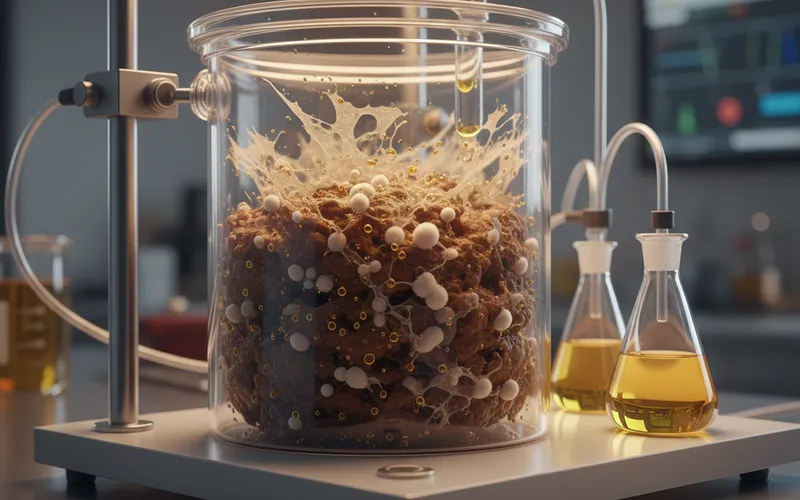
Für ihre Studie nutzten die Forschenden einen cleveren Ansatz: die Festkörperfermentation (Solid-State Fermentation, SSF). Dabei wird ein Pilz, in diesem Fall Aspergillus oryzae CECT 2094, direkt auf den festen Abfallstoffen angesiedelt. Der Pilz «frisst» sich sozusagen durch die Abfälle und produziert dabei Lipide, also Fette. Getestet wurden sechs verschiedene Meeresabfälle: Muschelreste (Epibiota sowie zerbrochene Muscheln und Zuchtmaterial), Thunfischreste (Rückenwirbel und Innereien) sowie Algenreste (Ulva rigida und Saccharina latissima). Die Forschenden wollten wissen, auf welchen dieser Substrate der Pilz am besten wächst und wie effizient er Lipide produzieren kann.
Die Ergebnisse waren vielversprechend: Der Pilz wuchs auf fast allen getesteten Substraten erfolgreich. Bei den meisten Abfällen stieg der Lipidgehalt um über 20%, mit Ausnahme der Algenreste. Besonders beeindruckend war die Umwandlung bei den Thunfisch-Rückenwirbeln: Hier erhöhte sich der Gehalt an Fettsäuremethylestern (FAME), einer Form von Fetten, um das 3,5-fache. Das entspricht einer Zunahme von 300 mg Lipiden pro Gramm Biomasse. Auch die fermentierten Muschelsubstrate lieferten ernährungsphysiologisch wertvolle Profile, insbesondere im Omega-6/Omega-3-Verhältnis, das zwischen 1:1 und 5:1 lag – ein Bereich, der als förderlich für die menschliche Gesundheit gilt. Die häufigsten Fettsäuren waren Palmitinsäure, Stearinsäure und Palmitoleinsäure.
Diese Erkenntnisse zeigen das grosse Potenzial von Aspergillus oryzae und der Festkörperfermentation, um Abfälle aus der Meeresindustrie in wertvolle mikrobielle Lipide umzuwandeln. Ein wichtiger Schritt hin zu einer Kreislaufwirtschaft und den Nachhaltigkeitszielen der Agenda 2030.
Quelle: Cid-Fernández M, Ochogavias A, Domínguez JM, Paz A (2026). Valorisation of canning industry wastes for microbial lipid production by solid-state fermentation using Aspergillus oryzae CECT 2094. New biotechnology, 93:155-164. PubMed-ID: 41786128
2. Was heisst das wirklich? – Die kritische Einordnung
Die Studie aus Spanien liefert spannende Einblicke in die Möglichkeiten, Abfälle zu verwerten. Doch was bedeuten diese Ergebnisse wirklich für dich und die praktische Anwendung?
Zunächst ist es wichtig zu verstehen, dass dies eine Laborstudie ist, die sich auf die technische Machbarkeit konzentriert. Die Forschenden haben gezeigt, dass der Pilz Aspergillus oryzae tatsächlich in der Lage ist, aus verschiedenen Meeresabfällen Lipide zu produzieren. Das ist ein wichtiger erster Schritt. Die gemessenen «harten Endpunkte» sind hier die Menge der produzierten Lipide und deren Fettsäureprofile. Dies sind objektive, messbare Parameter, die die Effizienz des biotechnologischen Prozesses belegen.
Die methodischen Stärken liegen in der systematischen Untersuchung verschiedener Substrate und der klaren Identifizierung des Pilzes als effektiven Biokonverter. Die Festkörperfermentation ist zudem eine Methode, die potenziell kostengünstiger und umweltfreundlicher sein kann als andere Fermentationsverfahren, da sie weniger Wasser benötigt. Die Studie ist somit ein hervorragender Proof-of-Concept.
Allerdings gibt es auch Grenzen. Die Studie wurde im Labormassstab durchgeführt. Die Übertragung auf industrielle Dimensionen, die tatsächlich Tonnen von Abfall verarbeiten könnten, ist ein komplexer Schritt. Fragen der Skalierbarkeit, der Kosten-Nutzen-Rechnung im grossen Massstab, der Qualitätssicherung der Endprodukte und der Reinigungsprozesse für eine mögliche Verwendung in Lebensmitteln bleiben offen. Zudem wurde die «Nutritional Value» zwar angesprochen, aber die tatsächliche Bioverfügbarkeit und gesundheitliche Wirkung dieser mikrobiellen Lipide im menschlichen Körper wurden nicht untersucht. Die Aussage, dass ein Omega-6/Omega-3-Verhältnis zwischen 1:1 und 5:1 «beneficial for human health» ist, ist korrekt, sagt aber noch nichts über die konkrete Wirkung dieser spezifischen Lipide aus fermentierten Meeresabfällen aus.
Denkwerkzeug: Wenn du von neuen, nachhaltigen Rohstoffen liest, frage dich immer: Ist das bereits ein fertiges Produkt, das ich morgen kaufen kann, oder ist es ein vielversprechender Ansatz aus dem Labor, der noch viele Entwicklungsschritte vor sich hat?
3. Der Geist im Körper – Die psychophysiologische Perspektive
Dieses Forschungsfeld der biotechnologischen Verwertung von Abfällen mag auf den ersten Blick weit entfernt von der psychophysiologie erscheinen. Doch auch hier lassen sich wichtige Bezüge herstellen, wenn wir über die Akzeptanz und die zukünftige Integration solcher Produkte in unsere Ernährung nachdenken.
Stell dir vor, diese mikrobiellen Lipide würden tatsächlich in Lebensmitteln eingesetzt – zum Beispiel als nachhaltige Omega-3-Quelle in Aufstrichen oder als Zutat in Backwaren. Hier kommt die psychophysiologische Komponente ins Spiel: Wie reagiert der Mensch auf die Vorstellung, «Abfallprodukte aus der Fischerei» zu konsumieren, auch wenn sie biotechnologisch veredelt wurden? Unsere Erwartungen, Überzeugungen und sogar Ekelreaktionen spielen eine entscheidende Rolle bei der Akzeptanz neuer Lebensmittel. Allein das Wissen um die Herkunft kann den Geschmackseindruck und die wahrgenommene gesundheitliche Wirkung beeinflussen – ein klarer Nocebo- oder Placebo-Effekt.
Die psychologische Hürde, etwas zu essen, das aus «Abfall» gewonnen wurde, ist nicht zu unterschätzen. Selbst wenn die Lipide hochrein und gesundheitlich unbedenklich sind, kann die Assoziation mit «Abfall» eine starke negative Reaktion hervorrufen. Dies könnte sich sogar physiologisch manifestieren, zum Beispiel durch eine veränderte Verdauung oder Stressreaktionen, wenn das Produkt widerwillig konsumiert wird.
Umgekehrt, wenn solche Produkte als «nachhaltig», «umweltfreundlich» und «zukunftsweisend» kommuniziert werden, kann dies die Akzeptanz erheblich steigern und einen positiven Placebo-Effekt auslösen. Die Überzeugung, etwas Gutes für die Umwelt und die eigene Gesundheit zu tun, kann die positiven Effekte des Produkts verstärken. Das ist ein wichtiger Aspekt für die Produktentwicklung und das Marketing solcher Innovationen: Es geht nicht nur um die chemische Zusammensetzung, sondern auch um die Geschichte, die wir dazu erzählen.
Es ist gut denkbar, dass die langfristige Etablierung solcher nachhaltigen Fettquellen stark davon abhängt, wie sie in unsere Ernährung integriert und kommuniziert werden. Eine transparente und positive Kommunikation über die ökologischen Vorteile könnte hier die psychologische Akzeptanz massgeblich fördern und somit über den Erfolg dieser vielversprechenden Technologie entscheiden.
4. Der grössere Kontext – Einordnung und Abhängigkeiten
Diese Studie ist ein kleines, aber wichtiges Puzzleteil im grossen Bild der Kreislaufwirtschaft und der nachhaltigen Ernährung. Sie bestätigt und erweitert bestehende Forschungsansätze, die darauf abzielen, aus Reststoffen neue Werte zu schaffen. Die Idee der Biokonversion von Abfällen ist nicht neu, aber die Anwendung auf spezifische Meeresabfälle und die Optimierung des Prozesses sind wichtige Weiterentwicklungen.
Die Finanzierung dieser Studie durch die Europäische Kommission, das Bio-based Industries Joint Undertaking und die Regierung von Galicien (Spanien) zeigt das öffentliche Interesse und die strategische Bedeutung solcher Forschung. Dies sind keine obskuren Geldgeber, sondern Institutionen, die sich der Förderung von Nachhaltigkeit und Innovation verschrieben haben. Der genannte Interessenkonflikt bezieht sich auf die finanzielle Unterstützung des Autors José Manuel Domínguez durch diese Institutionen, was in der akademischen Forschung gängig und transparent gemacht wird, um die Unabhängigkeit der Forschung zu wahren.
Was in dieser Studie nicht kontrolliert wurde, sind die vielfältigen Lebensstilfaktoren, die die Akzeptanz und die tatsächliche Integration solcher Produkte in eine menschliche Ernährung beeinflussen würden. Die Verfügbarkeit, der Preis, der Geschmack, kulturelle Präferenzen und individuelle Ernährungsphilosophien sind allesamt Faktoren, die weit über den Laborversuch hinausgehen und für den Erfolg einer solchen Innovation entscheidend sind. Es ist eine Sache, Lipide im Labor zu produzieren, eine andere, sie erfolgreich in den Lebensmittelmarkt zu integrieren.
Diese Studie steht im Einklang mit dem breiteren Trend, alternative Proteine und Fette zu entwickeln, um den Druck auf traditionelle Ressourcen zu mindern. Mikroorganismen wie Aspergillus oryzae sind dabei faszinierende «Mini-Fabriken», die potenziell sehr effizient und ressourcenschonend arbeiten können. Sie sind ein Baustein in der Suche nach neuen, nachhaltigen Ernährungsquellen, die die wachsende Weltbevölkerung versorgen können.
Denkwerkzeug: Wenn du eine neue Technologie siehst, die ein Problem löst, frage dich: Welche weiteren, nicht-technischen Hürden müssen noch überwunden werden, damit diese Lösung wirklich im Alltag ankommt?
5. Was heisst das für dich? – Fazit und Alltagsrelevanz
Für dich als gesundheitsbewussten Menschen bedeutet diese Studie vor allem eines: Sie öffnet eine spannende Tür zu potenziell nachhaltigeren und ressourcenschonenderen Quellen für Fette. Auch wenn diese mikrobiellen Lipide noch nicht in deinem Supermarktregal stehen, zeigen sie, dass innovative Wege beschritten werden, um die Herausforderungen der Ernährung und der Umwelt zu meistern.
Was kannst du mitnehmen?
- Achte auf den Ursprung: In Zukunft könnten immer mehr Lebensmittelzutaten aus unkonventionellen Quellen stammen. Informiere dich darüber, wie Produkte hergestellt werden und welche ökologischen Vorteile sie bieten.
- Sei offen für Neues: Nachhaltigkeit erfordert oft auch eine gewisse Offenheit für neue Ideen und Produkte. Wenn du die Chance hast, Produkte aus nachhaltiger Biokonversion zu probieren, sei neugierig.
- Verstehe den Kreislaufgedanken: Diese Studie ist ein hervorragendes Beispiel für Kreislaufwirtschaft. Abfälle werden nicht einfach entsorgt, sondern in Wertstoffe umgewandelt. Dieses Prinzip können wir auch in unserem eigenen Alltag anwenden, indem wir bewusster mit Ressourcen umgehen.
Was solltest du NICHT daraus schliessen?
Du solltest jetzt nicht erwarten, dass du morgen schon Algen- oder Thunfischwirbel-Lipide in deinem Joghurt findest. Die Forschung ist noch im frühen Stadium, und es sind noch viele Schritte notwendig, um diese Produkte marktreif zu machen und für den menschlichen Verzehr zuzulassen. Es ist eine Vision für die Zukunft, keine aktuelle Ernährungsempfehlung.
Für wen ist das besonders relevant? Für alle, die sich für Nachhaltigkeit, Umwelt- und Ressourcenschonung interessieren und neugierig auf die Zukunft der Ernährung sind. Auch für Menschen, die nach alternativen Quellen für gesunde Fette suchen, könnte dies langfristig interessant werden, insbesondere wenn Fischbestände unter Druck geraten.
Zum Schluss sei gesagt: Dein Körper reagiert nicht nur auf die chemische Zusammensetzung der Nährstoffe, sondern auch auf deine Einstellung dazu. Wenn du weisst, dass ein Lebensmittel nachhaltig und ressourcenschonend produziert wurde, kann allein dieses Wissen schon zu einem besseren Gefühl beim Konsum beitragen. Die Wissenschaft liefert uns immer wieder neue Bausteine für eine gesündere und nachhaltigere Zukunft. Es liegt an uns, diese Möglichkeiten mit Offenheit und kritischem Geist zu erkunden.